The DIY Cloud Dilemma: Navigating the Rising Costs of Raspberry Pi Storage Solutions
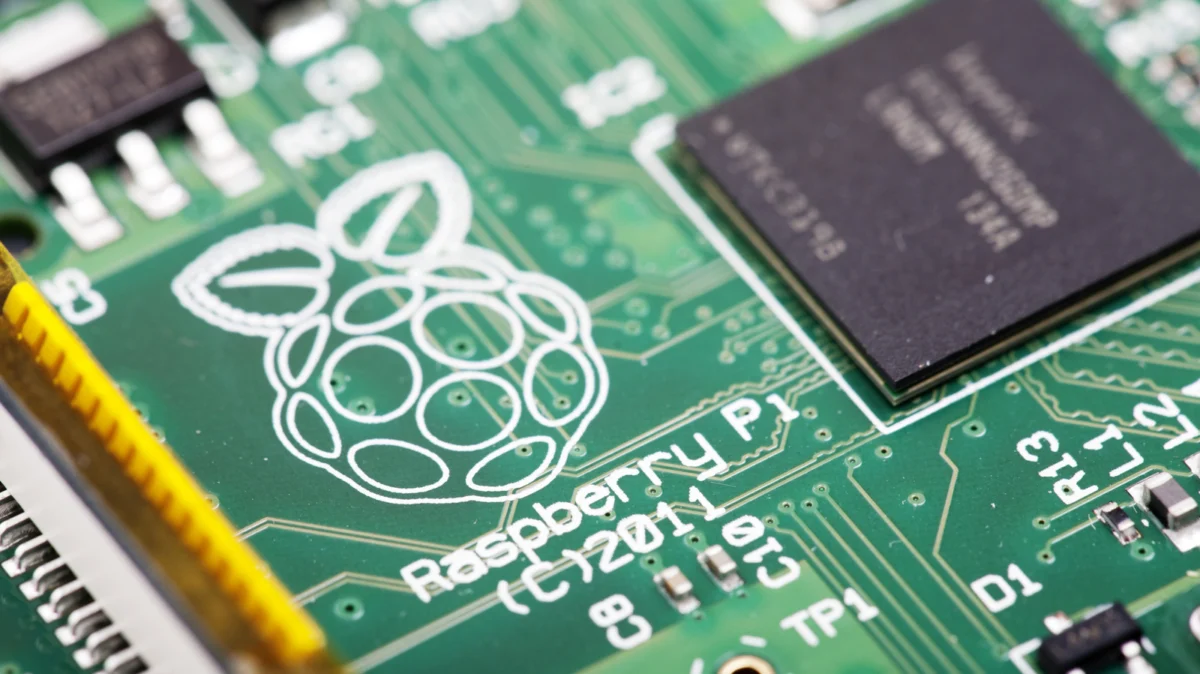
In the era of ubiquitous data, the quest for digital sovereignty has led many enthusiasts to the Raspberry Pi. Once the poster child for affordable, accessible computing, this credit-card-sized marvel has long been the foundation for DIY Network Attached Storage (NAS) systems. By pairing a Pi with high-capacity hard drives, users can bypass the monthly subscription fees of Google Drive, Dropbox, or iCloud, creating a "personal cloud" accessible from anywhere in the world.
However, the landscape of hobbyist computing is undergoing a seismic shift. A convergence of global supply chain volatility, the insatiable hardware demands of Artificial Intelligence (AI) data centers, and a pivot in manufacturing priorities has transformed the Raspberry Pi NAS from a "budget hack" into a significant financial investment. As we move through the mid-2020s, the question remains: Is building your own cloud storage still a fiscally responsible move, or has the DIY dream become a luxury pursuit?
Main Facts: The State of the Raspberry Pi Ecosystem
The Raspberry Pi’s value proposition was historically built on its $35 price point. Today, that figure is largely a relic of the past. The current market is defined by several harsh realities:
- Component Inflation: The price of the Raspberry Pi 5—the flagship model required for high-speed data transfer—has seen a dramatic uptick. While MSRPs exist, "street prices" and bundled requirements often push the cost of a functional board toward the $110–$150 range.
- The Storage Crisis: Hard drive prices, particularly for NAS-grade mechanical drives like the Seagate IronWolf or WD Red series, have spiked. An 8TB drive that could be found for under $150 in 2023 now frequently commands nearly double that price.
- The AI Shadow: Large-scale AI model training requires astronomical amounts of VRAM and high-speed storage. This has led manufacturers to prioritize enterprise-grade components, causing a "trickle-up" effect where consumer-grade RAM and NAND flash components become both scarce and expensive.
- The DIY vs. Off-the-Shelf Gap: While the cost of a DIY Pi-based system has risen, the cost of pre-built solutions from brands like Synology, QNAP, and UGreen has followed a similar upward trajectory, maintaining a narrow but persistent price gap.
Chronology: From Pandemic Shortages to the AI Boom
To understand why a Raspberry Pi NAS costs so much today, one must look at the timeline of the global semiconductor market.
2020–2022: The Scarcity Era
During the global pandemic, supply chains buckled. Raspberry Pi units became nearly impossible to find at retail prices, leading to a secondary market where boards were scalped for 300% of their value. This period established a precedent for the Pi as a "premium" hobbyist item rather than a disposable commodity.
2023: The Brief Normalization
As supply chains stabilized in early 2023, the Raspberry Pi 5 was launched. For a few months, it seemed the hobbyist market would return to its roots. Prices for high-capacity HDDs hit all-time lows, with 8TB and 12TB drives becoming affordable for average home users.
2024–Present: The AI Pivot
The explosion of Generative AI changed the calculus. Major manufacturers like Samsung, SK Hynix, and Micron shifted their production lines to High Bandwidth Memory (HBM) and enterprise-grade DDR5 to satisfy the hunger of Nvidia and AMD’s AI accelerators. This shift reduced the production capacity for the standard LPDDR4 and LPDDR5 modules used in Raspberry Pis. Simultaneously, the demand for high-density storage in AI data centers began to eat into the global supply of hard drives, driving prices back up to levels not seen in half a decade.
Supporting Data: The Cost of Ownership Breakdown
To determine the viability of a Raspberry Pi cloud, we must look at a standard "Safe Storage" configuration: a 2-bay RAID 1 setup (where data is mirrored across two drives for redundancy) with 8TB of usable space.
The DIY Pi 5 Route
- Raspberry Pi 5 (4GB/8GB): $110.00
- Power Supply & Case: $35.00
- RAID-capable USB Enclosure: $60.00
- 2x 8TB NAS-Grade HDDs (Seagate IronWolf): $600.00
- High-Speed microSD (for OS): $15.00
- Total Estimated Cost: $820.00
The Off-the-Shelf Route (e.g., Synology DS223)
- Synology 2-Bay Diskless Station: $250.00
- 2x 8TB NAS-Grade HDDs: $600.00
- Total Estimated Cost: $850.00
The Cloud Subscription Comparison
- Google One (2TB Plan): ~$100/year
- Self-Hosted 8TB System: $820 upfront.
- Break-even Point: Approximately 8 years against a 2TB plan, though the DIY system provides four times the storage capacity. If compared to an equivalent 10TB cloud plan (which can cost $500+/year), the DIY system pays for itself in less than two years.
Official Responses and Industry Sentiment
While the Raspberry Pi Foundation has remained committed to its mission of education, its leadership has acknowledged the pressures of the global market. In various investor communications following their 2024 IPO, the Foundation noted that while they strive to maintain low MSRPs, the cost of raw materials and logistics remains a volatile factor.
On the storage side, manufacturers like Western Digital and Seagate have signaled a shift toward "value-based pricing." In recent earnings calls, industry executives have noted that the demand for high-capacity drives in the enterprise sector is "insatiable," which naturally limits the aggressive discounting previously seen in the consumer retail space.
Tech analysts suggest that the "Golden Age" of the $35 Pi is likely over. The device has matured from a simple educational tool into a sophisticated industrial component, and its pricing now reflects its utility in commercial and industrial IoT applications.
Implications: Privacy, Power, and the Future of the Home Lab
The rising cost of DIY cloud storage has several long-term implications for the tech-savvy consumer.
1. The Death of the "Casual" Hobbyist
When a project costs $200, it is an impulse buy. When it costs $800, it requires a budget. This price wall may discourage a new generation of users from learning about networking and Linux through the Raspberry Pi, potentially shrinking the "home lab" community.
2. The Shift to "E-Waste" Upcycling
As Raspberry Pis become more expensive, many enthusiasts are turning to "TinyMiniMicro" PCs—refurbished enterprise desktop units from Dell, HP, or Lenovo. These second-hand machines often cost less than a new Raspberry Pi 5 kit, offer significantly more processing power, and include built-in SATA ports and expandable RAM. This trend represents a pivot from "new and small" to "old and powerful."
3. Data Sovereignty as a Luxury Good
There is an inherent irony in the current market: the people who most need to escape the predatory pricing of big-tech cloud subscriptions are the ones least likely to afford the $800 entry fee for a private alternative. Data privacy is increasingly becoming a tiered commodity, where those with capital can own their data, while those without are relegated to "renting" space in a corporate cloud.
4. Technical Management vs. Convenience
The Pi route requires significant labor. The user must configure the OS (such as OpenMediaVault or Nextcloud), secure the network via VPN or Reverse Proxy, and manage hardware health. In contrast, off-the-shelf units like Synology offer a "set it and forget it" experience. With the price gap narrowing to less than $50, the "value" of the Raspberry Pi is no longer in its price, but in the freedom it offers to those who want total control over their software stack.
Conclusion: Is It Worth It?
Building a Raspberry Pi cloud storage system in the current economic climate is no longer a way to save a quick buck. It is a commitment to a specific philosophy of computing.
If your goal is simply to store photos cheaply, a subscription to a major cloud provider remains the most cost-effective path for the first five to seven years of use. However, if your goal is to house massive amounts of data (8TB+), maintain absolute privacy from corporate data mining, and develop high-level IT skills, the Raspberry Pi remains a viable—albeit expensive—vessel for that journey.
The "sledgehammer" of price hikes has cracked the foundation of the DIY market, but it has not demolished it. For the dedicated enthusiast, the Raspberry Pi NAS is still the most customizable, energy-efficient, and rewarding way to own your digital life—provided you have the stomach for the upfront investment.