The Legend of Zelda: Ocarina of Time Remake: A Faithful Evolution for a Timeless Classic
The recent reveal of a reimagined The Legend of Zelda: Ocarina of Time for the Nintendo Switch 2 has ignited passionate discussion among fans, a testament to the enduring legacy of the 1998 N64 masterpiece. While initial glimpses showcased a striking, hyper-realistic art style that polarized opinion, subsequent hands-on previews and developer insights have assuaged many concerns, revealing a remake that meticulously balances modernization with a deep respect for the original’s soul. This isn’t merely a visual facelift; it’s a thoughtful resurrection, incorporating contemporary gameplay enhancements, richer environments, expanded narrative elements, and crucial quality-of-life improvements, all while staying remarkably true to the core experience that captivated a generation.
The Vision: A "Puppet-Show" Aesthetic for a Living Hyrule
Art director Aya Shida, in a candid interview as part of Nintendo’s "Ask the Developer" series, shed light on the artistic philosophy guiding the remake. Far from aiming for unadulterated photorealism, the development team embraced evocative concepts like a "puppet-show feel" and "the analog feel of practical effects films." This deliberate choice aimed to imbue Hyrule with a tangible, lived-in quality while preserving the whimsical charm of its inhabitants.
"We wanted to rebuild Hyrule as a rich, dense world that felt as though it could truly exist, while retaining the feel of the original," Shida explained. "At the same time, we wanted its colorful and quirky characters to feel like a natural part of that world. Figuring out how to strike the right balance became one of the main themes of the art development."
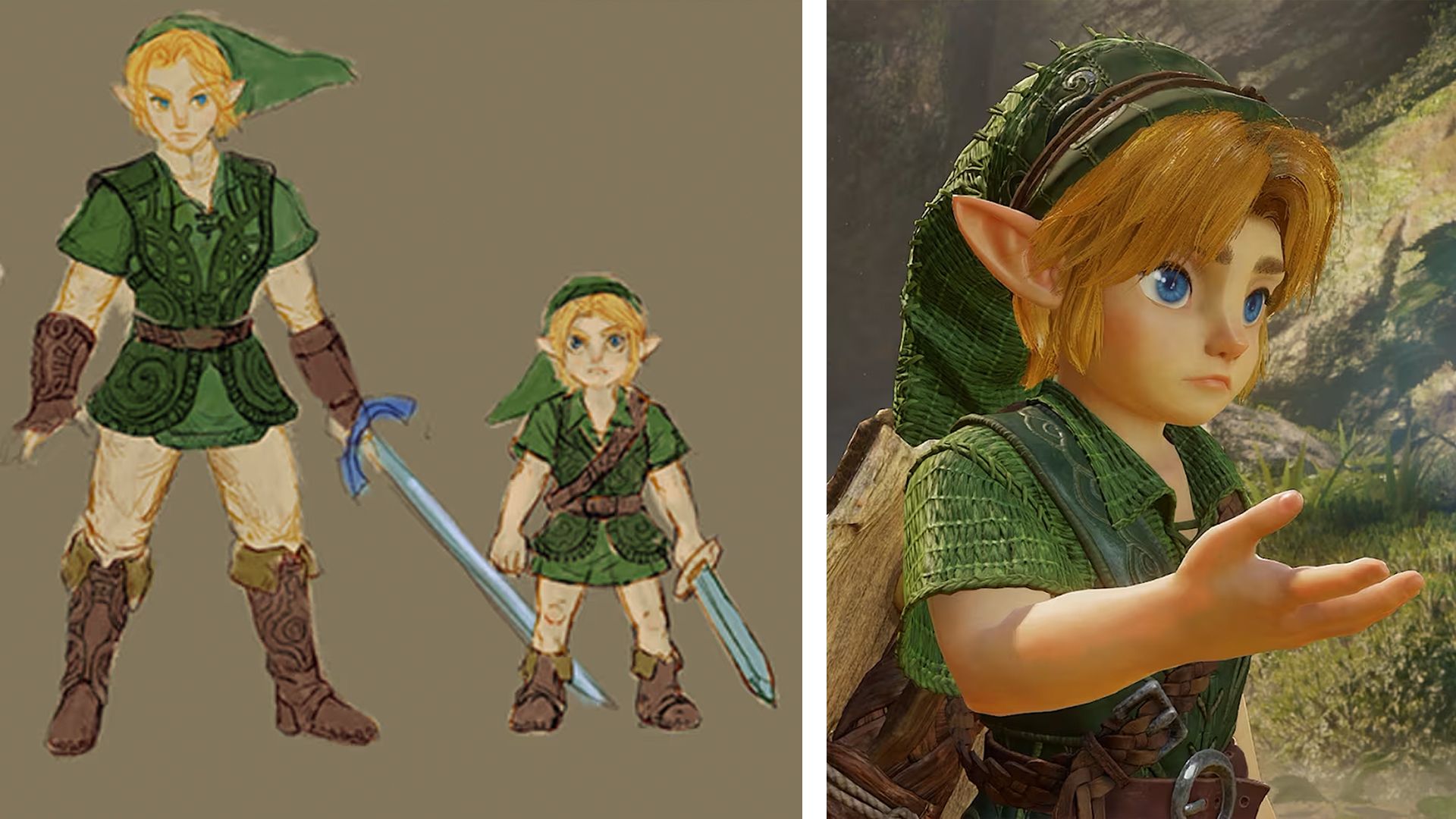
This nuanced approach meant that while the Switch 2’s advanced graphical capabilities were leveraged to render intricate details – from the grain of wood and the texture of foliage to the subtle stitching on Link’s tunic – the ultimate goal was not to mimic reality precisely. Instead, the team sought to create a convincing illusion of existence, akin to how stop-motion animation or practical effects in classic films transport audiences to fantastical realms.
"Neither puppet shows nor practical effects films reproduce reality exactly as it is," Aya Shida elaborated. "Even so, both create a convincing sense that the characters truly exist within their respective fantasy worlds."
A Meticulous Reconstruction: From Character Design to Fabric Textures
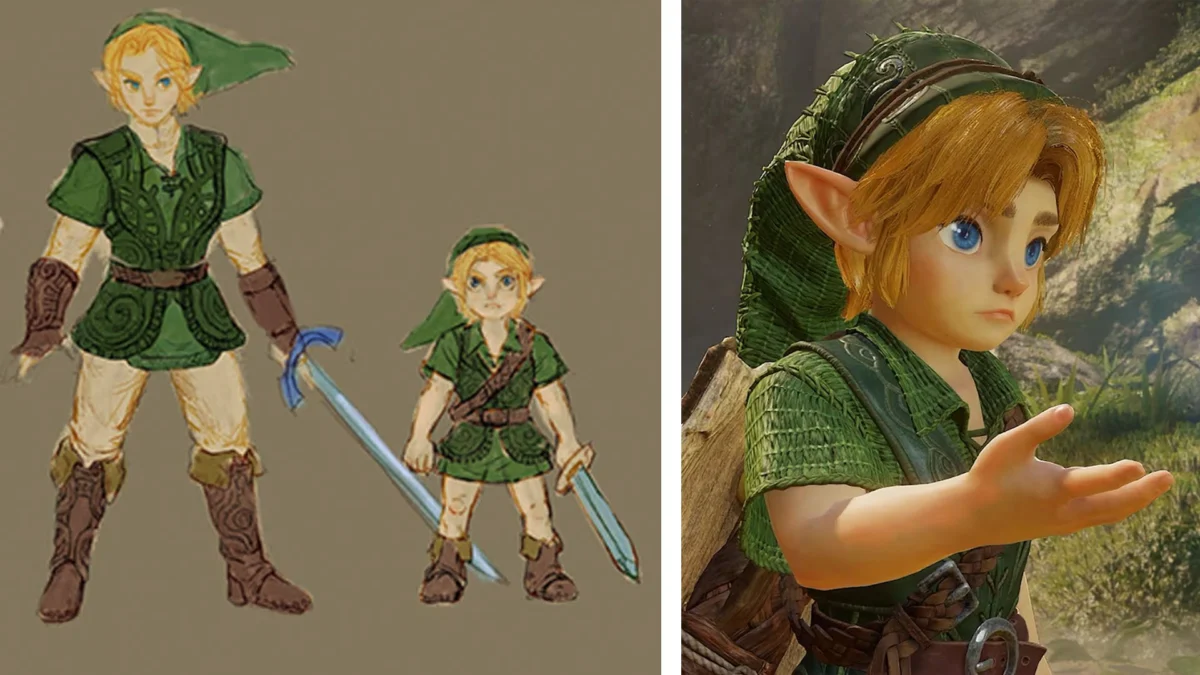
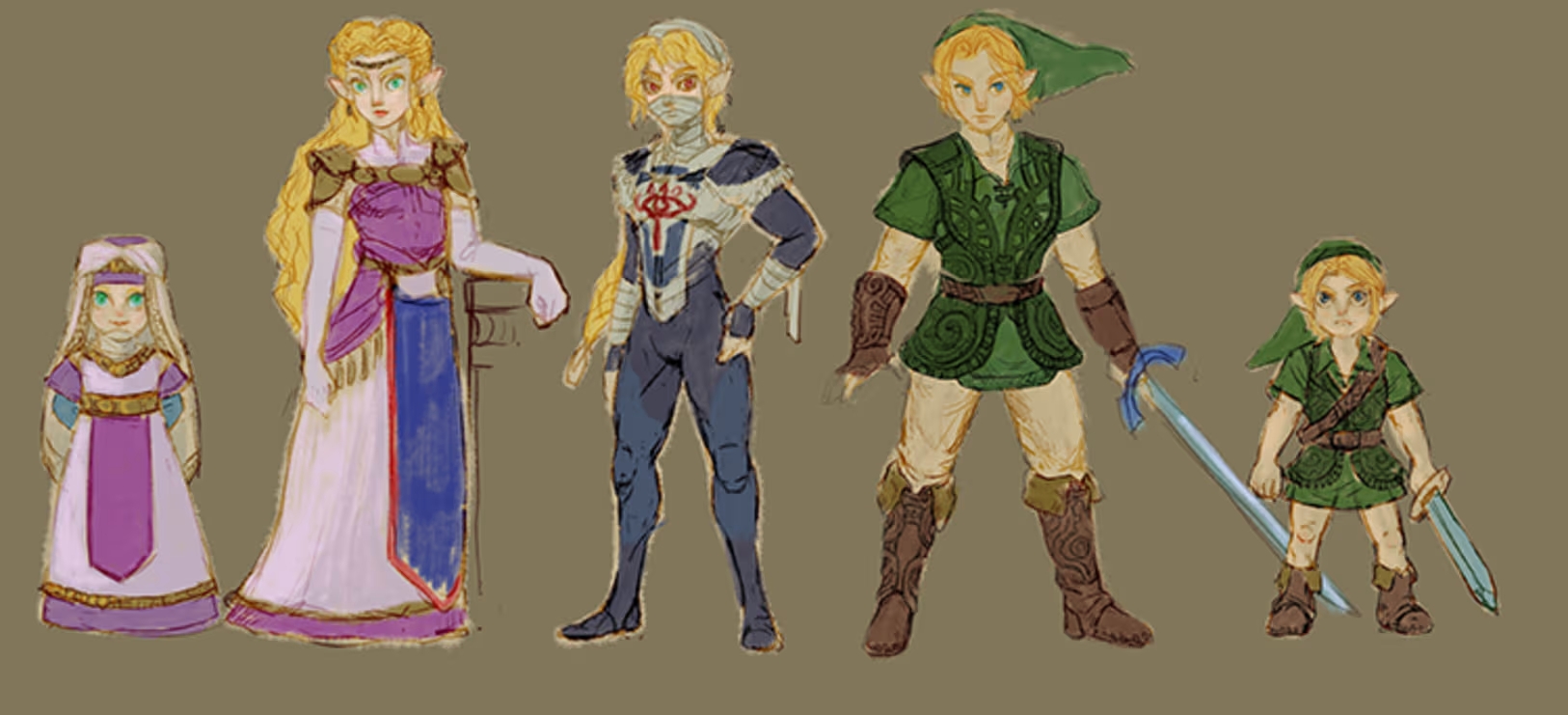
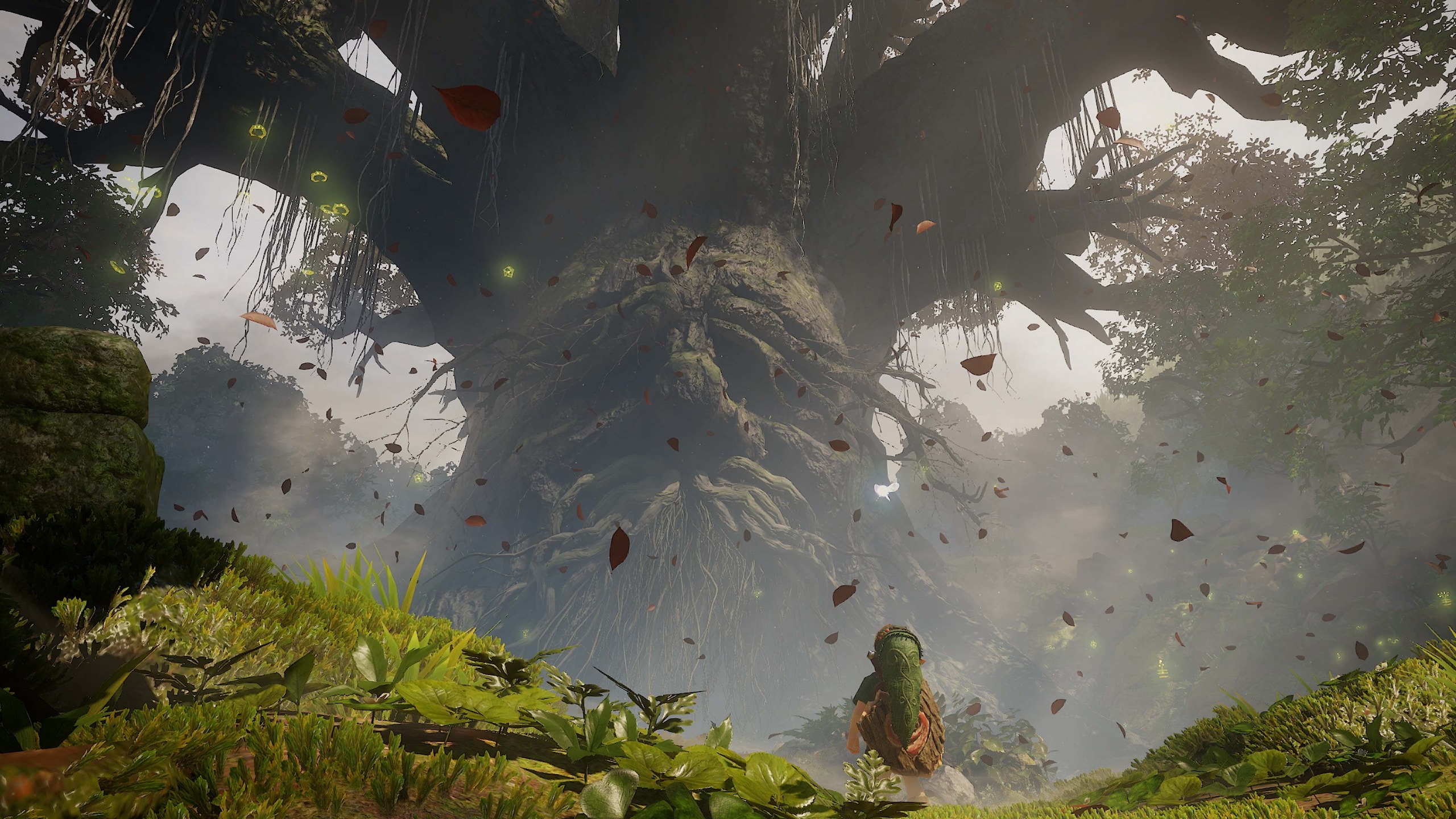
The genesis of the remake’s visual identity began with fundamental character sketches and the construction of a 3D model of the Great Deku Tree. Despite the significant visual evolution from the N64’s polygon-driven aesthetic to the remake’s detailed environments, a paramount objective was to maintain character recognition. Aya Shida emphasized the importance of how characters appear from a distance, ensuring that players would still perceive them as the beloved figures they remembered, even after nearly three decades.
This dedication to fidelity extended to the minutiae of character attire. While the fabrics of Link, Zelda, and the denizens of Hyrule boast vastly improved detail, they were carefully crafted to avoid an overly pristine appearance. Young Link’s clothing, for instance, was designed to look authentically handmade, reflecting the era and circumstances of its creation.
"We started by asking what kind of fabric those children might actually weave and wear," Aya Shida revealed. "We looked at materials in museums and even experimented with making our own fabric from thread to get a better sense of what it should be like. For this game, the hardware allowed us to depict that level of detail, but that also meant we needed to do our research until we had a clear idea of what we wanted to create. As a design team, we often talked about imagining the story behind every object in the game as we created it."
This commitment to narrative depth, even in the textures of clothing, underscores the development team’s profound understanding of what makes Ocarina of Time so special. It’s a testament to their belief that every element within Hyrule should contribute to a cohesive and immersive world.
Gameplay Evolution: Balancing Tradition with Modern Sensibilities
While the visual overhaul has garnered significant attention, the remake introduces a suite of gameplay enhancements designed to modernize the experience without sacrificing its core appeal. Previewers have noted the inclusion of new control schemes, richer environmental details, expanded dialogue, and voiced cutscenes, all aimed at refining the player’s journey through Hyrule.
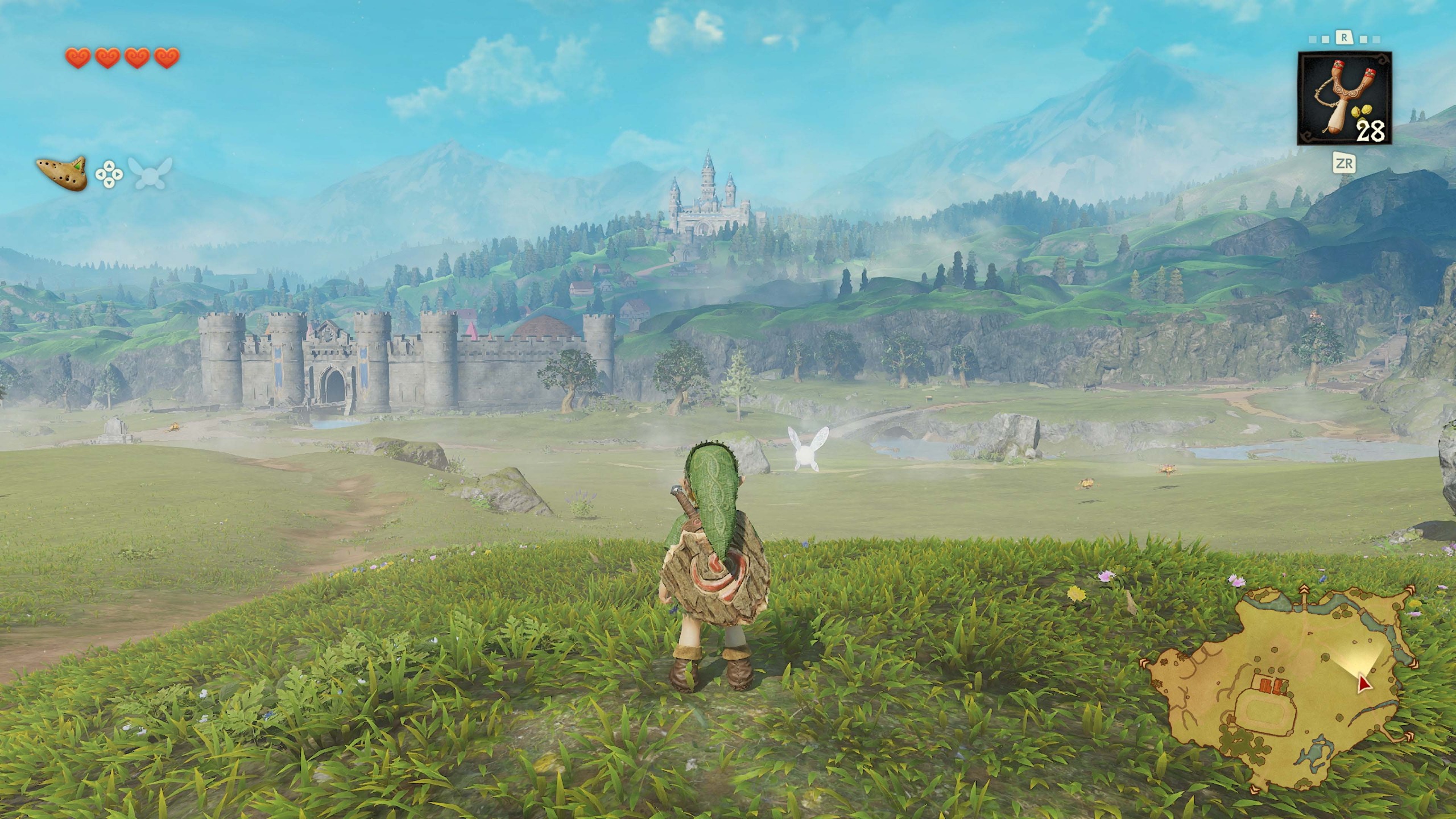
One of the most significant adjustments, however, stems from a near-miss with a fundamental change to world exploration. Series producer Eiji Aonuma confessed that the development team had considered integrating a fast-travel system, similar to the warp points found in The Legend of Zelda: Breath of the Wild.
"In the original The Legend of Zelda: Ocarina of Time, you could get around a bit faster by spamming forward roll, so I think a lot of players spent their time doggedly rolling across Hyrule Field whenever they needed to be somewhere in a hurry," Aonuma stated. "I thought we needed to address this in this new version."
The Unforeseen Consequence of Convenience
The introduction of warp points, however, revealed a crucial aspect of the original game’s design that was inadvertently undermined. The developers discovered that the convenience of rapid travel significantly diminished the inherent value of exploration and the organic moments of discovery that are so central to the Zelda experience.
"Through this development process, we were reminded once again just how important those moments are to the very structure of The Legend of Zelda: Ocarina of Time," Aonuma explained. "So even though I was the one who proposed adding warp points, they just weren’t working for me in the end, so I got the team to take them all back out again."
This decision highlights a deep respect for the original game’s pacing and design philosophy. The deliberate act of traversing Hyrule, encountering its secrets organically, and experiencing the world unfold at its own pace was deemed too integral to the game’s identity to be compromised by modern convenience.
However, not all gameplay changes were abandoned. A notable addition is the introduction of a dedicated jump button for Link. In the original game, Link would automatically leap off certain ledges. While this may require some adjustment for veteran players, particularly during combat scenarios, it offers a more deliberate and controlled traversal experience, addressing potential frustrations with unintended jumps.
A Legacy Reforged: Influencing the Future of Hyrule
The decision to remake Ocarina of Time as the franchise approaches its 40th anniversary is not merely an act of preservation but a strategic investment in the future of the Zelda series. Eiji Aonuma articulated that a significant motivation behind this endeavor was to ensure that the current generation of developers deeply understands the foundational significance of the original game.
"By learning the game structure and development style behind the original The Legend of Zelda: Ocarina of Time, and by actually rebuilding it as a full remake, it may trigger new insights that they can carry forward into future development," he suggested.
This process of dissecting and meticulously reconstructing a beloved classic serves as an invaluable educational tool. It allows new team members to gain firsthand experience with the design principles that established Ocarina of Time as a landmark achievement, potentially fostering a more informed and cohesive approach to future Zelda titles. The lessons learned in this remake, from artistic direction to gameplay mechanics, are likely to echo through the development of subsequent adventures in Hyrule, ensuring that the spirit of innovation that defined the original continues to thrive.
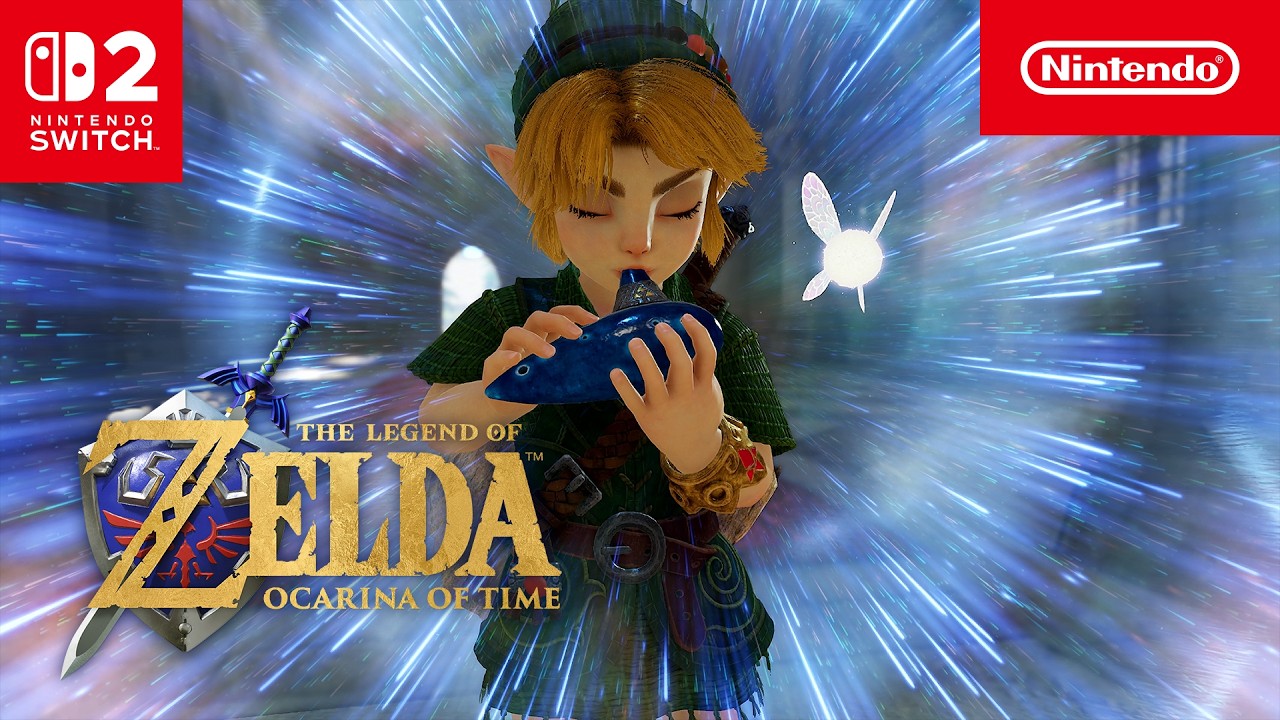
The Legend of Zelda: Ocarina of Time is slated for release on the Nintendo Switch 2 on November 5, 2026. Fans eager to delve deeper into the development process can explore the comprehensive interviews with the development team on the official Nintendo website.
The remake promises not just a nostalgic trip down memory lane, but a reintroduction of a timeless classic to a new generation, while offering seasoned adventurers a familiar yet refreshed journey through the legendary kingdom of Hyrule. The careful consideration given to both visual fidelity and gameplay integrity suggests that this reimagining will stand as a testament to the enduring power of masterful game design.