Penguin Colony: A Lovecraftian Nightmare of Waddle and Wonder Emerges from Steam Next Fest
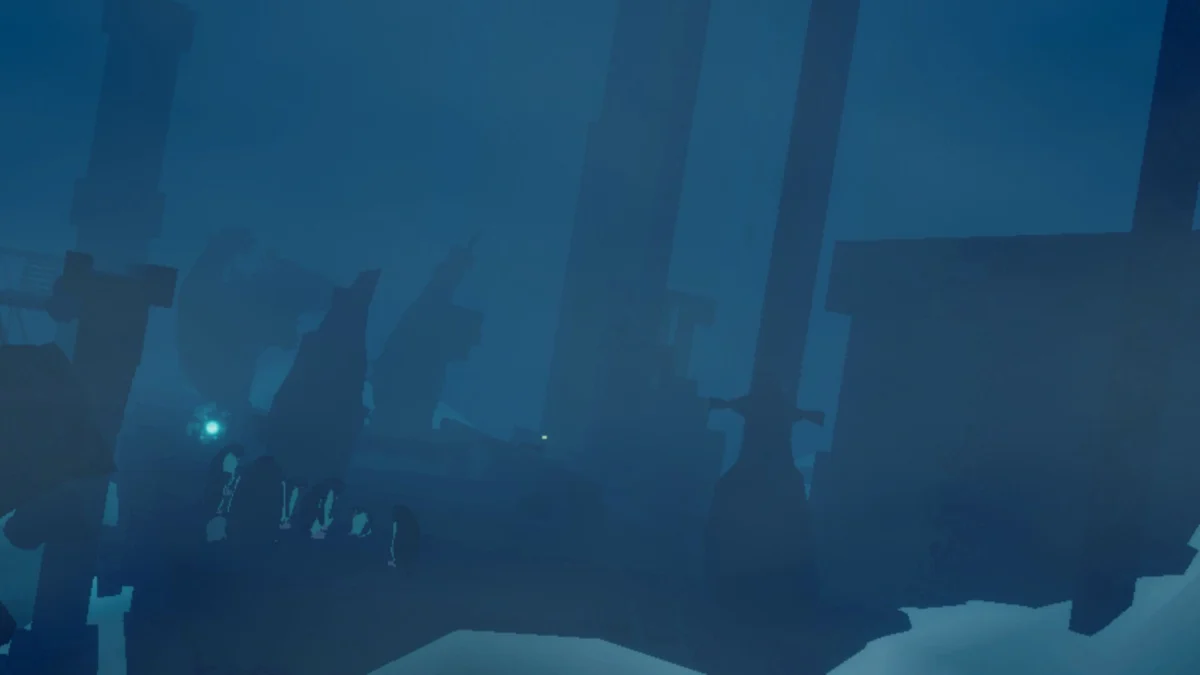
A peculiar blend of Antarctic survival, cosmic horror, and avian protagonists has captured the attention of gamers during Steam Next Fest. "Penguin Colony," a new demo from indie developer Origame Digital, offers a chilling and bizarre experience that defies easy categorization, drawing comparisons to H.P. Lovecraft’s "At the Mountains of Madness" and the poignant documentary "March of the Penguins."
By Giovanni Colantonio
Published June 16, 2026, 8:31 AM EDT
The digital landscape of PC gaming is often a fertile ground for the unexpected, and the current iteration of Steam Next Fest is proving this adage with the emergence of "Penguin Colony." This free demo, available for a limited time, presents a concept so audacious and peculiar that it has quickly become a talking point for its sheer originality. Developed by Origame Digital, a studio previously lauded for the critically acclaimed "Umurangi Generation," "Penguin Colony" pivots dramatically, plunging players into a chilling Antarctic environment where the usual charm of penguins is replaced by an unsettling, Lovecraftian dread.
The game’s premise is a potent cocktail: imagine the existential terror of H.P. Lovecraft’s seminal works, specifically "At the Mountains of Madness" and "The Shadow Out of Time," filtered through the stark, unforgiving beauty of the Antarctic wilderness, and starring penguins as the unwitting or perhaps all-too-aware participants. This ambitious fusion has generated significant buzz, positioning "Penguin Colony" as a potential breakout hit for its audacious narrative and unique gameplay mechanics.
A Descent into Antarctic Dread: The Core Narrative
At its heart, "Penguin Colony" is a narrative-driven experience that delves into dark themes of fascism, colonialism, and the unfathomable horrors that lie hidden beneath the ice. The year is 1939, a period rife with global tension and burgeoning ideological conflicts. Against this backdrop, Nazi expeditions have arrived in Antarctica, driven by a sinister quest to unearth ancient secrets buried deep within the frozen continent. However, they are not alone. The Kaitiaki, an indigenous Antarctic presence, are present to safeguard these potent mysteries.
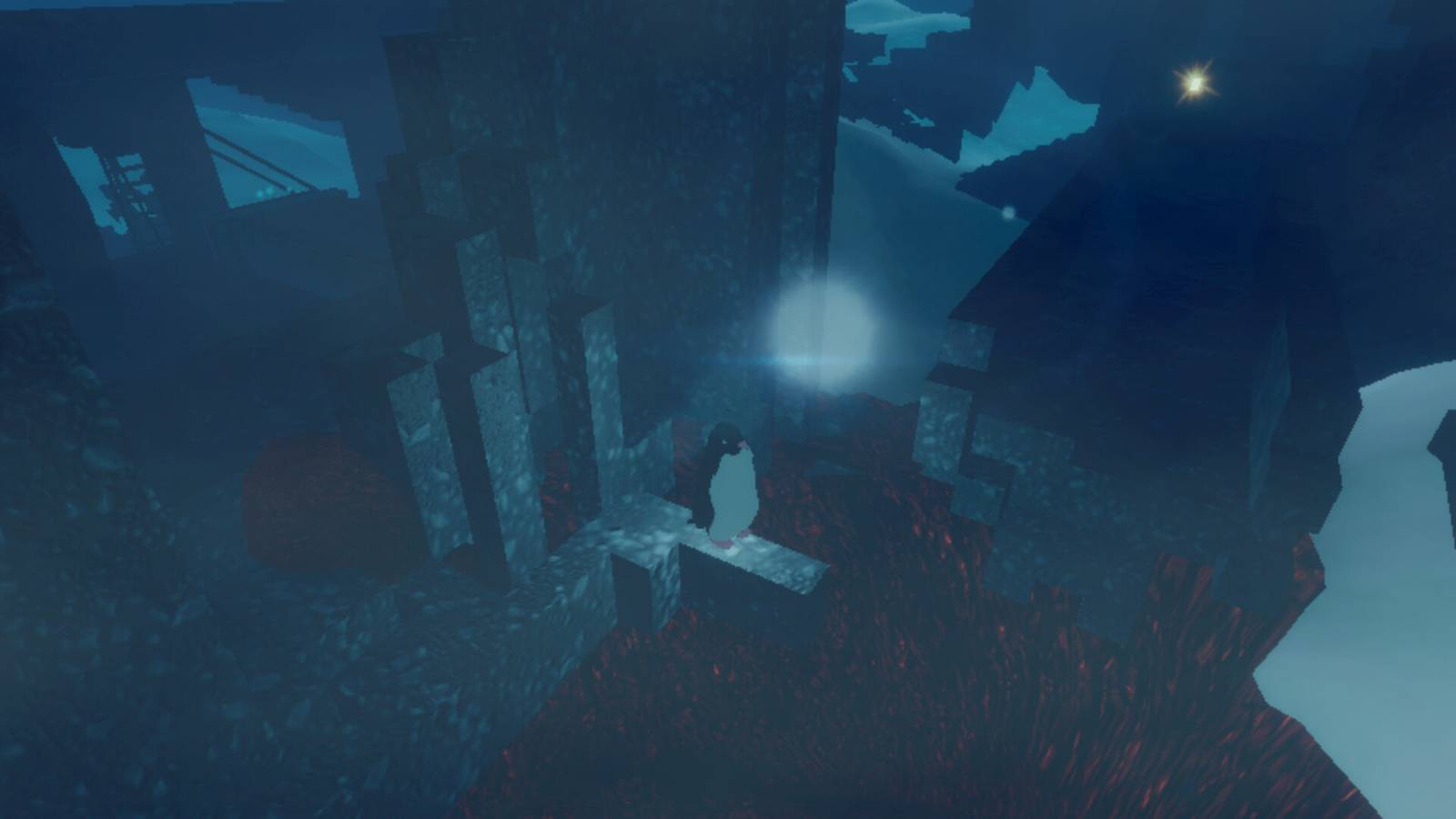
Origame Digital has explicitly stated its intention to create a "faithful reimagining" of Lovecraft’s cosmic horror, weaving these ancient, unsettling themes with a pointed commentary on the destructive nature of unchecked power and the exploitation of both land and its inhabitants. The presence of penguins within this narrative is not merely a whimsical choice; they are integral to the unfolding drama, their seemingly innocent existence juxtaposed against the encroaching darkness of human ambition and otherworldly malevolence.
Gameplay Mechanics: The "Waddling Simulator" with a Twist
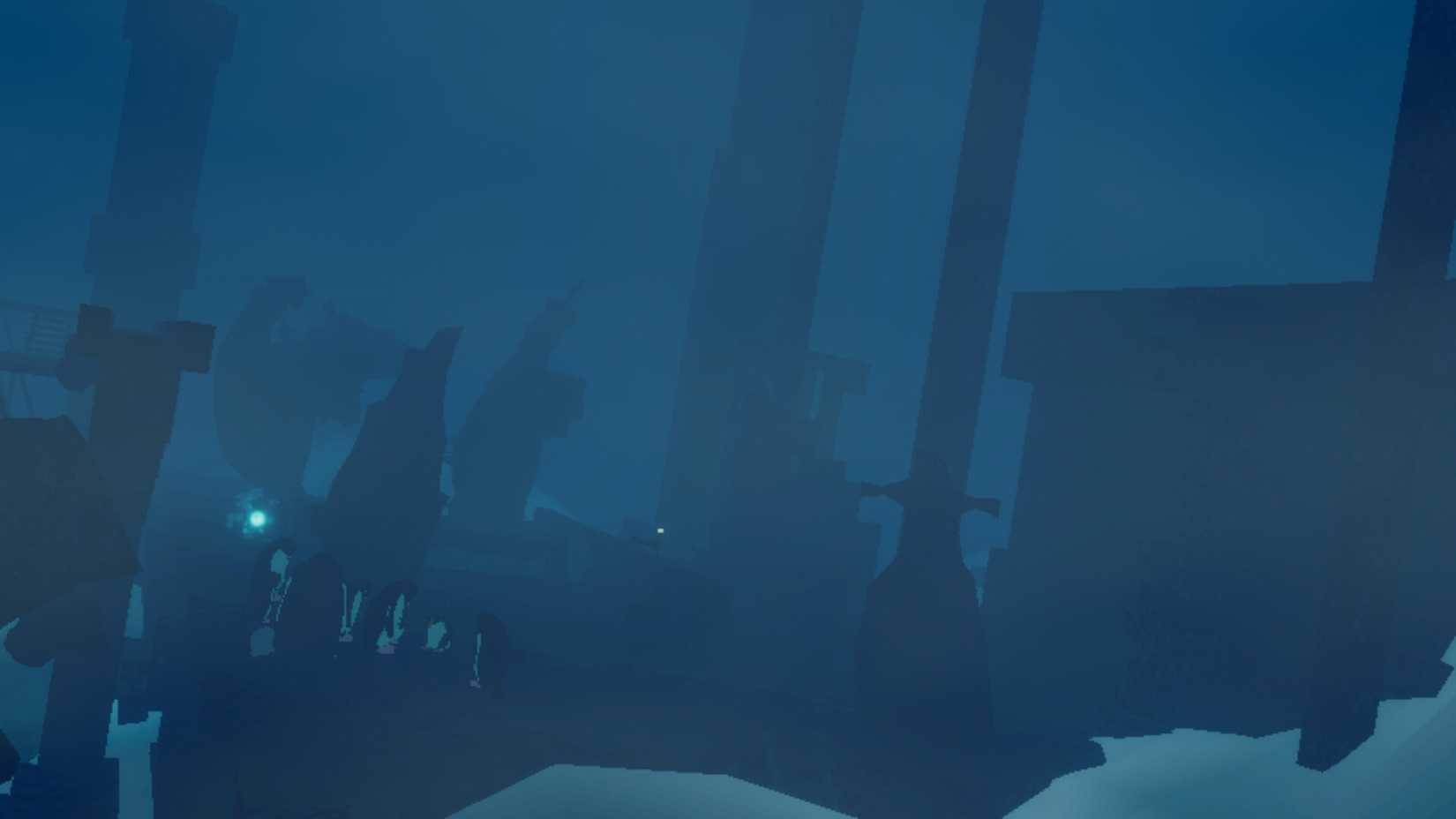
The free demo offers players a substantial glimpse into the gameplay loop of "Penguin Colony." Upon launching the experience, players are immediately immersed in a desolate, shadow-laden Antarctic landscape. The initial moments are marked by an eerie introduction, setting a tone of unease and anticipation. Players then assume control of a penguin, a seemingly simple protagonist tasked with navigating the treacherous terrain.
The core movement mechanics are deceptively straightforward, yet cleverly implemented to reflect the unique physicality of a penguin. Players can control their penguin’s shuffling gait across the icy plains, or opt for a faster mode of locomotion by sliding on their bellies. The ability to dive underwater and perform simple hops for platforming challenges adds further layers to the traversal. These actions are governed by a stamina meter, adding an element of resource management to exploration.
However, the true innovation in the gameplay emerges with the ability to seamlessly switch control between different penguins in close proximity. This mechanic is crucial for overcoming environmental obstacles. In one notable instance highlighted in the demo, a player encounters a warped fence that is slightly ajar at its base. The player’s current penguin is too large to fit through the gap. By switching to a smaller chick, the obstacle can be circumvented, demonstrating a puzzle-solving element that relies on the distinct physical attributes of the colony members. This mechanic hints at a broader gameplay design that encourages strategic thinking and observation of the environment.
A Slow Burn of Atmospheric Horror
Beyond the immediate mechanics, "Penguin Colony" prioritizes an immersive and atmospheric experience. While the demo does feature "collectibles" scattered throughout the environment, encouraging exploration and engagement, its primary focus is on fostering a slow-burn journey that allows players to absorb the pervasive sense of dread.

The narrative unfolds through an unsettling voice-over, which gradually reveals cryptic details about the overarching story. The penguins themselves, while the player’s avatars, remain largely silent, their actions and reactions speaking volumes in the face of the unfolding horrors. This minimalist approach to character dialogue amplifies the feeling of isolation and helplessness, common hallmarks of the horror genre.
As players venture further into the demo, they begin to encounter human elements, depicted as blocky, almost alien figures. These encounters are often disturbing, culminating in scenes of self-mutilation that underscore the psychological toll of the Antarctic expedition and the strange influences at play. The visual design, featuring burning tents and ominous lights piercing the distant darkness, further contributes to the surreal and terrifying imagery that is synonymous with a Lovecraftian adaptation. The visual style, while stylized, effectively conveys a sense of profound unease and cosmic insignificance.
Official Statements and Developer Intent
While direct official statements from Origame Digital regarding the full scope of "Penguin Colony" are limited, the studio’s previous work on "Umurangi Generation" provides a strong indication of their artistic intent. "Umurangi Generation" was celebrated for its unique blend of photography mechanics with a narrative that explored themes of environmentalism and social commentary. With "Penguin Colony," Origame Digital appears to be doubling down on their commitment to crafting games that are not only mechanically engaging but also thematically resonant and thought-provoking.
The studio’s description of the game as a "faithful reimagining" of Lovecraft’s works suggests a deep respect for the source material, aiming to capture its essence of cosmic insignificance and the fragility of human understanding in the face of incomprehensible forces. The inclusion of themes like fascism and colonialism indicates a desire to imbue the horror with a contemporary relevance, drawing parallels between historical atrocities and the potential for unchecked ambition to lead to devastating consequences.
The choice of penguins as protagonists, while initially appearing whimsical, is a masterstroke in subverting player expectations. By placing players in the flippers of these seemingly ordinary creatures, the game heightens the sense of vulnerability and emphasizes the vastness of the forces at play, forces that are indifferent to the fate of any single species. This narrative choice allows for a unique perspective on the horrors of war and the existential dread of the unknown.
Implications and Future Prospects
The emergence of "Penguin Colony" during Steam Next Fest carries several significant implications for the indie game development scene and the broader gaming landscape.
Firstly, it underscores the continued appetite for innovative and genre-bending experiences. In an industry often dominated by sequels and established formulas, games like "Penguin Colony" that dare to be different have the potential to capture significant attention and cultivate dedicated fanbases. The success of "Umurangi Generation" demonstrated Origame Digital’s ability to deliver on unique concepts, and "Penguin Colony" seems poised to continue that trajectory.
Secondly, the game’s exploration of mature themes within an unconventional setting raises questions about the boundaries of narrative in gaming. The successful integration of Lovecraftian horror with commentary on fascism and colonialism suggests that games can serve as powerful mediums for exploring complex and challenging societal issues. The penguin protagonist adds an unexpected layer of pathos and relatability, making the exploration of these dark themes all the more impactful.
Thirdly, "Penguin Colony" highlights the power of free demos in the modern gaming ecosystem. Steam Next Fest, in particular, provides a crucial platform for developers to showcase their work to a massive audience without the initial barrier of a purchase. The viral nature of interesting and unique game concepts can spread rapidly through word-of-mouth and social media, as evidenced by the current buzz surrounding this peculiar penguin adventure.
While "Penguin Colony" does not yet have a firm release date, it is slated for launch sometime in 2026. The demo has successfully piqued the interest of players and critics alike, establishing it as a game to watch. Its blend of chilling atmosphere, unconventional narrative, and unique gameplay mechanics promises a truly memorable and potentially groundbreaking experience. Whether it fully delivers on its ambitious premise remains to be seen, but "Penguin Colony" has undoubtedly made a significant splash, proving that even the most unexpected protagonists can lead us into the darkest of abysses. The journey from the familiar waddle of a penguin to the existential dread of cosmic horror is a path less traveled, and "Penguin Colony" invites players to embark on this unsettling, yet utterly compelling, expedition.