
Ridley Scott’s "Robin Hood" (2010): A Reassessment of the Underrated Origin Story
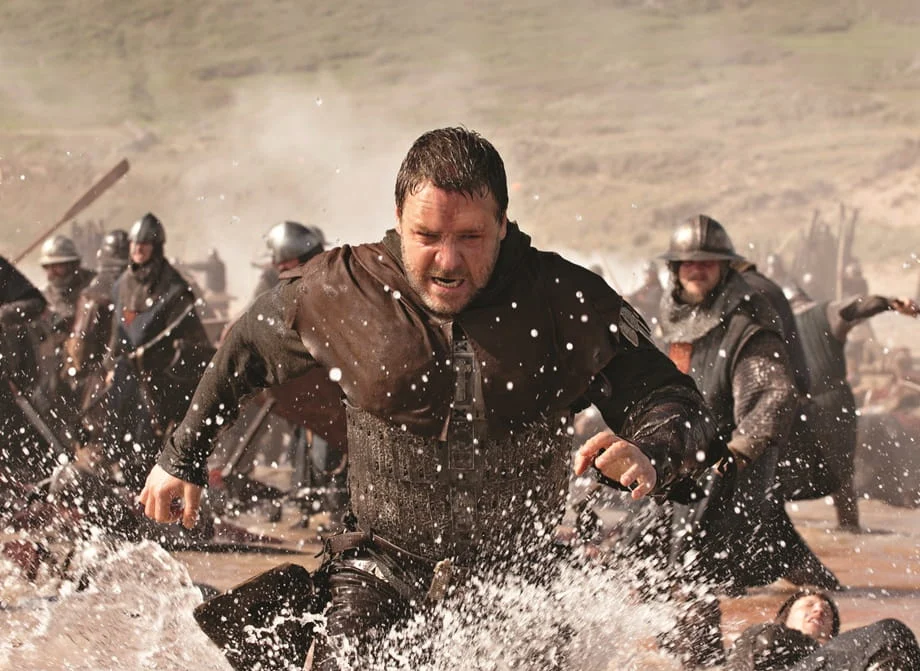
Universal Pictures’ 2010 epic "Robin Hood," directed by the visionary Ridley Scott and starring Russell Crowe, remains a polarizing entry in the storied cinematic canon of the legendary outlaw. While critically and commercially divisive upon its release, a closer look, particularly at the Unrated Director’s Cut (156 minutes), reveals a film that boldly reimagined the myth, serving as both a gritty origin story and a thematic "backdoor sequel" to Scott’s acclaimed "Kingdom of Heaven." This article delves into the film’s unique approach, its reception, and its enduring (or perhaps, misunderstood) legacy.
Main Facts: A Gritty Genesis for a Legendary Outlaw
Released in 2010, Ridley Scott’s "Robin Hood" presented a stark departure from previous, often more romanticized, cinematic interpretations of the folklore hero. Penned by Brian Helgeland, the film positioned itself not as a retelling of the familiar tales of Sherwood Forest and robbing from the rich, but as a meticulous, historically grounded prequel to the legend. Starring Russell Crowe as Robin Longstride, Cate Blanchett as a fiercely independent Maid Marian, and Oscar Isaac as a memorably villainous Prince John, the movie aimed to explore the sociopolitical crucible from which the heroic outlaw would eventually emerge.
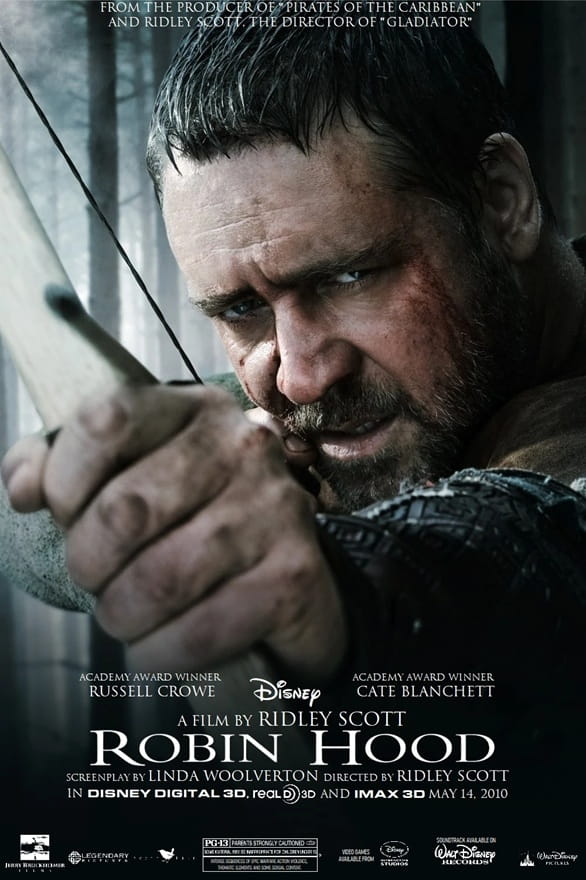
The central thesis of many defenders, including the original review, is that "Robin Hood" is a "criminally underrated film." It dared to ask: what if Robin Hood wasn’t born into nobility, but forged through circumstance, a commoner assuming a mantle of leadership through sheer competence and moral conviction? The film explicitly avoids depicting the Merry Men as established outlaws, instead showing the nascent stages of their alliance and the political machinations that would ultimately force Robin into the wilderness. This "Robin Hood Begins" approach, as suggested by the original review, aimed to ground the myth in a more realistic and often brutal 12th-century England, following the death of Richard the Lionheart and the chaotic ascension of King John.
Furthermore, the film carries the unmistakable DNA of Ridley Scott’s 2005 Crusades epic, "Kingdom of Heaven." It opens with Richard the Lionheart returning from the Holy Land, a direct chronological continuation from the conclusion of the Director’s Cut of "Kingdom of Heaven." This continuity isn’t merely coincidental; it extends to a shared thematic undercurrent: the idea that true worth is defined not by birthright or title, but by one’s daily actions and adherence to a moral code. This deliberate connection positions "Robin Hood" as less a standalone reimagining and more a companion piece, deepening Scott’s exploration of medieval power, faith, and the making of men in tumultuous times.
Chronology: From Crusader to Impostor to Proto-Outlaw
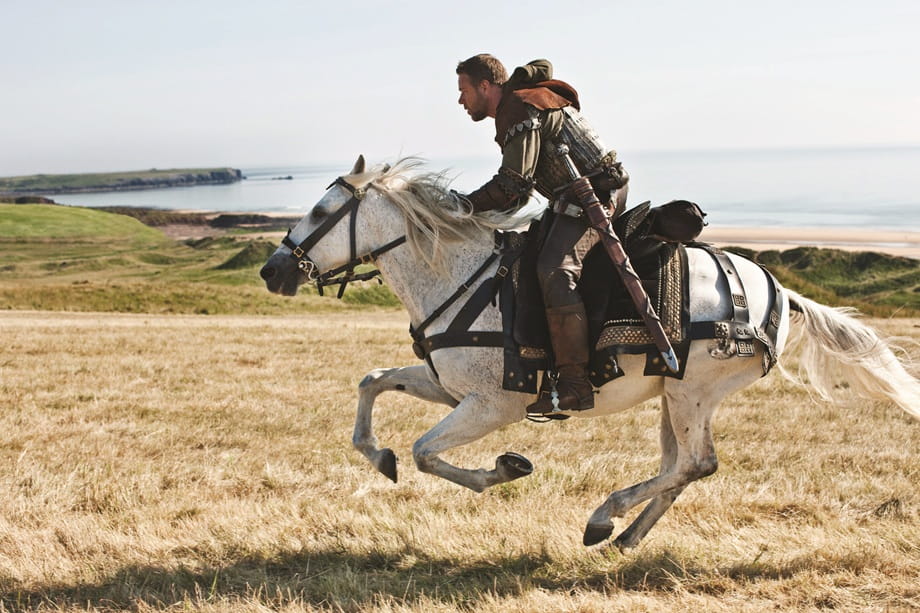
The narrative of "Robin Hood" unfurls with Robin Longstride, a skilled archer, serving King Richard the Lionheart during the siege of Châlus-Chabrol in 1199. Disillusioned with the king’s vanity and endless battles, Robin and his companions – Little John, Will Scarlet, and Allan A’Dayle – desert the army. Their path soon intertwines with a French ambush on an English convoy carrying King Richard’s crown back to England. In the ensuing chaos, Robin of Loxley, an English knight entrusted with the crown, is mortally wounded. Before dying, Loxley extracts a promise from Robin Longstride to return his sword to his father, Sir Walter Loxley, in Nottingham.
This pivotal encounter sets in motion Robin Longstride’s accidental assumption of Loxley’s identity. To safely return to England and deliver the crown, Robin and his men impersonate the fallen nobles. This "heist film" dynamic, dubbed "Robin’s Eleven" by the original review, injects an early sense of cleverness and daring into their journey. Upon reaching England, they find a kingdom teetering on the brink of civil war, misgoverned by the petulant and self-serving Prince John (Oscar Isaac), who has just inherited the throne after Richard’s death.
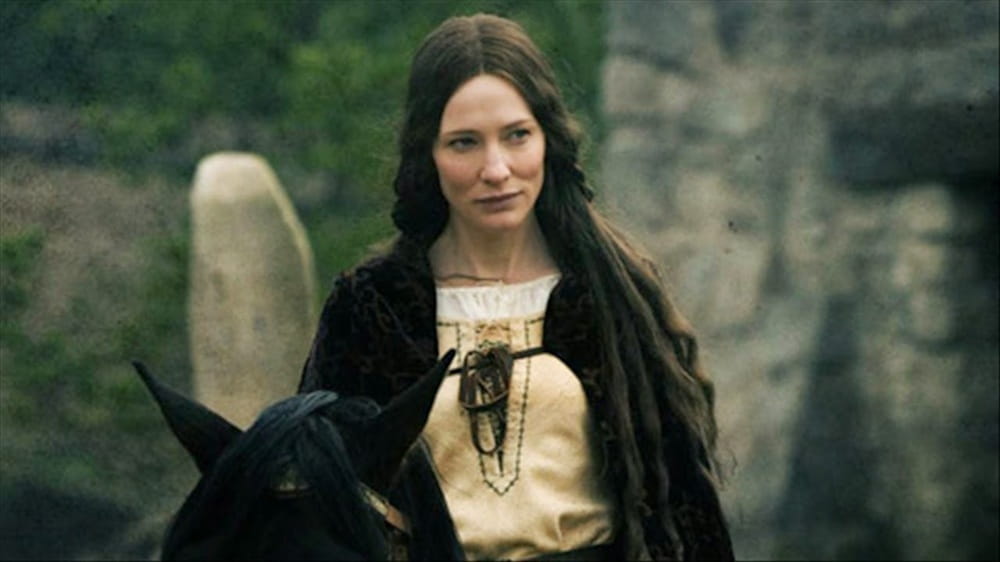
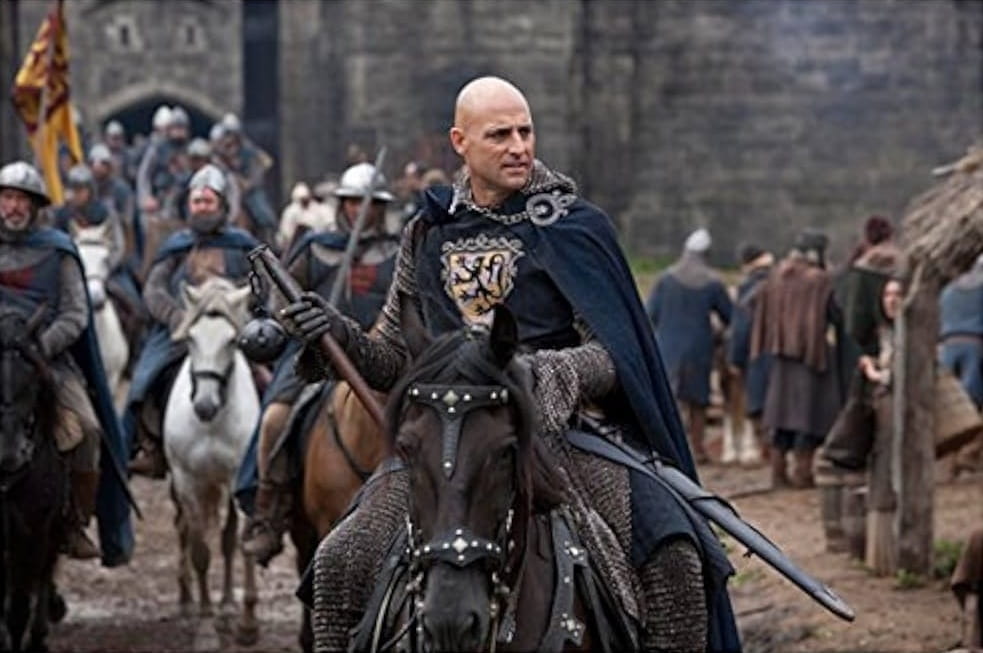
Robin, still posing as Loxley, arrives at Nottingham and encounters Maid Marian (Cate Blanchett), a strong-willed widow struggling to maintain her family’s farm in the face of crippling taxes imposed by the new king. A reluctant alliance forms as Robin, with his burgeoning "Merry Men," helps Marian and the local villagers defend themselves against both the king’s ruthless tax collectors and the insidious machinations of Sir Godfrey (Mark Strong), an English knight secretly conspiring with the French King Philip to invade England.
The film meticulously builds the political and social backdrop of early 13th-century England. It delves into the Magna Carta, portraying Robin as a proto-revolutionary figure advocating for a charter of liberties that would curb the king’s absolute power. This historical accuracy, while adding gravitas, also contributes to the film’s serious tone, often at the expense of the lighter, more adventurous elements audiences might expect from a "Robin Hood" film.
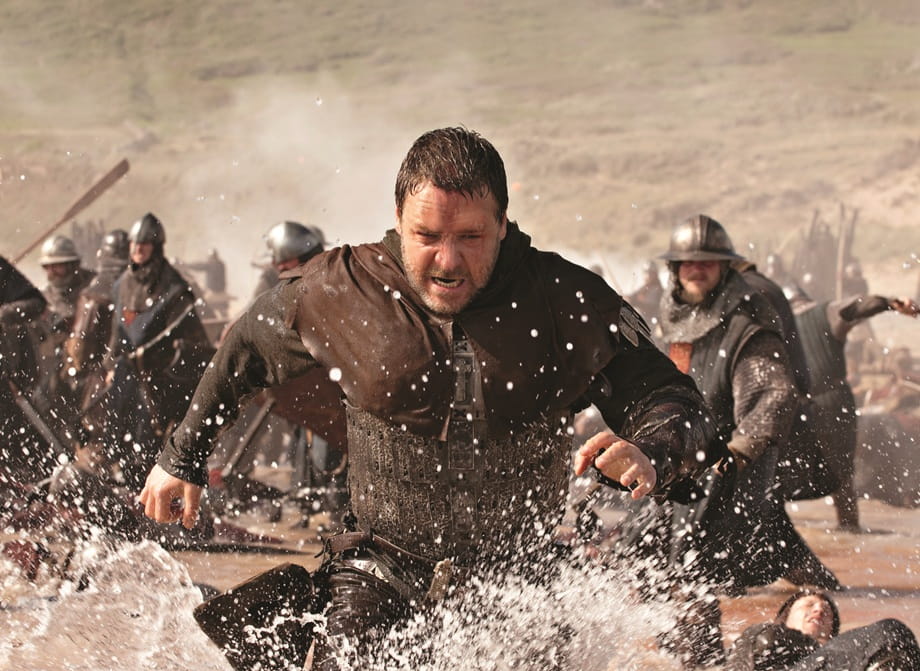
The climax sees Robin uniting the disparate English barons and commoners against the French invasion, demonstrating his natural leadership and military prowess. For a brief period, he and King John find common cause. However, John’s inherent treachery reasserts itself, and he declares Robin an outlaw, forcing him and his followers into the depths of Sherwood Forest. The film concludes with the iconic image of Robin, Marian, and his companions disappearing into the woods, with the on-screen text proclaiming, "And so the legend begins." This ending, while setting the stage for the traditional Robin Hood narrative, ultimately left many viewers feeling that the story they had come to see was just starting, rather than concluding.
Supporting Data: A Tale of Critical Disappointment and Underperformance
"Robin Hood" garnered a worldwide box office total of just under $322 million. While not an outright disaster, especially for a film with a reported production budget of around $200 million, it fell short of the blockbuster status expected for a Ridley Scott-Russell Crowe historical epic, particularly one based on such a universally recognized character. It failed to generate the significant profit margins necessary to greenlight the ambitious sequel plans that were reportedly in place.
The critical reception was largely lukewarm, with the film holding a 43% "Rotten" score on Rotten Tomatoes. Critics frequently lauded the film’s stunning production values, the authenticity of its medieval setting, and the strong performances from its ensemble cast, particularly Cate Blanchett and Oscar Isaac. However, the prevailing sentiment was that the film, despite its epic scope, was ultimately "not very much fun." Common criticisms included a slow pace, a convoluted plot, and a narrative that prioritized historical realism and political intrigue over the swashbuckling adventure typically associated with Robin Hood.
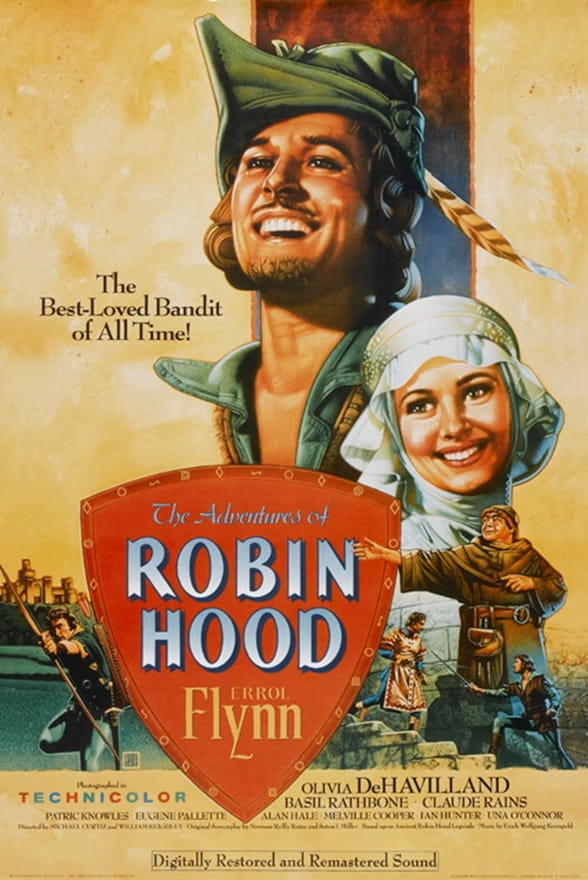
Comparisons were often drawn to other historical dramas and Westerns. The original review astutely likens Scott’s "Robin Hood" to Kevin Costner’s "Wyatt Earp" (1994) – a somber, historically accurate, and often flat portrayal – as opposed to the more vibrant, entertaining "Tombstone" (1993). Similarly, it contrasts Scott’s vision with Kevin Costner’s earlier, more commercially successful "Robin Hood: Prince of Thieves" (1991), which, despite its historical inaccuracies and occasional silliness, embraced a sense of fun and adventure. The enduring shadow of Errol Flynn’s "The Adventures of Robin Hood" (1938), a technicolor masterpiece of heroism and romance, also loomed large, shaping audience expectations that Scott’s grittier take deliberately subverted.
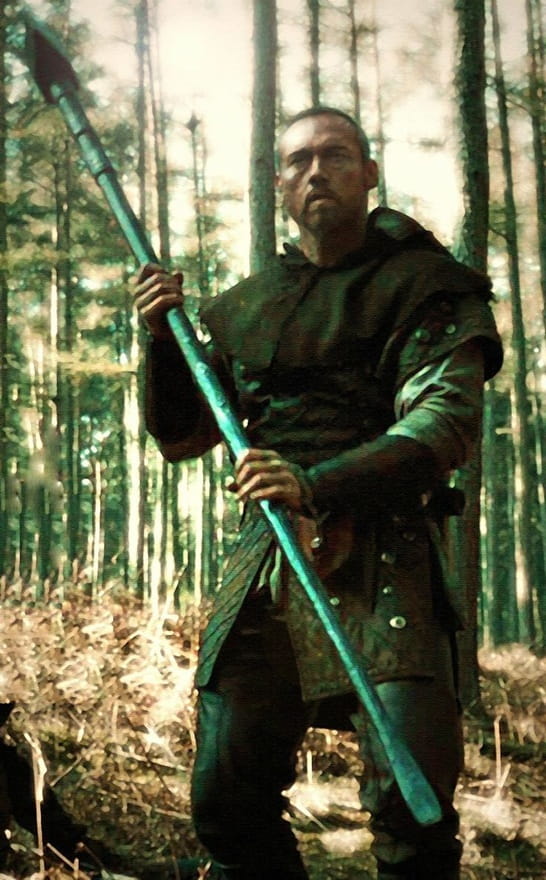
Audiences, it seems, came to the cinema expecting a familiar hero who was already robbing from the rich and fighting the Sheriff of Nottingham. Instead, they were presented with a complex, character-driven origin story focused on political upheaval and identity formation. This mismatch between expectation and delivery largely contributed to its divisive reception.
Official Responses and Missed Opportunities: A Planned Trilogy Unfulfilled
The unconventional nature of "Robin Hood" was not an accident but a deliberate creative choice by Ridley Scott and Brian Helgeland. Scott, known for his grand historical epics, sought to bring a fresh perspective to a story that had been told countless times. His vision was to strip away the romanticized notions and present a more grounded, brutal, and historically plausible account of the character’s genesis. The film’s thematic connections to "Kingdom of Heaven" underscore Scott’s interest in exploring how ordinary individuals rise to extraordinary circumstances in periods of immense historical change.
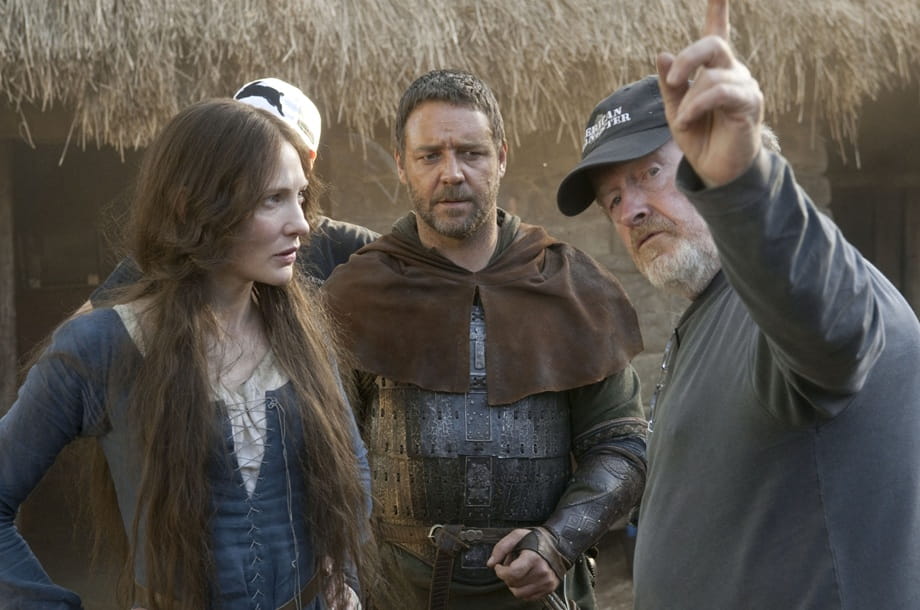
Russell Crowe, the film’s star, confirmed in 2026 that the original plan was for "Robin Hood" to be the first installment in a planned trilogy. This initial film would establish Robin Longstride’s journey from a disillusioned archer to the legendary outlaw, with subsequent films exploring the more familiar adventures of Robin Hood and his Merry Men in Sherwood Forest. This context is crucial for understanding the film’s ending, which, rather than providing closure, acts as a definitive springboard for future narratives. The line, "And so the legend begins," was not merely a stylistic flourish but a literal promise of stories yet to be told.
Unfortunately, the film’s underperformance at the box office meant that the financial thresholds necessary to trigger these sequels were not met. This outcome left many viewers, especially those who appreciated the film’s unique approach, with a sense of incompleteness. The ambitious narrative arc envisioned by Scott and Helgeland, which aimed to earn the legend rather than simply portray it, was cut short. The film’s "downer" ending, with Robin declared an outlaw and forced into the woods, was intended as a setup for future triumphs, but without those follow-ups, it inadvertently contributed to the perception of a less satisfying conclusion.
The cast, a formidable ensemble of talent, delivered strong performances that hinted at the potential for richer character development in sequels. Mark Strong excelled as the sinister Sir Godfrey, a medieval English villain par excellence. Cate Blanchett brought a fierce independence and intelligence to Maid Marian, transforming her from a damsel in distress into a capable partner. Oscar Isaac’s portrayal of Prince John was a particular standout; his "ridiculously evil and treacherous" King John, with his scenery-chewing arrogance and petulance, provided a compelling antagonist who was both detestable and captivating. Even supporting players like Max von Sydow as Sir Walter Loxley and a young Matthew Macfadyen as the Sheriff of Nottingham (though barely appearing) demonstrated the film’s commitment to quality acting. The underutilization of characters like William Hurt’s, who merely "spends a lot of time looking on in disappointment at Prince John’s missteps, but does nothing," highlights the challenges of balancing a large ensemble and an expansive narrative within a single film that was designed to be part of a larger story.
Implications: A Flawed Gem in Scott’s Oeuvre
"Robin Hood" (2010) stands as a fascinating, albeit flawed, entry in Ridley Scott’s distinguished filmography. It embodies his signature style: meticulous historical detail, epic battle sequences, a grounded and often brutal realism, and a focus on characters grappling with questions of identity and moral duty. While it eschews overt fantasy elements, its central figure, a commoner who rises to mythical status through valor and integrity, firmly places it within the realm of "Sword & Sorcery-adjacent" cinema, where heroic deeds and political intrigue replace overt magic.
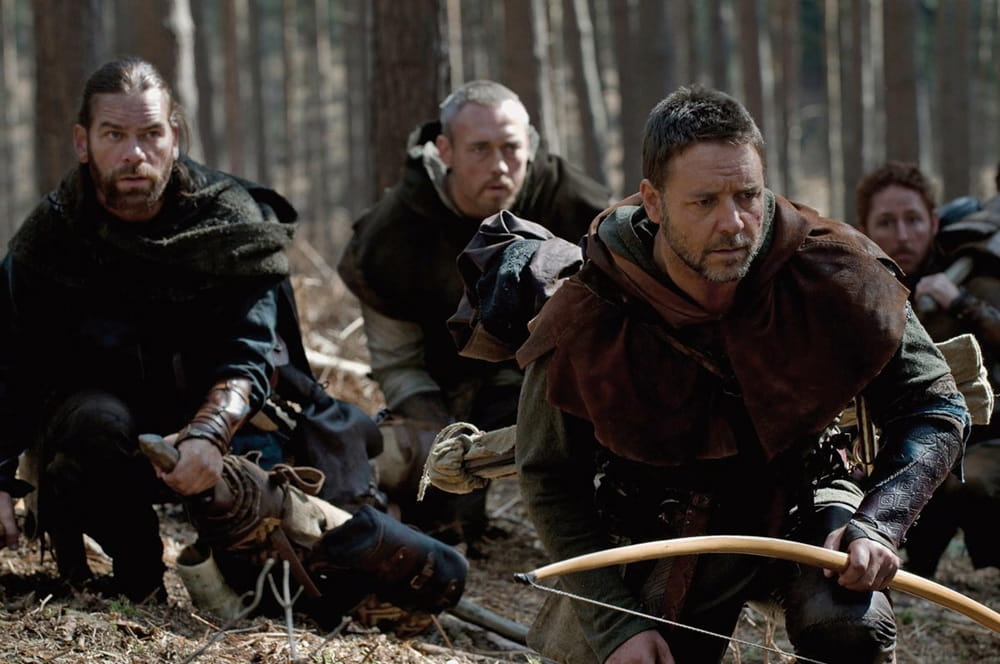
The film’s primary implication is a cautionary tale about audience expectations and the challenges of reimagining beloved myths. By choosing to tell the origin of Robin Hood rather than the legend itself, Scott gambled on an audience willing to invest in a slow-burn narrative that deferred gratification. For many, this gamble didn’t pay off; they craved the familiar heroics and lighthearted escapism that previous iterations had offered. The film’s commitment to a more somber, politically charged tone, while artistically defensible, alienated those seeking a more traditional adventure.
Despite its commercial and critical struggles, "Robin Hood" offers several compelling merits. It provides a unique, revisionist take on a character often portrayed superficially. Russell Crowe’s Robin Longstride is a refreshingly pragmatic, competent, and charismatic leader, whose transformation from a cynical archer to a principled champion of justice feels earned. The film’s exploration of medieval politics, the burgeoning concept of individual rights (foreshadowing the Magna Carta), and the socio-economic pressures of the era adds a layer of depth rarely seen in Robin Hood adaptations.
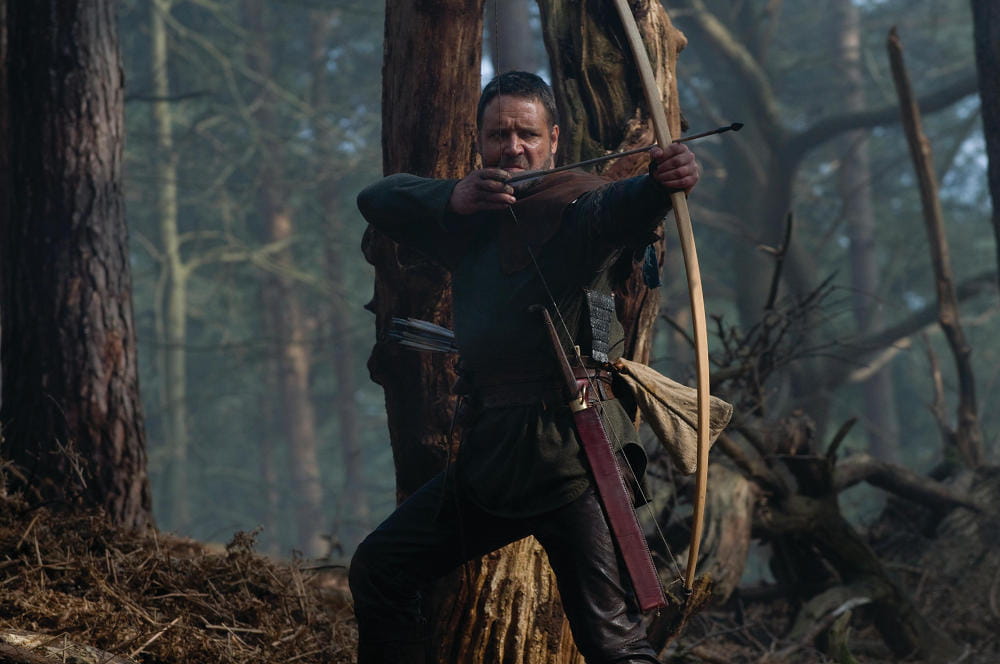
The unrated Director’s Cut, with its additional runtime, arguably allows for a more comprehensive appreciation of Scott’s vision, giving certain plotlines and character developments more breathing room. However, it also exacerbates the pacing issues, particularly the "dry middle" section where Robin and his companions settle into Marian’s farm, delaying the anticipated action and intrigue.
Ultimately, "Robin Hood" (2010) is a film that defies easy categorization. It is not the swashbuckling adventure many expected, nor is it a perfect historical epic. Instead, it is a brave, ambitious attempt to deconstruct and rebuild a legend from the ground up, a prequel to the myth we never knew we needed. It explores themes of identity, leadership, and the struggle for justice in a tumultuous age, all filtered through Ridley Scott’s distinctive, gritty lens. While it may not have delivered the "fun" critics sought, it offered a compelling, if incomplete, vision of how a simple archer named Robin Longstride might have become the legendary outlaw, earning his place in history and folklore alike. It reminds us that heroism is often forged not in pre-existing glory, but in the challenging crucible of defiant deeds against an arrogant and stubborn establishment. Put that in yer Magna Carta, ya bastards!

Leave a Comment