Bambu Lab Redefines Safety Standards with New Food-Contact Compliant PLA Filament
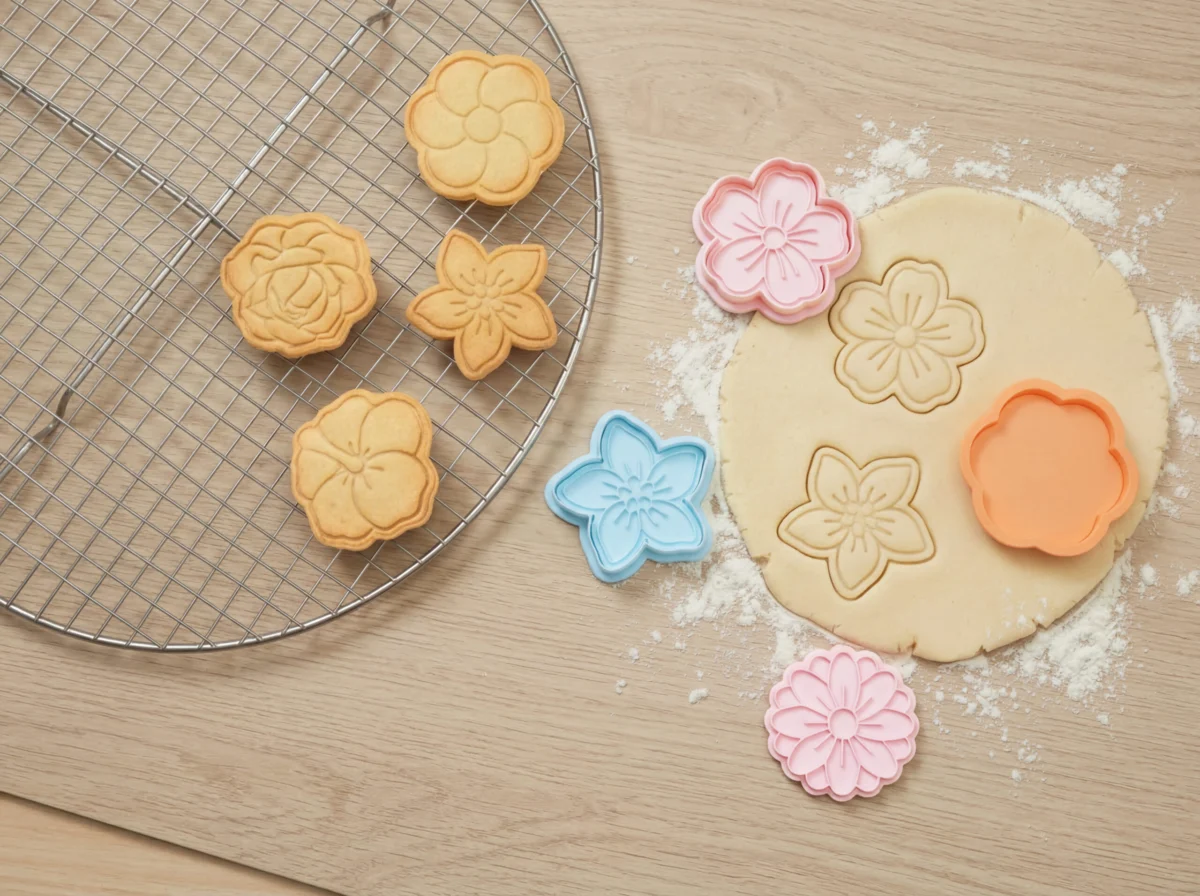
In a significant leap forward for the 3D printing industry, Bambu Lab has unveiled its groundbreaking PLA Pure filament, setting a new benchmark for indoor air quality and food-contact safety. This innovative material boasts certifications that align with stringent EU regulations, offering makers and businesses unprecedented peace of mind.
A New Era of Safety in 3D Printing
The world of 3D printing, while offering unparalleled creative freedom and rapid prototyping capabilities, has often operated in a gray area regarding safety. Concerns about airborne chemical emissions, potential fire hazards, and the presence of toxic raw materials have lingered, particularly for hobbyists and small businesses operating within their homes. Bambu Lab’s introduction of PLA Pure directly addresses these critical issues, providing a filament that meets rigorous safety standards previously unmet by many mainstream options.
The filament has achieved compliance with EU 10/2011, a pivotal regulation governing plastic materials and articles intended to come into contact with food. This certification signifies that PLA Pure has undergone extensive testing to ensure it does not transfer its constituents to food in quantities that could endanger human health, alter the food’s composition, or affect its sensory characteristics. Furthermore, the filament has successfully passed EN 71-3 certification, a crucial safety standard for toys, specifically focusing on the migration of certain hazardous elements. This dual certification makes PLA Pure an exceptionally attractive option for creators looking to produce items intended for children or those that may come into contact with food.
The Journey Towards Compliance: Understanding UKCA and EN 71-3
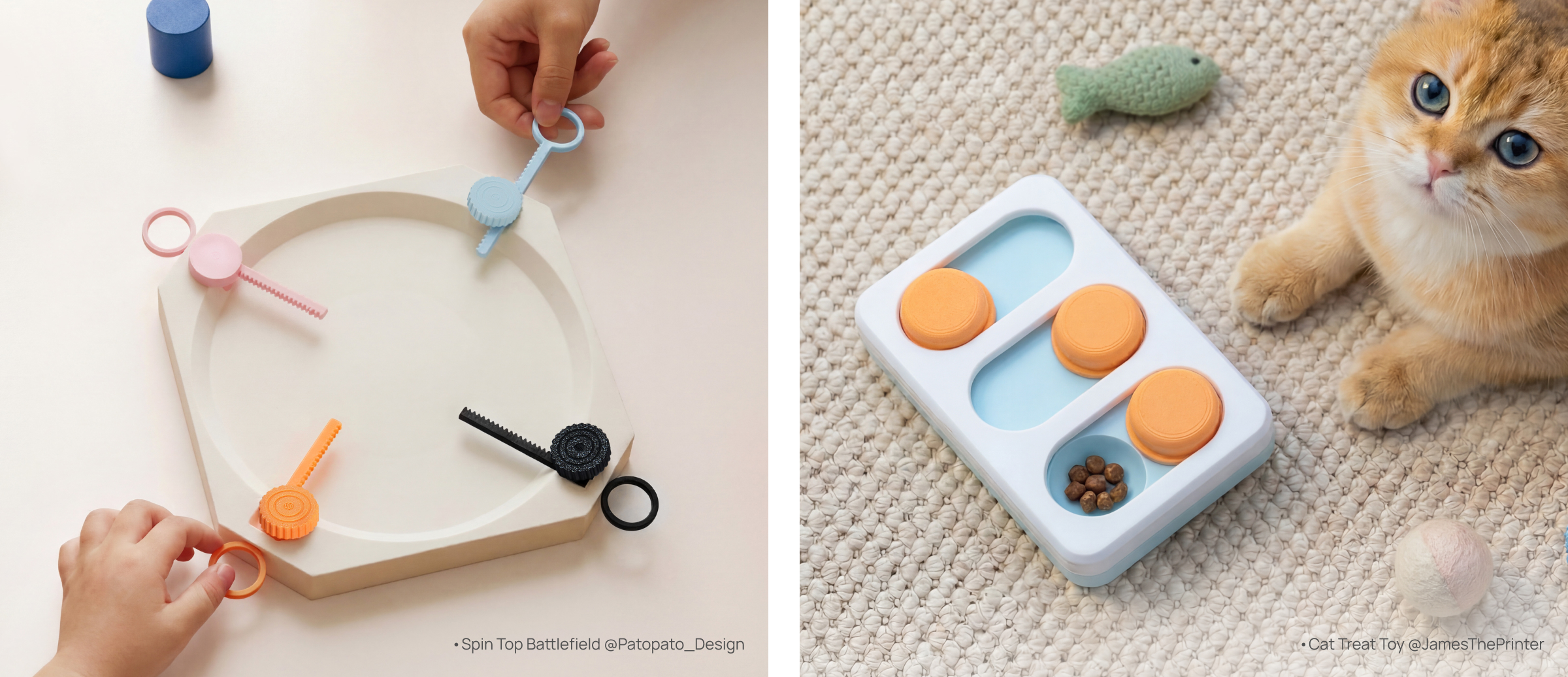
For makers, especially those in the UK, the concept of UK Conformity Assessed (UKCA) testing for 3D prints, particularly those with "play value" such as figurines or articulated toys, is becoming increasingly important. This legislation mandates that products placed on the market meet specific safety requirements. Historically, achieving such compliance has been a complex and often costly endeavor for individual creators.
The process typically involves self-testing and meticulous record-keeping. A significant component of this testing regimen is the filament’s safety for children, which is rigorously assessed through chemical testing under the EN 71-3 standard. Traditionally, obtaining an EN 71-3 certificate involved sending filament samples to specialized laboratories, a process that could incur substantial costs, often ranging from £30 per filament brand, not including specialized finishes like silk or matte. Some online communities and groups have attempted to streamline this by pooling resources for private testing, but the author notes that this can sometimes lead to inflated prices for documentation that should ideally be readily available from manufacturers.
Bambu Lab’s proactive approach in providing the EN 71-3 certificate for its new Pure PLA filament free of charge marks a significant departure from this norm. This accessibility dramatically lowers the barrier to entry for creators seeking to achieve UKCA compliance for their products, democratizing safety standards within the 3D printing community.
Bambu Lab’s Commitment: A Detailed Look at PLA Pure
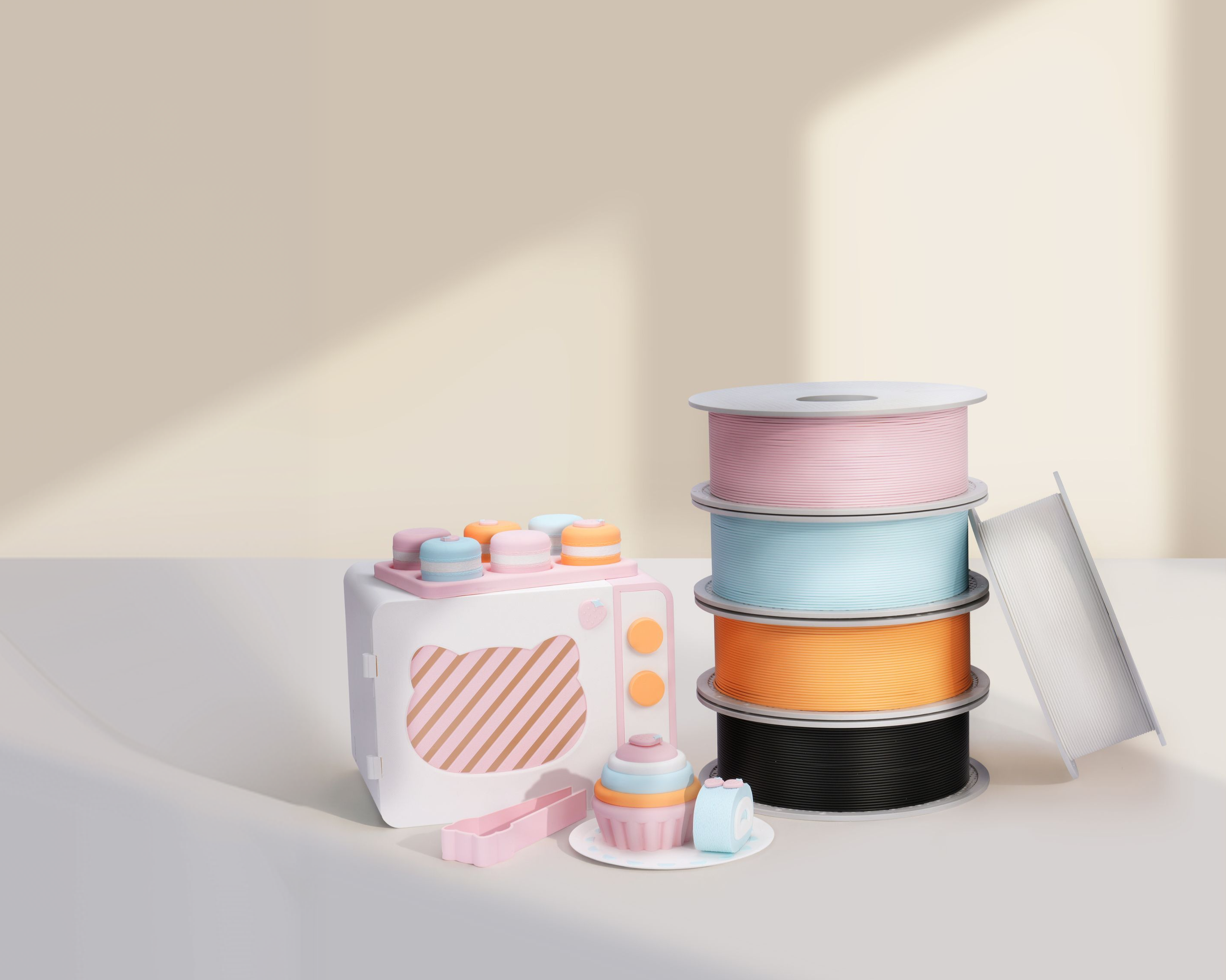
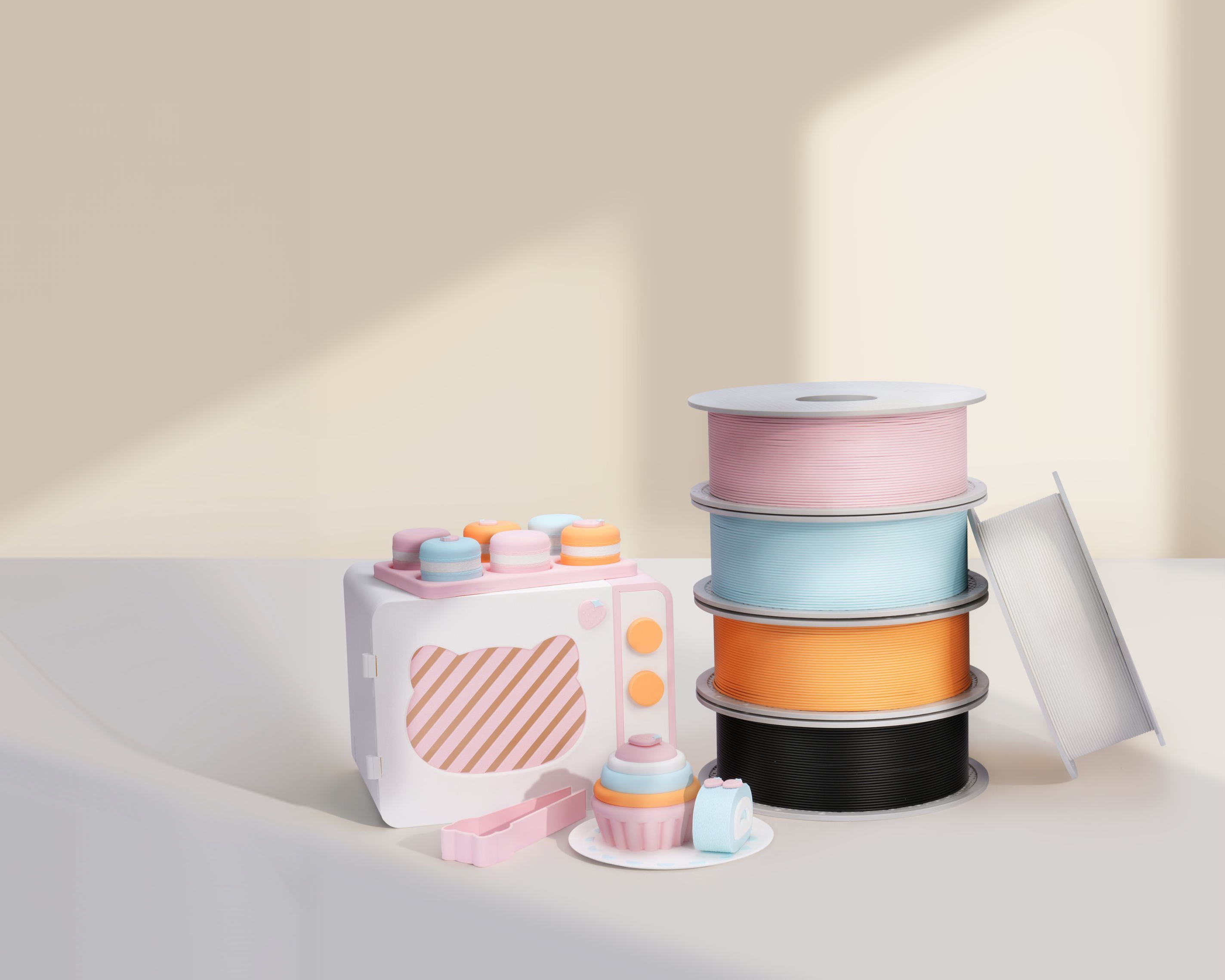
The new PLA Pure filament is priced competitively, with a full spool costing $24.99 / £22.99 and a refill option available for $21.99 / £19.99. It is currently offered in a palette of five appealing colors: Baby Blue, Milky Pink, Apricot, Pure White, and Absolute Black.
The technical specifications of PLA Pure underscore Bambu Lab’s dedication to safety and transparency. All ingredients within the filament are listed on the EU 10/2011 positive list for food contact materials, each accompanied by a traceable FCM (Food Contact Material) substance number. This meticulous documentation allows for complete traceability of the materials used.
Further demonstrating their commitment, Bambu Lab conducted emission testing for particles and Volatile Organic Compounds (VOCs) on their A1 and A2L 3D printers. This testing provides valuable data on the environmental impact of printing with PLA Pure, contributing to better indoor air quality management.
The core components of PLA Pure are derived from common, everyday materials, reinforcing its safety profile:
- PLA (Polylactic Acid): Sourced from renewable resources like corn and sugarcane, PLA is a biodegradable and bio-based plastic known for its ease of printing.
- Acrylic Copolymer: Commonly found in children’s toys, this additive contributes to the filament’s properties without introducing harmful substances.
- Color Pigments: These are standard pigments frequently used in baby tableware, ensuring their safety for contact applications.
- EBS (Ethylene Bis-stearamide): Derived from food packaging, EBS is utilized to enhance the filament’s performance and handling.
- Talc (Asbestos-Free): This mineral, commonly found in biodegradable drinking straws, is incorporated to improve the filament’s structural integrity.
Implications for Makers and the Industry
The introduction of Bambu Lab’s PLA Pure has profound implications for the 3D printing landscape. For individual makers and small businesses, particularly those in the UK and EU, the path to creating safe, compliant products has been significantly smoothed. The availability of a free EN 71-3 certificate from the manufacturer drastically reduces the financial and administrative burden associated with product certification. This empowers creators to confidently produce items for sale, including those intended for children, without the overwhelming hurdle of independent filament testing.
While PLA Pure provides a robust foundation for UKCA compliance, it’s crucial to remember that it is not a complete solution on its own. The UKCA marking process also necessitates meticulous record-keeping of batch numbers for product recall purposes and physical testing to assess flammability (EN 71-2) and mechanical safety (EN 71-1). This includes evaluating for small parts, choking hazards, and sharp edges that could pose risks to children.
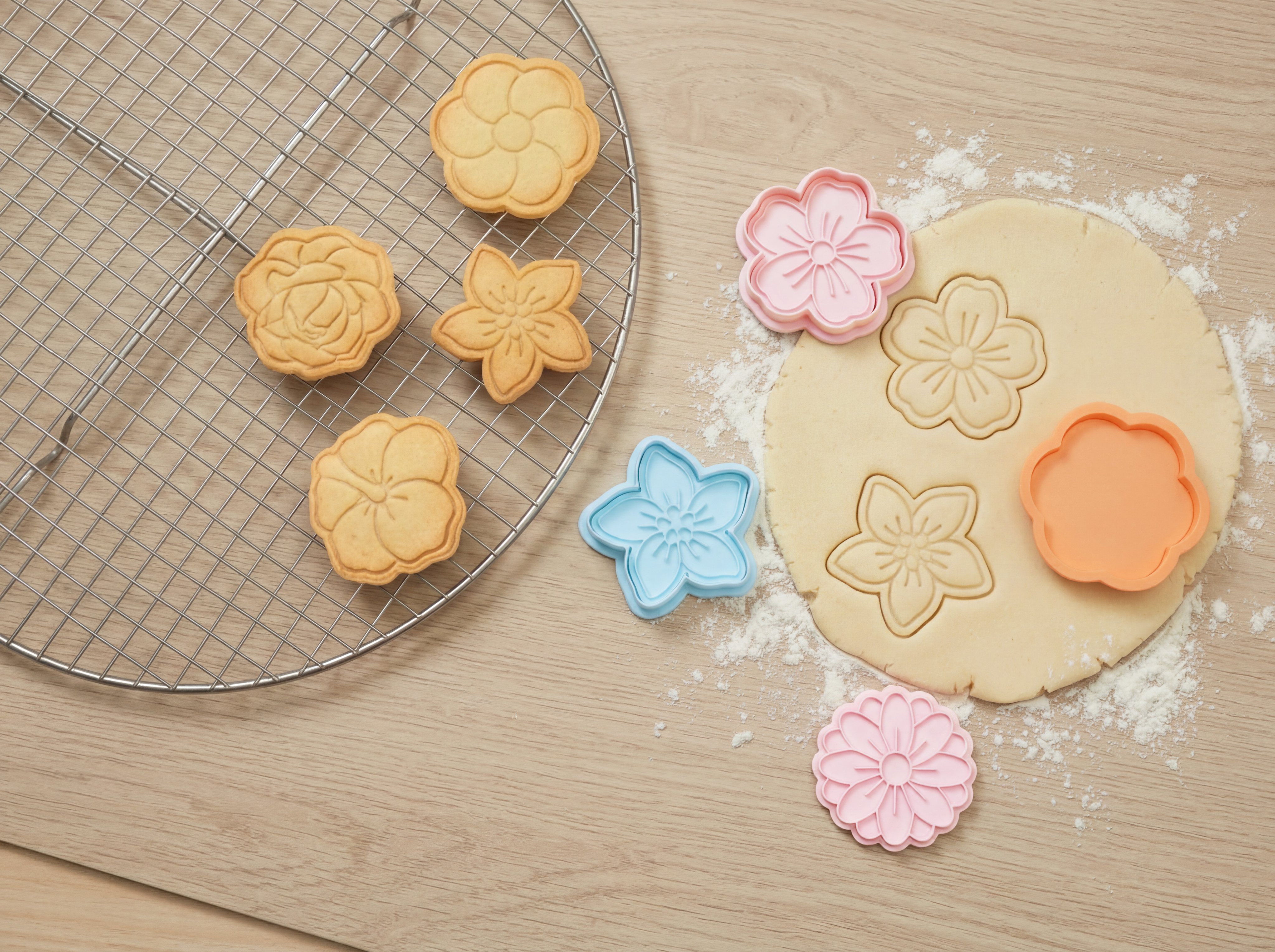
However, by eliminating the cost and complexity of filament certification, Bambu Lab has removed a significant roadblock. As stated by Bambu Lab, "PLA Pure provides a fully documented ingredient profile, but the rest of the decisions are yours to make with confidence." This sentiment highlights the shared responsibility between material manufacturers and product creators in ensuring end-product safety.
The move by Bambu Lab is likely to set a new precedent within the 3D printing materials sector. As awareness of health and safety concerns grows, consumers and regulatory bodies will increasingly demand greater transparency and certified safety from filament manufacturers. Companies that can demonstrate a commitment to these standards, like Bambu Lab has with PLA Pure, will undoubtedly gain a competitive edge and foster greater trust within the global maker community.
The author’s personal experience navigating the complexities of UKCA compliance underscores the value of such initiatives. The sheer volume of paperwork and the nuanced understanding required for self-certification can be daunting. Bambu Lab’s responsible approach, by providing certified materials, significantly simplifies this process and demonstrates a commitment to supporting both home users and small businesses in their pursuit of safe and compliant 3D printed products.

In conclusion, Bambu Lab’s PLA Pure is more than just a new filament; it represents a significant step forward in establishing responsible manufacturing practices within the 3D printing industry. By prioritizing food-contact compliance and toy safety, Bambu Lab is not only enhancing the usability of its products but also fostering a safer and more trustworthy environment for innovation and creativity.