Marvel Super Heroes Limited: A Surprising Blend of Strategy and Superhero Flair
Polygon.com | Published June 23, 2026, 8:00 AM EDT
By Francesco Cacciatore
The allure of a major competitive Magic: The Gathering event is multifaceted. For some, it’s the thrill of testing their mettle against a field of skilled players, a proving ground for their metagame knowledge. For others, it’s a vital step in preparation for even larger, more significant tournaments on the horizon. And then there are those, like myself, who find a compelling reason to immerse themselves in the cool, air-conditioned sanctuary of a downtown hotel, escaping the summer heat for a full day of strategic card play. This past weekend, a confluence of these motivations propelled me to the Marvel Super Heroes showcase event, where I participated in a highly competitive win-a-box Sealed tournament.
The Marvel Super Heroes Showcase: More Than Just a Tournament
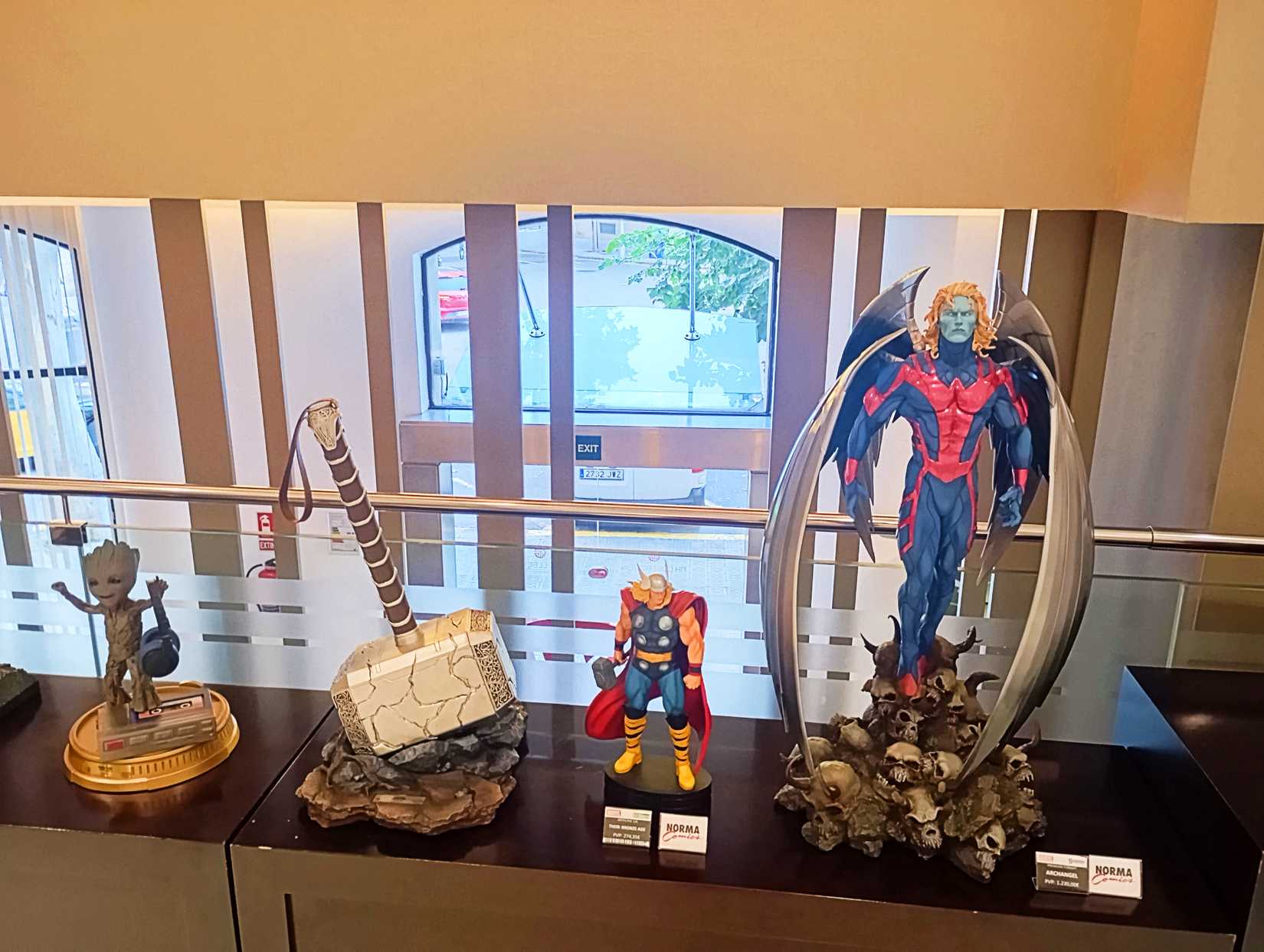
Organized by Magic Barcelona, a prominent European hub for trading card games, the Marvel Super Heroes showcase was an ambitious weekend-long affair. It promised a vibrant tapestry of tournaments, engaging cosplay, appearances by celebrated artists, and much more. This event served as an excellent platform to celebrate the newest Magic: The Gathering set and foster a sense of community among local players. For me, the immediate objective was to hone my Sealed play skills in preparation for MagicCon: Amsterdam, where I’m slated to compete in a Limited Pro Tour qualifier. Consequently, I registered for Saturday’s win-a-box Sealed tournament, the more intensely competitive of the two Sealed events scheduled for the day.
The atmosphere buzzed with excitement, a palpable energy radiating from the rows of tables where players meticulously constructed their decks. The convention center, a sprawling expanse of air-conditioned comfort, provided a welcome respite from the external heat. However, my personal journey through the tournament was far from smooth sailing initially. My early experiences with the Marvel Super Heroes set on Magic Arena had been disheartening, a series of defeats that left me questioning my understanding of the format and even prompted me to forgo my usual prerelease guide for Polygon, feeling I had little valuable insight to offer. While my physical prerelease on Friday yielded a 3-1 record, it was largely attributed to fortunate pairings and less experienced opponents. My black-red Villains deck, the cornerstone of my strategy, felt decidedly underwhelming. It lacked the crucial early-game creatures needed for an aggressive approach and struggled with consistency and impactful late-game threats. Therefore, my spirits were less than buoyant when, upon opening my Sealed pool on Saturday, I discovered that I was once again tasked with constructing a black-red Villains deck.
The Perils of Stubbornness: Reassessing a Flawed Strategy
As anticipated, the deck’s performance mirrored my earlier anxieties. I stumbled through my first game, ultimately succumbing to my opponent’s strategy. The second game ended in a draw, a tense battle that highlighted the deck’s inherent limitations. Had the match continued, victory would likely have eluded me, as my opponent’s deck possessed a more coherent game plan. A swift victory in the third game, while welcome, primarily served to grant me precious time to re-evaluate my pool and explore alternative deck configurations.

This experience underscored a pivotal lesson learned from the event: the critical importance of not becoming overly attached to an initial deck choice. If a constructed deck doesn’t feel right, and there’s still time for adjustments, players should not hesitate to rebuild. Especially in the nascent stages of a new set’s release, misjudging individual cards, archetypes, or the overall dynamics of Limited play is a common pitfall. In my case, it became increasingly clear that tempo-oriented strategies were proving significantly more potent within the Marvel Super Heroes Limited environment. The prevailing wisdom seemed to favor deploying strong, early threats and supporting them with an arsenal of efficient, low-cost spells. With this newfound perspective, I delved back into my pool, seeking to assemble a more viable strategy.
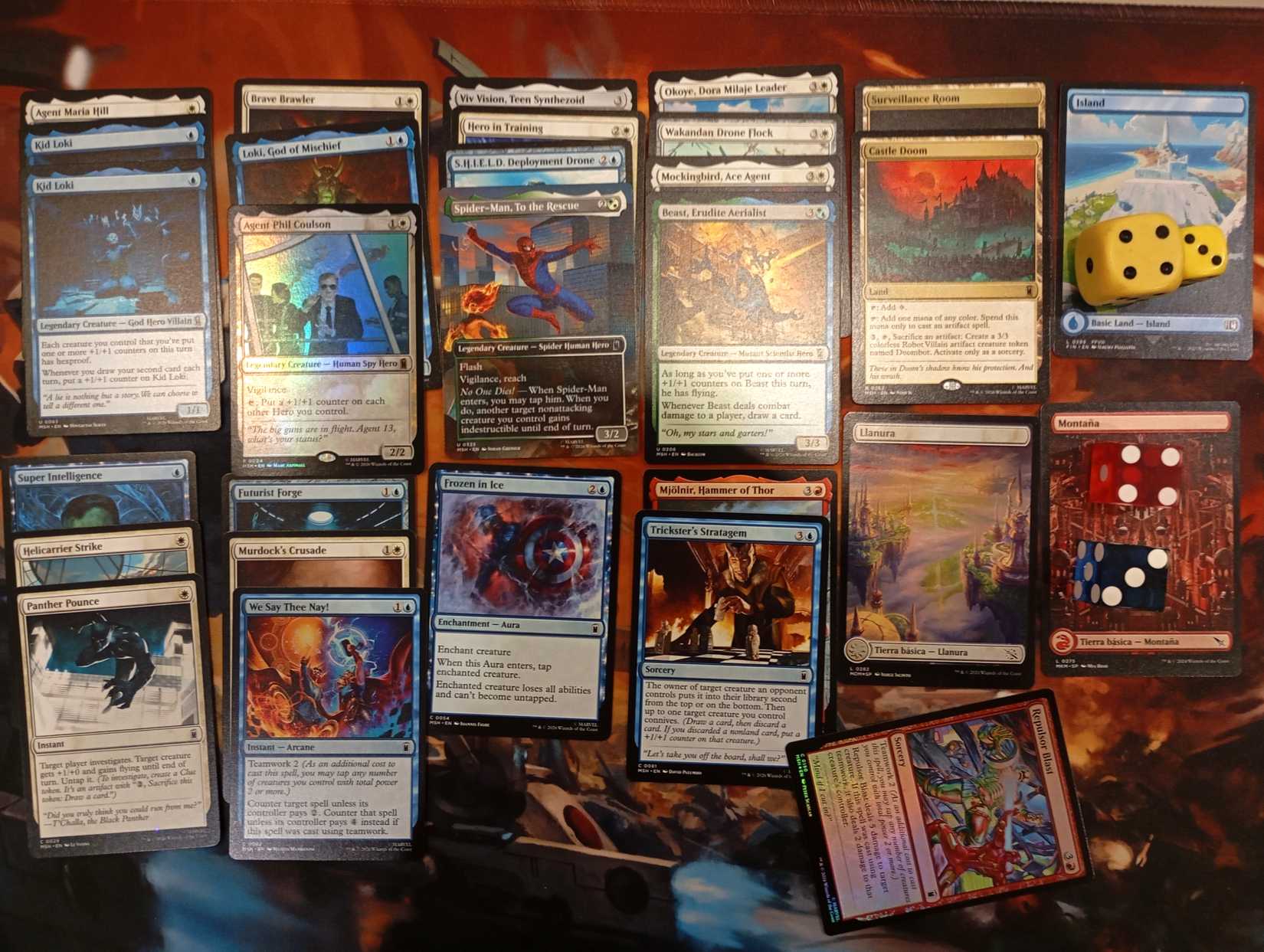
The resulting deck, while unconventional and perhaps not advisable for every player, proved surprisingly effective. It enabled me to leverage my strongest card, Agent Phil Coulson, and incorporate several niche, high-risk, high-reward plays, such as "Super Intelligence." While I wouldn’t categorize this as a universally "good" deck, its success in the tournament was undeniable. I secured three consecutive victories, transforming my initial 1-1-1 standing into a respectable 4-1-1, which earned me a coveted spot in the top 8 playoffs, a Draft segment of the competition. My wins were predominantly driven by a rapid board presence, often initiated by an early deployment of Kid Loki or Agent Coulson. In one memorable instance, I secured a victory by playing Kid Loki and subsequently using "Super Intelligence" on him. This powerful combination allowed me to draw two cards each turn while simultaneously increasing Loki’s power and toughness with +1/+1 counters. Crucially, he also gained hexproof for the turn, rendering him impervious to immediate removal. While this strategy is undeniably niche, its efficacy in that specific match was a testament to its potential, proving that sometimes, unconventional approaches yield remarkable results.
The Draft Dilemma: When Familiarity Breeds Contempt (for Strategy)
The Draft portion of the top 8 presented a different set of challenges. In my first Draft pack, I was presented with a mediocre rare alongside two potent uncommons: Night Nurse, Healer of Heroes, and Hulk, Gamma Goliath. After nearly six hours of intense play, my mental faculties were somewhat fatigued. My immediate thought, a Pavlovian response to these powerful green and red cards, was "Gruul games go fast," or more thematically, "Hulk smash!" This, however, is a cardinal sin in Draft. A successful Draft strategy hinges on adaptability, on identifying and pivoting towards the most open archetype. In this particular pod, an exceptionally strong blue-black Villains deck was circulating, presenting a clear and advantageous path. Instead, I found myself committed to a red-green "Power-up" deck, an assemblage of cards that, while individually competent, suffered from a critical flaw: at least three other players at the table were also drafting green. This meant that many of the crucial green cards I needed were being snatched up before they could reach me, leaving my deck with significant gaps in its synergy and power.
Despite this suboptimal start, I found certain cards within the red-green archetype to be particularly valuable. Cards like Misty Knight, Hero for Hire, Jessica Jones, Private Eye, and the utility land Baxter Building provided a much-needed source of card advantage and selection, elements that this particular style of deck often struggles to incorporate effectively. However, the deck was demonstrably lacking in ramp capabilities – a card like Undercover Skrull would have been a premium addition – and lacked true "bombs," game-ending threats. While Wolverine, Fierce Fighter, is a solid card, it falls short of the game-altering impact expected from a top-tier finisher.
Yet, once again, my initial assessment proved to be an oversimplification. Both of my Draft matches were against green-white Heroes decks. This pairing was fortuitous, as it meant that these opponents were inadvertently depleting each other’s drafting pools for the very colors I was contending with. My first game was a decisive victory. The second match, however, proved to be a more arduous affair. Fortunately for me, my opponent never managed to draw the powerful Avengers Assemble! card, which I had opened in my third pack and, in a moment of strategic misjudgment, passed to them.
Lessons Learned: Embracing Flexibility and Avoiding Rigidity
Against all odds, I found myself in the tournament’s final match. The clock had ticked past 8 p.m., and with both myself and my opponent weary from a long day of play, we mutually agreed to a handshake and a prize split. The allure of the hotel’s air conditioning was strong, but the promise of a well-deserved treat from the town’s finest ice cream establishment beckoned.
The day had been a crucible of learning. In Draft, the mantra should always be: do not be beholden to your initial picks. Flexibility is paramount. Similarly, in Sealed, stubbornness can be a deck builder’s undoing. The initial choices made, whether concerning specific cards or the overall deck strategy, should always be open to revision. While professional players, with their extensive practice and deep understanding of the metagame, can often construct the optimal deck within the allotted time, the rest of us mortals may require a second or even third attempt to achieve true deck synergy.
Conversely, it’s equally important not to fall into a spiral of insecurity after a single loss. A defeat does not automatically invalidate the quality of a deck. I observed a friend with an objectively strong blue-green deck in his pool. After dropping his first game, he impulsively decided to incorporate another color, a decision that ultimately led to a significantly worse tournament outcome.
The Evolving Metagame: Creatures and Tempo Reign Supreme
My perception of the Marvel Super Heroes Limited format may continue to evolve as the metagame matures. However, my current assessment is that the format is heavily skewed towards creature-based strategies and tempo-oriented play. The key to success appears to lie in establishing an early board presence efficiently and consistently, while prioritizing cheap, disruptive spells to control the pace of the game and hinder the opponent’s development.
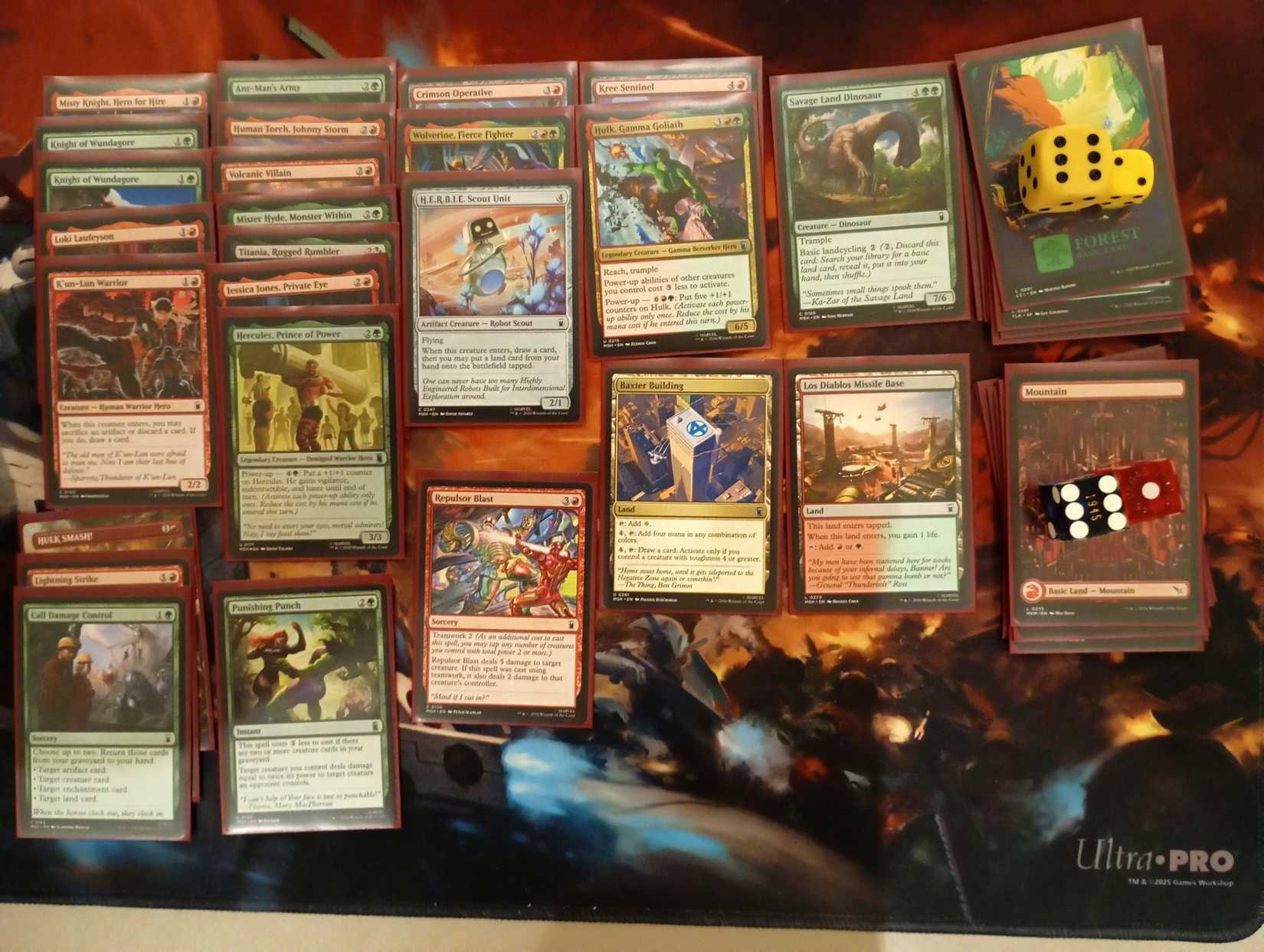
As the prerelease period concludes and players delve deeper into the intricacies of the Marvel Super Heroes set, I hope that fellow Magic enthusiasts have found as much enjoyment in this release as I have. While my personal affinity for "Universes Beyond" products can be somewhat reserved, I must concede that the nostalgic Marvel fan within me experienced moments of genuine delight while examining the cards. Wizards of the Coast, it seems, has once again succeeded in capturing player interest, and for that, they deserve credit.