The Watcher: A Deep Dive into a Surveillance Thriller That Promises to Unsettle
[City, Date] – In a gaming landscape increasingly saturated with high-octane action and expansive open worlds, a new title is emerging from the shadows, promising a more intimate, unsettling, and intellectually stimulating experience. "The Watcher," developed by the self-proclaimed "small indie studio that makes games nobody asked for, but everyone will love," is poised to challenge players with its unique premise: becoming an agent of a totalitarian state tasked with surveilling a neighboring apartment building. This Unreal Engine-powered simulation delves into the dark art of observation, demanding meticulous deduction and raising profound ethical questions about privacy, state control, and the very nature of truth.
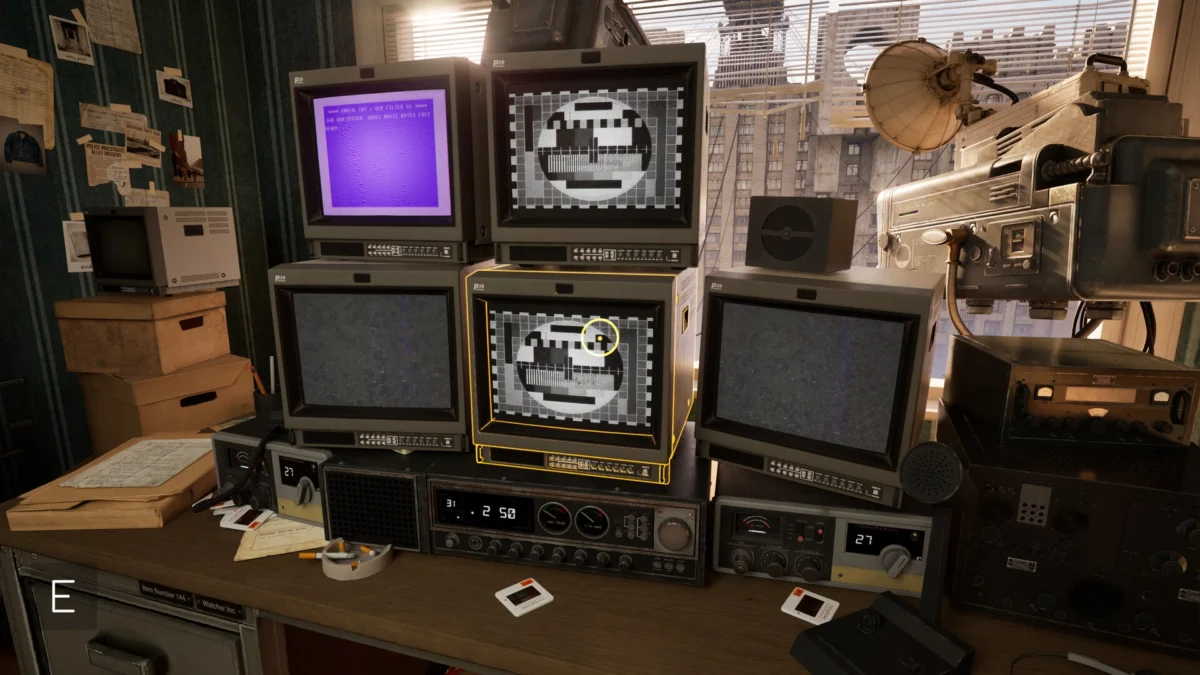
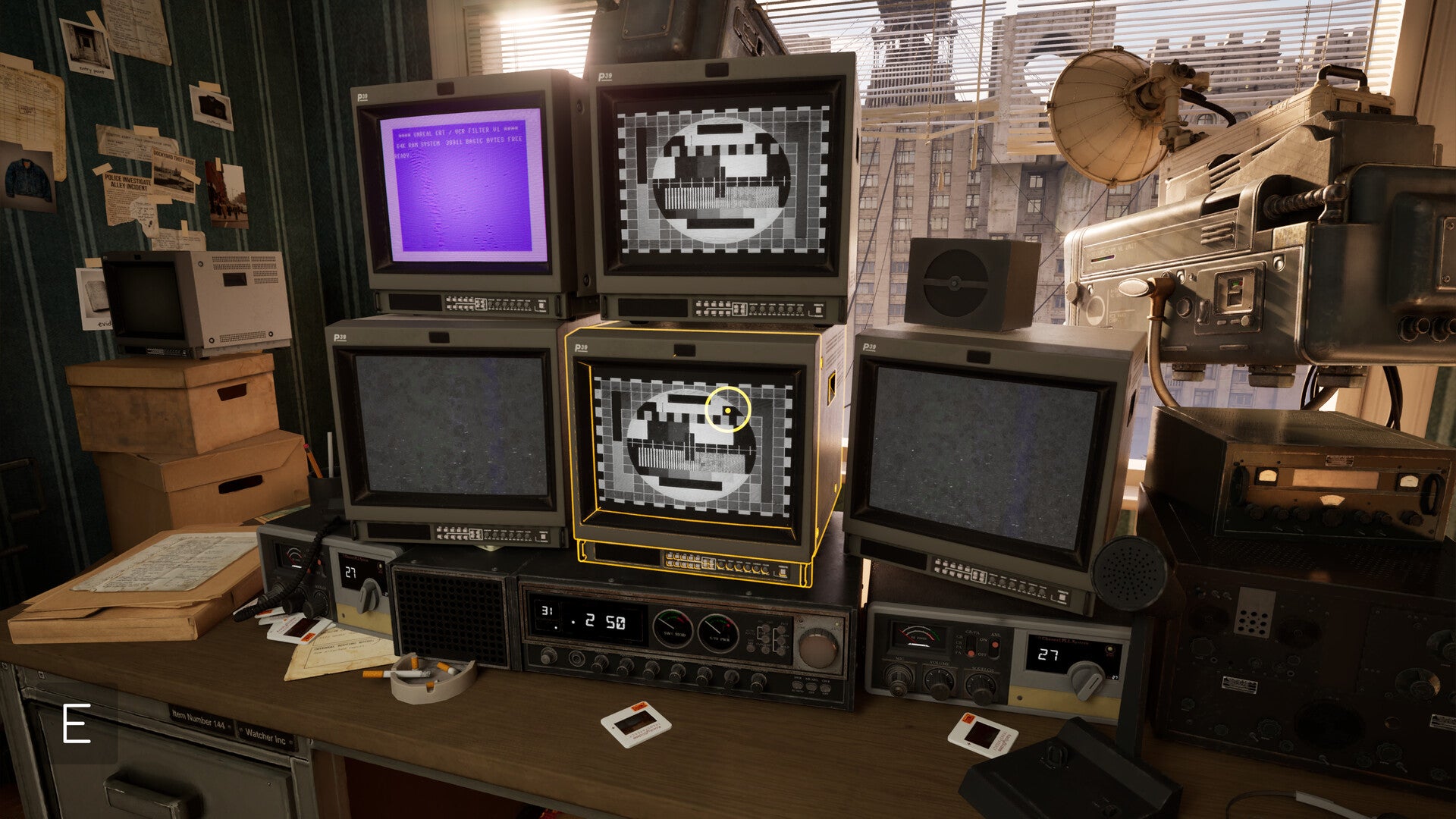
The game draws a stark parallel to the clandestine operations of real-world intelligence agencies, albeit filtered through a darkly satirical lens. Players will inhabit the role of a "stooge" for a fictional totalitarian regime, the "Great State of Nodia," a name that immediately evokes an atmosphere of oppressive conformity. From a dedicated surveillance room, equipped with a growing arsenal of observational tools, players will meticulously track the lives of unsuspecting residents. The core gameplay loop revolves around capturing photographic and video evidence, intercepting and purifying audio recordings, and painstakingly assembling this disparate information onto a central evidence board. Each clue, photograph, and whispered conversation becomes a piece of a larger puzzle, leading players to uncover secrets, identify deviations from the norm, and ultimately, influence the fates of those under their watchful gaze.
Unpacking the Premise: More Than Just Peeping
While the immediate allure of "The Watcher" might be its voyeuristic nature, the game aims to transcend simple titillation. The developers emphasize that "every decision about what to report, and how to report it, ripples out to affect the fates of the building’s residents." This suggests a complex web of consequences, where a seemingly minor observation could have profound implications for the lives of the individuals being monitored. The game actively challenges players to confront the moral ambiguities of their role, constantly prompting them to question the reliability of the information they gather and the inherent biases that can color perception.
The visual design, as hinted at in early promotional materials, leans into a stark and unsettling aesthetic. The inhabitants of the observed apartments are described as appearing like "eyeless mannequins," a deliberate choice that dehumanizes the targets and underscores the cold, detached nature of the surveillance operation. This visual metaphor serves to amplify the psychological impact of the game, forcing players to grapple with the ethical implications of treating human lives as mere data points.
A Glimpse into the Gameplay Mechanics: The Art of Deduction
"The Watcher" is not about fast reflexes or explosive combat. Instead, it thrives on patience, attention to detail, and a keen analytical mind. The press release details a system where players will:
- Set up and upgrade a personal surveillance room: This implies a progression system where players can unlock new equipment, enhance existing tools, and customize their operational hub. Upgrades could range from more powerful lenses and advanced audio filters to more sophisticated data analysis software.
- Capture photos and video: This is the fundamental act of evidence gathering. Players will need to strategically position their cameras and time their recordings to obtain the most crucial visual information.
- Intercept and clean up audio recordings: Sound plays a vital role, and the ability to isolate and clarify conversations will be paramount. This suggests a mini-game or puzzle element related to audio manipulation.
- Pin evidence, photographs, recordings, clippings, and dossiers to a growing evidence board: This is the central hub for player deduction. The evidence board will serve as a visual representation of the player’s investigation, allowing them to connect disparate pieces of information and form hypotheses.
- Piece together the truth: The ultimate goal is to synthesize the gathered evidence into a coherent understanding of the residents’ lives and potential transgressions.
The success of "The Watcher" will hinge on its ability to make this meticulous process engaging. The developers face the challenge of translating the often tedious nature of real-world surveillance into a compelling interactive experience. The promise of uncovering secrets and influencing outcomes, however, provides a strong motivational hook.
The Spector Connection and the Nature of Simulation
The initial description of "The Watcher" evokes comparisons to the design philosophy of legendary game designer Warren Spector, particularly his concept of the "one city block" game. Spector’s approach often emphasizes emergent gameplay, player agency, and rich, detailed environments where players can explore and interact in numerous ways. While "The Watcher" focuses on a narrower scope – a single apartment building – the underlying principle of a densely populated and reactive environment where players can exert influence resonates strongly.
However, "The Watcher" adds a crucial layer of state-sanctioned control and ethical ambiguity that sets it apart. It’s not just about observing; it’s about judging and reporting, with the weight of a totalitarian regime behind those judgments. This elevates the game beyond a simple simulation of observation into a commentary on power structures and the manipulation of information.
Acknowledging the Trailer’s Impact: Balancing Tone and Narrative
The developers themselves acknowledge that early impressions, particularly from the announcement trailer, have garnered mixed reactions. The trailer, while showcasing the game’s core mechanics and premise, has been described as "cheesy" by some, with a protagonist who is perhaps a little too vocal and emotive. This raises a critical question for the game’s success: can "The Watcher" maintain its intended tone of eerie simulation and meticulous deduction, or will it veer into the territory of a more conventional, narrative-driven experience?
The concern is that an overly present and opinionated protagonist could detract from the player’s immersion and their ability to draw their own conclusions. As the original article notes, "I don’t need you to yell ‘WHAT THE’ when you find a strange box on your doorstep, my dude. I’m quite capable of feeling surprise without prompting." This sentiment highlights a desire for a more subtle and player-driven experience, where the tension and intrigue arise organically from the act of observation and deduction, rather than being explicitly telegraphed by an in-game character.
The developers’ stated goal is to create a game that is "eerie" and allows for "meticulous deduction." The fear is that the trailer might have leaned too heavily into a "spy-fi action movie" aesthetic, blurring the lines between a chilling simulation and a more bombastic narrative. Trailers, of course, are merely a glimpse, and it remains to be seen how the protagonist’s presence and dialogue will be integrated into the final game. The hope is that any vocalizations will be minimal, functional, and serve to enhance the atmosphere rather than dictate the player’s emotional response.
Supporting Data and Developer Vision: Yesterday’s Sandwich
"The Watcher" is the debut title from Yesterday’s Sandwich, an indie studio with a refreshingly self-aware and ambitious mission statement: "a small indie studio that makes games nobody asked for, but everyone will love. Or so we sincerely believe." This declaration suggests a studio unafraid to take risks and forge unique paths in the gaming landscape. Their commitment to creating something novel, even if it doesn’t fit neatly into pre-existing genre molds, is a promising sign for a game like "The Watcher," which clearly aims to defy expectations.
The choice of Unreal Engine for development suggests a commitment to high-fidelity visuals and robust environmental design, which will be crucial for creating a believable and immersive surveillance environment. The engine’s capabilities can bring the subtle nuances of light, shadow, and detail to life, enhancing the overall atmosphere of unease and observation.
The game is slated for release on PC, with a Steam page already available, offering further details and allowing players to wishlist the title. This provides a clear avenue for interested players to track its development and anticipate its launch.
Official Responses and Community Reception
As of this writing, there have been no official statements from Yesterday’s Sandwich addressing the specific criticisms or concerns raised about the trailer’s tone. However, their studio ethos suggests an openness to feedback and a dedication to refining their vision. The indie game development sphere often thrives on community engagement, and it is likely that the developers will be monitoring player reactions closely as development progresses.
The initial reception, based on the trailer and the game’s premise, has been one of intrigue and cautious optimism. The unique concept has certainly captured attention, and the promise of a game that prioritizes intellect and ethics over action is a welcome proposition for a segment of the gaming audience. The success of "The Watcher" will ultimately depend on its ability to deliver a cohesive and compelling experience that balances its ambitious narrative and gameplay mechanics.
Implications: The Ethics of Observation in Interactive Media
"The Watcher" arrives at a time when discussions surrounding privacy, surveillance, and the ethics of data collection are more prevalent than ever. By placing players in the role of a state-sanctioned observer, the game offers a unique opportunity to explore these complex issues through interactive gameplay. It forces players to confront the moral implications of their actions, the potential for abuse of power, and the erosion of individual privacy.
The game’s success could signal a growing appetite for titles that engage with mature and challenging themes, moving beyond escapism to provoke thought and introspection. "The Watcher" has the potential to be more than just a game; it could be a powerful tool for exploring the darker aspects of societal control and the individual’s role within it. As players meticulously piece together the lives of their unsuspecting neighbors, they will inevitably be forced to reflect on their own relationship with observation, privacy, and the unseen forces that shape our world. The lingering question remains: when the curtains are drawn back, what will we truly see, and what will we choose to report?