Global Phenomenon "KPop Demon Hunters" Faces Unexpected Legal Battle as Christian Metal Band Files Lawsuit
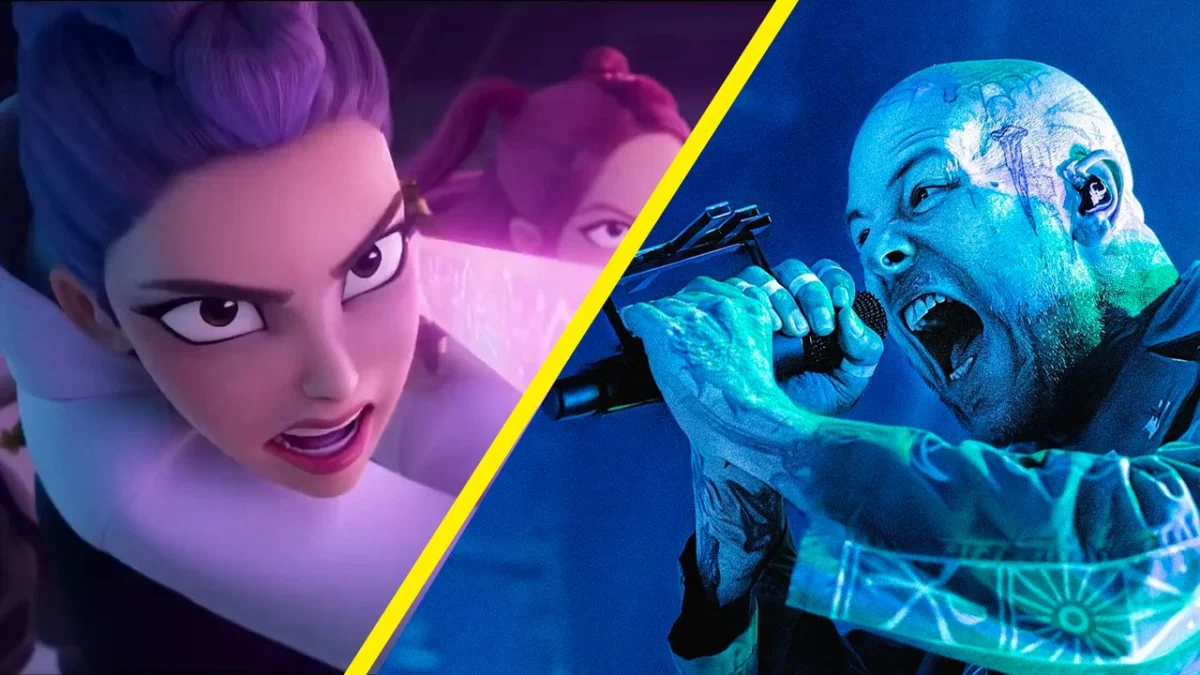
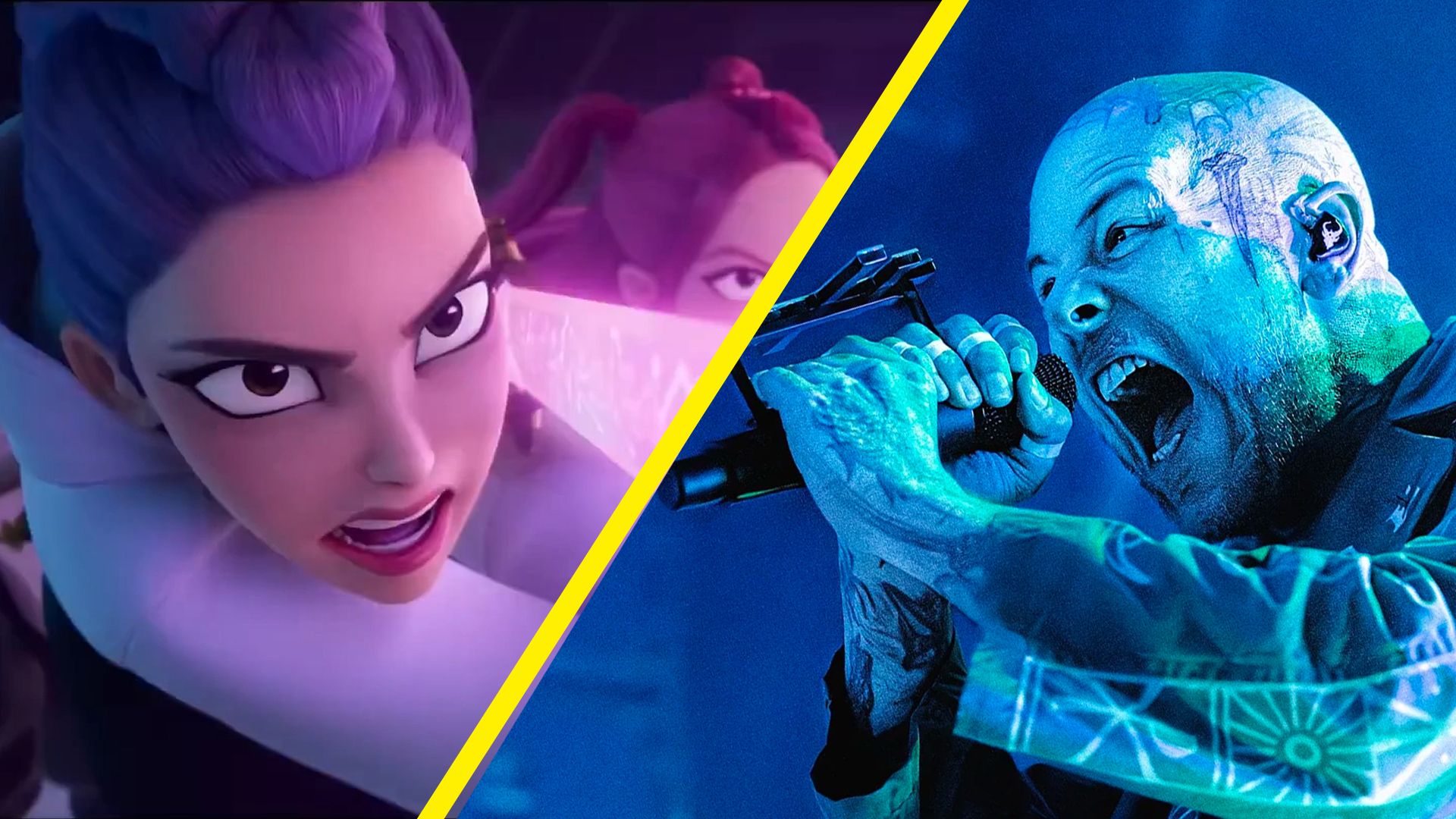
In a twist that has sent shockwaves through both the entertainment and music industries, Netflix’s record-breaking animated musical, "KPop Demon Hunters," is now embroiled in a legal dispute with a long-standing Christian metal band that shares the same name. The lawsuit, filed by Seattle-based Demon Hunter, alleges trademark infringement and a resulting "existential crisis" for the established band, threatening to overshadow the animated film’s triumphant reign as Netflix’s biggest original title to date and its recent Oscar win for Best Animation.
The Rise of a Global Sensation
Released in June 2025, "KPop Demon Hunters" quickly ascended to unprecedented levels of popularity. The vibrant, music-driven animation captivated audiences worldwide, propelling it to become Netflix’s most successful original production. Its critical acclaim culminated in a prestigious Academy Award for Best Animation earlier this year, solidifying its place in cinematic history. The film’s narrative, centered around a fictional K-Pop group battling supernatural forces, resonated deeply, spawning a massive fanbase and a significant cultural impact. The success was further amplified by a global tour and a soundtrack that dominated music charts, with the movie itself garnering over 648 million views.
A Decades-Old Name, A New Challenger
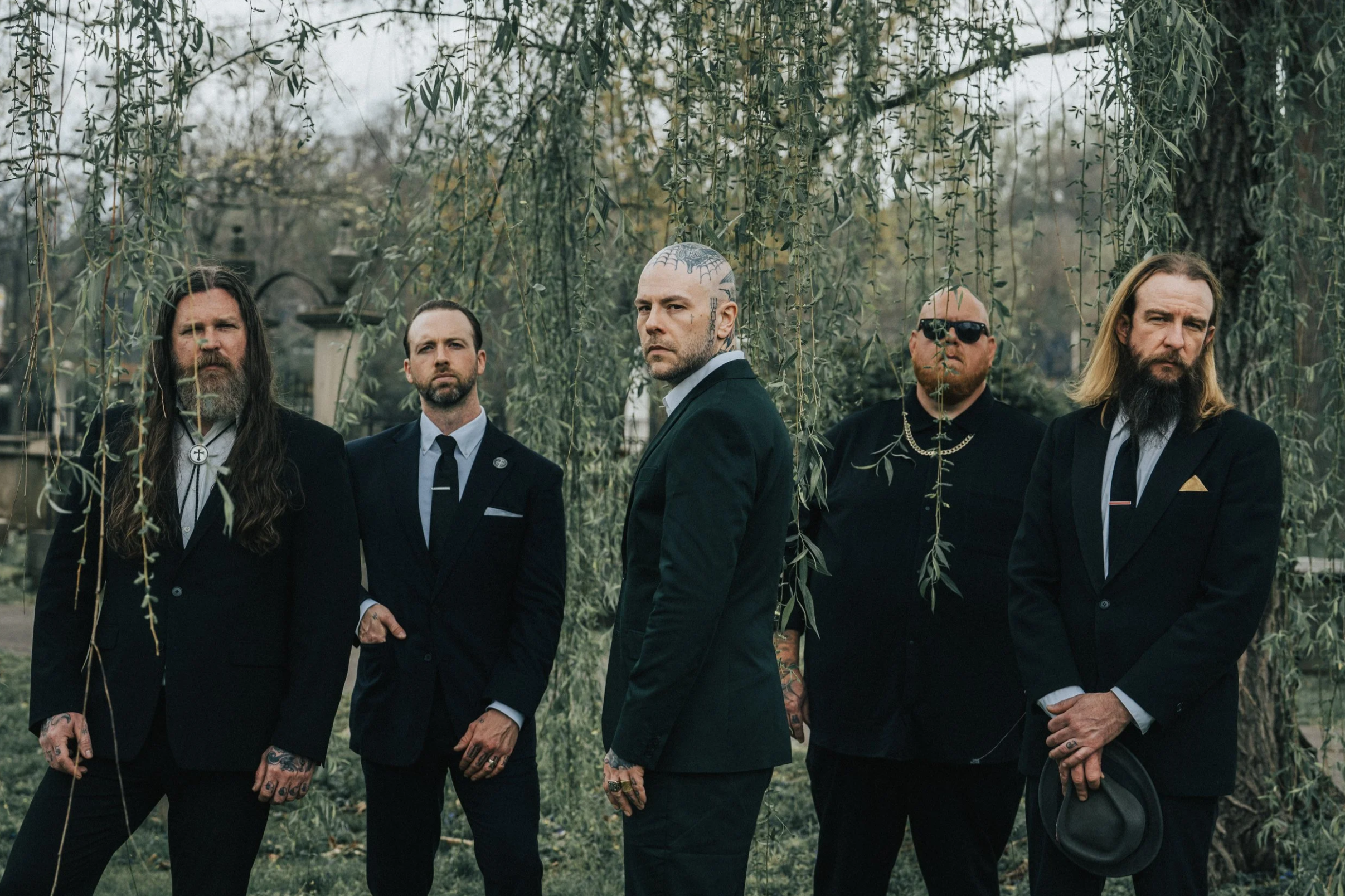
However, the meteoric rise of the animated "KPop Demon Hunters" has inadvertently collided with a real-world musical entity that has been wielding its own brand of "demon hunting" for over 25 years. Demon Hunter, a five-piece Christian metal band hailing from Seattle, has built a dedicated following with its distinctive sound and lyrical themes focused on spiritual warfare. For decades, they have operated under a name that is now at the heart of a contentious legal battle.
The Lawsuit Unveiled: Confusion and Existential Crisis
The band, operating through its corporate entity Hyde Lane, has initiated legal proceedings against Netflix and concert promoter AEG Presents. The lawsuit contends that the immense popularity and expansive marketing of "KPop Demon Hunters" have created significant market confusion, jeopardizing the established band’s brand identity and fan base. The complaint explicitly states that the defendants’ actions have caused the band an "existential crisis," forcing them to confront the potential erosion of their decades-long work and the goodwill they have cultivated.
The lawsuit details several instances illustrating the alleged confusion. One particularly striking example involves an individual who reportedly spent $500 on tickets for a Demon Hunter concert in New York, under the mistaken belief that they were purchasing entry to an event related to the animated K-Pop phenomenon. The subsequent demand for a refund highlights the tangible impact of this perceived misrepresentation. Furthermore, the band’s management has reported being contacted by television producers who believed the band to be affiliated with the Netflix production. Social media tags and mentions further compound the issue, with the band frequently being associated with the animated movie’s content.
Hyde Lane asserts that its established trademark on ‘Demon Hunter’ for recorded music and merchandise, dating back to 2022, has been effectively undermined. The company has also applied for a trademark covering live music performances. In contrast, Netflix has pending trademarks for ‘KPop Demon Hunters’ specifically for merchandise. The lawsuit argues that despite having established and invested in the ‘Demon Hunter’ mark for decades, Hyde Lane has been "forced to surrender control over its commercial identity" due to the defendants’ superior resources and market presence.
A David vs. Goliath Scenario?
The legal confrontation presents a stark contrast in scale. Demon Hunter, while a respected and successful act within its genre, boasts approximately 350,000 monthly listeners across its 12 albums. This figure pales in comparison to the colossal reach of Netflix’s "KPop Demon Hunters." The animated film’s cast commands an audience of 27 million monthly listeners, and its soundtrack has spawned multiple hit singles. The sheer viewership of the movie, exceeding 648 million, underscores the immense disparity in market penetration. This situation draws parallels to other high-profile intellectual property disputes, such as the Buc-ee’s logo lawsuit controversies, though in this instance, a relative "minnow" is challenging a global entertainment giant.
Chronological Overview of the Dispute
While the specific timeline of Netflix’s development of "KPop Demon Hunters" remains proprietary, the core of the legal dispute hinges on the established presence of the band Demon Hunter.
- Over 25 Years Ago: The Christian metal band Demon Hunter is formed in Seattle, beginning its journey in the music industry.
- Early 2000s Onwards: Demon Hunter releases multiple albums, builds a dedicated fan base, and establishes its brand identity within the Christian metal and broader heavy metal scenes.
- 2022: Hyde Lane, the corporate entity representing Demon Hunter, secures a trademark for the name ‘Demon Hunter’ in relation to recorded music and merchandise. An application for a trademark covering live music is also initiated.
- June 2025: Netflix releases "KPop Demon Hunters," an animated musical that rapidly achieves global acclaim and becomes a record-breaking success for the streaming giant.
- Early 2026: "KPop Demon Hunters" wins the Academy Award for Best Animation, further cementing its cultural impact.
- Mid-2026 (Approximate): Demon Hunter (Hyde Lane) initiates a lawsuit against Netflix and AEG Presents, alleging trademark infringement and market confusion stemming from the animated film and its associated promotional activities, including an impending global tour.
Supporting Data and Evidence
The lawsuit presents several key pieces of evidence to support its claims:
- Trademark Registrations: Hyde Lane possesses a registered trademark for ‘Demon Hunter’ for recorded music and merchandise, with pending applications for live music. This predates Netflix’s pending trademarks for ‘KPop Demon Hunters’ concerning merchandise.
- Market Confusion Incidents:
- An individual reportedly paid $500 for concert tickets to a Demon Hunter show, mistakenly believing it was related to the animated film.
- A television producer contacted Demon Hunter’s management, assuming an affiliation with the Netflix production.
- The band is frequently tagged in social media posts pertaining to "KPop Demon Hunters."
- Brand Investment: Hyde Lane emphasizes its significant investment in building and maintaining the ‘Demon Hunter’ brand over a quarter-century.
- Overlap in Offerings: The lawsuit highlights an "almost complete overlap" in the commercial offerings of both entities, particularly concerning the potential for touring and merchandise.
Official Responses
Netflix’s Stance: In a swift and firm response, Netflix has vehemently denied the allegations. A spokesperson stated, "These allegations are without merit. Netflix has created an Academy Award-winning global phenomenon with KPop Demon Hunters that has inspired fans around the world with its powerful music, storytelling, and characters. We look forward to vigorously defending this matter." This statement signals Netflix’s intent to fight the lawsuit aggressively, emphasizing the originality and artistic merit of their production.
Demon Hunter’s Position: The lawsuit, filed by Hyde Lane, articulates the band’s deep concern over the potential dilution and confusion of their brand. The legal filing states, "the brand that Hyde Lane has carefully built over the course of the past quarter century now faces an existential crisis, thereby necessitating the filing of this action." This underscores the band’s belief that their long-standing identity is under direct threat from the global marketing power of Netflix.
Implications and Future Outlook
The legal battle between the established band Demon Hunter and the animated phenomenon "KPop Demon Hunters" carries significant implications for both parties and the broader entertainment landscape.
For Netflix: A loss in this case could lead to significant repercussions. While the lawsuit does not explicitly demand the renaming of the animated movie itself, it seeks to block the use of the ‘KPop Demon Hunters’ name for recorded music, live performances, and merchandise. This could severely hamper Netflix’s ability to capitalize on the franchise beyond the initial animated film, potentially impacting future sequels and spin-offs. The company may face a difficult commercial decision if it cannot market associated products under the established brand. Furthermore, a protracted legal battle could tarnish the otherwise pristine reputation of their most successful original title.
For Demon Hunter: This lawsuit represents a high-stakes gamble for the Christian metal band. Winning would protect their brand identity and potentially secure substantial damages. However, facing off against a legal and financial powerhouse like Netflix is an immense challenge. The band’s established trademark is a strong foundation, but the sheer scale of Netflix’s operations and its investment in the "KPop Demon Hunters" brand present formidable opposition. The outcome could set a precedent for how established artists’ intellectual property is protected against the global reach of streaming giants.
For the Entertainment Industry: This case highlights the increasing complexities of intellectual property in the digital age. As content creation becomes more global and diverse, instances of name and brand overlap are likely to become more frequent. The outcome will be closely watched as it could influence how companies approach trademark protection, brand management, and the potential for legal challenges when new ventures inadvertently infringe upon existing, albeit perhaps less globally prominent, brands.
The question remains: will "KPop Demon Hunters" be forced to undergo a name change, or will the established Demon Hunter band find a way to coexist, perhaps even through an unexpected collaboration? The legal arena will now determine the fate of these "demon hunters," both fictional and real.