The Return to the "Real" West Village: StrictlyVC Sets the Stage for New York’s Tech Renaissance
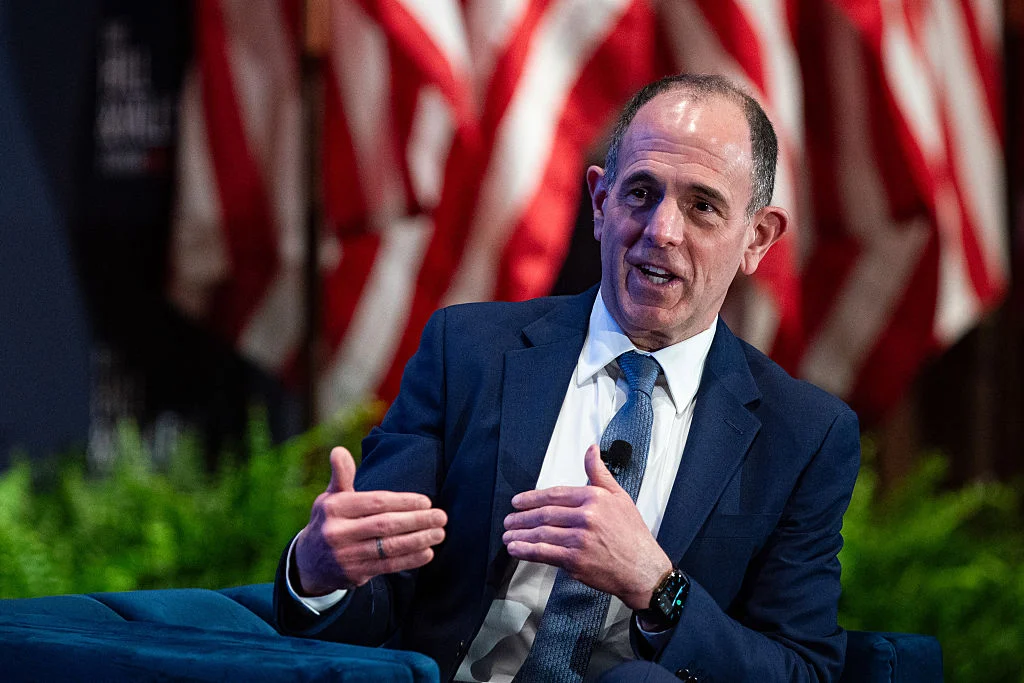
NEW YORK — In a move that signals the intensifying gravity of Manhattan’s technology ecosystem, TechCrunch has announced the return of its premier boutique event series, StrictlyVC, to New York City. Scheduled for the evening of Thursday, September 10, the event marks a significant homecoming for the series, which has spent the last two years traversing global innovation hubs from Los Angeles to Athens.
The choice of venue—the historic West Village—is a pointed one. Organizers have been quick to distinguish the neighborhood’s cobblestone streets and brownstones from the "Vest Village" of San Francisco’s Mission Bay, a nickname cheekily given to the West Coast’s concentration of Patagonia-clad venture capitalists. This geographic homecoming serves as a backdrop for an evening designed to dissect the most pressing tensions in modern finance: the commoditization of capital, the AI arms race, and the resurgence of physical craftsmanship in a digital-first world.
Main Facts: A Convergence of Venture Titans and Serial Founders
The upcoming StrictlyVC New York event is structured as a high-density intelligence exchange, featuring a curated lineup of speakers who represent both the "old guard" of institutional growth equity and the "new wave" of disruptive early-stage investing.
The headline speakers include:
- Keith Rabois: General Partner at Khosla Ventures and a legendary figure in the "PayPal Mafia," whose recent relocation to New York has sent ripples through the local ecosystem.
- Deven Parekh: Managing Director at Insight Partners, representing one of the world’s most prolific software investment engines.
- Tristan Walker & Brynn Putnam: Two of the most successful consumer founders of the last decade, both of whom have returned to the "zero-to-one" phase with new ventures.
- Craig Shapiro & Jason Levien: Exploring the burgeoning intersection of professional sports, community, and venture-scale returns.
The event, co-hosted by Collaborative Fund, aims to move beyond the superficial "demo day" format, instead focusing on the strategic friction points currently defining the 2024–2025 fiscal landscape.
Chronology: The Evolution of the NYC Tech Scene and the StrictlyVC Series
To understand the weight of this event, one must look at the timeline of New York’s ascent as a primary rival to Silicon Valley.
For much of the 2010s, New York tech was often characterized by "Silicon Alley"—a focus on ad-tech and media. However, the post-pandemic era saw a radical shift. As high-profile investors like Keith Rabois migrated East, citing a desire for a more diverse economic environment and better governance, the "New York vs. San Francisco" narrative evolved from a friendly rivalry into a genuine competition for talent and capital.
StrictlyVC’s own timeline reflects this shift. After a two-year hiatus from the New York market, the series returns at a moment when the city is no longer just a satellite office for West Coast firms but a primary headquarters for AI research and fintech innovation.
The September 10 event is the culmination of a year-long tour that has seen TechCrunch’s boutique series adapt to the changing moods of the market. Following successful stops in San Francisco and L.A., the New York iteration is positioned as the "intellectual anchor" of the series, focusing less on hype and more on the sustainability of the venture model.
Supporting Data: The High Stakes of the Current VC Landscape
The discussions scheduled for the evening are backed by staggering financial data points that illustrate the current volatility and opportunity in the market.
The OpenAI Context
A primary focus of the evening will be Khosla Ventures’ early $50 million investment in OpenAI in 2019. At the time, the investment was viewed by many as a moonshot with no clear path to revenue. Today, with OpenAI’s valuation hovering near $80 billion (and rumors of even higher private secondary sales), the "boldness" of that bet is being re-evaluated. However, supporting data suggests the competitive landscape is tightening. Rivals like Anthropic and Google’s Gemini are closing the technical gap, and the "compute cost" of maintaining leadership is ballooning. Keith Rabois is expected to provide a counter-narrative to the idea that OpenAI is facing insurmountable headwinds.
The Scale of Insight Partners
Deven Parekh’s presence brings the perspective of a firm that manages over $90 billion in assets. In an era where "capital is a commodity," firms like Insight Partners must differentiate themselves through more than just a checkbook. Data from the last three years shows a massive consolidation of capital into "mega-funds," even as the number of active unicorns has fluctuated. Parekh will address how a firm of Insight’s scale maintains agility when competing with sovereign wealth funds and traditional private equity for the same high-growth software tranches.

The Reshoring and Physical Play Trend
The pivot by Tristan Walker and Brynn Putnam toward physical-centric businesses (craftsmanship and board games) reflects a growing data trend in consumer behavior. As "screen fatigue" reaches an all-time high, there is a measurable uptick in the "experience economy." Walker’s Heirloom Craft aims to tap into the reshoring movement—a sector that has seen a 15% increase in domestic manufacturing interest over the last 24 months due to supply chain vulnerabilities.
Official Responses and Perspectives: Shaking Up the Status Quo
While not an "official response" in a regulatory sense, the commentary expected from the speakers represents the strategic posture of the industry’s top tier.
Keith Rabois on Over-Capitalization:
Rabois has been a vocal critic of the "growth at all costs" mentality. His anticipated remarks will likely target founders who raise excessive capital—a practice he argues leads to "bloated" companies that lose their innovative edge. His perspective serves as a warning to an ecosystem that is once again seeing massive AI-driven rounds that resemble the excesses of 2021.
The Collaborative Fund Philosophy:
Craig Shapiro, representing the event’s co-host, Collaborative Fund, has long championed the idea that "doing well" and "doing good" are not mutually exclusive. By bringing Jason Levien (CEO of D.C. United) into the conversation, the event signals a broader view of what constitutes a "venture" investment. The official stance here is that sports teams are no longer just "vanity assets" for billionaires but are sophisticated media and real estate platforms that command intense community loyalty—a metric that venture capitalists are increasingly desperate to quantify.
The Founders’ Pivot:
Tristan Walker and Brynn Putnam represent a class of "post-exit" founders who are choosing to solve human-centric problems rather than purely digital ones. Their presence serves as a response to the "AI-everything" noise. Walker’s focus on American fine craftsmanship and Putnam’s focus on physical board games suggest a strategic belief that the next "alpha" in investing will come from the things AI cannot do: fostering tactile community and preserving human skill.
Implications: What This Means for the Future of NYC Tech
The implications of this gathering extend far beyond a single night of networking in the West Village.
1. The Institutionalization of the NYC Hub
The return of StrictlyVC and the participation of figures like Parekh and Rabois confirm that New York is no longer a secondary market. The city is becoming the preferred destination for "mature" tech—where the complexity of finance (Wall Street), media (Midtown), and technology (Silicon Alley) converge. This multi-disciplinary environment is proving to be a more resilient bedrock for startups than the monoculture of Silicon Valley.
2. The AI "Realism" Phase
As Rabois discusses the OpenAI narrative, the implication for the broader market is a shift from "AI hype" to "AI realism." Investors are beginning to look past the foundational models to the application layer and the actual cost of business. The "headwinds" facing OpenAI are a proxy for the challenges facing the entire sector: regulatory scrutiny, energy requirements, and the search for sustainable unit economics.
3. The Human-Centric Counter-Trend
Perhaps the most intriguing implication is the emergence of a "counter-AI" investment thesis. By highlighting Walker and Putnam, StrictlyVC is signaling that there is significant venture appetite for businesses that lean into the "analog." If AI commoditizes intelligence and digital content, then physical craftsmanship and in-person community (the "Board" model) become the new scarcities.
4. Capital as a Commodity
Finally, Deven Parekh’s insights will likely underscore a harsh reality for the VC industry: money is no longer a differentiator. As massive funds compete for a limited pool of high-quality deals, the firms that survive will be those that provide specialized operational expertise or "unfair" network advantages. The implication is a looming consolidation in the venture industry itself, where mid-sized firms may struggle to compete with the sheer scale of Insight or the "brand-name" magnetism of Khosla.
As the tech world descends upon the West Village this September, the conversation will likely be less about the next app and more about the fundamental restructuring of how we build, fund, and sustain innovation in an increasingly complex world. For the "Patagonia-clad" visitors from the West, it will be a chance to see that while the vests might be the same, the game in New York has changed entirely.