The Enver Ascendance: How ‘Fishy’ and Social Sandbox Titles are Redefining the Meta Horizon Charts
The virtual reality (VR) marketplace has long been characterized by a certain level of gravitational stasis. On platforms like the Meta Horizon Store, the PlayStation VR2 (PS VR2) blog, and the Valve Hardware Survey, the "Top Selling" and "Most Downloaded" lists often resemble a time capsule rather than a dynamic leaderboard. Established titans like Beat Saber, Gorilla Tag, and Job Simulator have historically maintained an iron grip on the charts, making it exceedingly rare for a new release to break into the top ten without the assistance of a massive marketing budget or a drastic price cut.
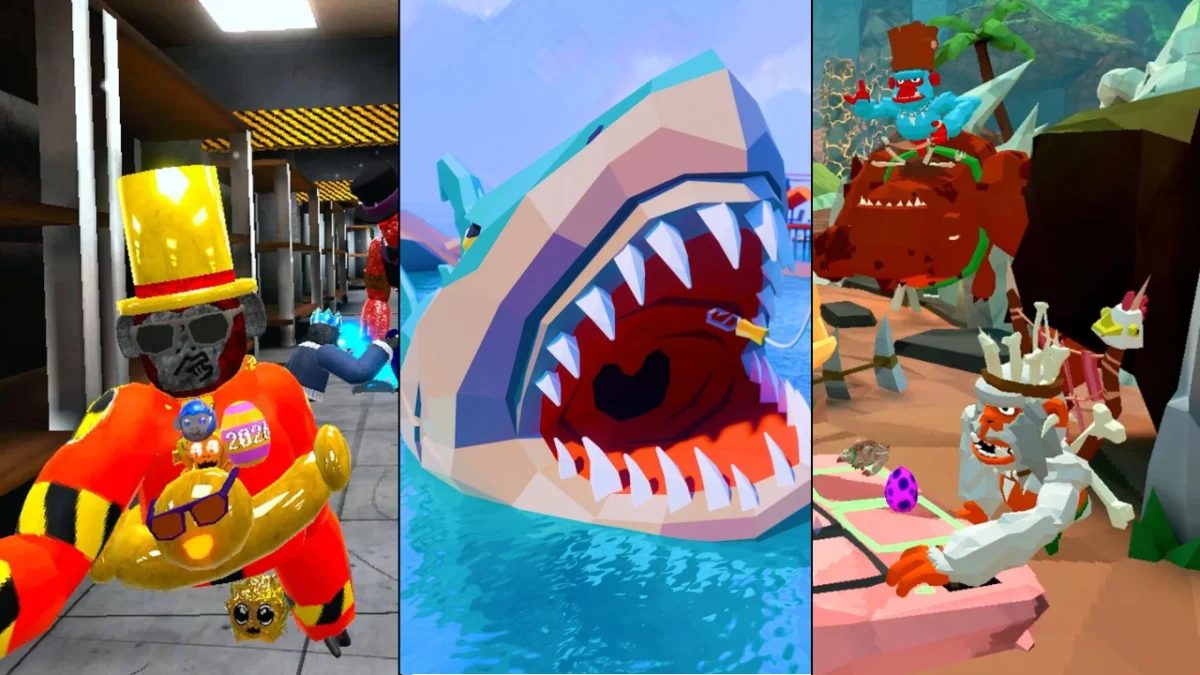
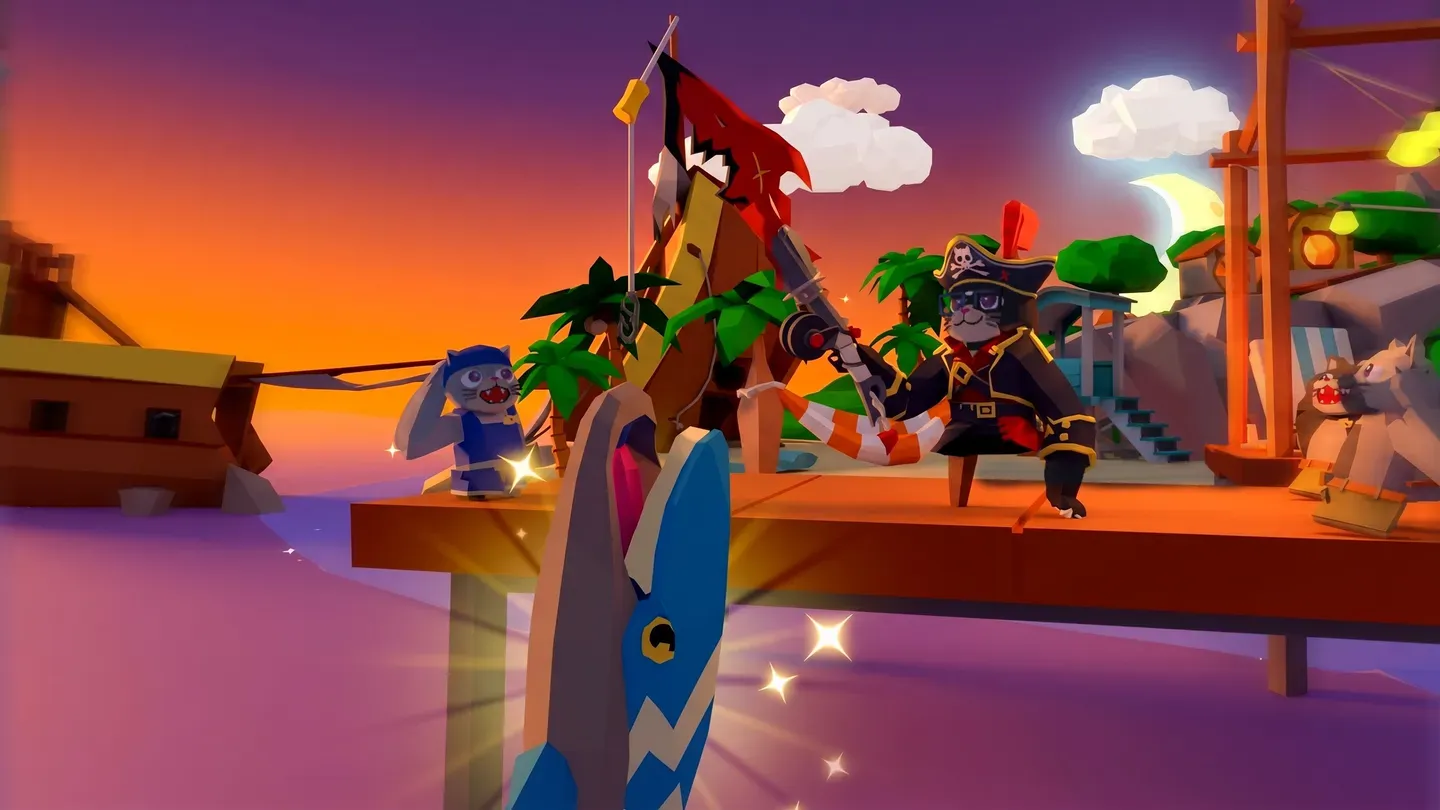
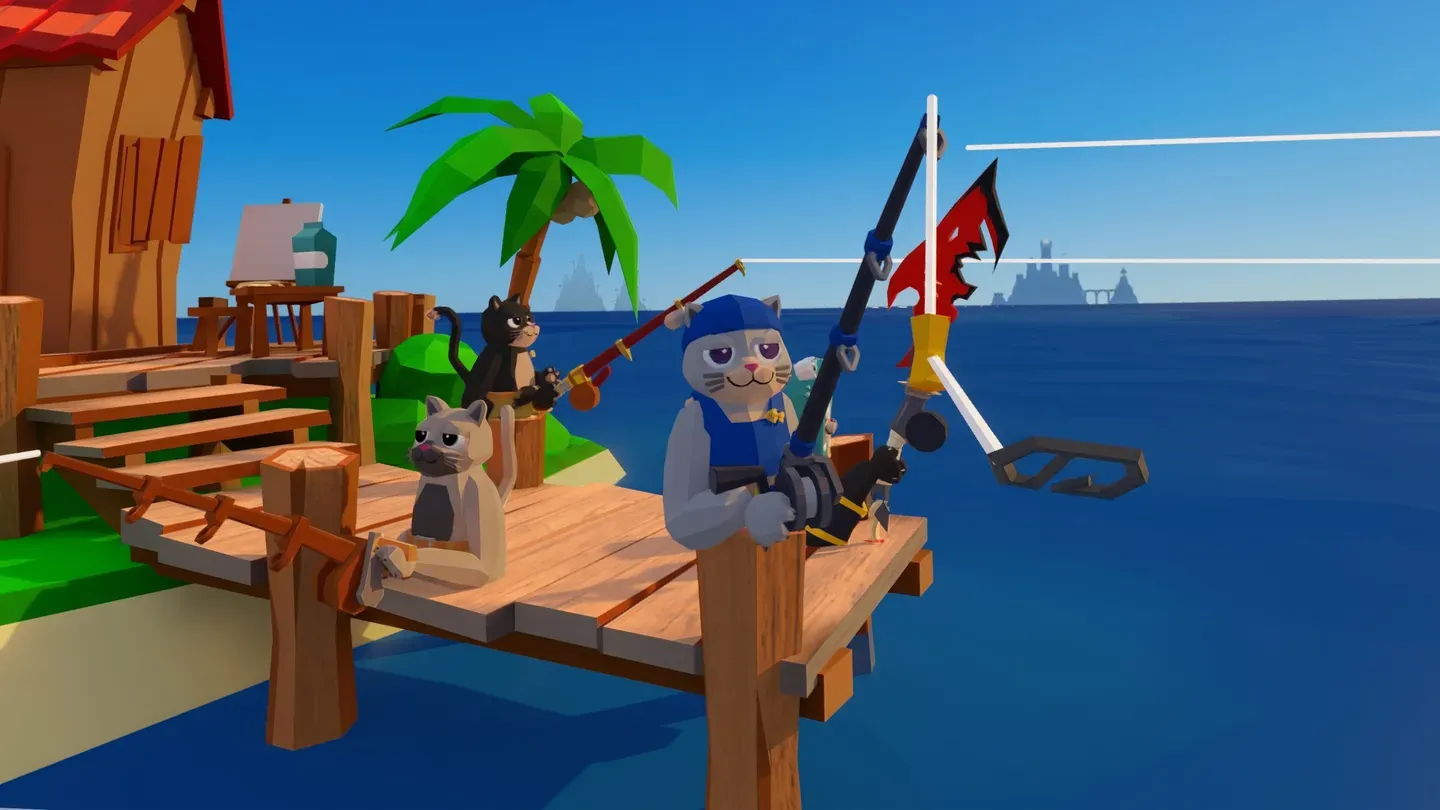
However, the recent performance of Fishy, a massively multiplayer online (MMO) fishing title from developer Enver, has signaled a potential shift in the ecosystem. By cracking the top ten and displacing established "juggernauts," Enver has not only secured a hit but has solidified its position as a dominant force in the modern VR landscape. With three titles now occupying the top ten slots on the Meta Horizon Store, the industry is witnessing the emergence of a new blueprint for VR success—one built on social interaction, sandbox mechanics, and community-driven engagement.
Main Facts: A Triple Threat in the Top Ten
The primary catalyst for this industry discussion is the official launch of Fishy on October 15. Within weeks of its debut, the game climbed to the number ten position on the Meta Horizon Store’s weekly "Top Selling" list. While a tenth-place ranking might seem modest in the broader world of gaming, in the context of the VR market, it is a significant achievement. Fishy successfully pushed Animal Company, a popular title from Wooster Games, into the eleventh spot—a move that underscores the competitive nature of the current chart environment.
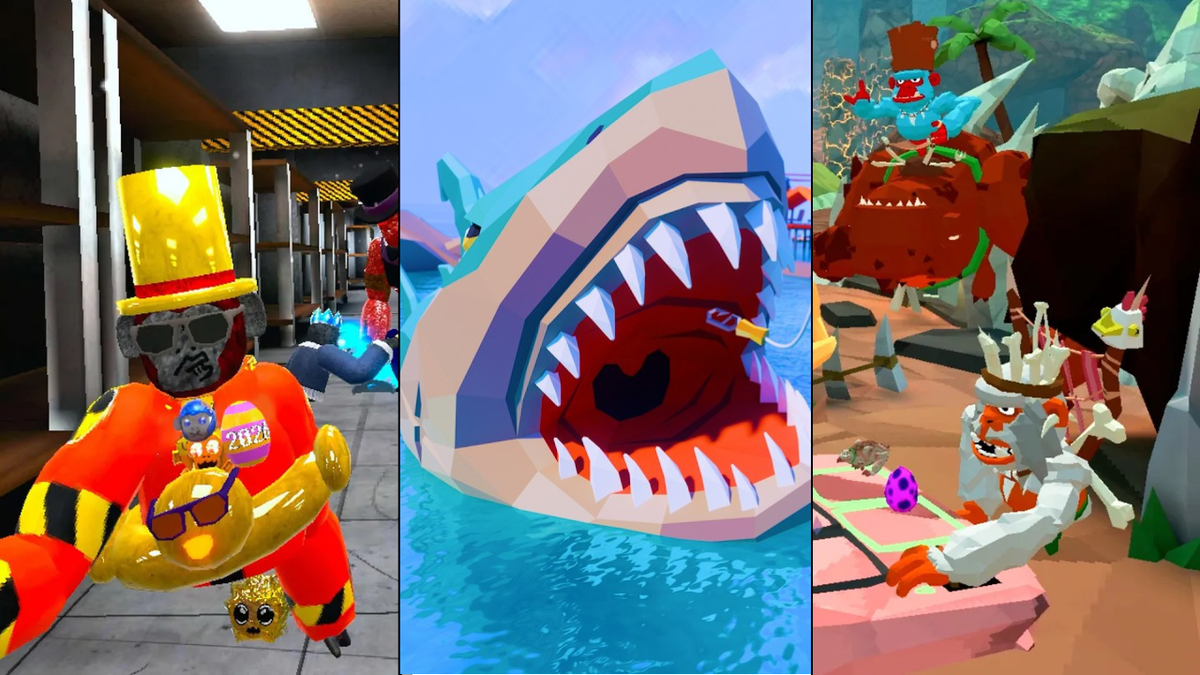
What makes this accomplishment even more remarkable is that Enver now holds three of the top ten positions. Alongside Fishy, the studio is responsible for the viral hit Scary Baboon and has played a pivotal role in the success of UG, a caveman-themed sandbox title developed by ContinuumXR. Enver’s involvement in UG was not merely as a bystander; the studio helped fund and market the game alongside Trass Games, the developers behind the top-ten mainstay Yeeps.
This level of market saturation is almost unprecedented. Historically, only a handful of studios have managed to maintain multiple titles in the top ten simultaneously. Notable examples include New Folder Games, which saw I Am Cat and I Am Security perform exceptionally well following the latter’s release, and Owlchemy Labs, which dominated the early years of consumer VR with Job Simulator and Vacation Simulator. Enver’s current "triple threat" status places them in an elite category of developers who have successfully decoded the preferences of the modern VR user base.
Chronology: From Summer Sales to October Surprises
To understand the significance of Fishy’s rise, one must look at the timeline of the VR marketplace throughout the year. The charts are typically disrupted only by anomalous events, such as deep discount sales or high-profile IP launches.
The Summer of Discounts (2024)
In the summer of 2024, the Meta Horizon charts were temporarily upended by the "infamous" Max Mustard sale. By offering the high-quality platformer at a 90% discount, the developers were able to ride a wave of viral marketing straight to the top of the charts. While successful in terms of visibility, these surges are often short-lived, with games falling back to their original positions once the promotion ends. Similarly, on the PS VR2 side, Alien: Rogue Incursion saw a massive surge earlier this year, driven by the strength of its brand and the anticipation of a high-fidelity horror experience on Sony’s hardware.
The October 15 Launch
The landscape began to shift again in October. Fishy launched officially on October 15, entering a market that was increasingly crowded with free-to-play (F2P) titles. Unlike the "flash-in-the-pan" success of discounted games, Fishy’s ascent was driven by its MMO mechanics and the social infrastructure Enver had already established with Scary Baboon.
Late October Realignment
By late October, the Meta Horizon Store saw a rare influx of new blood. While SigmonVR’s Hero x Hero—a free-to-play action-shooter—claimed the number one spot, Fishy maintained its momentum to secure the tenth position. During this same window, the paid charts (which filter out F2P titles) saw the arrival of Bad Inmate, a chaotic prison sandbox. Released in early October, Bad Inmate managed to crack the "Paid" top ten at number five, further proving that players are hungry for sandbox experiences that prioritize emergent gameplay over rigid narratives.
Supporting Data: Analyzing the "Stagnant" VR Market
Data nerds and industry analysts who perform "maintenance checks" on VR platforms often find the lack of movement discouraging. However, a deeper look at the numbers reveals why Enver’s success is so statistically significant.
The Meta Horizon Store Trends
The Meta Horizon Store is currently dominated by two categories: Social Sandboxes and Free-to-Play Shooters. The weekly "Top Selling" list is often a reflection of what younger audiences are playing. Titles like Gorilla Tag have set a precedent for movement-based social games, and Enver has capitalized on this by creating "clones" or "spiritual successors" that refine these mechanics.
- Enver’s Reach: 30% of the Top 10 (as of late October) is directly influenced or developed by Enver (Fishy, Scary Baboon, UG).
- The F2P Dominance: Of the top ten games on the general chart, a significant majority are free-to-play or offer low-cost entry points. Hero x Hero’s position at number one reinforces the trend that the "barrier to entry" is the most significant factor in VR adoption today.
The PS VR2 and PC VR Comparison
The stagnation is even more pronounced on other platforms. The PlayStation Blog’s monthly download charts for PS VR2 rarely show new entries unless they are major first-party titles or high-profile ports. I Am Cat, for instance, was the number one downloaded game for PS VR2 in September, highlighting that even on "premium" hardware, quirky, physics-based sandbox games are outperforming traditional AAA-style experiences. On PC VR, the Valve hardware survey shows a slow but steady shift in headset usage, but the software charts remain dominated by the same titles that have been there since 2020.
Official Responses and Strategic Initiatives
The success of Fishy and UG is not an accident; it is the result of a deliberate strategic pivot by Enver and its partners. Earlier this year, Enver and Trass Games (the developer of Yeeps) announced a joint initiative to fund and market more social VR projects.
The Enver-Trass Partnership
This partnership is designed to identify "indie" developers who are working on social, physics-based, or sandbox-style games and provide them with the capital and marketing muscle needed to compete with larger studios. By pooling their resources, Enver and Trass are essentially creating an "incubator" for the next generation of VR hits.
A spokesperson for the initiative noted that the goal is to move away from what critics call "F2P slop"—low-effort games designed to harvest microtransactions—and instead focus on "Social VR 2.0." These are games that offer deep, repeatable gameplay loops (like fishing or base building) within a shared social space.
Market Positioning
Enver’s strategy appears to be focusing on "The Gorilla Tag Demographic." By creating games that are easy to jump into, highly social, and visually distinct, they are capturing the attention of the largest growing segment of the VR market: younger users who view VR as a social hangout spot rather than a solitary gaming console.
Implications: The Future of the VR Ecosystem
The rise of Fishy and the dominance of Enver suggest several long-term implications for the VR industry.
1. The Death of the "Single-Player Epic"?
While high-fidelity, single-player games like Alien: Rogue Incursion still find success, they struggle to maintain the "long tail" of engagement that social sandboxes enjoy. The data suggests that for a VR game to stay in the top ten, it must provide a reason for players to return every day to interact with friends. Fishing, as a mechanic, is a perfect fit for this; it is meditative, social, and offers a clear progression path.
2. The Rise of the "Publisher-Developer" Hybrid
Enver is shifting from a traditional developer to a publisher-hybrid model. By funding games like UG, they are diversifying their portfolio and ensuring that even if one of their internal titles fades, they still have a stake in the chart-toppers. This model may become the standard for indie VR studios looking to survive in a market where visibility is difficult to achieve.
3. The Quality vs. Quantity Debate
The article notes the "constant barrage of free-to-play so-called ‘slop’" hitting the store. Enver’s success shows that there is a middle ground. While their games are often F2P or low-cost, they offer higher polish and more robust social features than the "slop" that litters the "New Releases" tab. As the market matures, the "Top Selling" list will likely become a filter that separates these well-supported social titles from the low-effort clones.
4. The Sandbox Supremacy
The success of Bad Inmate on the paid charts, alongside Fishy and UG, confirms that "sandbox" is the most lucrative genre in VR right now. Players want agency; they want to break things, build things, and interact with others in unpredictable ways. The more "freedom" a game offers, the higher its chances of cracking the top ten.
In conclusion, Enver’s recent achievement with Fishy is more than just a successful game launch; it is a testament to a changing of the guard in the VR world. As the platform moves away from its early days of tech demos and short experiences, the "Enver Model" of social-first, sandbox-heavy development is proving to be the most resilient strategy for navigating the stagnant but highly competitive VR charts. For the first time in years, the "Top Selling" list is showing signs of life, and it is a "fishy" new contender leading the charge.