Prehistoric Power-Up: Joe & Mac Retro Collection Revitalizes a Beloved Franchise for a New Generation

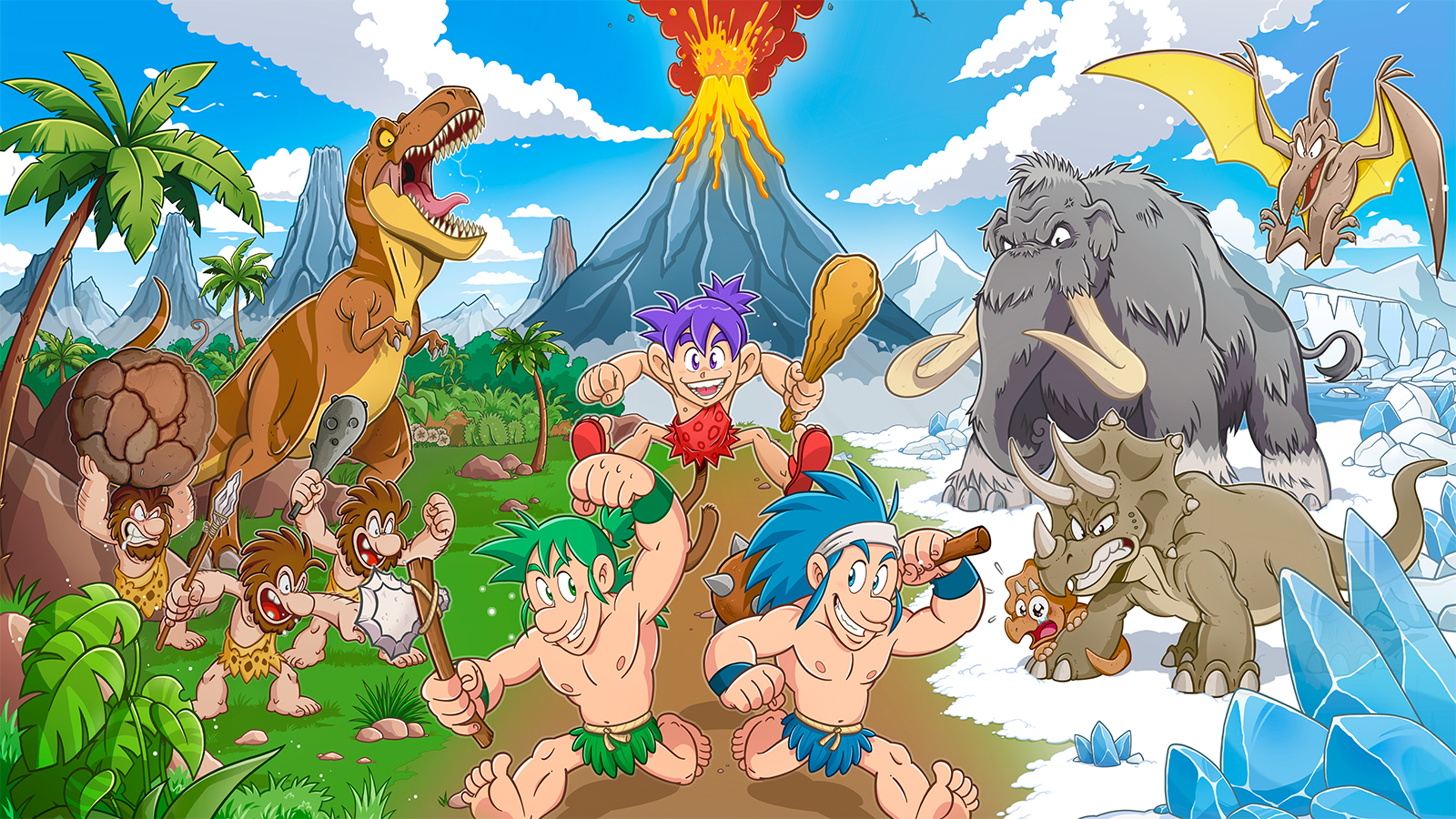
The charm of the early 90s arcade and console scene is making a triumphant return with the Joe & Mac Retro Collection, a meticulously curated compilation that breathes new life into three beloved prehistoric platformers. While the original "Caveman Ninja" might be the familiar face, it’s the lesser-known sequels that truly shine, offering a richer and more engaging experience that, with modern enhancements, is poised to captivate both nostalgic veterans and a fresh wave of gamers.
Publisher: Red Art Games
Developer: Red Art Studios (Data East originals)
Release Date: October 29, 2026 (Digital), 2027 (Physical)
Price: $19.99 / £19.99 (digital)
Platforms: Nintendo Switch (reviewed), Switch 2, PlayStation 5, Xbox Series X/S, PC
Engine: Emulation
The allure of the primitive, with its raw combat and vibrant, albeit simplistic, worlds, held a powerful sway over gamers in the early 1990s. Among the era’s memorable offerings, the Joe & Mac franchise, affectionately known as "Caveman Ninja," carved out a significant niche. Now, thanks to the dedicated efforts of Red Art Games, this iconic series is receiving a comprehensive revival in the form of the Joe & Mac Retro Collection. This compilation meticulously brings together three cornerstone titles from Data East’s SNES era: Joe & Mac: Caveman Ninja, Congo’s Caper, and Joe & Mac 2: Lost in the Tropics. While the original title may be the most recognizable, the true revelation of this collection lies in its sequels, which showcase a remarkable evolution in gameplay, design, and ambition, offering a surprisingly deep and rewarding experience that transcends mere nostalgia.

This collection is more than just a digital rehash; it’s a thoughtfully assembled package that celebrates the artistry and innovation of a bygone era. By including modern conveniences such as rewind functionality, save states, and an engaging Boss Rush mode, Red Art Games has ensured that these classic games are not only accessible but genuinely enjoyable for contemporary audiences. Coupled with a wealth of supplementary content, including virtual unboxings of original packaging, an extensive art gallery, and even the uncensored Japanese versions of the games, the Joe & Mac Retro Collection stands as a testament to the enduring appeal of well-crafted 16-bit gaming.
The Genesis of a Prehistoric Phenomenon
The original Joe & Mac: Caveman Ninja, released in arcades and later ported to home consoles, established the core tenets of the franchise: a charmingly anachronistic blend of prehistoric adversaries, oversized dinosaurs, and two diminutive cavemen armed with an array of primitive weaponry. The visual aesthetic was a significant draw, with its bright, bold colors and exaggerated character animations leaping from the screen, creating an immediate sense of energetic fun. The developers at Data East clearly understood the appeal of this unique premise, and the original game served as a successful foundation for what would become a beloved series.
The arcade origins of Caveman Ninja are evident in its straightforward gameplay loop. Players navigate through colorful, obstacle-laden stages, hurling projectiles and employing melee attacks against a menagerie of prehistoric creatures and other cave-dwelling antagonists. The animation, while rudimentary by today’s standards, possessed a distinct charm. Dinosaurs’ eyes would bulge comically when struck, and their bodies would wobble, adding a touch of lightheartedness even in moments of peril. However, the game’s design also reflected its arcade roots, featuring classic frustrations such as enemies respawning just off-screen and the occasional awkward weapon pick-up that could hinder rather than help. Despite these minor blemishes, the game’s infectious energy and distinctive visual style made it a memorable experience for many.
Evolution in the Tropics: The Sequels Take Flight
While the original Joe & Mac laid the groundwork, it’s the subsequent entries that truly showcase the series’ potential for growth and innovation. Congo’s Caper, a title that often flies under the radar, represents a significant departure from the arcade-style gameplay of its predecessor. This sequel leans heavily into the established conventions of 16-bit console platformers, drawing inspiration from contemporaries like Sonic the Hedgehog and Kid Chameleon. The emphasis shifts from pure combat to a more nuanced approach that prioritizes platforming challenges, exploration, and the discovery of hidden secrets.
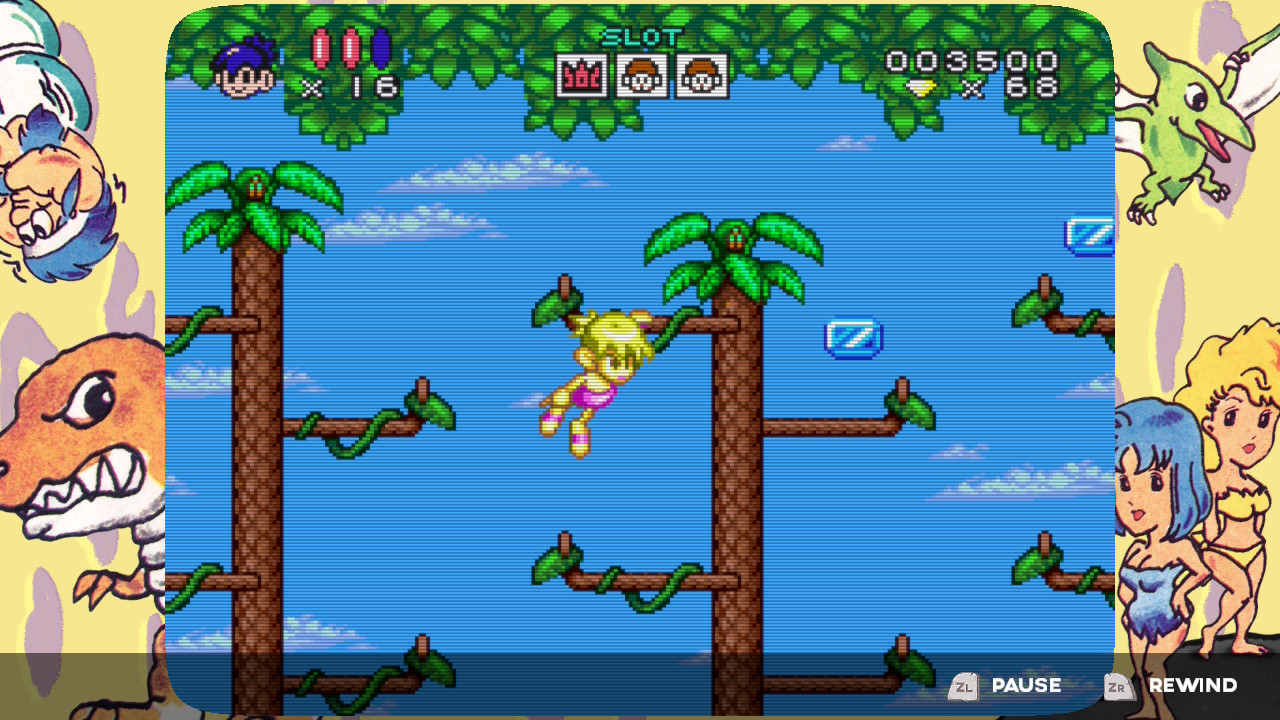
The gameplay in Congo’s Caper encourages players to venture off the beaten path, rewarding curiosity with hidden rooms, valuable collectables, and often, entirely new pathways to explore. The introduction of climbable vines that dynamically grow up the screen adds a unique verticality to the level design, presenting players with a strategic choice: take the direct route, or linger and ascend as the vines unfurl, potentially revealing hidden areas or leading to alternative objectives. This added layer of environmental interaction and exploration significantly deepens the gameplay experience, offering a more engaging and replayable adventure.
The evolution continues with Joe & Mac 2: Lost in the Tropics, a title that further expands the scope and ambition of the series. While retaining the core action-platforming template, this installment introduces a more expansive world with a navigable map, allowing players to choose their progression through the game’s diverse levels. The gameplay loop is enriched by the addition of a camp-building mechanic and the intriguing prospect of wooing cave girls, a lighthearted social simulation element that adds a unique flavor to the prehistoric setting. This ambitious undertaking demonstrates Data East’s willingness to experiment and push the boundaries of the franchise, offering a game that feels considerably larger and more involved than its predecessor.
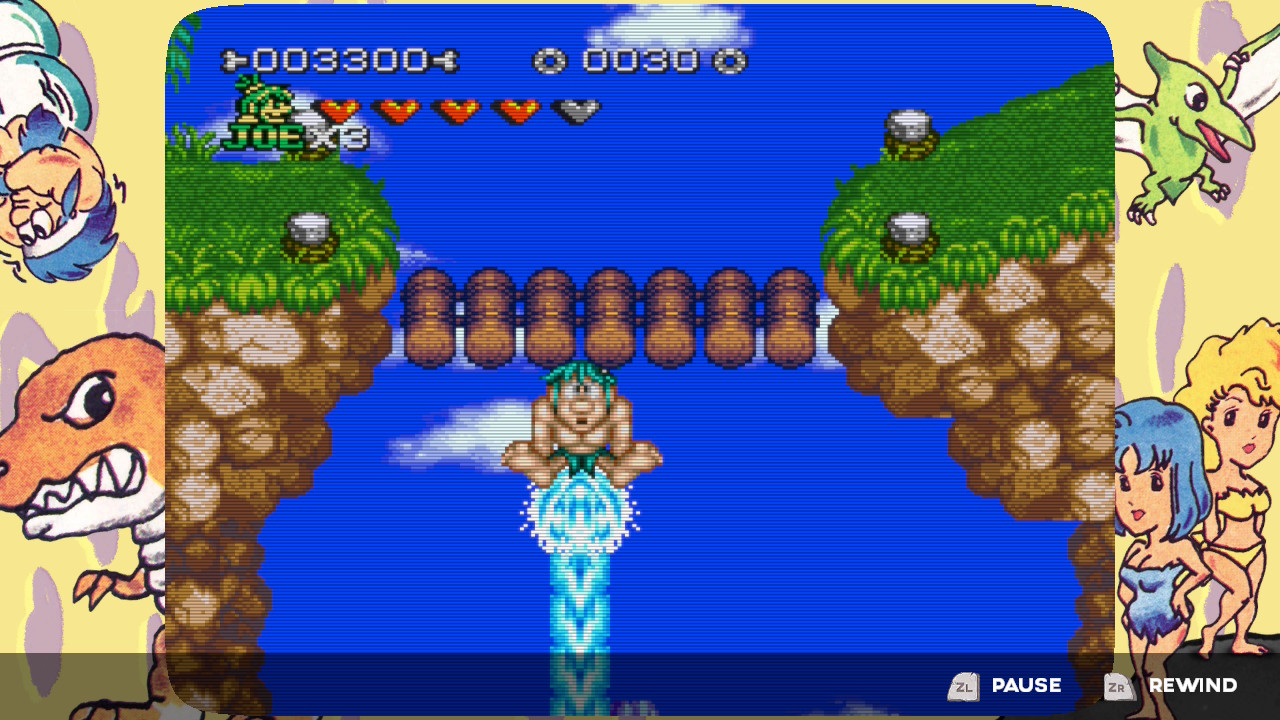
The influence of other contemporary titles is also palpable in Lost in the Tropics. The larger pixel designs and the seed-spitting combat mechanics bear a striking resemblance to the gameplay of Toki, another beloved prehistoric-themed platformer. The game’s physics also contribute to a more dynamic experience, with the ground shifting beneath the player character’s weight and icy surfaces introducing a sliding mechanic. The levels themselves are designed with a greater sense of depth and complexity, offering more than just simple platforms and enemies to overcome. This integration of borrowed ideas, executed with the series’ characteristic charm, results in a more robust and engaging gameplay experience.
A Feast for the Eyes and Ears: The Enduring Artistry of Joe & Mac
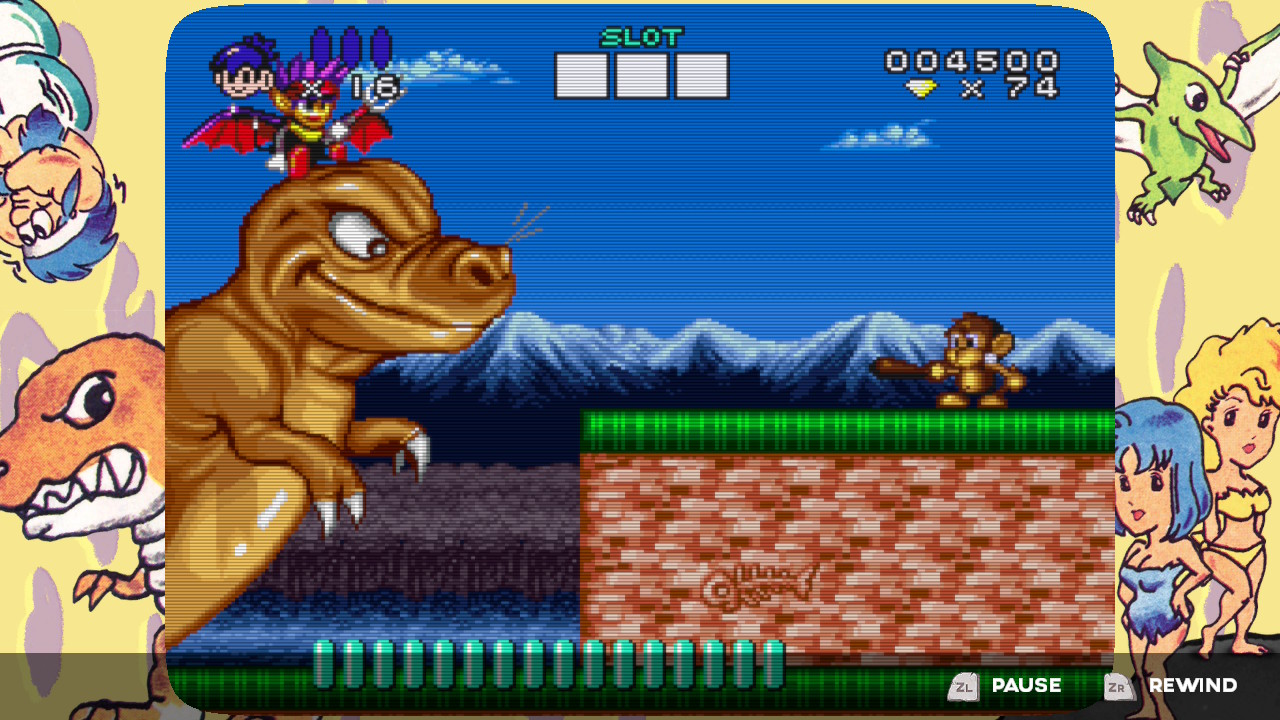
One of the most consistently impressive aspects of the Joe & Mac franchise, and indeed this Retro Collection, is its distinctive visual presentation. The games are characterized by their bright, vibrant color palettes and chunky, exaggerated pixel art. The 16-bit animation is full of personality, imbuing characters and environments with a lively, almost cartoonish energy. This commitment to a bold and expressive art style is particularly evident in the game’s boss encounters.
The boss designs are a highlight, featuring comically exaggerated, head-heavy figures and inventive attack methods. A T-Rex might spit its prehistoric lunch, or a towering diplodocus could unleash powerful jets of water. These encounters are not only challenging but also visually entertaining, showcasing the developers’ creativity in bringing these fantastical creatures to life. The collection’s Boss Rush mode provides an excellent opportunity to appreciate these designs in quick succession, allowing players to enjoy the spectacle without the need to replay entire levels. The way Lost in the Tropics, in particular, builds anticipation for its boss fights, such as a triceratops dramatically smashing through an ice wall, is a testament to the impact of even simple visual storytelling.
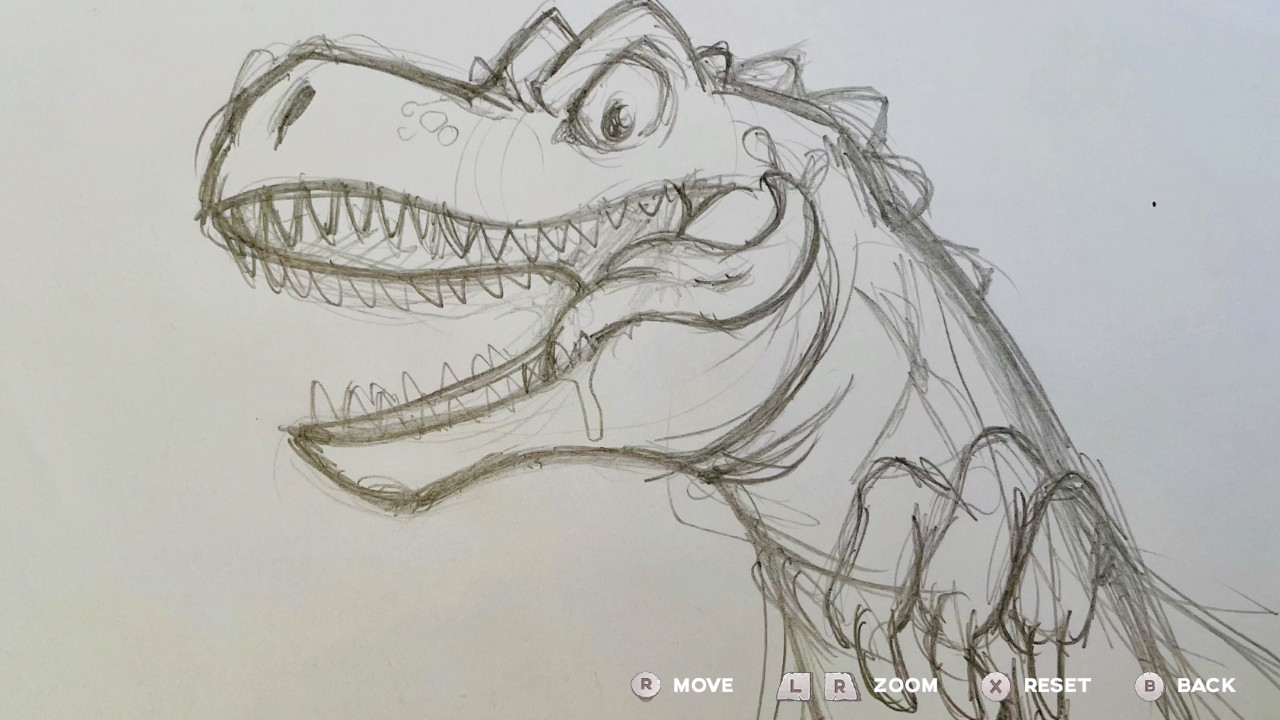
Beyond the in-game visuals, the Joe & Mac Retro Collection offers a wealth of supplementary content that delves into the game’s artistic heritage. The virtual unboxing feature allows players to explore high-resolution scans of original Super Nintendo boxes, cartridges, and manuals, providing a tangible connection to the games’ original release. Furthermore, an extensive art gallery showcases a diverse range of concept designs, character sketches, and promotional artwork, offering valuable insights into the creative process behind these beloved titles. This dedication to preserving and presenting the game’s visual legacy elevates the collection beyond a simple compilation of ROMs.
Modern Conveniences for Timeless Fun
The inclusion of modern gameplay enhancements is a crucial element in making the Joe & Mac Retro Collection accessible and enjoyable for a modern audience. The rewind functionality is an invaluable tool, allowing players to instantly undo mistakes and overcome challenging platforming sections that might otherwise lead to frustration. Similarly, the save state feature eliminates the need to replay large portions of the game after a setback, enabling players to pick up precisely where they left off and maintain their momentum.
These quality-of-life improvements not only reduce the potential for frustration but also encourage experimentation and exploration. Players are more likely to take risks and try different approaches when they know they can easily recover from errors. The addition of an optional CRT filter and a selection of custom frames further enhances the retro experience, allowing players to simulate the look and feel of playing on original hardware, complete with the characteristic scanlines and subtle visual smoothing that defined the era.
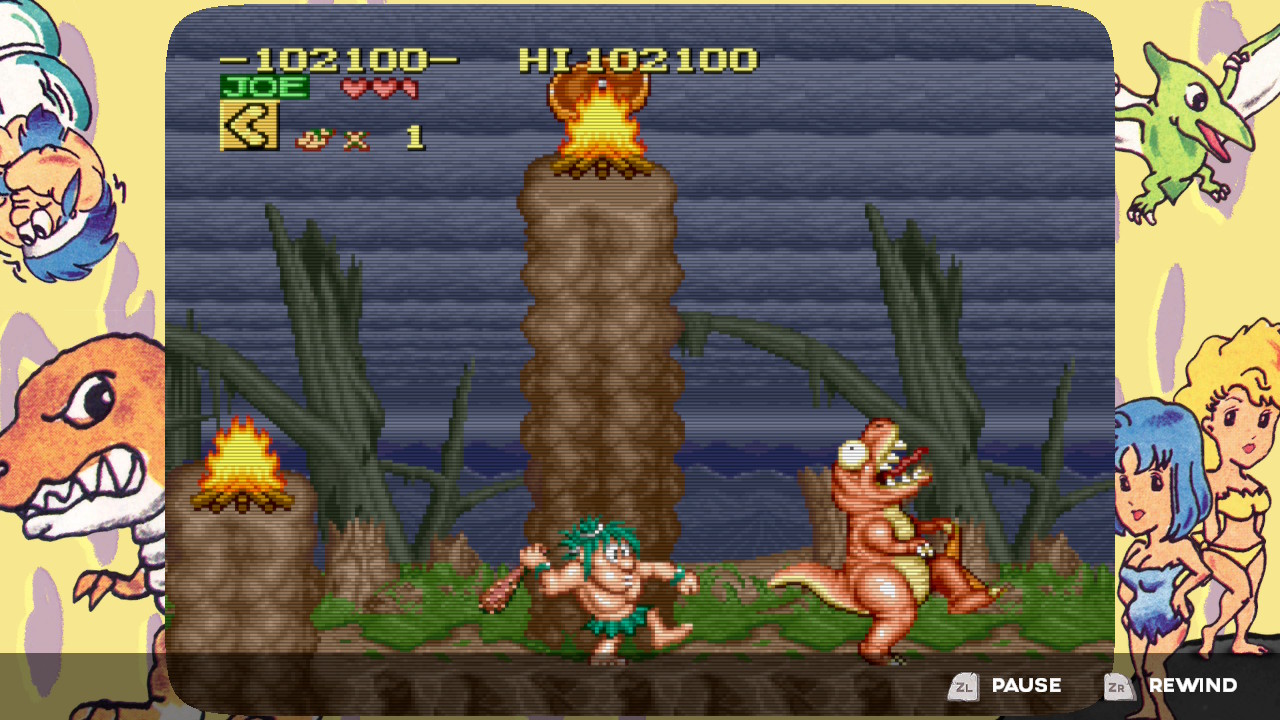
The Boss Rush mode, as previously mentioned, is another significant addition that enhances replayability and provides a focused challenge. By pitting players against the bosses of all three games consecutively, it offers a compelling test of skill and a great way to appreciate the evolution of the series’ enemy design. This mode, combined with the readily available save states and rewind options, makes the collection a compelling proposition for both seasoned fans seeking to relive past glories and newcomers eager to discover the charm of these prehistoric adventures.
A Deeper Dive: Preservation and Missed Opportunities
Red Art Games has clearly invested significant effort into ensuring the authenticity and completeness of the Joe & Mac Retro Collection. The inclusion of both Western and Japanese releases of the games, including the uncensored Japanese version of Caveman Ninja, caters to a dedicated audience interested in the historical nuances of game presentation across different regions. This attention to detail underscores a commitment to genuine game preservation.
However, while the collection excels in its presentation of visual assets and game versions, there is a noticeable absence of deeper historical context. The reviewer notes a desire for more information about the developers and artists who brought these games to life. Unlike some other retro compilations that feature interviews, oral histories, or extensive developer commentary, the Joe & Mac Retro Collection primarily relies on static artwork to convey its historical narrative. While the art gallery is comprehensive, it lacks the narrative richness that could have been achieved through more in-depth supplemental content. Understanding the creative decisions, the challenges faced during development, and the evolution of the series from the perspective of those who made it would have undoubtedly enriched the player’s appreciation for these titles.
This perceived missed opportunity is a subtle but significant point, as it highlights the potential for retro collections to serve not only as entertainment but also as educational resources. While the current iteration offers a fantastic gaming experience and a visually rich presentation of the source material, a more robust documentary or interview component could have transformed it into a truly definitive historical artifact.
The Verdict: A Prehistoric Gem Worth Unearthing
The Joe & Mac Retro Collection is a resounding success, offering a compelling blend of nostalgic charm and modern playability. While the original Joe & Mac: Caveman Ninja remains a delightful albeit somewhat dated arcade port, it is the sequels, Congo’s Caper and Joe & Mac 2: Lost in the Tropics, that truly steal the show. These titles showcase a remarkable evolution in design, offering more intricate platforming, deeper exploration, and more ambitious gameplay mechanics that stand the test of time.
The inclusion of features like rewind, save states, and Boss Rush mode makes these classic games remarkably accessible and enjoyable for contemporary players, bridging the gap between the past and the present. The wealth of supplementary content, including virtual packaging and an extensive art gallery, further enhances the value of this collection, demonstrating a genuine appreciation for the franchise’s legacy.
Despite a minor missed opportunity in the realm of developer insights, the Joe & Mac Retro Collection stands as a shining example of how to properly revive and present classic video games. For those who fondly remember these prehistoric adventures from their childhood, this collection is an essential purchase. For newcomers, the sequels, in particular, offer a surprising depth and engaging gameplay that is sure to win them over. This is more than just a compilation; it’s a vibrant celebration of a beloved franchise, meticulously crafted and thoughtfully presented for a new generation to enjoy. The call of the caveman has never sounded so appealing.