The Conversational Pivot: Amazon Launches Text-Based Alexa Shopping to Reclaim the E-commerce AI Narrative
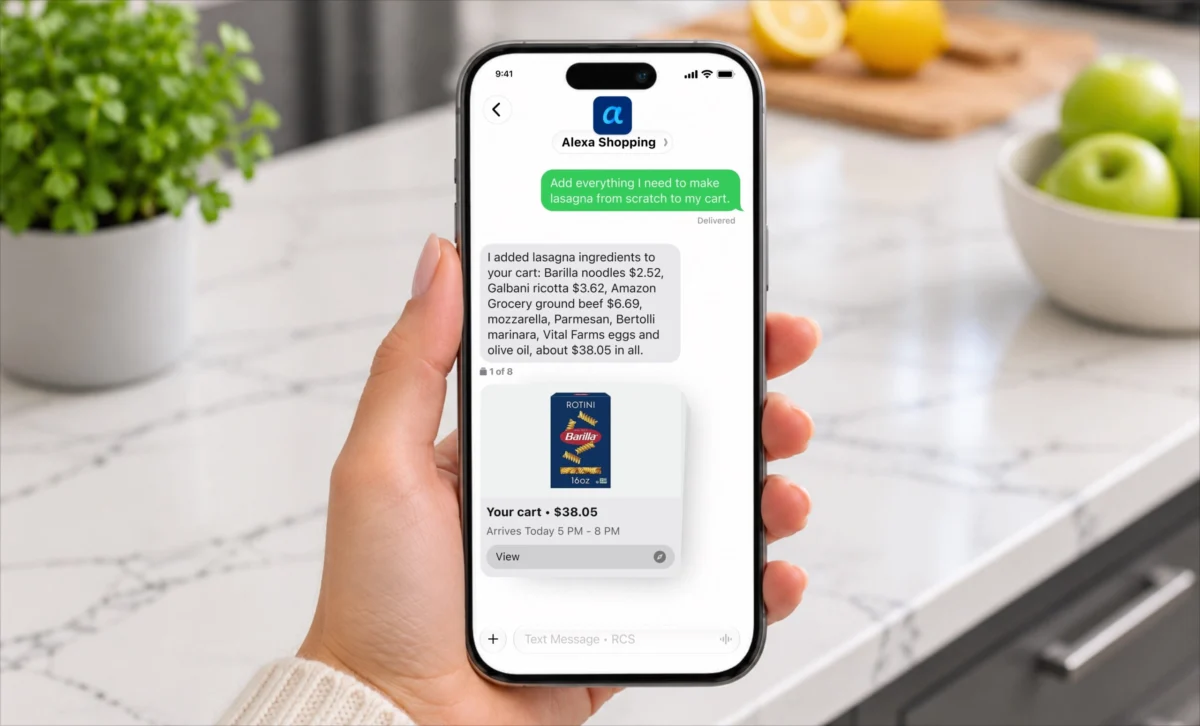
SEATTLE — In a strategic move designed to consolidate its dominance over the digital path-to-purchase, Amazon has officially entered the burgeoning "text-to-shop" market. On Friday, November 6, 2026, the e-commerce titan announced the rollout of a sophisticated feature allowing customers to engage with its Alexa AI agent via standard text messaging. This transition from a voice-first interface to a text-centric modality marks a significant shift in how the company envisions the future of conversational commerce, placing it in direct competition with emerging AI shopping assistants like Meta’s Muse and the independent agent Instinct.
The launch is strategically timed to precede the 2026 holiday shopping rush, a period that historically defines the annual success of retail platforms. By enabling a text-based interface, Amazon is attempting to lower the friction of mobile shopping while simultaneously erecting a "walled garden" around its proprietary consumer data.
1. Main Facts: The New Alexa Texting Interface
The new feature transforms Alexa from a stationary smart-speaker assistant into a mobile-first concierge. Select customers in the United States have begun receiving invitations to enable the service. Once activated, the interface operates through a standard SMS or messaging protocol, allowing users to interact with the Amazon ecosystem without opening the primary shopping app.
Core Functionalities
The text-based Alexa agent is powered by Amazon’s latest Large Language Model (LLM) architecture, specifically optimized for retail logistics. Key features include:
- Natural Language Purchasing: Users can send queries such as, "Find me a durable waterproof jacket for a hiking trip in Oregon under $150," and Alexa will provide curated options directly in the chat thread.
- End-to-End Transactional Flow: Beyond mere searching, the agent can add items to a digital cart and execute purchases using the customer’s saved "1-Click" settings.
- Multimodal Search (Visual Intelligence): One of the most advanced aspects of the rollout is the integration of computer vision. Users can text a photo of a physical product—or a screenshot of an outfit seen on social media—and Alexa will identify the item or suggest "visually similar" listings available on Amazon.
- Subscription and Order Management: The agent handles the minutiae of e-commerce, such as modifying "Subscribe & Save" intervals, checking real-time delivery statuses, and updating delivery instructions for active orders.
The Personalization Engine
Amazon confirmed that this agent is not static. As users interact with the text interface, Alexa will utilize machine learning to analyze purchasing history, brand preferences, and even the "tone" of queries to refine future suggestions. The company aims for the agent to eventually transition from a reactive tool to a proactive shopping partner.
2. Chronology: The Road to a Native AI Agent
The launch of the text-based Alexa feature is the culmination of a high-stakes series of maneuvers by Amazon to protect its ecosystem from third-party AI interference.
- September 2026: The Meta Blockade. The current tension in the AI space reached a boiling point when Amazon officially blocked Meta’s AI agent, Muse, from querying its site. Meta had intended for Muse to act as a universal shopping assistant, but Amazon viewed this as a threat to its direct customer relationships and data integrity.
- September 30, 2026: DoorDash Enters the Fray. Competitors in the logistics space began moving toward text-based interfaces. DoorDash launched its own AI agent, signaling a broader industry trend toward "conversational ordering" via SMS.
- October 29, 2026: The Alexa Infrastructure Update. Just weeks before the texting announcement, Amazon rolled out a massive update to the core Alexa platform. This update focused on backend improvements to shopping list management and price-tracking capabilities, essentially laying the groundwork for the conversational interface.
- November 6, 2026: The Official Launch. Amazon initiates the invite-only rollout for U.S. customers, marking its formal entry into the text-AI agent market.
3. Supporting Data: The Rise of Conversational Commerce
Amazon’s pivot to text is supported by emerging data regarding user behavior and the limitations of third-party AI agents.
The Failure of Third-Party Agents
While AI agents have been a major tech trend in 2026, their actual utility on third-party platforms has remained surprisingly low. In a recent earnings call, DoorDash revealed that third-party AI agents had only successfully placed several hundred orders on its platform. This suggests that "outside" AI agents struggle with the authentication, real-time inventory, and complex checkout flows of proprietary platforms. By building its own native agent, Amazon avoids these technical hurdles, ensuring a 100% success rate for transactions.
The SMS Advantage
Industry analysts point to "app fatigue" as a primary driver for text-based shopping. Data suggests that while consumers are hesitant to download and navigate multiple retail apps, they are highly responsive to messaging interfaces. SMS has a nearly 98% open rate, compared to the much lower engagement rates of push notifications within dedicated shopping apps.
Holiday Projections
Internal Amazon projections suggest that conversational commerce could account for a significant percentage of impulse buys during the 2026 holiday season. By reducing the shopping process to a simple text exchange, the company expects to capture "micro-moments" of consumer intent that might otherwise be lost if the user had to log into a laptop or navigate a complex UI.
4. Official Responses and Rollout Strategy
Amazon has adopted a cautious, tiered approach to the rollout, emphasizing user control and privacy.

The "Invite-Only" Phase
In an official statement, Amazon noted that the feature is currently in a "limited release" phase. Select customers are being reached via text with an opt-in prompt. "We want to ensure the conversational experience is seamless before expanding to our entire user base," an Amazon spokesperson stated. "The goal is to make shopping as easy as talking to a friend."
The Waitlist and Broad Release
For those not included in the initial cohort, Amazon has launched a dedicated landing page (amazon.com/text-alexa-shopping) where users can sign up for a waitlist. The company anticipates a "broader rollout" in the coming weeks, likely aiming for full U.S. availability by the peak of the December shopping window.
Privacy Concerns
Anticipating concerns regarding AI data harvesting, Amazon emphasized that users must explicitly enable the feature. Furthermore, the company maintains that the data collected through these text interactions will be subject to the same privacy protections as standard Alexa voice interactions, though it will be used to train the underlying retail-specific LLM.
5. Implications: The Future of the Retail Ecosystem
The introduction of text-based Alexa shopping carries profound implications for the broader tech and retail landscape.
1. The Displacement of the Graphical User Interface (GUI)
For decades, e-commerce has relied on the "grid of products" GUI. This move suggests a shift toward a "Conversational User Interface" (CUI). If successful, the traditional act of "browsing" could be replaced by "querying," where the AI acts as a filter, potentially giving Amazon even more power over which brands get seen and which are relegated to the background.
2. Data Sovereignty and the Walled Garden
By blocking Meta’s Muse and launching its own agent, Amazon is reinforcing its "Walled Garden." In the AI era, data is the most valuable currency. By keeping the entire shopping conversation within its own ecosystem, Amazon ensures that it—and not Meta or Google—owns the data regarding consumer intent, price sensitivity, and brand loyalty.
3. The Impact on Smaller Retailers
As Amazon makes shopping as easy as sending a text, smaller retailers who lack the capital to develop proprietary LLMs may find it increasingly difficult to compete. This could lead to a further consolidation of the e-commerce market, where consumers default to the most "frictionless" experience.
4. Visual Search as a Revenue Driver
The ability to text a photo of a product to Alexa and receive an immediate purchase link is a direct threat to platforms like Pinterest and Instagram. If a consumer can bypass the "discovery" phase on social media and go straight to the "fulfillment" phase via an Amazon text, the value proposition of social commerce platforms may be significantly diminished.
Conclusion: A New Era of Frictionless Consumption
Amazon’s launch of the Alexa text-shopping agent represents more than just a new feature; it is a fundamental re-imagining of the retail relationship. By meeting customers where they already spend their time—in their messaging apps—Amazon is attempting to weave itself into the fabric of daily communication.
As the holiday season of 2026 approaches, the success of this initiative will serve as a bellwether for the AI industry. If Alexa can successfully transition from a voice-activated novelty into a text-based shopping powerhouse, it will solidify Amazon’s position at the center of the AI-driven economy, effectively neutralizing the threat of third-party agents and setting a new standard for the global retail experience.
Reporting by Ivan Mehta for TechCrunch. Additional analysis provided by the TechCrunch Commerce Desk.