The Culinary Calm and Contradictions of Cook for Love: An In-Depth Analysis
The intersection of digital entertainment and culinary arts has long been a fertile ground for developers seeking to capture the tactile satisfaction of the kitchen without the associated mess or stress. From the high-octane, friendship-testing chaos of Overcooked to the rhythmic precision of Cooking Mama, the genre has diversified into numerous sub-sets. The latest entry to grace the consoles and PCs of "cozy gamers" is Cook for Love, a title that attempts to marry the slow-paced tranquility of a point-and-click adventure with the methodical progression of a professional kitchen.
While the game succeeds in establishing a serene atmosphere, it simultaneously highlights the delicate balance developers must strike between "cozy" accessibility and logical gameplay mechanics. This report provides a comprehensive breakdown of Cook for Love, examining its narrative structure, mechanical execution, and its place within the wider gaming landscape.
I. Main Facts: The Premise of Clement’s Journey
Cook for Love is a casual cooking simulation game currently available across major platforms, including the Nintendo eShop, Microsoft Store (Xbox), and Steam. At its heart, the game follows the story of Clement, a young Frenchman who finds himself thrust into the role of a restaurateur. Clement is not a seasoned veteran of the culinary world; rather, he is an aspiring chef tasked with managing a small eatery and teaching himself the nuances of French cuisine as he goes.
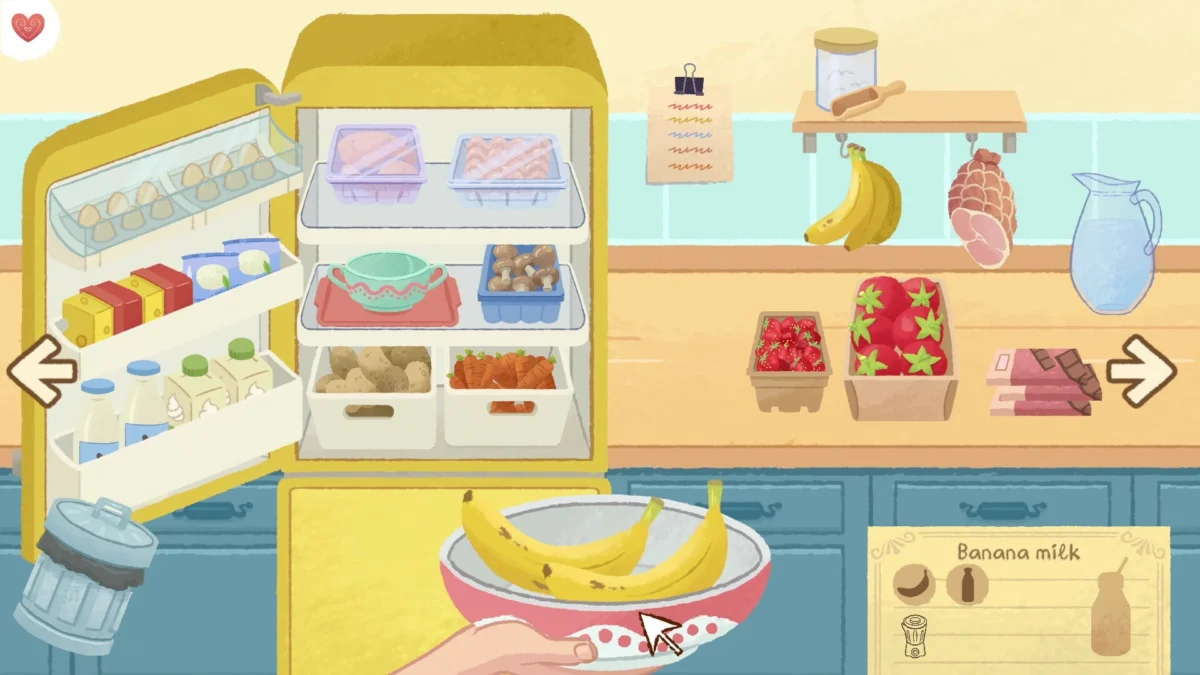
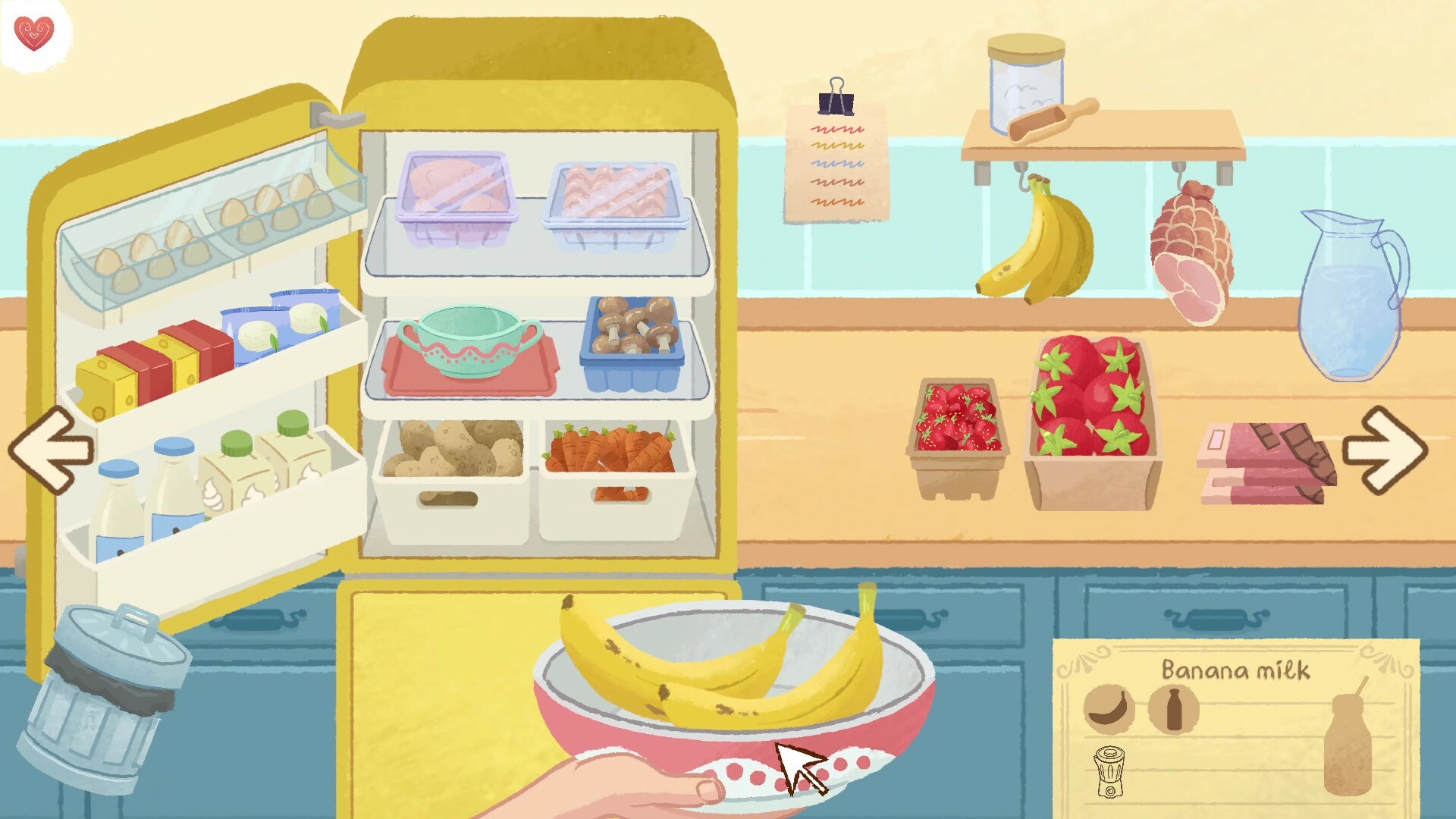
The game distinguishes itself through its aesthetic choices. Eschewing the frantic timers and shouting customers typical of the genre, Cook for Love opts for a calming, hand-drawn graphic style paired with a soothing acoustic soundtrack. The primary objective is not to maximize profit or survive a "dinner rush," but to master a vast array of recipes—ranging from simple vegetable purées to complex pasta dishes—through a step-by-step, point-and-click interface.
Key Specifications:
- Protagonist: Clement, an amateur French chef.
- Genre: Casual Simulation / Point-and-Click / Cozy Game.
- Platforms: Xbox Series X|S, Xbox One, Nintendo Switch, PC (Steam).
- Core Loop: Recipe discovery, ingredient preparation, multi-screen cooking, and plating.
II. Chronology: From Neighborly Gestures to Professional Service
The progression in Cook for Love follows a linear narrative path that mirrors Clement’s personal growth as a chef. The game’s pacing is intentionally slow, allowing players to absorb the atmosphere of Clement’s kitchen before the complexity of the tasks increases.
The Early Phase: Learning the Basics
In the opening stages, the stakes are low. Clement is primarily cooking for his neighbor, a narrative device that serves as a tutorial for the game’s core mechanics. During this period, the recipes are rudimentary. Players spend their time making "cream of" soups—tomato, leek, and potato. This phase introduces the player to the multi-screen layout of the kitchen, requiring them to move between the pantry, the prep station, the stove, and the plating area.
The Transition: Opening the Restaurant
As Clement gains confidence, the story moves forward to the official opening of his restaurant. However, the game maintains a peculiar chronological flow. Unlike traditional management sims where the opening of a business introduces new pressures, Cook for Love continues its "one dish at a time" approach. The player does not manage a dining room of multiple patrons; instead, they focus on the next specific dish Clement needs to learn.
The Recipe Evolution
The game organizes its content into "blocks" of similar food groups. Players may find themselves perfecting three variations of fruit pancakes before moving on to Italian-inspired pastas. This grouping allows for a sense of mastery over specific techniques (like flipping or boiling) before the game introduces new hardware or screens, such as the freezer or advanced blending stations.
III. Supporting Data: Mechanics, UI, and Technical Hurdles
While the visual and auditory presentation of Cook for Love is designed for relaxation, the technical implementation of its mechanics presents a more complex picture for the player.
The Inventory Constraint
The most significant mechanical hurdle in the game is the inventory system. The player is restricted to holding:
- One bowl item.
- Two plate items.
In a multi-step recipe, this creates a logistical bottleneck. For instance, when preparing a pasta dish that requires both a sauce and a boiled noodle, the player must navigate between screens multiple times to move components to the final plating area. If a recipe requires three different components to be staged simultaneously, the player must engage in a "back-and-forth" shuffle that many critics find more cumbersome than challenging.
The Logic of "Cozy" Physics
One of the more jarring aspects of Cook for Love is the inconsistency in its internal logic. While the game removes the pressure of a customer timer, it introduces "perishability" in ways that feel counter-intuitive.
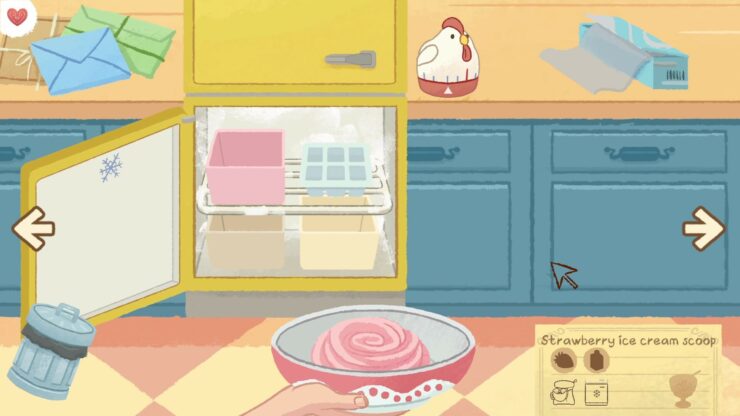
- The Freezer Paradox: If a player places ice in the freezer (to keep it cold) but leaves it there longer than the internal "step timer" suggests, the ice can actually "go bad" or become unusable.
- Ingredient Disconnect: Reviewers have noted that even when the fridge is stocked with specific ingredients (like cream or ham), the recipe steps sometimes ignore their presence during the preparation phase, only to have them magically appear in the final plated visual.
Visual and Auditory Performance
Data suggests that the game’s primary appeal lies in its "vibes." The hand-drawn art style remains consistent across all platforms, and the UI is designed with high visibility. Each recipe card features a clear set of instructions at the top of the screen, with an optional "deep dive" button for players who find the point-and-click icons ambiguous.
IV. Official Responses and Design Philosophy
While the developers have not issued a formal "day-one" patch response to specific criticisms regarding the inventory system, the design philosophy behind Cook for Love is clear from its marketing and structural choices.
The "Anti-Stress" Mandate
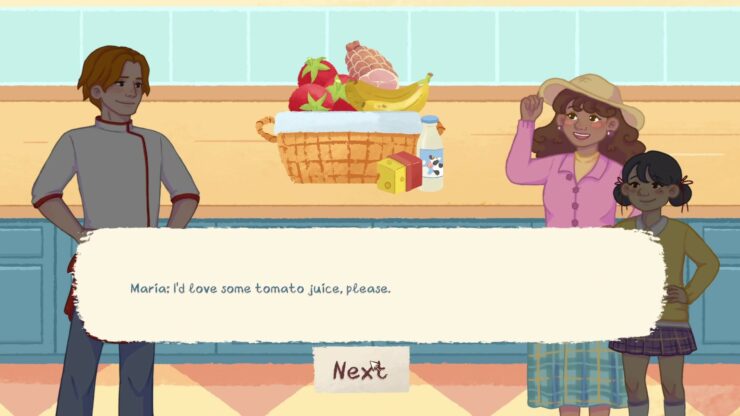
The developer’s intent appears to be the creation of a "lo-fi" gaming experience. By removing the traditional "fail state" associated with slow service, they have successfully courted the "Wholesome Games" community. The inclusion of story snippets from customers—even if those customers rarely comment on the flavor of the food—suggests a focus on narrative "flavor" over mechanical simulation.
Addressing the Cumulative Feedback
Industry analysts suggest that games like Cook for Love often prioritize the feeling of a task over the realism of the task. The cumbersome movement between screens is likely a deliberate attempt to simulate the physical movement of a kitchen within the constraints of a 2D interface. However, the "mixed feelings" from the player base regarding the repetitive nature of the recipes suggest that future updates may need to address the "sameness" of the mid-game blocks to maintain player engagement.
V. Implications: The Future of the Cozy Culinary Genre
The release and reception of Cook for Love provide valuable insights into the current state of the indie gaming market, particularly the "cozy" sub-genre that has exploded in popularity over the last four years.
The Saturation of Simplicity
Cook for Love proves that there is a dedicated audience for games that offer a "Saturday morning" experience—low stakes, pleasant music, and a sense of completion. However, it also serves as a cautionary tale for developers. As the market becomes saturated with "cozy" titles, players are beginning to demand more than just an aesthetic; they require mechanical depth and logical consistency.
The Narrative Gap
The game’s struggle to make the story feel "important" highlights a common issue in simulation games. When the gameplay (cooking) and the narrative (Clement’s life) are disconnected, the experience can feel like a series of disjointed chores. For future titles to succeed, the "Love" in Cook for Love needs to be reflected in the dialogue and the impact the food has on the world, rather than just being a title on a digital storefront.
Final Verdict: A Niche Delight with Room to Grow
Ultimately, Cook for Love is a successful mood piece. It captures the charm of a burgeoning chef’s life and offers a beautiful, if occasionally frustrating, way to spend a quiet morning. For players who can overlook the cumbersome inventory management and the strange logic of "spoiling ice," the game offers a genuine sense of peace. For the broader industry, it stands as a reminder that even in the world of relaxation, the "recipe" for a perfect game requires a careful balance of logic, flow, and heart.
Availability: Cook for Love is currently retailing on the Nintendo eShop, Microsoft Store, and Steam. It is recommended for players who enjoy titles like Unpacking or A Little to the Left, where the joy is found in the process rather than the pressure.