Sol Protocol Expands Frontiers: Singular Perception’s Co-op Space Roguelike Arrives on PC VR
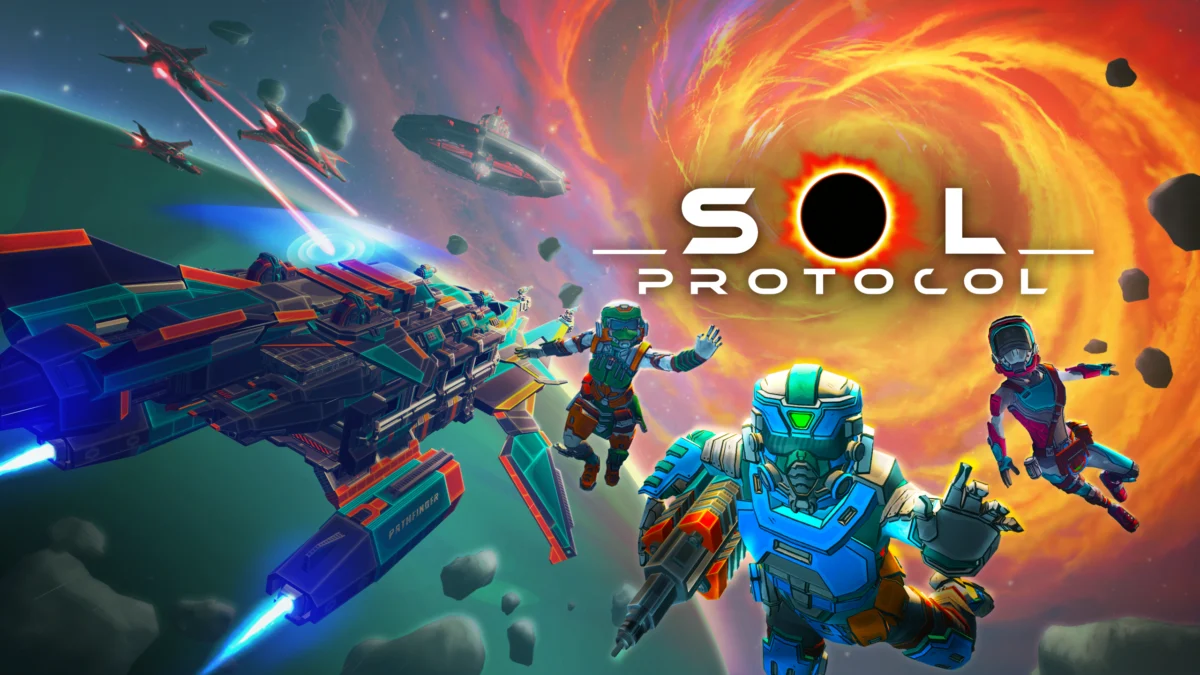
The landscape of virtual reality gaming continues to evolve as developers seek to bridge the gap between high-fidelity tethered experiences and the accessibility of standalone hardware. In the latest move to unify these two worlds, developer Singular Perception has officially launched the PC VR version of its procedurally generated co-op space roguelike, Sol Protocol. This release follows a successful initial debut on the Meta Quest 3 in September, signaling a new chapter for the title as it enters a broader Early Access phase.
As a title that blends the frantic teamwork of Star Trek: Bridge Crew with the unforgiving progression loops of the roguelike genre, Sol Protocol represents an ambitious attempt to create a sustainable, high-replayability ecosystem in VR. With the PC VR launch, the developers are not just increasing their player base; they are bringing enhanced visual fidelity and specialized tools—such as LIV support—to a community hungry for deep, collaborative experiences.
Main Facts: A New Vanguard in Cooperative Space Exploration
Sol Protocol is built upon a foundation of three-player cooperative gameplay. Unlike many VR titles that offer multiplayer as an ancillary feature, Sol Protocol is designed from the ground up to necessitate coordination. Players are thrust into the cockpit of a sophisticated spacecraft, where they must manage three distinct roles to survive the vacuum of space and the hostile entities within it.
The core gameplay loop is defined by its procedural nature. Each "run" involves navigating through interstellar systems that are never the same twice. Players must engage in tactical space combat, explore derelict space wrecks, and land on planetary depots to salvage essential resources. These resources are the lifeblood of the experience, used to repair damage sustained during dogfights and to upgrade the ship’s subsystems.
The progression system follows a classic risk-reward curve. Teams begin their journey in relatively stable, "safe" sectors of space. As the ship’s capabilities grow through salvaged upgrades, players can choose to venture into increasingly volatile systems. These dangerous zones offer rarer materials and more powerful technology but feature significantly higher difficulty spikes, embodying the "one more run" philosophy central to the roguelike genre.
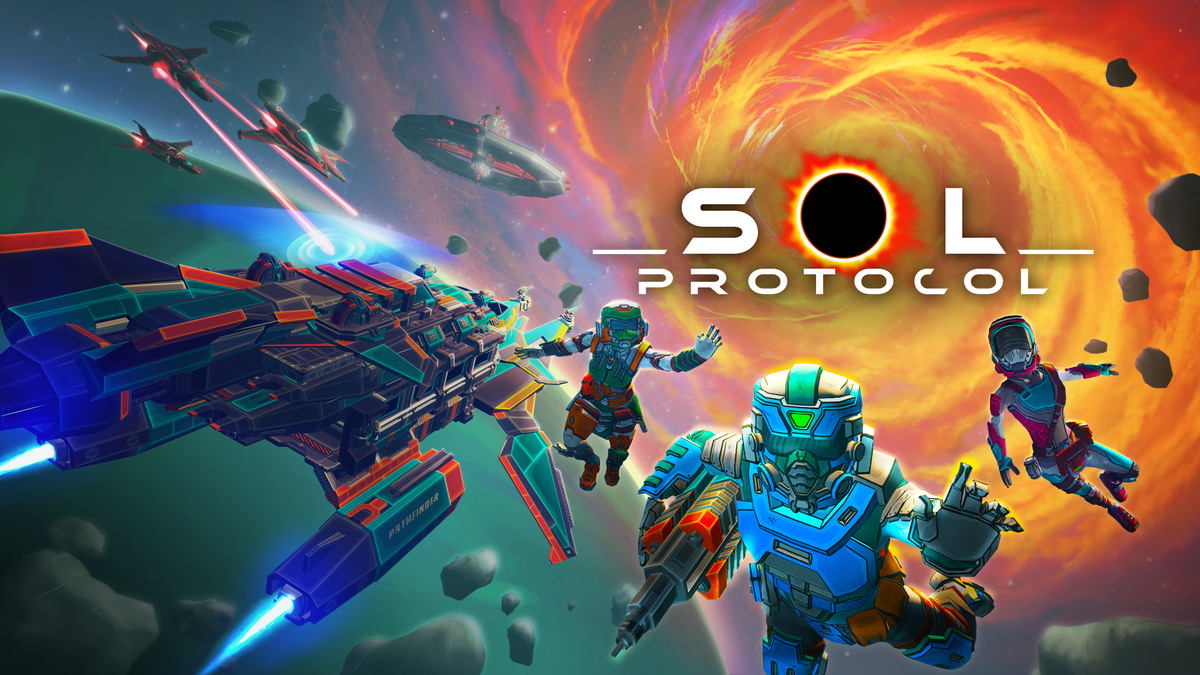
With the PC VR release, Singular Perception has ensured feature parity with the Quest 3 version, while also integrating platform-specific enhancements. Most notably, the inclusion of LIV support allows content creators to utilize mixed-reality capture, a move that highlights the developer’s intent to foster a visible and active community on platforms like Twitch and YouTube.
Chronology: From Quest 3 Foundations to PC VR Expansion
The journey of Sol Protocol has been one of rapid iteration and community-focused development. Understanding the timeline of its release provides context for its current state in Early Access.
- September 2024: The Initial Launch: Sol Protocol first arrived on the Meta Quest 3. This release served as the "proving ground" for the game’s core mechanics. Launching on the Quest allowed Singular Perception to tap into the largest active VR user base, gathering critical data on player behavior, ship balancing, and the stability of the three-player networking code.
- October 2024: Iteration and Refinement: Following the Quest launch, the developers focused on "quality of life" updates. Feedback from early adopters highlighted the steep learning curve and the necessity for better solo-play options. During this period, the developers began outlining the "Automa" bot system to address the needs of players who could not always find a full three-person crew.
- Early November 2024: The LIV Integration: Just prior to the PC VR launch, an update was pushed to include support for LIV. This was a strategic move to prepare the game for the PC VR audience, where high-end streaming and video production are more prevalent.
- Late November 2024: PC VR Early Access Debut: The game officially launched on Steam for PC VR. This version included all previous updates from the Quest version, ensuring that the new wave of players entered a more polished environment than the initial September testers.
Supporting Data: The Mechanics of Survival
To understand the appeal of Sol Protocol, one must look at the data-driven mechanics that govern its gameplay. The game relies on a "Triad" system of roles, which, while flexible, requires each player to master specific tasks:
- Pilot/Navigation: Responsible for maneuvering the ship through asteroid fields and maintaining positioning during combat.
- Tactical/Weapons: Manages the ship’s offensive capabilities, targeting enemy weak points and managing heat levels.
- Engineering/Support: The most frantic role, involving the physical repair of systems, power distribution, and resource processing.
Data from early playtests suggested that the game’s difficulty is non-linear. The procedural generation algorithm takes into account the ship’s current "Power Score" (a metric derived from installed upgrades) to determine the difficulty of enemy encounters. This prevents players from becoming "overpowered" too early, maintaining the tension required for a roguelike.
Furthermore, the resource economy is split into three tiers:

- Common Scrap: Used for basic hull repairs.
- Refined Elements: Required for subsystem upgrades (shields, thrusters).
- Exotic Isotopes: Found only in high-risk systems, these are necessary for "Legendary" ship modifications that can fundamentally change gameplay, such as teleportation drives or cloaking devices.
Official Responses and the Interactive Roadmap
Singular Perception has been transparent about the fact that Sol Protocol is a work in progress. In a departure from traditional development cycles, the studio has implemented an interactive voting system within the game’s main menu.
"The bones are there for a solid space explorer with a lot of room to grow," noted industry analysts during the initial Quest impressions. Singular Perception has echoed this sentiment, stating that the Early Access phase is specifically designed to let the community dictate the priority of new features.
The developer’s official roadmap, hosted on Notion and accessible to all players, lists several high-priority projects:
- The Automa System: This is perhaps the most requested feature. It will introduce AI-controlled bots to fill empty slots in a crew. This is a critical pivot for the game’s longevity, as it lowers the barrier to entry for solo players.
- Expanded Biomes: While the current procedural generation creates diverse star systems, the developers plan to add "Deep Space Anomalies" and "Gas Giant Depots" to increase visual and mechanical variety.
- In-Game Voting: By allowing players to vote on features directly in the lobby, the developers are creating a feedback loop that is significantly faster than traditional forum-based community management.
Implications: The Future of Co-op VR and the PC-Standalone Hybrid Model
The release of Sol Protocol on PC VR carries broader implications for the VR industry at large. It represents a growing trend where developers use the Meta Quest ecosystem as a launchpad to fund and refine their projects before bringing them to the more demanding PC VR market.
1. The Revitalization of the PC VR Ecosystem
For a period, there was a fear that PC VR was being abandoned in favor of standalone mobile chipsets. However, titles like Sol Protocol show that there is a symbiotic relationship between the two. The PC version offers the "definitive" visual experience, while the Quest version provides the player volume necessary to keep multiplayer servers populated.

2. The Shift Toward "Social Roguelikes"
Roguelikes are traditionally solitary experiences. By successfully grafting a three-player co-op requirement onto the genre, Sol Protocol is helping to define a new sub-genre: the "Social Roguelike." This shift is particularly potent in VR, where the sense of "social presence"—the feeling of actually standing next to your crewmates—enhances the emotional stakes of a difficult run.
3. The Importance of "Asymmetric" Difficulty
As the "Automa" system rolls out, it will be a test case for how VR developers handle asymmetric difficulty. Can an AI bot truly replicate the chaotic communication of a human engineer? If Singular Perception succeeds, it could set a new standard for how co-op VR games maintain accessibility without sacrificing the complexity that hardcore players crave.
4. Community-Driven Development as a Standard
The interactive lobby voting system is a bold experiment in democratic game design. If this leads to a more satisfied player base and a more balanced game, we may see more VR developers move away from "black box" development and toward this more transparent, roadmap-driven approach.
Conclusion
Sol Protocol is more than just another space shooter; it is a calculated bet on the power of cooperative play and procedural storytelling. By expanding to PC VR, Singular Perception has opened the airlocks to a new demographic of players who prioritize fidelity and streaming capabilities.
While the game is currently in its "foundational" stage, the infrastructure for growth—ranging from the resource economy to the interactive roadmap—is robust. As the "Automa" bots prepare for deployment and the community begins to cast its votes on the future of the Sol system, Sol Protocol stands as a testament to the potential of Early Access when handled with transparency and a clear vision for the stars. For now, the call remains the same: grab two friends, check your oxygen levels, and prepare for jump-drive engagement. The galaxy, in all its procedurally generated glory, is waiting.