
Neon Horizons: The Multi-Decadal Evolution of Blade Runner into the Immersive Frontier
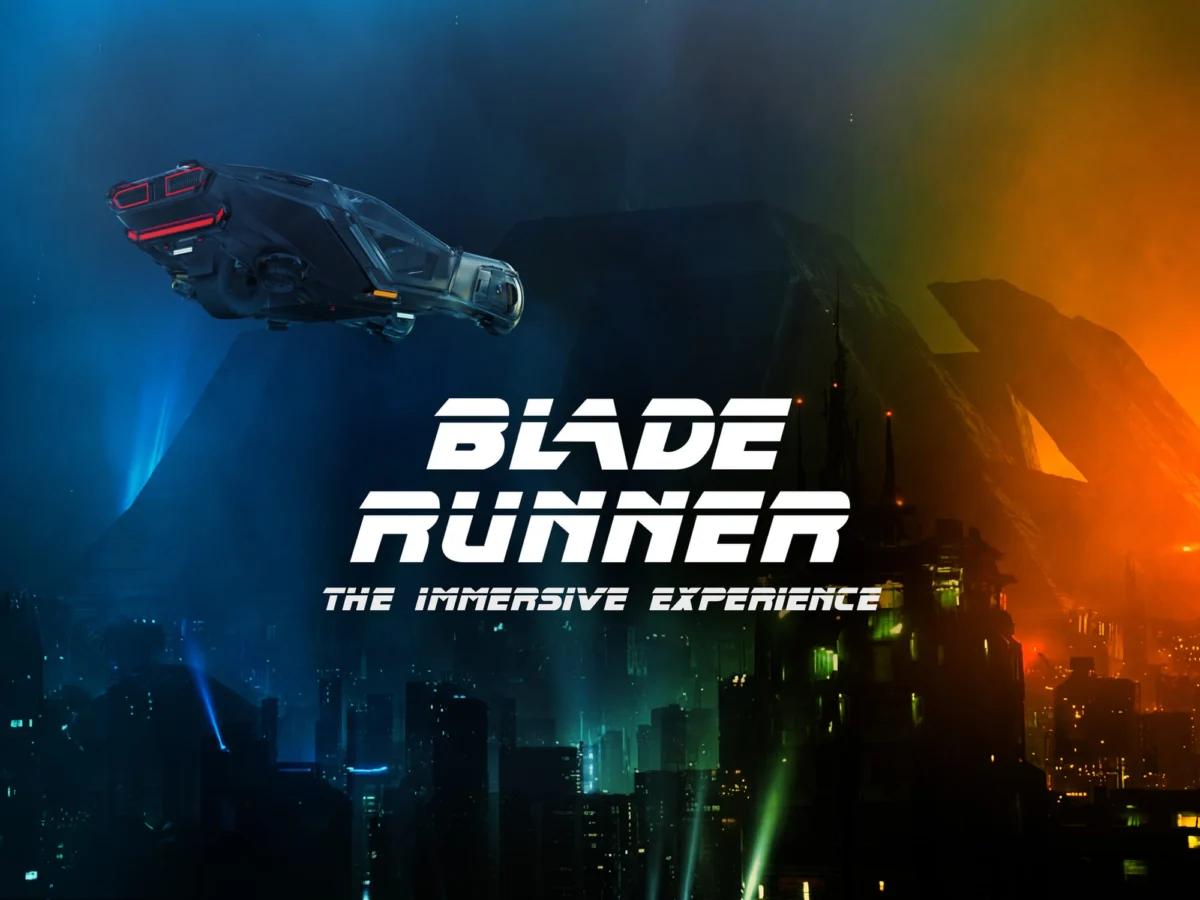
The rain-slicked, neon-drenched streets of Los Angeles, as envisioned by Ridley Scott in 1982 and later expanded by Denis Villeneuve in 2017, have long served as the definitive blueprint for the cinematic "future." For over forty years, the Blade Runner franchise has transcended the silver screen, influencing architecture, fashion, philosophy, and the very way we conceptualize the intersection of humanity and artificial intelligence. Now, that influence is set to take a physical, tangible form.
In a landmark announcement that bridges the gap between digital media and physical space, a new multisensory immersive experience based on the Blade Runner story world is slated to launch in 2027. This ambitious project marks a significant evolution in how intellectual property (IP) is consumed, moving away from passive observation toward active, location-based participation.
Main Facts: The 2027 Immersive Launch
The upcoming Blade Runner project is not merely a virtual reality (VR) game but a large-scale, location-based entertainment (LBE) installation. According to the official announcement, the experience will initially debut in "several North American cities" starting in 2027. This timeline is strategically significant, as it coincides with the anticipated release of Blade Runner 2099, the live-action series currently in development for Amazon Prime Video.
The Collaborative Powerhouse
The project is the result of a high-profile international collaboration involving several key players in the gaming, film, and immersive technology sectors:
- Behaviour Interactive: The renowned Canadian video game developer and publisher, best known for the massive success of Dead by Daylight, brings its expertise in narrative tension and interactive world-building.
- PHI Studio: A leader in the field of immersive storytelling and high-end technological installations, PHI Studio will spearhead the physical and sensory design of the experience.
- Alcon Entertainment: The rights holders of the Blade Runner franchise, Alcon ensures that the experience remains canon and aesthetically consistent with the established universe.
- Infinity Experiences: Serving as the distributor, this firm brings a proven track record of scaling immersive projects across global markets.
Financial and Regional Support
Reflecting the project’s scale and its importance to the creative economy of Quebec, the venture is backed by substantial financial institutions. Funding is provided by the National Bank of Canada and the Société de développement des entreprises culturelles du Québec (SODEC). This partnership highlights Montreal’s growing status as a global hub for immersive technology and digital arts.
Chronology: A Legacy of Cyberpunk Expansion
To understand the weight of the 2027 announcement, one must look at the franchise’s historical attempts to move beyond traditional cinema. Blade Runner has a storied history of experimentation with emerging media formats.
The Cinematic Foundation (1982–2017)
The original 1982 film established the "future-noir" aesthetic. Despite its initial lukewarm box office performance, it became a cult classic that defined the cyberpunk genre. In 2017, Blade Runner 2049 revitalized the IP, proving that there was a massive modern audience for slow-burn, philosophically heavy science fiction.
The First Wave of Immersive Media (2017–2018)
Around the release of Blade Runner 2049, Alcon Entertainment experimented with home-based VR to build hype:
- Replicant Pursuit (2017): A high-speed chase game released for Gear VR.
- Memory Lab (2017): A more narrative-driven experience for Oculus Rift and Gear VR that allowed players to explore the "memory manufacturing" aspect of the lore.
- Blade Runner: Revelations (2018): A deeper adventure game released for the Google Daydream platform.
While these projects were critically acclaimed for their atmosphere, they were limited by the hardware of the time and the relatively small install base of VR headset owners. The 2027 project seeks to rectify this by removing the barrier of hardware ownership, inviting the general public into a custom-built physical environment.
Supporting Data: The Rise of the Experience Economy
The decision to pivot toward location-based entertainment is backed by strong industry data and the success of previous ventures managed by Infinity Experiences.
The "Infinite" Benchmark
Infinity Experiences previously distributed Space Explorers: The Infinite, an immersive journey aboard the International Space Station. This project has welcomed over 500,000 guests across multiple cities, demonstrating a massive public appetite for high-fidelity, social, immersive experiences that do not require personal VR equipment.
The LBE Market Shift
The location-based entertainment market is currently undergoing a renaissance. While the early days of "VR Arcades" struggled, high-concept, IP-driven venues are thriving:
- Sandbox VR: Has seen massive success with its Squid Game and Stranger Things tie-ins.
- Zero Latency VR: Recently announced a Jumanji experience, focusing on free-roam movement.
- The Black Mirror Experience: Also operated by Infinity Experiences in Montreal, proving that "darker," more mature themes can attract significant foot traffic.
The Blade Runner IP is uniquely positioned for this market. Unlike "family-friendly" IPs, Blade Runner appeals to an older, more affluent demographic—those who grew up with the original film and younger tech-enthusiasts who appreciate the franchise’s visual and philosophical depth.
Official Responses: Staying True to the Essence
The production partners have emphasized that the 2027 experience will not be a "watered-down" version of the franchise. According to the joint announcement, the project aims to stay "true to the aesthetic and philosophical essence of Blade Runner."
Narrative Depth
Behaviour Interactive and PHI Studio have indicated that the experience will be "narratively rich." This suggests that visitors will not merely be looking at scenery but will be placed inside a story where their presence—and perhaps their choices—matter. The goal is to simulate the moral ambiguity and existential dread that characterizes the films.
Multisensory Integration
The use of the term "multisensory" is key. Industry insiders expect the experience to utilize:
- Haptic Feedback: Vibrating floors or wearable tech to simulate the rumble of a "Spinner" flying through a storm.
- Olfactory Tech: The use of scents (ozone, rain, street food) to ground the visitor in the dystopian environment.
- Spatial Audio: Advanced soundscapes that recreate the iconic Vangelis-inspired synth scores and the ambient noise of a crowded megalopolis.
Implications: The Future of Transmedia Storytelling
The 2027 launch of the Blade Runner immersive experience carries profound implications for the entertainment industry and the franchise’s future.
1. The "Transmedia" Synergy
The alignment with Blade Runner 2099 on Amazon Prime represents a sophisticated "transmedia" strategy. By launching a physical experience alongside a television series, Alcon Entertainment is creating multiple touchpoints for the audience. A fan can watch the show on Friday night and "walk" through its world on Saturday afternoon. This creates a feedback loop of engagement that traditional marketing cannot match.
2. Dystopian Tourism and the "Experience Economy"
There is a growing psychological fascination with "Dystopian Tourism." In an era of rapid AI advancement and climate uncertainty, audiences are increasingly drawn to worlds that explore these anxieties. Blade Runner provides a safe, controlled environment to explore the "what if" of our technological future. The immersive experience allows for a level of "world-building" that is literal—letting people touch and feel the dystopia they have only ever seen on screens.
3. Montreal as a Global Creative Hub
The involvement of the National Bank of Canada and SODEC reinforces Quebec’s strategy to lead the "Experience Economy." By investing in high-end IP like Blade Runner, the region is positioning its tech sector as more than just "back-end" support; it is becoming the creative engine for the next generation of global entertainment.
4. Overcoming the "Headset Hurdle"
The most significant implication is the democratization of immersive tech. For years, the VR industry has struggled with the "isolation" of the headset and the cost of entry. By creating a location-based, multisensory environment, the Blade Runner project removes these hurdles. It transforms a solitary digital activity into a social, cultural event, potentially reaching millions who would never buy a home VR system.
Conclusion
The 2027 Blade Runner immersive experience represents the pinnacle of location-based storytelling. By combining the narrative pedigree of Alcon Entertainment, the technical prowess of Behaviour Interactive and PHI Studio, and the distribution power of Infinity Experiences, the project is poised to set a new standard for how we interact with our favorite fictional universes.
As we approach the late 2020s, the line between the "real" world and the "reel" world continues to blur. For those who have spent decades wondering what it would be like to stand on a rain-soaked balcony in a future Los Angeles, the answer is finally within reach—not as a Replicant, but as a participant in a new era of human entertainment.

Leave a Comment