
Subnautica 2: Diving Deeper into Dread and Beauty with Unreal Engine 5
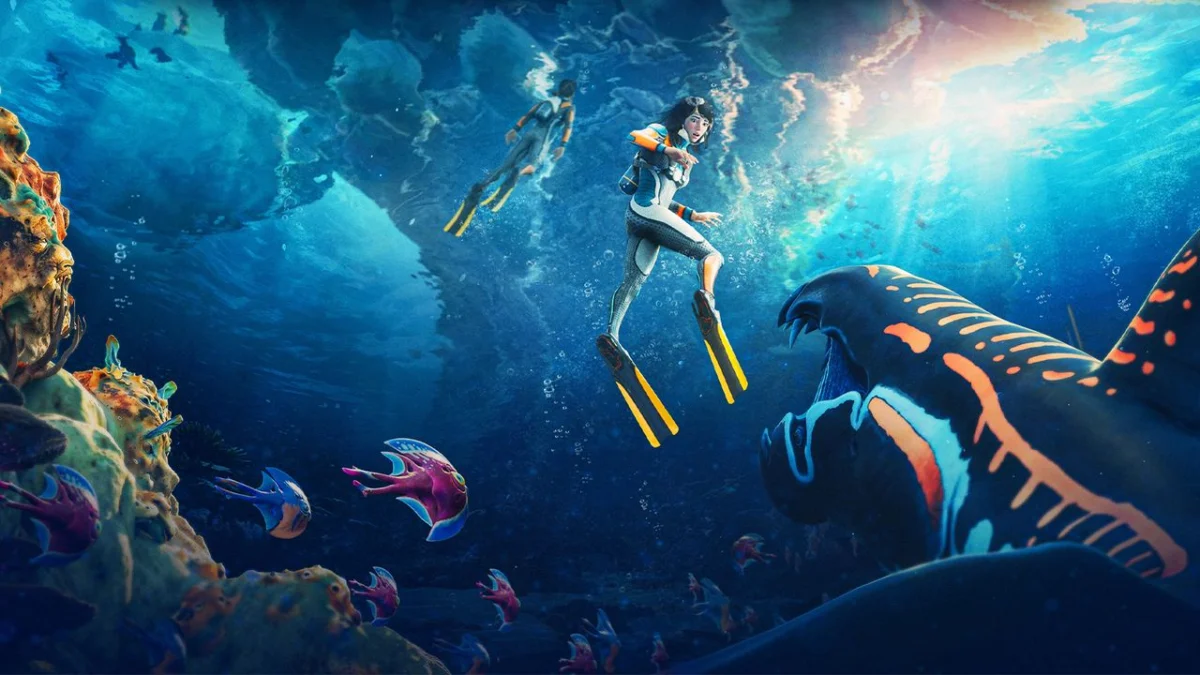
The highly anticipated sequel to the beloved underwater survival game promises a refined blend of awe-inspiring exploration and primal fear, leveraging cutting-edge technology to amplify its signature atmosphere.
[City, Date] – As the digital gates to Subnautica 2’s early access swing open today, a recent deep dive into its gameplay mechanics has illuminated a crucial aspect of its design: the masterful manipulation of player perception to cultivate an atmosphere of profound unease interwoven with breathtaking beauty. Far from being a mere technical showcase for Unreal Engine 5’s water rendering capabilities, Subnautica 2 is meticulously crafted to evoke a potent sense of eerie dread, transforming exploration into an experience that plays on our deepest psychological responses to the unknown.
The original Subnautica carved a unique niche by balancing the sheer joy of discovery with a palpable sense of vulnerability. Players were drawn into its meticulously realized alien oceans, eager to uncover their secrets, yet constantly aware of the lurking dangers just beyond the reach of their lights. Subnautica 2 builds upon this foundation, utilizing the advanced visual fidelity of Unreal Engine 5 and a carefully honed gameplay loop to exploit our innate reactions to limited visibility, vast distances, and the human tendency to fill in the blanks left by the inky blackness of alien abysses. The game’s aquatic environments are not simply striving for photorealism; they are engineered to amplify the fear of uncertainty, a core tenet of the Subnautica experience.
The Art of Unseen Terrors: Crafting Eerie Dread
Lead game designer Anthony Gallegos articulated this philosophy during a recent presentation, stating, "We really try and hide the stuff that’s on the horizon so that you still get those blurry, moving creatures on the edge of your view." This deliberate design choice is central to the game’s success in tapping into thalassophobia – the deep-seated fear of dark, vast bodies of water. The original Subnautica excelled at creating an environment where the unseen was as terrifying as the seen, with shifting shapes lurking just beyond the periphery. Subnautica 2 promises to elevate this by leveraging Unreal Engine 5 to imbue these unsettling glimpses with a new level of tangible realism.
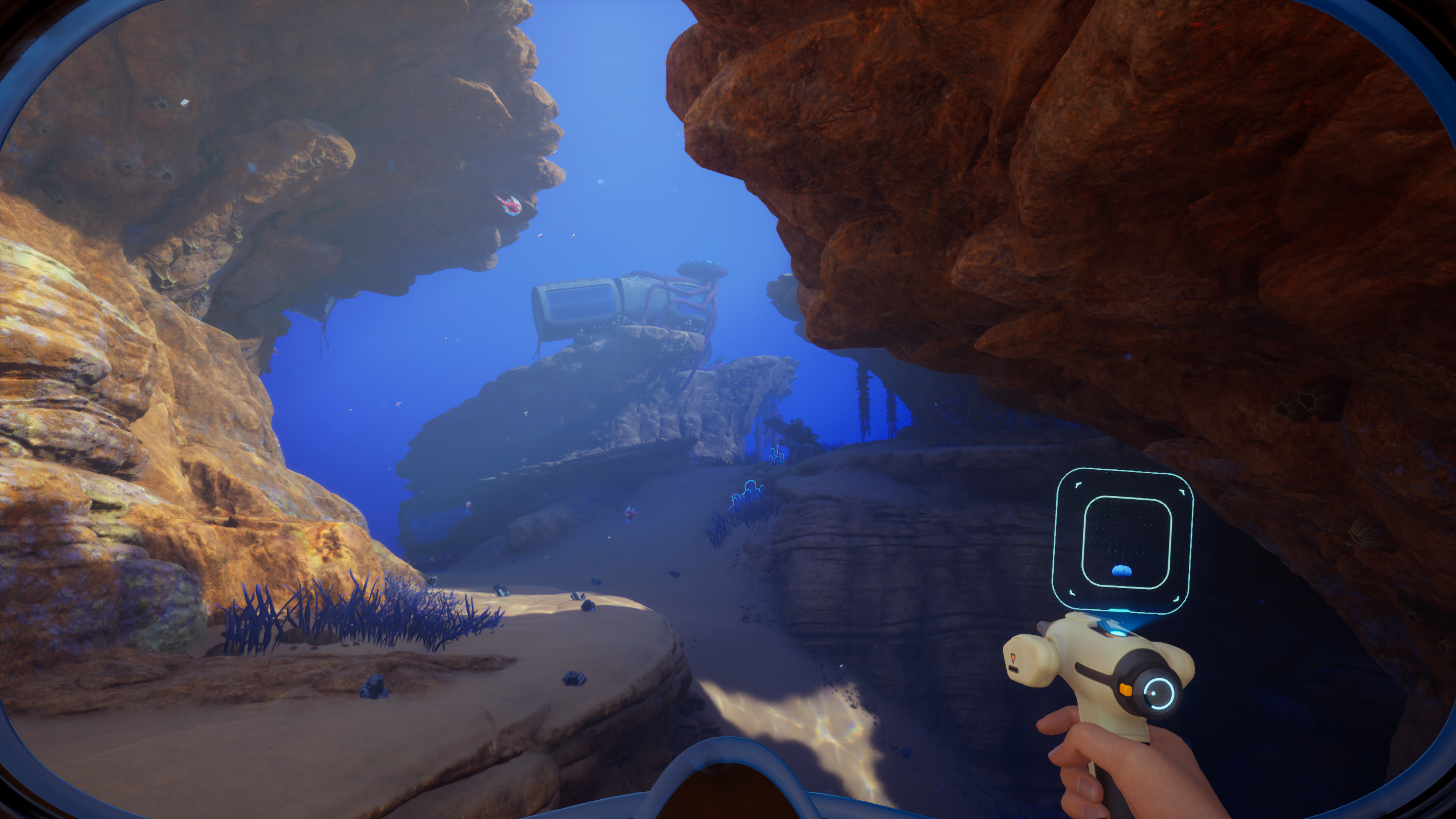
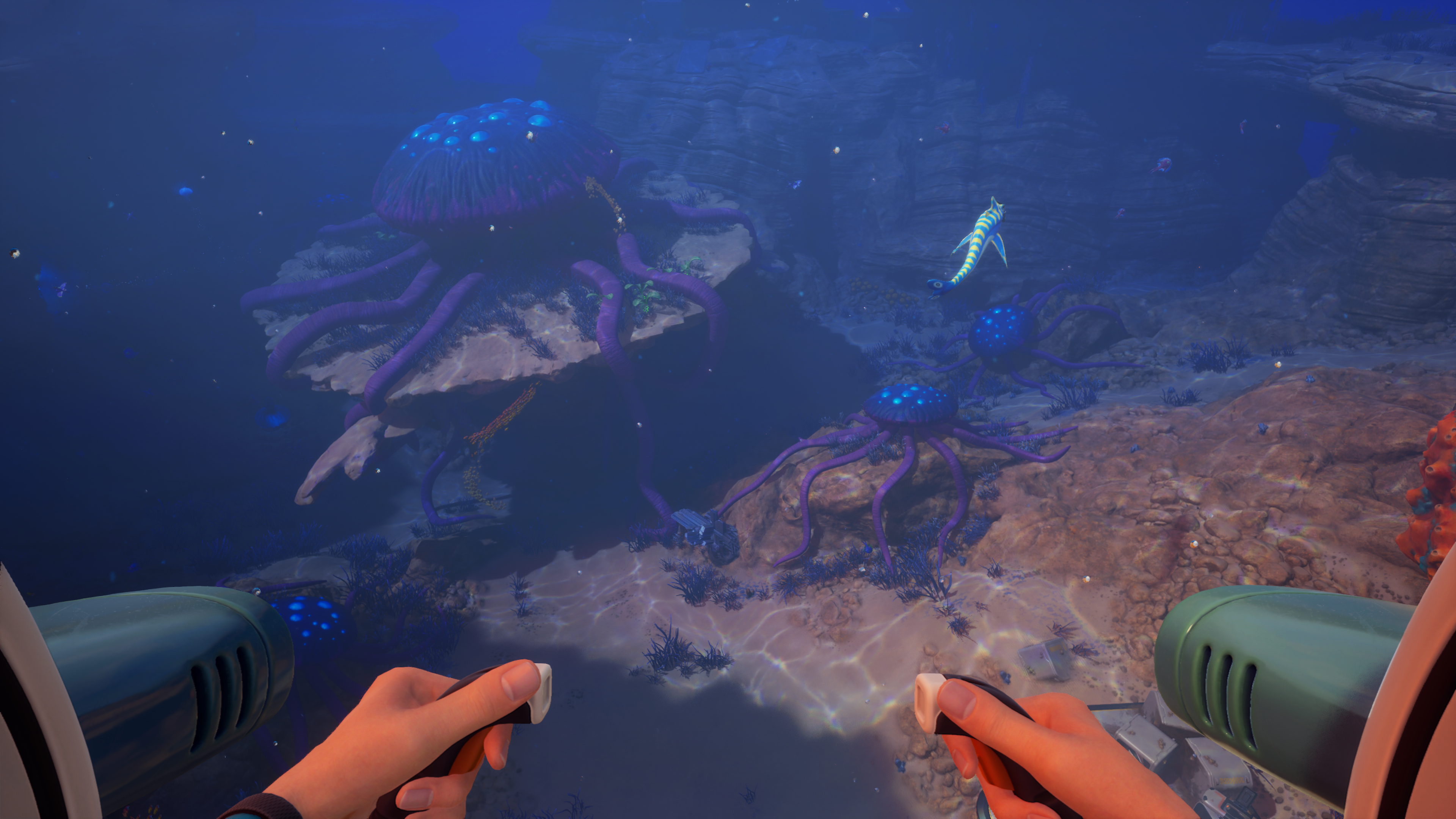
During a hands-on demonstration, the visual splendor of the game was evident. Vibrant, deep blues permeated the water, with light diffusing and reflecting off submerged rock formations. The shimmer of unseen aquatic life, tantalizingly close yet indistinct, flickered just ahead. However, beneath this surface beauty, the depths remained shrouded in darkness, hinting at hidden mysteries and potential threats that belied the serene facade. This duality of captivating beauty and lurking danger is the game’s most compelling hook.
Unreal Engine 5: Illuminating the Abyss, Amplifying the Fear
The enhanced atmospheric tension in Subnautica 2 is significantly driven by Unreal Engine 5’s sophisticated lighting and rendering systems. Gallegos highlighted the leap in fidelity offered by Nanite and Lumen, which provide "lighting opportunities for us to create some really beautiful areas." Yet, beauty in Subnautica has never been synonymous with safety. Instead, it often acts as a siren’s call. Early biomes typically rely on bioluminescence to guide players and create an inviting initial impression. As players venture deeper, the light gradually recedes, plunging them into more oppressive waters where visibility diminishes, and a disorienting sense of uncertainty takes hold.
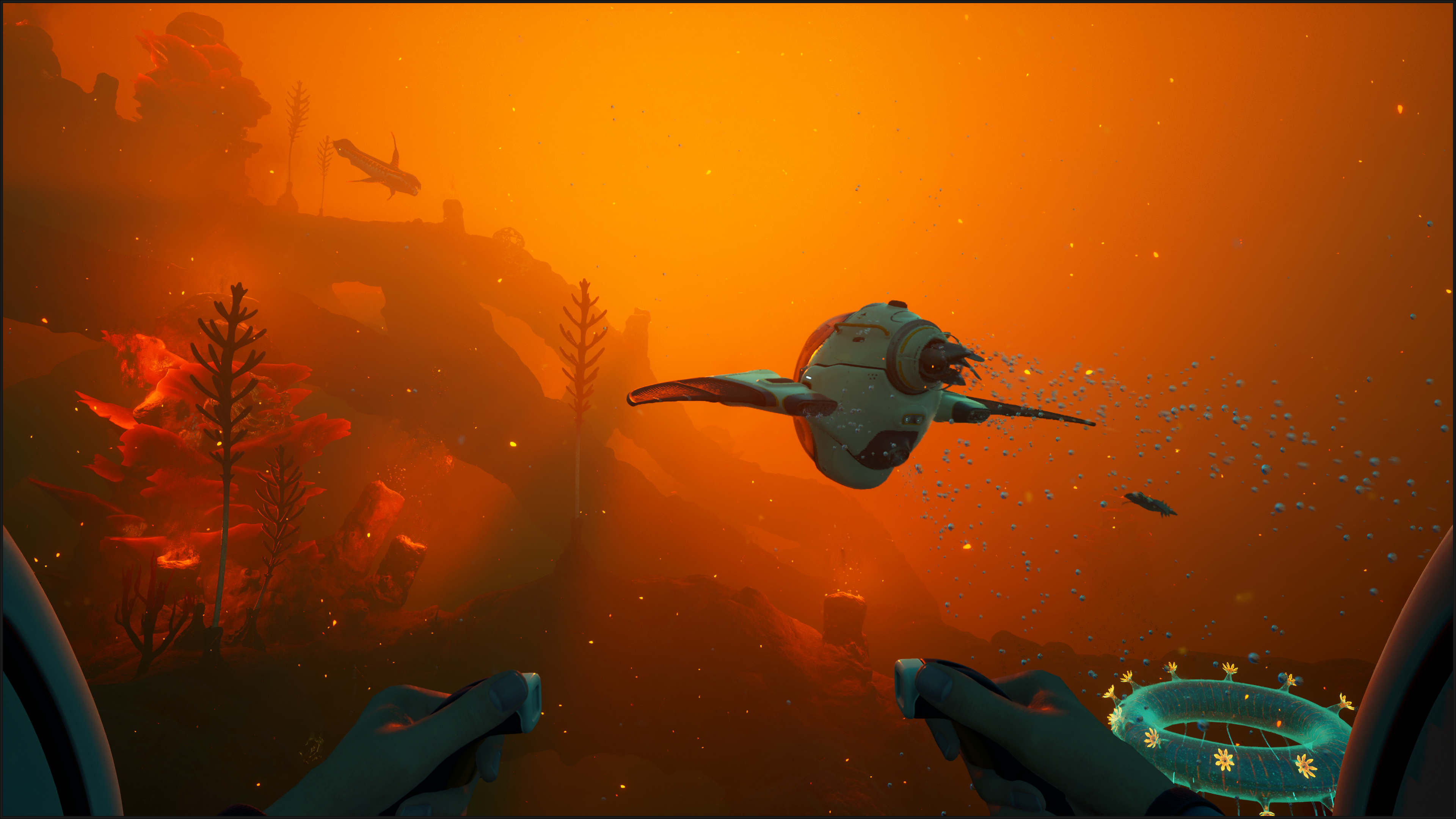
This advanced lighting system is intrinsically linked to the experience of the alien world, particularly within the new "Bloom" zones. These infected areas are characterized by desaturated color palettes, murky visibility, and corrupted root systems spreading across the seabed. The marine life within these regions is more aggressive, exhibiting distinct behavioral patterns compared to their uninfected counterparts. Gallegos described the infected creatures as akin to "underwater zombies," but he was careful to frame them not as malevolent entities but as afflicted beings. This distinction is crucial, as Subnautica 2 is not a combat-heavy horde shooter; its gameplay remains rooted in exploration and survival, leaning towards an ecological and unsettling narrative.
A Living, Breathing Ecosystem: Creatures as Part of a System
The ecological theme is a pervasive element in the development team’s discussions. Creatures in Subnautica 2 are no longer conceived as mere obstacles for the player but as integral components of a dynamic, living ecosystem that functions independently of the player’s presence. The demonstration showcased a Hammerhead-like species breaching coral as part of its natural behavioral loop. Leviathans drift through the deep, their actions dictated by their own alien imperatives, and smaller creatures interact with each other rather than passively awaiting player intervention.
The Evolution of Base Building: From Utility to Artistry
While the core loop of exploration and survival remains intact, Subnautica 2 reimagines the game’s base-building mechanics, transforming them into a form of underwater architectural design. The familiar modular snap-together system has been re-envisioned with what the development team calls a "sculptural" approach to crafting. Scott MacDonald explained that the team drew inspiration from clay-extrusion tools used in 3D modeling software, such as Maya and Blender. Instead of assembling rigid room modules, players can now push, pull, and organically reshape spaces. This allows for the creation of curved interiors, elongated corridors, expansive moon pools, and sweeping viewing galleries that feel more akin to digital architecture than traditional crafting systems.
Gallegos elaborated on the subtle yet impactful details, such as the ability to reshape furniture around corners or scale windows from small portholes to expansive wall-sized openings for breathtaking vistas. The dynamic lighting system, powered by Lumen, interacts seamlessly with these organically shaped structures, ensuring that the ambiance of a base changes dynamically. This elevates bases from purely utilitarian structures for resource storage to artistic expressions that significantly contribute to the game’s mood. Earlier experiments with more traditional piece-by-piece construction were abandoned, as they disrupted immersion, particularly when underwater spaces required flooding or draining during the building process. The sculptural system elegantly sidesteps these issues, preserving the game’s fantasy while unlocking a far greater range of expressive possibilities.

The Persistent Shadow of Isolation, Even in Co-op
Despite the introduction of optional co-operative gameplay, the studio remains committed to preserving the series’ defining sense of isolation. There is no enforced proximity system, no "leash," and no requirement for players to stay together. As Gallegos aptly put it, Subnautica 2 is still "a single-player game that you can add people into." In practice, this means that players can easily drift kilometers away from their companions, finding themselves once again alone in the deep, surrounded only by the subtle movements at the edge of their visibility.
Adaptation Over Domination: The Core Philosophy
Once players find themselves isolated in the vast ocean, Gallegos emphasized the game’s intent to push players towards adaptation and avoidance rather than outright domination. The goal is not to hunt and kill the large, dangerous creatures of the ocean. This aligns with Subnautica 2’s core purpose, which centers on survival and the psychological impact of the unknown. Removing the source of that inherent tension would undermine the game’s fundamental design.
A Symphony of Spectacle and Discomfort
When viewed holistically, and amplified by the new realism afforded by Unreal Engine 5, all these elements coalesce to reinforce a singular idea: Subnautica 2 is not striving to make the ocean more controllable, but rather more uncertain. This is where Unreal Engine 5’s implementation shines brightest. It’s not merely about creating a more spectacular ocean, although it certainly achieves that. Its true power lies in heightening discomfort, pushing the psychology of fear to its limits, and fostering the unsettling realization that the ocean operates on principles you are not meant to fully comprehend, leaving you alone to simply survive.
Subnautica 2 launches in Early Access on Steam today.



Leave a Comment