
The Quiet Architect: Takashi Tezuka’s Enduring Legacy at Nintendo
Nintendo’s foundational titans are often lauded for their revolutionary leaps in interactive entertainment. While Shigeru Miyamoto’s name is synonymous with the birth of iconic franchises like Mario and Zelda, the contributions of his long-time collaborator, Takashi Tezuka, are equally monumental, albeit often less celebrated. This article delves into the profound impact of Tezuka, exploring his pivotal role as a co-creator, director, and producer who shaped the very DNA of Nintendo’s most beloved games, from the pixelated dawn of the 1980s to the cutting edge of modern gaming.
The Unseen Hand: Tezuka’s Integral Role in Nintendo’s Golden Age
Takashi Tezuka, a name that may not resonate with the same immediate recognition as Shigeru Miyamoto, stands as a pillar of Nintendo’s creative dynasty. For decades, Tezuka served as Miyamoto’s trusted confidant and right-hand man, a partnership that yielded some of the most influential and enduring video games in history. His journey began at Nintendo in 1984, not as a game designer, but as a graphic artist with a nascent understanding of the burgeoning medium. Yet, his rapid ascent and profound impact underscore a remarkable talent for absorbing, innovating, and ultimately, shaping the interactive landscape.
From the groundbreaking "Super Mario Bros." and the foundational "The Legend of Zelda" to the charmingly peculiar "The Legend of Zelda: Link’s Awakening" and the vibrant "Super Mario Bros. Wonder," Tezuka’s creative fingerprints are indelibly etched onto a vast swathe of Nintendo’s celebrated catalog. He was not merely a follower of Miyamoto’s vision; he was an active co-architect, a producer and director whose unique perspective consistently pushed the boundaries of game design. This collaborative spirit, characterized by a deep understanding and mutual respect, allowed for the exploration of new ideas and the meticulous refinement of existing ones, resulting in experiences that continue to captivate players across generations.
Tezuka’s influence extends beyond the immediate development of these landmark titles. As a producer, he has overseen a generation of Nintendo talent, ensuring that the core philosophies of creativity, innovation, and player-centric design are passed down. This dedication to mentorship and the cultivation of a strong company culture has been instrumental in Nintendo’s sustained success and its ability to consistently deliver high-quality, memorable gaming experiences. His legacy is not confined to the games he directly worked on, but is woven into the very fabric of Nintendo’s ongoing creative endeavors.
A Chronicle of Collaboration: From Sprites to Masterpieces
Takashi Tezuka’s entry into Nintendo in 1984 marked the beginning of a transformative era for both the company and the video game industry. Armed with a background in graphic design and a nascent, yet rapidly developing, passion for interactive entertainment, Tezuka quickly found his footing. His initial contributions involved crafting sprites for the iconic "Punch-Out!!" arcade game, a task that honed his visual design skills and provided a foundational understanding of game mechanics.
However, it wasn’t long before Tezuka was thrust into a more significant role. He began assisting Shigeru Miyamoto on the design of "Devil World," one of Miyamoto’s earliest console endeavors. This early collaboration proved to be a fertile ground for developing their working dynamic. The true watershed moment, however, arrived less than a year later with the release of "Super Mario Bros." for the Nintendo Entertainment System (NES). Tezuka is credited as a co-designer alongside Miyamoto on this seminal title, a testament to his immediate impact and his ability to contribute meaningfully to a project that would fundamentally redefine the platforming genre and set new standards for game design worldwide.
The early 1980s were a period of rapid experimentation in video games, and "Super Mario Bros." emerged as a beacon of innovation. It shattered existing conventions, introducing meticulously crafted level design, intuitive controls, and a sense of forward momentum that was unprecedented. Tezuka’s contribution to this revolutionary title is often highlighted by the notion that, as a newcomer with less ingrained understanding of existing game design paradigms, he was free to approach problems with fresh eyes. This "unlearning what you don’t know" philosophy, as articulated in the original article, allowed for a more uninhibited exploration of possibilities, a characteristic that would define many of their subsequent collaborations.
The success of "Super Mario Bros." paved the way for another legendary franchise. Tezuka played a crucial role in the development of the original "The Legend of Zelda." While Miyamoto is widely recognized as the creator of the series, Tezuka’s involvement as a director and producer was instrumental in shaping its expansive world, engaging puzzles, and sense of adventure. The duo’s ability to work in lockstep, combining Miyamoto’s visionary concepts with Tezuka’s meticulous execution and creative input, became a hallmark of Nintendo’s development process.
The early 1990s saw the partnership reach new heights with the advent of the Super Nintendo Entertainment System (SNES). Tezuka served as producer for "Super Mario World" and director for "The Legend of Zelda: A Link to the Past," two titles that are widely regarded as masterpieces of their respective franchises. These games showcased a refined understanding of their established formulas, pushing graphical boundaries and expanding gameplay possibilities while retaining the core magic that made their predecessors so beloved.
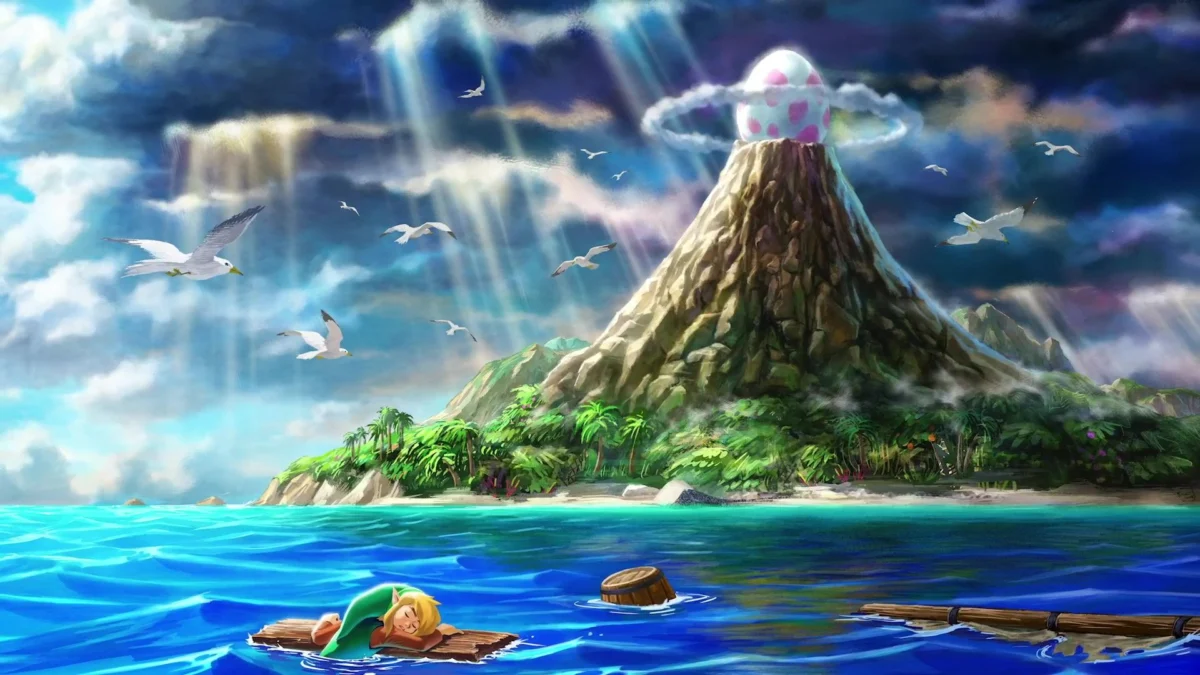
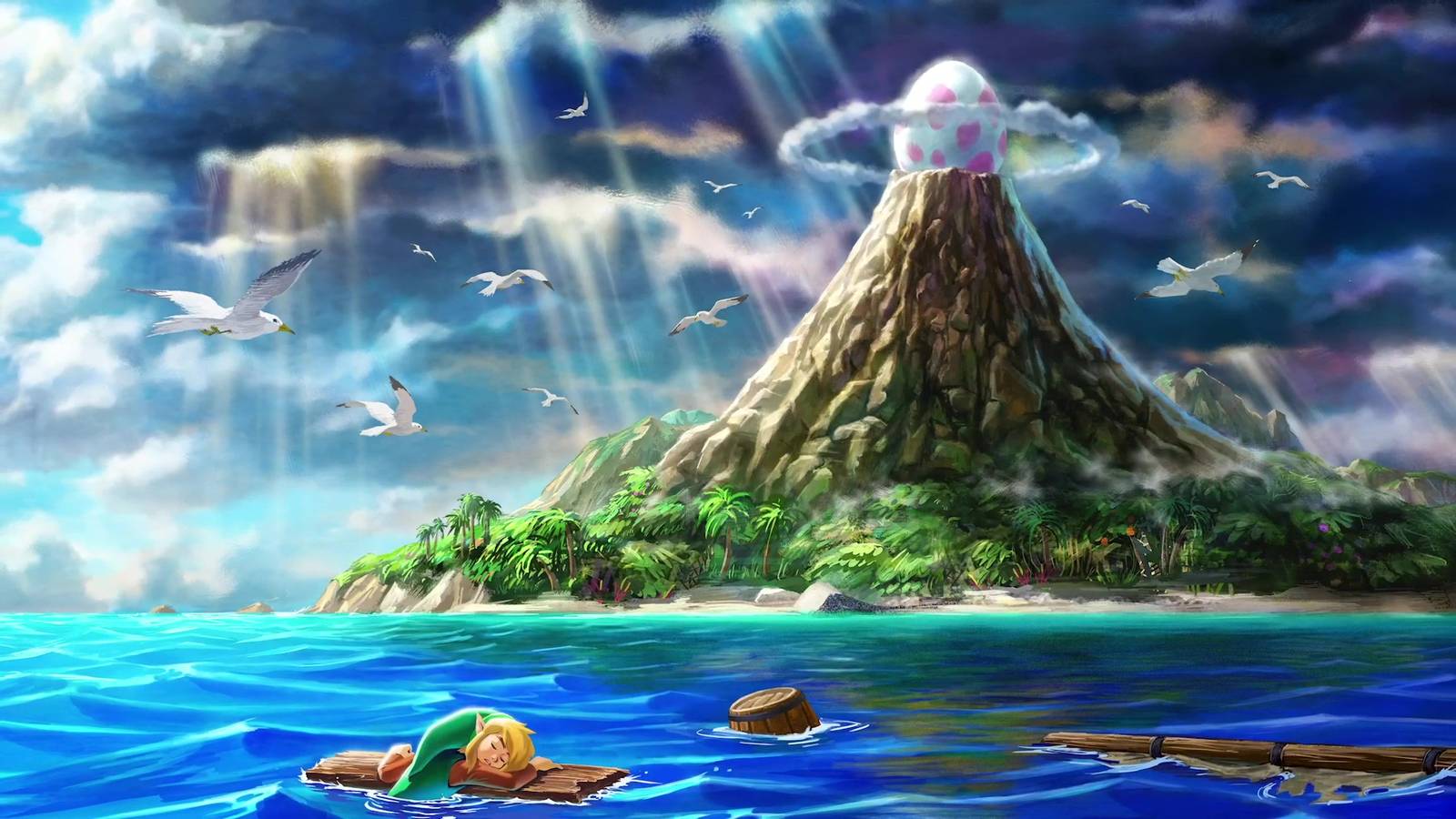
However, it was with "The Legend of Zelda: Link’s Awakening" for the Game Boy in 1993 that Tezuka truly stepped into the spotlight as a lead visionary. As the director of the first handheld Zelda title, he was given the freedom to explore a more experimental and personal direction. In an interview for "Iwata Asks," Tezuka revealed his desire to create a Zelda game that was almost a "parody" of the established formula. Inspired by the surreal and character-driven narratives of David Lynch’s "Twin Peaks," Tezuka deliberately stripped away familiar elements like the Triforce, Hyrule, and even Princess Zelda herself.
This bold departure led to a game filled with eccentric characters, dreamlike logic, and a narrative that delved into themes of illusion and reality. Furthermore, Tezuka’s playful and post-modern approach saw him seamlessly integrate characters and elements from the Mario and Kirby universes into the otherwise distinct Zelda world. "Link’s Awakening" deconstructed the traditional fantasy tropes of the series, injecting a subtly satirical and even sinister undertone that has continued to influence subsequent Zelda titles. This willingness to experiment and subvert expectations, while staying true to the core spirit of the franchise, solidified Tezuka’s reputation as a creative force in his own right.
Supporting Data and Creative Philosophy
The impact of Takashi Tezuka’s contributions can be quantified not only by the critical and commercial success of the games he has been involved with but also by the enduring influence of his creative philosophy. His approach to game design, characterized by a blend of meticulous detail, a quirky sense of humor, and a deep understanding of player psychology, has become a cornerstone of Nintendo’s development ethos.

One of the most striking aspects of Tezuka’s creative process, as evidenced by "Link’s Awakening," is his willingness to embrace the unconventional. While Miyamoto often focused on establishing core gameplay loops and iconic characters, Tezuka demonstrated a talent for injecting unexpected elements and narratives that added depth and personality to these established worlds. His co-creation of Yoshi, a beloved character known for his friendly demeanor and unique abilities, further exemplifies his ability to craft memorable and engaging additions to existing franchises.
Tezuka’s role as a producer has also been crucial in nurturing new talent and instilling Nintendo’s core values. In an era where the foundational principles of video game design are becoming increasingly codified, the ability for a unique creative mind like Tezuka’s to emerge and reshape the medium is becoming rarer. However, Nintendo’s strength lies in its ability to absorb and disseminate the distinct creative energies of its most talented individuals. Tezuka’s gradual shift into more supervisory roles has allowed his influence to permeate through successive generations of developers, ensuring that the spirit of innovation and thoughtful design continues to thrive within the company.
The "Switchboard" newsletter, where this article originated, serves as a testament to Nintendo’s commitment to fostering a robust internal culture. By highlighting the contributions of individuals like Tezuka, Nintendo reinforces the importance of collaborative creativity and the long-term impact of dedicated craftsmanship. The inclusion of segments like "eShop game of the week," "Nintendo Music track of the week," and "Nintendo Classics game of the week" further demonstrates a dedication to showcasing a diverse range of gaming experiences and celebrating the rich history of the medium.
Official Responses and Legacy
While official statements from Nintendo often focus on the collective achievements of their development teams, the consistent involvement of Takashi Tezuka in their most significant projects speaks volumes about his standing within the company. His long tenure and consistent presence in directorial and producer roles on major releases, including recent hits like "Super Mario Bros. Wonder" and "Pikmin 4" (released in 2023, predating the fictional 2026 publication date of this article), underscore his ongoing importance.
The "Iwata Asks" series, a valuable resource for understanding Nintendo’s creative process, frequently features interviews with key developers, including Tezuka. These discussions offer invaluable insights into his motivations, design choices, and collaborative relationships. The fact that these interviews are prominently published and archived by Nintendo itself indicates their recognition of Tezuka’s significant contributions and his role as a custodian of the company’s creative legacy.
The enduring appeal of games like "Super Mario Bros.," "The Legend of Zelda," and their numerous sequels can be attributed, in no small part, to the unique synergy between Miyamoto and Tezuka. Their partnership represents a golden age of game development where experimentation and artistic vision were paramount. Tezuka’s ability to blend his artistic sensibilities with a deep understanding of gameplay mechanics has resulted in experiences that are not only fun to play but also possess a distinct charm and character.

The Enduring Echo: Tezuka’s Impact on Future Generations
The departure of a seasoned creative force like Takashi Tezuka, even into more supervisory roles, inevitably sparks reflection on their lasting impact. While the article notes that "it’s no longer possible for an outside mind like Tezuka’s to enter gaming and reshape it," this sentiment speaks more to the maturation of the industry than to a diminishment of Tezuka’s influence. His legacy at Nintendo is not one of a fleeting trendsetter, but of a foundational architect whose ideas and methodologies are deeply ingrained in the company’s DNA.
Nintendo’s consistent strength as a developer lies in its ability to cultivate and perpetuate a unique company culture. This culture, heavily influenced by the pioneering work of individuals like Tezuka and Miyamoto, emphasizes innovation, meticulous craftsmanship, and a player-first approach. Tezuka’s ongoing involvement in a supervisory capacity ensures that these principles are passed down to new generations of developers. His quiet guidance and the lessons learned from his decades of experience continue to shape the creative direction of Nintendo’s upcoming projects.
The games that Tezuka has helped bring to life are more than just entertainment; they are cultural touchstones that have inspired countless individuals. His contributions to the "Mario" and "Zelda" franchises, in particular, have not only defined genres but have also fostered a sense of wonder and adventure for millions worldwide. Even as new technologies and trends emerge, the core design philosophies championed by Tezuka—the emphasis on intuitive gameplay, memorable characters, and imaginative worlds—remain timeless and continue to resonate with players.
In conclusion, Takashi Tezuka’s career at Nintendo is a masterclass in creative collaboration and enduring influence. While often operating in the shadow of his more publicly recognized counterpart, his impact on the video game industry is undeniable and profound. From his early days as a graphic designer to his pivotal roles as a co-designer, director, and producer, Tezuka has been instrumental in shaping some of the most beloved and iconic gaming experiences of all time. His legacy is not merely a collection of past achievements but a living, breathing testament to the power of thoughtful design, creative vision, and the enduring magic of Nintendo. He will be missed in direct development, but his spirit, his ideas, and his influence will undoubtedly continue to guide Nintendo’s journey for years to come.




Leave a Comment