
The Little Grey Cells Return: BBC Greenlights Major Hercule Poirot Revival
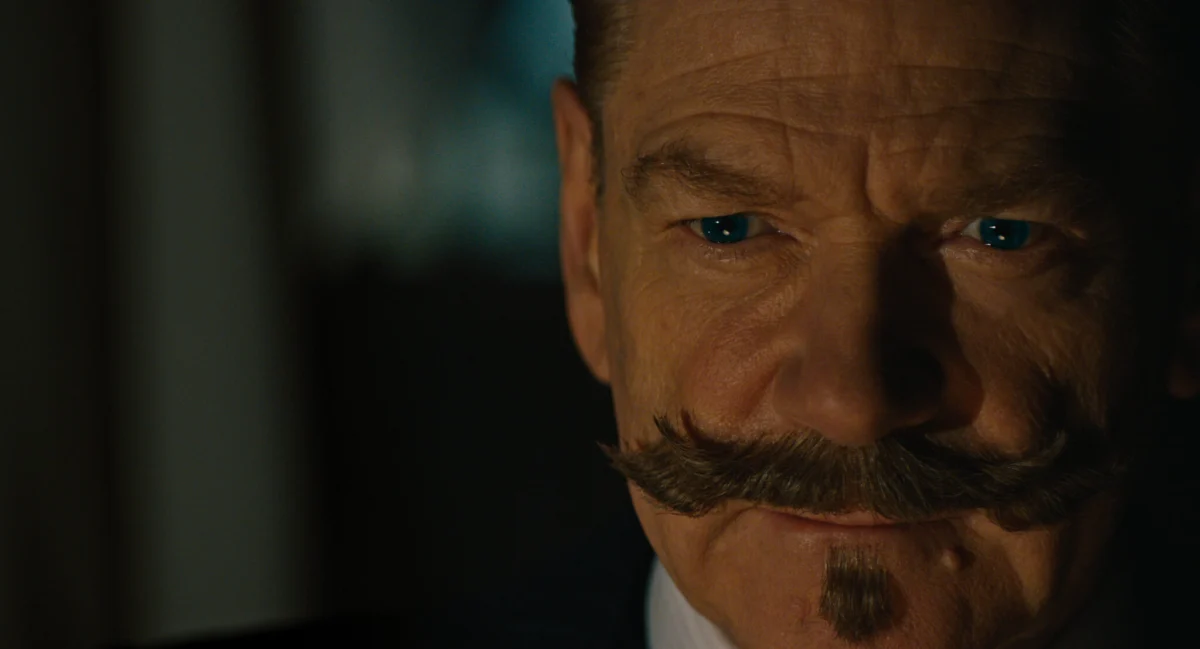
London, UK – May 26, 2026 – The iconic Belgian detective, Hercule Poirot, is set to make a triumphant return to the small screen, as the British Broadcasting Corporation (BBC) today confirmed its ambitious plans for a new television adaptation of Agatha Christie’s beloved stories. News of the high-profile reboot, which promises at least three seasons, was initially broken by industry insider Deadline, sending ripples of excitement through the global fan base of the meticulously precise and famously moustachioed sleuth.
The announcement marks a significant commitment from the BBC to one of literature’s most enduring characters, signaling a renewed focus on classic British mystery drama. With the first season slated for release in the second half of 2027, and production scheduled to commence in Liverpool and England’s North West this summer, the wheels are already in motion for what promises to be a meticulously crafted revival.
A Beloved Detective’s Grand Return: BBC Revives Hercule Poirot
The BBC’s acquisition of the rights to Hercule Poirot’s adventures follows a fiercely competitive bidding process, underscoring the immense value and global appeal of Agatha Christie’s literary estate. This victory positions the public broadcaster to deliver a fresh interpretation of the detective’s intricate cases for a new generation, while also appealing to the millions of existing fans worldwide. The network’s plan to launch with a minimum of three seasons indicates a long-term vision and a substantial investment in the franchise.
The Announcement and Initial Details
The news, first reported by Deadline, detailed that the BBC has secured the coveted rights to adapt Agatha Christie’s vast collection of Poirot stories. This means audiences can anticipate new portrayals of the brilliant, fastidious detective who, as he often reminds those around him, possesses "the little grey cells" superior to any other. The choice of Poirot for a major reboot is hardly surprising, given his unparalleled status in detective fiction and the proven track record of successful adaptations.
The first season is tentatively scheduled to debut in the latter half of 2027, providing ample time for meticulous production and post-production work. This timeline suggests a commitment to quality, allowing the creative team to fully immerse themselves in Christie’s intricate narratives and bring them to life with the BBC’s characteristic production values.
A Lucrative Acquisition: The Bidding War
The fact that the BBC won the rights through a "competitive bidding process" speaks volumes about the enduring allure of Agatha Christie’s work. In an increasingly crowded streaming landscape, premium intellectual property like Hercule Poirot is a highly sought-after commodity. Major broadcasters and streamers are constantly vying for content that can guarantee audience engagement and critical acclaim. The BBC’s success in this bidding war demonstrates their strategic intent to secure universally recognized and cherished narratives that can anchor their programming schedule and attract a broad demographic. This acquisition is not just about a single show; it’s about securing a cultural touchstone with immense brand recognition.
Creative Vision: Benji Walters at the Helm
At the heart of this ambitious project is Benji Walters, who has been tasked with penning the scripts for the new series. Walters brings a strong pedigree in British television drama, with previous writing credits on acclaimed shows such as Obsession, Noughts + Crosses, The Leopard, and Code of Silence. His diverse background, spanning contemporary drama and adaptations, suggests a versatile approach to storytelling that could blend respect for Christie’s classic plots with a fresh, compelling narrative style.
The specific mysteries that Walters will adapt for the first season remain under wraps. Christie’s prolific output includes 33 novels and 51 short stories featuring Hercule Poirot, offering a rich tapestry of cases from which to choose. The selection of these initial stories will be crucial in setting the tone for the series, balancing well-known cases with perhaps lesser-explored gems to surprise and delight viewers.
A Legacy of Little Grey Cells: Poirot’s Enduring Screen History
Hercule Poirot is not merely a character; he is a cultural institution, having transcended the pages of Christie’s novels to become a global icon. His distinctive appearance, fastidious habits, and unparalleled deductive reasoning have captivated audiences for nearly a century across various media. The new BBC adaptation arrives into a rich, sometimes daunting, legacy of screen portrayals.
From Print to Screen: A Century of Adaptations
Agatha Christie introduced Hercule Poirot to the world in 1920 with "The Mysterious Affair at Styles." Since then, the character has appeared in numerous films, radio dramas, and television series, each offering a unique interpretation of the Belgian detective. From early black-and-white cinematic ventures to modern blockbusters, Poirot’s appeal has proven timeless. The character’s global recognition makes any new adaptation a significant cultural event, scrutinised by purists and welcomed by new audiences alike.
The Suchet Standard: A Quarter-Century Reign
Perhaps the most iconic and universally lauded portrayal of Hercule Poirot belongs to David Suchet, whose tenure as the detective in ITV’s Agatha Christie’s Poirot spanned a remarkable quarter of a century (1989-2013). Suchet’s meticulous embodiment of the character, from his fastidious nature and precise mannerisms to his iconic moustache and thoughtful pronouncements, set a benchmark against which all other interpretations are often measured. His commitment to adapting every single Poirot story, culminating in "Curtain: Poirot’s Last Case," created a definitive screen legacy that is deeply ingrained in the public consciousness. The BBC’s new series will inevitably face comparisons to Suchet’s beloved portrayal, a challenge that any new actor taking on the role must contend with.
Recent Interpretations: Branagh and Beyond
In more recent years, Kenneth Branagh has taken up the mantle of Poirot on the big screen, directing and starring in three lavish cinematic adaptations: Murder on the Orient Express (2017), Death on the Nile (2022), and A Haunting in Venice (2023). Branagh’s interpretation offered a more physically imposing and, at times, more action-oriented Poirot, presenting a distinct vision for the character. While these films garnered mixed critical reception, they introduced Poirot to a new global audience through their star-studded casts and large-scale productions.
Prior to Branagh, John Malkovich offered a darker, more introspective portrayal of the detective in the 2018 BBC One/Amazon Prime Video co-production of The ABC Murders. This limited series showcased a Poirot grappling with his past and a more psychological approach to the character. These diverse interpretations highlight the inherent flexibility and depth of Christie’s creation, demonstrating that while the core elements remain, there is always room for fresh perspectives.
The BBC’s Renewed Commitment to Christie
The BBC has a long and storied history with Agatha Christie’s work, having adapted many of her novels and short stories over the decades. In recent years, the broadcaster has enjoyed critical and popular success with a series of dark, stylish adaptations, often penned by Sarah Phelps, including And Then There Were None (2015), The Witness for the Prosecution (2016), Ordeal by Innocence (2018), and the aforementioned The ABC Murders. These adaptations often took a grittier, more psychological approach, exploring the darker undercurrents of Christie’s narratives.
Securing the rights to Poirot marks a natural, albeit highly significant, progression in the BBC’s strategy. It signifies a desire to bring one of Christie’s most famous creations back to its primary broadcast platform, allowing for a sustained, multi-season narrative arc that can fully explore the depth of Poirot’s character and cases. This move suggests a confidence in the enduring appeal of classic detective fiction, delivered with a contemporary sensibility.
The Search for the Next Poirot: Casting the Iconic Detective
One of the most anticipated and hotly debated aspects of any new Poirot adaptation is the casting of the titular detective. The challenge is immense, requiring an actor who can embody Poirot’s unique blend of vanity, intellect, fastidiousness, and subtle humanity, all while navigating the shadow of previous, highly successful portrayals.
The Weight of the Moustache: Challenges and Expectations
The actor chosen to play the new Poirot will face intense scrutiny from fans worldwide. David Suchet’s quarter-century reign set an almost unmatchable standard, making his portrayal synonymous with the character for many. Kenneth Branagh offered a different, more theatrical take, which also divided opinion. The new Poirot must find a way to be both familiar and fresh, honouring Christie’s original vision while bringing a distinctive voice to the role. Key characteristics such as the iconic waxed moustache, the precise manner of speech, and the unwavering confidence in his "little grey cells" are non-negotiable elements that the actor must master. The challenge lies in bringing internal depth to these external traits.
Industry Speculation and Fan Favorites
As news of the reboot broke, speculation about potential casting choices immediately began to circulate. Industry insiders and fans alike are already putting forward names of actors who could potentially fill Poirot’s perfectly polished shoes. Reactor staff, for instance, have suggested Toby Jones, an actor known for his versatile character work and ability to inhabit complex roles with nuance and intelligence. Jones’s stature and acting style could certainly lend themselves to a compelling interpretation of Poirot. Other names often floated in such discussions typically include established British character actors with a knack for intricate performances, capable of conveying intellectual gravitas and a touch of eccentricity. The official casting announcement is expected to be a major event in itself, shaping early perceptions of the series.
Production Details: Filming in the North West
The production’s plan to film in Liverpool and England’s North West this summer provides intriguing practical details. This region offers a diverse array of architectural styles and landscapes, capable of standing in for various European and British settings that feature in Poirot’s investigations. The choice of location also indicates a commitment to utilising UK talent and infrastructure, contributing to the thriving British television industry. Filming in the summer months suggests a desire to capture a particular aesthetic, perhaps allowing for more location shooting and grander visual scope. The imminent start of production means that casting news, particularly for the lead role, is likely to be announced very soon, as the core team needs to be in place for principal photography.
Official Enthusiasm and Creative Promise
While no direct quotes were provided in the initial announcement, the nature of such a high-profile revival naturally implies a wave of enthusiasm and strategic positioning from the BBC and the creative team.
The BBC’s Vision for a Modern Poirot
A representative from the BBC, speaking hypothetically, might articulate the network’s excitement: "We are absolutely thrilled to bring Hercule Poirot back to the BBC. Agatha Christie’s genius continues to captivate, and Poirot remains one of literature’s most compelling figures. Our vision for this new adaptation is to honour the intricate plotting and brilliant characterisation that fans adore, while also bringing a fresh, contemporary sensibility to the production. We believe there is a timeless quality to Poirot’s investigations, and we are committed to crafting a series that will enthrall both long-time devotees and a new generation of mystery lovers." This would emphasize both fidelity to the source and a forward-looking approach.
A Writer’s Perspective: Honoring the Source Material
Benji Walters, the appointed writer, would likely express his profound respect for Christie’s work. "It is an immense privilege and a thrilling challenge to delve into the world of Hercule Poirot," he might state. "Agatha Christie’s narratives are masterclasses in suspense and human psychology. My aim is to meticulously bring these stories to life, exploring the nuances of Poirot’s character and the complex moral landscapes of his cases. We are dedicated to ensuring that every ‘little grey cell’ is put to use in delivering a truly compelling and authentic experience for our audience." Such a statement would reassure fans that the core essence of Poirot is understood and valued by the creative team.
Implications for the Future of British Drama
The BBC’s decision to revive Hercule Poirot has broader implications for the landscape of British television drama, both strategically and culturally.
Reshaping the Mystery Landscape
The return of Poirot to the BBC will undoubtedly reshape the competitive landscape of mystery dramas. With a proven track record of producing high-quality adaptations, the BBC is poised to reclaim a significant share of the global appetite for classic whodunits. In an era dominated by gritty crime thrillers, a meticulously plotted, character-driven mystery series offers a refreshing alternative. This revival could set a new standard for period mystery dramas, influencing other broadcasters and production companies to invest in similar projects. It also reinforces the idea that classic literature remains a fertile ground for engaging television content.
Economic and Cultural Impact
The decision to film in Liverpool and England’s North West will have a tangible economic impact, creating jobs for local crews, actors, and support services. It also brings cultural recognition to the region, showcasing its diverse locations and creative talent. Beyond the immediate economic benefits, the series will contribute to Britain’s cultural export, as Agatha Christie adaptations have consistently proven to be popular worldwide. Poirot’s return reinforces Britain’s status as a global leader in high-quality television drama, further cementing the legacy of British storytelling.
The Undying Appeal of Classic Whodunits
Ultimately, the Hercule Poirot revival underscores the undying appeal of classic whodunits. In an increasingly complex and often chaotic world, there is a deep comfort and intellectual satisfaction in the structured logic of a well-crafted mystery. Poirot, with his unwavering belief in order and truth, provides a reassuring figure who can bring clarity to confusion. His stories are not just about solving crimes; they are about human nature, motive, and the pursuit of justice. The BBC’s commitment to this timeless character signals a recognition that these fundamental human dramas, wrapped in ingenious puzzles, will always find an audience.
Conclusion: The Game is Afoot (Again)
The return of Hercule Poirot to the BBC is more than just another television reboot; it is a significant cultural event. It represents a bold move by the broadcaster to invest in a cherished national treasure, promising a series that will blend historical fidelity with contemporary storytelling. As the anticipation builds for casting announcements and the commencement of filming, the stage is set for a new chapter in the enduring legacy of the world’s greatest detective. The little grey cells are poised for action, and fans around the globe eagerly await the moment when the game is once again afoot.



Leave a Comment