
Lego Batman: Legacy of the Dark Knight Shatters Expectations, Redefining the Franchise and the Lego Gaming Landscape
London, UK – [Insert Date] – The iconic brick-based world of Lego has once again captivated audiences, this time with the release of "Lego Batman: Legacy of the Dark Knight." Hailed by critics and players alike as a triumphant return to form and arguably the best Lego video game to date, this latest installment from developer Traveller’s Tales represents a significant milestone for the toy brick giant’s enduring digital media strategy. By masterfully weaving together decades of Batman lore with cutting-edge technology and the signature Lego charm, "Legacy of the Dark Knight" has not only solidified Lego’s relevance for a new generation but has also set a new benchmark for licensed video game adaptations.
A New Era of Lego Gaming Powered by Unreal Engine 5
At the heart of "Lego Batman: Legacy of the Dark Knight’s" critical acclaim lies its sophisticated development on Unreal Engine 5. This powerful game engine has enabled Traveller’s Tales to deliver a visually stunning experience, pushing the boundaries of what fans have come to expect from Lego titles. The enhanced graphical fidelity, coupled with intricate environmental details and fluid character animations, brings Gotham City and its colorful inhabitants to life with unprecedented vibrancy. This technological leap is a testament to Lego’s strategic vision in embracing digital platforms, ensuring its beloved characters and universes remain engaging and accessible across evolving media landscapes.
The game, the fourth in the esteemed Lego Batman video game series, boasts an original narrative that, while fresh, is deeply rooted in the rich tapestry of Batman’s comic book, cinematic, and gaming history. This deliberate homage to its source material has ignited a passionate response from fans, who have taken to social media platforms to meticulously compare scenes from the game with their iconic inspirations. These side-by-side analyses highlight the game’s remarkable attention to detail and its creators’ profound understanding and appreciation for the Dark Knight’s legacy.
A Nostalgic Journey Through the Bat-Verse: Easter Eggs Galore
"Lego Batman: Legacy of the Dark Knight" is a treasure trove of Easter eggs, with references spanning the entirety of Batman’s storied history. From the campy charm of the 1966 "Batman: The Movie" starring Adam West to the gritty realism of Christopher Nolan’s critically acclaimed film trilogy and the darkly atmospheric world of the "Batman: Arkham" video game series, no era of Batman’s iconography has been overlooked. This deep dive into the character’s past ensures that both long-time fans and newcomers to the Bat-verse will find moments that resonate and delight.
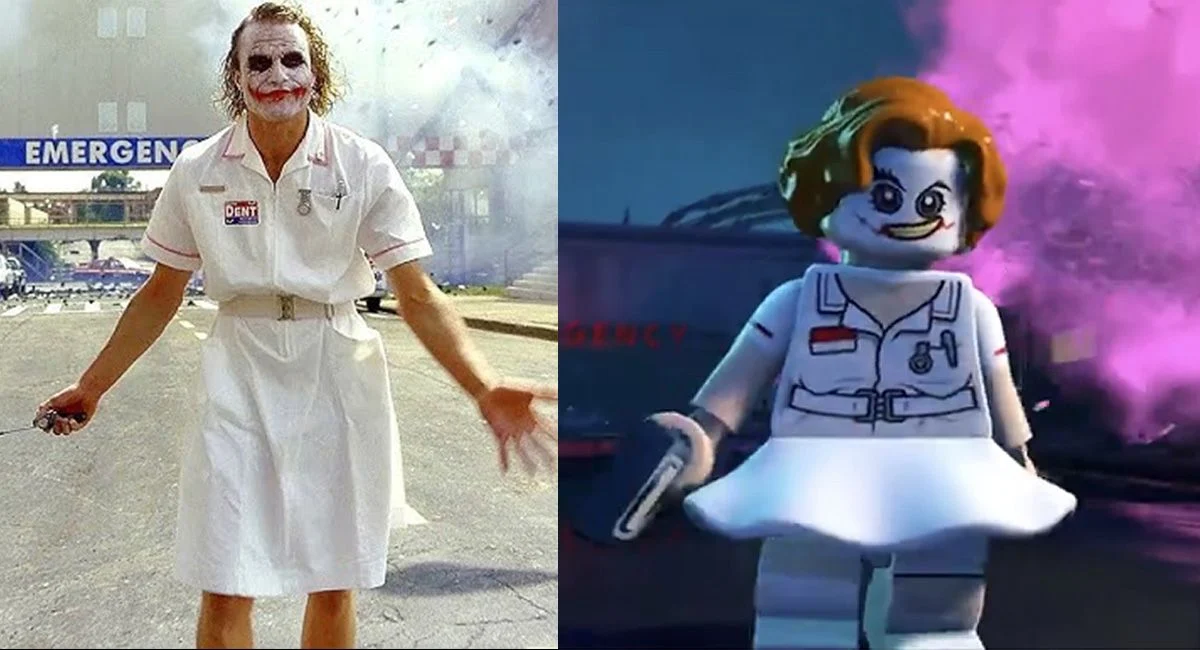
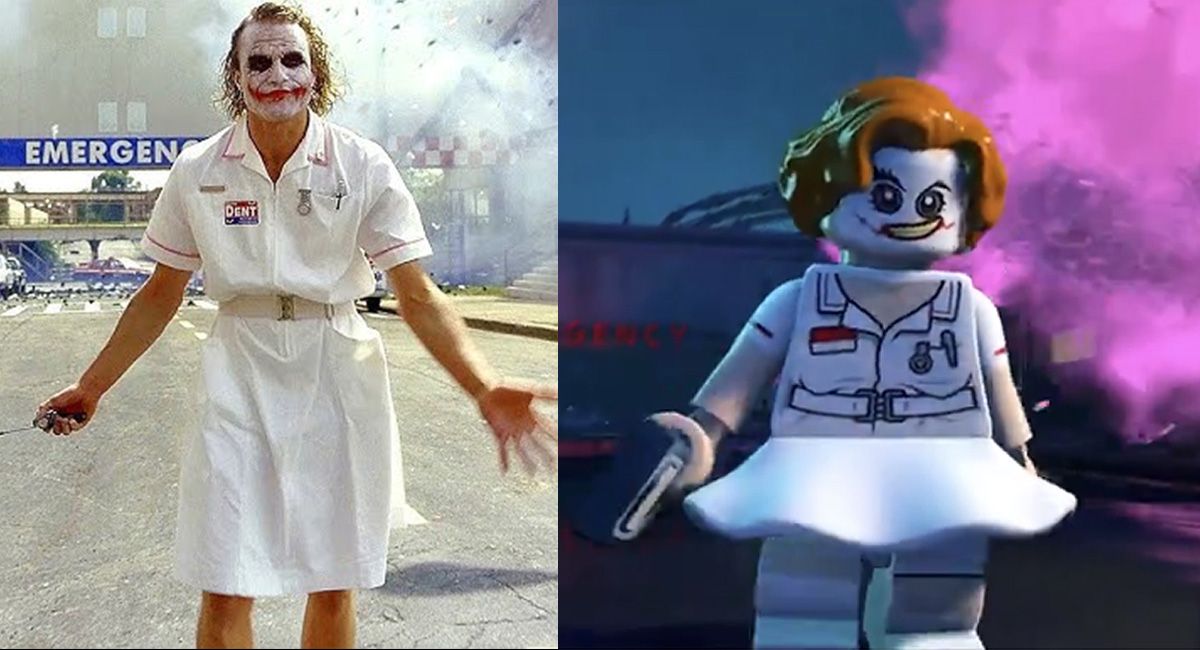
One of the most striking aspects of the game is its faithful recreation of pivotal cinematic moments. A particularly buzzworthy example involves a direct comparison between a scene in "Legacy of the Dark Knight" and the unforgettable hospital sequence from 2008’s "The Dark Knight." The game meticulously replicates the visual cues and thematic intensity of Heath Ledger’s iconic portrayal of the Joker, infusing it with Lego’s characteristic playful irreverence. This juxtaposition of dark subject matter with lighthearted Lego execution is a hallmark of the franchise, demonstrating a delicate balance that has endeared it to a global audience.
Another fan-favorite comparison showcases the Penguin’s thrilling car chase from Matt Reeves’ 2022 film, "The Batman." The game’s interpretation of this high-octane sequence, rendered in Lego’s signature style, highlights the developers’ ability to capture the essence of even the most action-packed moments while maintaining the franchise’s lighthearted tone. These detailed recreations are not merely visual gags; they serve as genuine tributes to the enduring power and multifaceted nature of Batman’s mythos.
Drawing from Diverse Inspirations: Comics, Films, and Games
The influence of the "Batman: Arkham" series, developed by Rocksteady Studios, is particularly palpable in "Legacy of the Dark Knight." A compelling video comparison juxtaposes gameplay footage from the new title with that of "Batman: Arkham Asylum," the 2009 game that redefined superhero video games. While "Arkham Asylum" was built on Unreal Engine 3, the visual and gameplay parallels in "Legacy of the Dark Knight" underscore the foundational impact of Rocksteady’s groundbreaking work on the modern interpretation of Batman’s universe. Traveller’s Tales has clearly absorbed the lessons learned from the "Arkham" series, integrating elements of fluid combat, detective work, and environmental puzzle-solving into their Lego framework.
Beyond the cinematic and gaming realms, the game also liberally samples from the vast library of DC Comics IPs. This allows for an expansive cast of characters, both heroic and villainous, to populate Gotham, offering players a chance to interact with a wide array of familiar faces and their unique abilities. The sheer breadth of these references, from the more obvious nods to deep-cut comic lore, ensures that dedicated Batman aficionados will be constantly discovering new layers of homage.
The Strategic Evolution of Lego’s Digital Footprint
The success of "Lego Batman: Legacy of the Dark Knight" is not an isolated incident but rather the culmination of a long-term, strategic shift by The Lego Group into the digital media space. For decades, Lego has leveraged its beloved intellectual properties to create engaging video game experiences, recognizing the power of interactive entertainment to foster brand loyalty and introduce its products to new generations. This venture into digital has proven remarkably effective, transforming the company into a formidable player in the gaming industry.
The Lego video game franchise, spearheaded by Traveller’s Tales, has consistently delivered high-quality titles across a multitude of popular franchises, including Star Wars, Marvel, Harry Potter, and DC Comics. Each game builds upon the established Lego formula: accessible gameplay, cooperative multiplayer, humorous storytelling, and the inherent satisfaction of collecting and building. "Legacy of the Dark Knight," however, appears to have elevated this formula to new heights, demonstrating a maturity in storytelling and a technical prowess that has garnered widespread critical acclaim.
Chronological Milestones in Lego Gaming
The journey of Lego video games is a fascinating chronicle of adaptation and innovation. The early days saw simpler titles, often tied directly to toy releases. However, the groundbreaking success of "Lego Star Wars: The Video Game" in 2005 marked a pivotal moment, establishing the core gameplay loop of puzzle-solving, light combat, and collect-a-thon elements that would define future Lego titles. This success paved the way for the establishment of Traveller’s Tales as the primary developer for most Lego games.
The introduction of Batman into the Lego gaming universe began with "Lego Batman: The Videogame" in 2008, which immediately resonated with fans due to the character’s enduring popularity. Subsequent installments, such as "Lego Batman 2: DC Super Heroes" (2012), which famously introduced spoken dialogue and an open-world Gotham City, and "Lego Batman 3: Beyond Gotham" (2014), further expanded the scope and ambition of the series. "Lego Batman: Legacy of the Dark Knight" represents the latest evolutionary step, building upon decades of experience and technological advancements.
Supporting Data: Critical Acclaim and Fan Engagement
The overwhelming positive reception for "Lego Batman: Legacy of the Dark Knight" is reflected in numerous reviews and player feedback. Aggregated review scores across major gaming publications have consistently placed the game among the highest-rated Lego titles, praising its engaging gameplay, witty writing, and impressive technical execution.
Fan engagement has also been exceptionally high. Social media platforms are abuzz with discussions about favorite Easter eggs, character combinations, and gameplay strategies. The viral nature of fan-made comparison videos between the game and its source material speaks volumes about the game’s ability to spark conversation and foster a sense of community among players. This level of active participation and organic promotion is invaluable in today’s digital landscape.
Official Responses and Future Outlook
While specific official statements from The Lego Group or Traveller’s Tales regarding the reception of "Legacy of the Dark Knight" are not yet widely publicized, the game’s release strategy and ongoing marketing efforts strongly suggest confidence in its success. The decision to launch on current-generation consoles and PC, with a Nintendo Switch 2 version planned for later in the year, indicates a commitment to reaching the broadest possible audience.
The continued investment in high-fidelity graphics and mature storytelling within the Lego framework points towards a future where Lego games are not just children’s entertainment but respected entries in the broader gaming landscape. The success of "Legacy of the Dark Knight" will undoubtedly influence future development, encouraging further exploration of deeper narratives and more sophisticated gameplay mechanics within the Lego universe.
Implications for the Future of Licensed Gaming and Brand Extension
"Lego Batman: Legacy of the Dark Knight" serves as a compelling case study for the power of effective brand extension and the art of the licensed video game. Its success underscores several key implications:
- The Value of Nostalgia and Faithful Adaptation: By meticulously honoring the rich history of the Batman franchise, the game has resonated deeply with fans, proving that a genuine appreciation for the source material is paramount.
- Technological Advancement as a Catalyst: The utilization of Unreal Engine 5 has not only enhanced the visual fidelity but has also allowed for more complex gameplay mechanics and a more immersive experience, demonstrating that technological investment pays dividends.
- The Enduring Appeal of Lego: The Lego brand, with its inherent playfulness and universal recognition, continues to be a powerful vehicle for storytelling across multiple media. Its ability to adapt and evolve with technological advancements ensures its continued relevance.
- The Potential for Mature Themes in Accessible Formats: "Legacy of the Dark Knight" proves that even dark and complex characters like Batman can be rendered in a family-friendly Lego format without sacrificing their core essence, appealing to a wider demographic.
- A Blueprint for Future Licensed Games: The game’s success provides a clear blueprint for other developers and rights holders looking to create successful licensed video games, emphasizing the importance of quality, authenticity, and a deep understanding of the target audience.
In conclusion, "Lego Batman: Legacy of the Dark Knight" is more than just another video game; it is a testament to the enduring power of iconic characters, the innovation of the gaming industry, and the strategic foresight of The Lego Group. It stands as a shining example of how a beloved toy brand can successfully navigate the digital realm, delivering experiences that are both entertaining and culturally significant, solidifying its place as a modern classic in the annals of interactive entertainment.




Leave a Comment