
The Constitutional Crossfire: ABC and FCC Clash Over Unprecedented License Renewal Demands
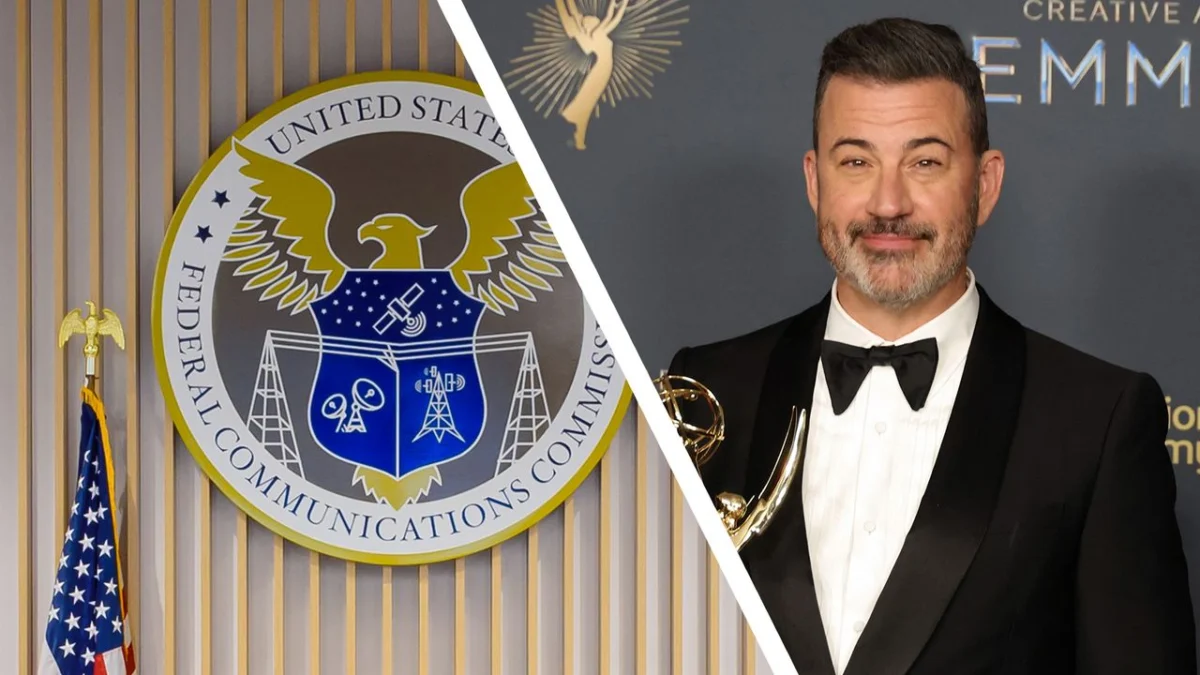
A profound legal and political battle has erupted between the Disney-owned ABC network and the Federal Communications Commission (FCC), signaling a potential sea change in how broadcast media is regulated in the United States. At the heart of the dispute is an unprecedented demand by the federal regulator for ABC to file its broadcast license renewal applications years ahead of schedule—a move the network describes as a direct assault on the First Amendment and a targeted act of political retribution.
The conflict centers on eight local television stations owned and operated by ABC. While these licenses are not set to expire until 2028, the FCC has mandated that the renewal process begin immediately, citing investigations into the network’s Diversity, Equity, and Inclusion (DEI) policies. ABC, however, contends that the move has nothing to do with corporate policy and everything to do with silencing "disfavored editorial voices," specifically those critical of the current administration.
Main Facts: A Deviation from Regulatory Norms
The FCC’s request is a sharp departure from established administrative protocols. Traditionally, broadcast licenses are renewed on a rolling basis every eight years. Under standard operating procedures, a network is required to file for renewal approximately four months before the expiration date. In this instance, the FCC has demanded filings a full two years in advance.
The Scope of the Demand
The stations affected by this early filing requirement include ABC’s most prominent local outlets in major metropolitan markets. By forcing these stations into the renewal cycle early, the FCC effectively places the network under a microscope for an extended period. Because a license cannot be officially "approved" until 30 days prior to its expiration, ABC now faces a two-year window of heightened regulatory scrutiny and potential "hearings" that could jeopardize its ability to broadcast.
The Core Allegations
ABC’s legal team filed the necessary paperwork "under protest," accompanying the applications with a scathing rebuke of the commission’s tactics. The network alleges that the FCC is being used as a tool for "power and coercion," aimed at punishing the network for the political commentary found on programs such as Jimmy Kimmel Live! and The View.
The FCC, conversely, maintains that its actions are consistent with its mandate to ensure that broadcast licensees serve the "public interest, convenience, and necessity." The commission claims that investigating ownership structures and DEI policies is essential to ensuring that local communities receive "diverse viewpoints."
Chronology: The Escalation of Tensions
The friction between ABC and federal regulators did not emerge in a vacuum. It is the result of a multi-year escalation involving high-profile media personalities and direct critiques of the executive branch.
The 2025 Catalyst: The Charlie Kirk Incident
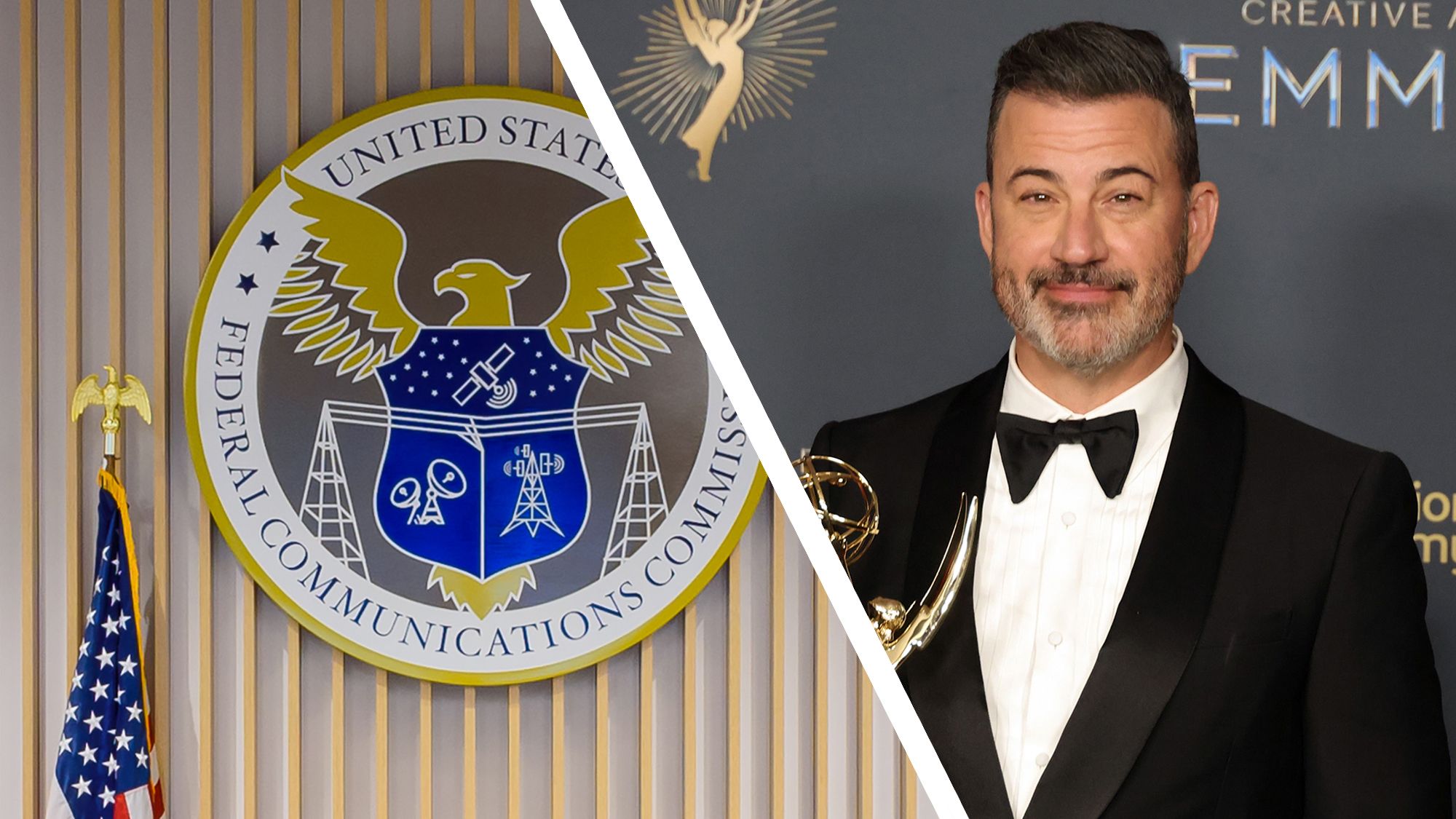
The roots of the current animosity can be traced back to 2025. Following a controversial shooting involving political activist Charlie Kirk, late-night host Jimmy Kimmel made a series of comments that sparked a firestorm of criticism from conservative circles. Under significant pressure from the FCC and public outcry, ABC briefly took Kimmel off the air. While he eventually returned to his hosting duties, the incident established a precedent for regulatory intervention in late-night content—a domain traditionally protected by broad satiric license.
Early 2026: Public Feuds and Presidential Comments
Throughout early 2026, the rhetoric intensified. Jimmy Kimmel and the co-hosts of The View remained steadfast in their criticism of Donald and Melania Trump. These segments did not go unnoticed. The President frequently took to social media and public rallies to disparage ABC and its parent company, Disney, often suggesting that their "unfair" coverage should have "consequences."
May 2026: The FCC’s Sudden Mandate
In mid-May 2026, the FCC issued its formal demand for early license renewals. The justification provided was an investigation into whether ABC’s DEI initiatives created a "biased" environment that prevented the delivery of "diverse viewpoints reflective of the information needs of local communities."
May 28, 2026: ABC Files Under Protest
By late May, ABC complied with the filing requirement to avoid immediate administrative penalties but included a legal filing that accused the administration of a "campaign of censorship and control." This filing set the stage for a constitutional showdown that is likely to head to the federal courts.
Supporting Data: The Mechanics of Broadcast Licensing
To understand the weight of the FCC’s demand, one must look at the data governing broadcast law. The FCC oversees thousands of television and radio licenses, and the renewal process is typically a ministerial task unless a station has committed a gross violation of federal law.
The 30-Day Rule
According to FCC regulations, a license renewal cannot be granted more than 30 days before the current license expires. By moving the filing date to 2026 for a 2028 expiration, the FCC has created a "regulatory limbo" for ABC. For the next 24 months, any segment aired on an ABC station could theoretically be added to a "hearing record" to determine the network’s fitness to hold a license.
The "Public Interest" Standard
The FCC utilizes the "Public Interest" standard to evaluate broadcasters. While this is intended to ensure local news coverage and educational programming, critics argue the standard is being "weaponized." In the last decade, less than 1% of renewal applications have been designated for a formal hearing. The threat of a hearing alone can cost a network millions in legal fees and cause stock price volatility for parent companies like Disney.
DEI as a Regulatory Pivot
The shift toward using DEI policies as a basis for license review is a novel legal strategy. By framing DEI as a "diversity of viewpoint" issue, the FCC is attempting to circumvent traditional First Amendment protections that prevent the government from dictating content.
Official Responses: A Divided Commission
The internal rift within the FCC has become as public as the battle with ABC itself. The commission’s decision-making process has highlighted deep partisan divides regarding the role of the government in overseeing media content.
The Minority Dissent
FCC Commissioner Anna Gomez, the sole Democrat on the commission, has emerged as a vocal critic of the majority’s actions. In a public statement, she characterized the demand for early renewals as "naked political retribution."
"Disney and its ABC stations are the latest victims of this administration’s campaign of censorship and control," Gomez stated. "I am glad to see them expose the FCC’s actions as nothing more than… an unlawful assault on free speech and a free press." Gomez’s dissent suggests that the commission’s decision was reached along party lines, further fueling ABC’s claims of political bias.
The Majority Defense
The FCC majority, however, stands by its decision. In an official statement, the commission rejected the notion that its actions were a denial of free speech.
"The Commission will continue to analyze ownership structures to ensure that they are responsive to the needs of their local communities," the statement read. "Our goal is to ensure that licensees are providing diverse viewpoints reflective of the information needs of those communities. This is an administrative review of corporate policy, not a censorship of specific programs."
ABC’s Legal Stance
ABC’s filing was unequivocal in its condemnation. The network described the FCC’s move as an "extraordinary demonstration of power and coercion directed at disfavored editorial voices." The network argued that by singling out ABC while other networks (with different political leanings) remained on the standard renewal schedule, the FCC violated the Equal Protection Clause and the First Amendment.

Implications: A Chilling Effect on American Media
The ramifications of this clash extend far beyond the corporate offices of Disney and the halls of the FCC. This case could redefine the boundaries of government oversight in the digital age.
The "Chilling Effect"
The most immediate concern for civil liberties advocates is the "chilling effect" this may have on other broadcasters. If the FCC successfully uses the licensing process to punish a network for its editorial content, other stations may self-censor to avoid similar regulatory hurdles. This could lead to a media landscape where political satire and hard-hitting commentary are softened to appease federal regulators.
Precedent for Future Administrations
The use of DEI investigations as a pretext for early license renewal sets a dangerous precedent. Legal scholars argue that if this tactic is upheld, future administrations of any political persuasion could use similar administrative "investigations" to target networks they deem unfriendly. This would effectively turn the FCC from an independent regulator into a political arm of the executive branch.
The Financial Impact on Disney
For Disney, the stakes are financial as well as ideological. Broadcast licenses are among the company’s most valuable assets. The uncertainty surrounding these renewals could impact advertising contracts, as brands may be hesitant to commit to a network facing a "designated hearing" that could theoretically result in a loss of broadcast rights.
Potential Supreme Court Involvement
Given the constitutional questions at play, many legal experts believe this case is destined for the Supreme Court. The court will have to weigh the government’s right to regulate the "limited" airwaves against the First Amendment rights of the corporations that operate them. In an era where the distinction between broadcast, cable, and streaming is blurring, the court’s decision could fundamentally alter the legal framework of American communications.
As the 2028 expiration date slowly approaches, the next two years will serve as a high-stakes testing ground for the resilience of the free press in the face of aggressive regulatory oversight. For now, ABC remains on the air, but the shadow of the FCC’s "investigation" looms larger than ever.




Leave a Comment