
The Dream Dilemma: When Science Observes, Does Reality Shift?
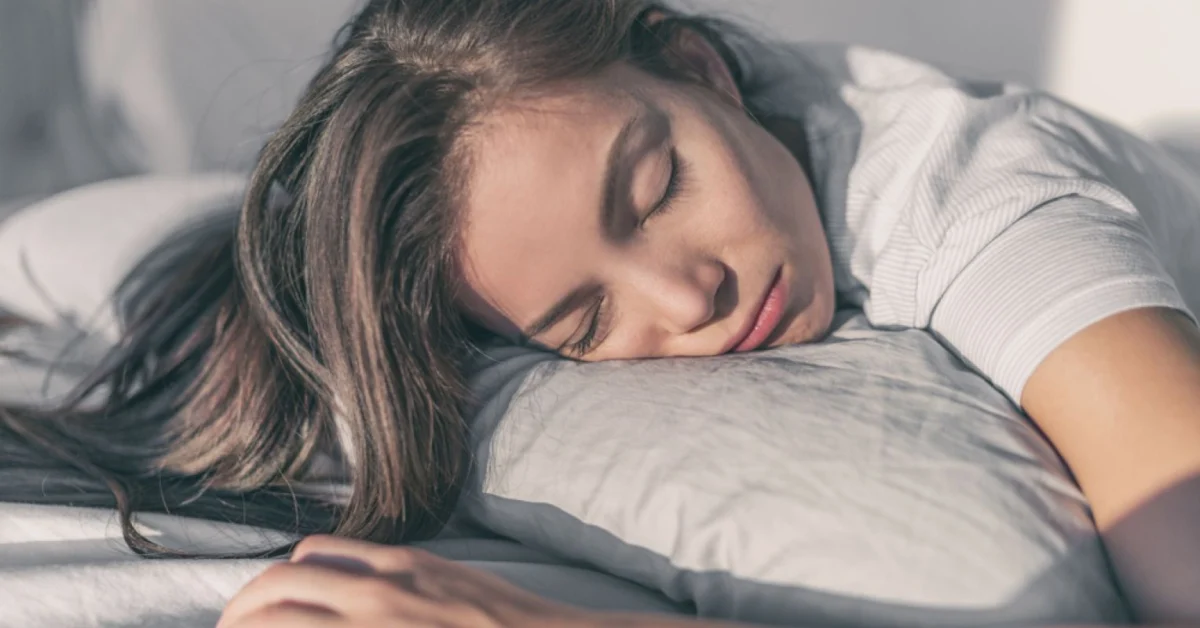
Cambridge, MA – For decades, scientists have peered into the enigmatic world of dreams, meticulously tracking brain waves and eye movements in sleep laboratories. Yet, a fundamental question persists: how much does the very act of observation alter the dream landscape? Groundbreaking research, notably a pivotal 2008 review by Michael Schredl, revealed a fascinating and potentially problematic truth: when participants sleep in a lab, a significant portion of their dreams – roughly a third – are about the laboratory itself. This phenomenon, where the measurement technique (polysomnography sleep recording) demonstrably influences the object of measurement (dreaming), presents a profound challenge to dream science, raising critical questions about the ecological validity of lab-collected dream data.
The core issue, as articulated by Schredl, is that the controlled, clinical environment of a sleep laboratory might inadvertently be altering the very content of the dreams researchers seek to study. This alteration leads to an ongoing debate within the scientific community: are dreams collected under these artificial conditions truly representative of the dreams experienced in the natural setting of one’s home? While laboratory experiments offer unparalleled precision for certain types of questions, others may be far better addressed through less intrusive home-based studies. The quest to understand dreaming, a universal human experience, thus finds itself at a crossroads, navigating the complex interplay between scientific rigor and ecological authenticity.
The Unseen Observer: Main Facts Unveiled
The central finding that approximately one-third of dreams reported in a sleep laboratory context incorporate elements of the lab environment is not merely an interesting anomaly; it represents a significant methodological hurdle. Polysomnography (PSG), the gold standard for objective sleep measurement, involves a comprehensive array of sensors attached to the scalp, face, chest, and limbs to monitor brain activity (EEG), eye movements (EOG), muscle tone (EMG), heart rate (ECG), breathing, and oxygen levels. While invaluable for charting the physiological architecture of sleep, this intricate setup inevitably creates a novel, highly salient environment for the participant.
Schredl’s 2008 paper, "Laboratory references in dreams: Methodological problem and/or evidence for the continuity hypothesis of dreaming?" published in the International Journal of Dream Research, was instrumental in drawing widespread attention to this issue. The "continuity hypothesis" suggests that dream content often reflects waking life experiences, concerns, and environments. From this perspective, dreaming about the lab could simply be an extension of the participant’s immediate waking reality – being in the lab, anticipating the study, and experiencing the novelty of the setup. However, the sheer prevalence of these "lab dreams" suggests more than a casual reflection; it points to a potentially intrusive influence that could systematically skew research findings.
This alteration in dream content raises crucial questions about ecological validity, which refers to the extent to which research findings can be generalized to real-world settings. If dreams in the lab are fundamentally different from dreams at home, then conclusions drawn solely from laboratory studies might offer an incomplete or even distorted picture of human dreaming. The challenge for researchers, therefore, is to discern which aspects of lab dreams are unique to the experimental setting and which reflect universal dreaming processes.
A Chronology of Discovery: From Observation to Clinical Relevance
The initial observation of lab-related dream content predates Schredl’s review, with anecdotal reports and smaller studies hinting at its presence. However, Schredl’s comprehensive synthesis solidified the phenomenon as a significant area of concern. His work effectively launched a more focused investigation into the specific manifestations and implications of these lab-induced dream alterations.
One of the most frequently reported and clinically significant manifestations of lab dreams involves participants dreaming about being in the sleep lab and struggling to sleep. These dreams are often characterized by a heightened sense of wakefulness, restlessness, or even a feeling of being trapped in a cycle of trying and failing to fall asleep. Upon awakening, participants can experience profound confusion, unsure whether certain events in their dream – such as speaking with an experimenter about their inability to sleep – had genuinely occurred or were purely hallucinatory. This blurring of lines between dream and reality highlights the deep impact of the lab environment on subjective experience.
More recently, research has begun to connect this specific type of "lab dream" to broader clinical phenomena. The feeling of being awake while objectively asleep is not exclusive to the lab; it is a hallmark symptom of paradoxical insomnia, a subtype of insomnia characterized by a significant discrepancy between objective sleep measures (e.g., polysomnography showing normal sleep duration) and subjective perception (the individual feeling they got little to no sleep).
The lab environment, with its inherent novelty, sensory deprivation (often dark and quiet), and the conscious awareness of being monitored, may inadvertently create conditions that exacerbate or mimic the subjective experience of paradoxical insomnia. Participants, acutely aware of the experiment’s demands to sleep well and report dreams, may internalize this pressure, leading to dreams that reflect their struggle. This connection was further explored in a 2021 study by Picard-Deland, Nielsen, & Carr, "Dreaming of the sleep lab," published in PloS one, which confirmed the prevalence of lab dreams and their specific characteristics, further substantiating Schredl’s initial observations.
The clinical relevance of this extends beyond the lab. The subjective feeling of being awake, even when objectively asleep, is indeed recognized as a legitimate sleep disorder, often associated with more restless and fragmented sleep. This phenomenon can even contribute to common morning disagreements between bed partners, where one partner vehemently denies having slept, only for the other to retort, "But I heard you snoring all night!" The lab, by intensifying these subjective experiences, offers a unique, albeit controlled, window into the mechanisms underlying such clinical conditions.
Supporting Data: Deconstructing the "Lab Dream" Phenomenon
The data supporting the existence and characteristics of "lab dreams" is multifaceted, revealing both the intrusive nature of the environment and surprising parallels with typical dreaming.
Specific Manifestations of "Lab Dreams":
-
Direct Incorporation of the Lab Setting: Participants frequently report dreams where the physical space of the sleep lab – the bed, the electrodes, the monitoring equipment, the specific room layout – becomes the backdrop or even a central element of their dream narrative. This suggests that the immediate sensory and contextual information of the sleep environment is actively processed and integrated into the dreaming mind.
-
Interaction with Research Personnel: Another common theme is the incorporation of experimenters or other research staff into dreams. Participants might dream of speaking with them, being instructed by them, or even collaborating on tasks. This reflects the social dynamic inherent in the research setting, where the participant’s interaction with the scientific team forms a significant part of their waking experience within the lab.
-
The Struggle to Sleep: As previously mentioned, dreams of being awake, restless, or unable to fall asleep are particularly prevalent. This aligns with the pressure participants might feel to perform well (i.e., sleep deeply and dream voluminously) for the study. The conscious awareness of being evaluated, even during sleep, appears to permeate the subconscious.
-
Confusion Between Dream and Reality (False Awakenings): The blurring of lines between actual waking events and dream content is a striking feature. Participants might genuinely believe they had a conversation with a researcher about their sleep quality, only to find upon full awakening that no such interaction occurred. This highlights the immersive and often realistic quality of these lab-induced dreams.
Paradoxical Insomnia and Lab Dreams:
The link between lab dreams and paradoxical insomnia is particularly compelling. Individuals with paradoxical insomnia often complain of severe insomnia despite objective polysomnographic recordings showing normal sleep duration and architecture. The lab environment, with its unusual bed, unfamiliar surroundings, and the presence of monitoring equipment, can heighten anxiety and self-monitoring, potentially mimicking or exacerbating the subjective feeling of being awake while asleep. This provides a unique opportunity to study the mechanisms behind this perplexing sleep disorder, observing how environmental factors can influence the subjective experience of sleep quality. The "restless sleep" that might be a culprit in these experiences is not just a subjective feeling but can also manifest as altered brain wave patterns or increased micro-arousals detectable by PSG.
Unexpected Similarities: When Lab Dreams Mirror Home Dreams:
Despite the unique aspects, several themes identified in lab dreams surprisingly reflect "typical" dreams that are also frequently reported at home, suggesting that the lab does not entirely override fundamental dreaming processes.
-
Social Situations: The incorporation of experimenters and other personnel into dreams, while specific to the lab, mirrors the general phenomenon of dreams having a high prevalence of social interactions. Humans are social beings, and our dreams often reflect our social landscape, irrespective of the specific individuals involved. This social nature of dreaming is hypothesized to serve a function in strengthening social bonds and processing social experiences.
-
Task Incorporation and Memory Consolidation: Lab dreams often incorporate tasks that participants were required to complete as part of the research protocol. This includes not only the implicit "task" of sleeping well and remembering dreams but also explicit cognitive tasks, such as memory performance tests administered before and after sleep. This phenomenon is highly significant because laboratory experiments have shown a direct link between dreaming of a learning task and better memory performance following sleep. This suggests that even when the content is influenced by the lab, the underlying cognitive function of dreaming – memory consolidation – remains active and effective. Dreaming about the lab more generally, therefore, might also contribute to consolidating memories related to the experimental experience itself.
-
False Awakenings and Preparatory Dreams: Dreams of false awakenings (dreaming that you have woken up, only to wake up again later) and dreams in which we anticipate what we will do the next day are common occurrences both in the laboratory and at home. These types of dreams may reflect a general function of dreaming in preparing for future actions and maintaining a level of awareness of our current environment, thus readying us for reentry into the waking world. The observation that these dreams might be more frequent in the laboratory could reflect a heightened level of vigilance or arousal that participants experience while sleeping under observation, underscoring the interplay between environmental context and dream content.
Official Responses and Methodological Evolution
The scientific community’s response to the "dream dilemma" has been multifaceted, acknowledging the methodological challenges while simultaneously exploring ways to leverage these insights. There is a general consensus that while the lab environment can influence dream content, it doesn’t invalidate all findings. Instead, it necessitates a more nuanced approach to research design and interpretation.
Acknowledging the Challenge of Ecological Validity:
Leading dream researchers and sleep scientists have widely recognized the issue of ecological validity. The inherent artificiality of the lab setting – unfamiliar bed, electrodes, strict schedules, and the awareness of being monitored – can disrupt natural sleep patterns and, consequently, dream experiences. This has led to an increased emphasis on interpreting lab-derived dream content with caution, particularly when drawing conclusions about the general nature of human dreaming.
The Case for Complementary Methodologies:
Rather than abandoning laboratory studies, the "official response" has been to advocate for complementary research methodologies. The precision and control offered by PSG in a lab setting are indispensable for:
- Correlating physiological data with dream content: Linking specific brain wave patterns, eye movements, and other bodily signals to reported dream experiences.
- Manipulating variables: Introducing specific stimuli or tasks before sleep to study their impact on dreams.
- Studying specific sleep stages: Precisely identifying REM sleep, NREM sleep, and their associated dream characteristics.
However, to address the ecological validity gap, there’s a growing push for more extensive home-based survey studies and studies utilizing mobile sleep recording technology. These approaches allow researchers to collect dream reports and, increasingly, objective sleep data (e.g., via wearable devices or portable PSG systems) in the participant’s natural sleep environment over longer periods. This "best of both worlds" approach aims to combine the objective physiological data traditionally found in the lab with the ecological authenticity of home-based dream collection.
Leveraging Lab Dreams for Scientific Advantage:
Intriguingly, understanding how the lab environment gets incorporated into dreams can also be used to its advantage in dream research. The very "distortion" can become a tool for exploration.
- Cue for Lucid Dreaming: The frequent occurrence of false awakenings in the lab, where one dreams of waking up in the lab, can serve as a powerful cue to trigger lucid dreaming. Lucid dreaming, where the dreamer becomes aware they are dreaming and can sometimes exert control over the dream narrative, is a highly sought-after state for research into consciousness and self-awareness during sleep. By recognizing the false awakening as a dream sign (a recurring element that indicates one is dreaming), participants can be trained to initiate lucidity. This transforms a potential methodological flaw into a targeted experimental opportunity.
- Studying Vigilance and Arousal: The heightened incidence of dreams about struggling to sleep or false awakenings in the lab might reflect an increased level of vigilance or physiological arousal experienced by participants under observation. This provides a unique context to study how external environmental stressors and internal states of anxiety or self-monitoring influence the dreaming mind. Researchers can investigate the neural correlates of these "vigilance dreams" to better understand the continuum between sleep and wakefulness.
Broader Implications for Dream Science and Beyond
The insights gleaned from the study of "lab dreams" extend far beyond mere methodological refinements, touching upon fundamental questions about consciousness, the nature of reality, and the scientific process itself.
The Observer Effect in Psychology:
The phenomenon of lab dreams is a potent example of the observer effect, a concept well-known in physics (e.g., Heisenberg’s Uncertainty Principle) but equally relevant in the social and psychological sciences. It highlights that the act of measuring or observing a phenomenon can inherently alter it. In dream science, this means that the very tools designed to objectively quantify sleep and dreams (polysomnography, lab environment) become part of the subjective experience they aim to capture. This necessitates a reflexive approach to research, where scientists must always consider the impact of their methods on their findings. It underscores that psychological phenomena are not inert objects; they are dynamic, responsive, and deeply intertwined with the context of their observation.
Understanding the Mind’s Integration of Environment:
Lab dreams offer a unique window into how the sleeping mind processes and integrates immediate environmental stimuli. Even during the deepest stages of sleep, our brains are not entirely disconnected from the external world. The electrodes, the room, the awareness of being part of an experiment – these elements, consciously perceived before sleep, permeate the subconscious landscape. This challenges simplistic notions of sleep as a complete disengagement from reality, suggesting instead a continuous, albeit altered, processing of our surroundings. It raises questions about the boundaries between sleep and wakefulness, demonstrating how external cues can shape internal experience even in altered states of consciousness.
Clinical Relevance for Sleep Disorders:
The strong connection between lab dreams and the subjective experience of paradoxical insomnia has significant clinical implications. By understanding how environmental factors (like the lab setting) can trigger or exacerbate the feeling of being awake while asleep, researchers can gain deeper insights into the mechanisms of this challenging sleep disorder. This knowledge can inform the development of more effective diagnostic tools and therapeutic interventions, potentially focusing on reducing anxiety around sleep performance or creating more conducive sleep environments for those prone to subjective sleep-wake misperception. It also validates the subjective reports of patients who feel they are not sleeping, even when objective measures suggest otherwise, reinforcing the importance of patient experience in clinical assessment.
Advancing Research Methodology:
The ongoing debate and research into lab dreams push the boundaries of methodological innovation in dream science. The drive to achieve greater ecological validity while maintaining scientific rigor is accelerating the development of mobile sleep recording technologies. These devices, ranging from advanced wearables to portable at-home PSG systems, promise to bridge the gap between objective physiological measurement and naturalistic dream experience. This evolution will allow for longitudinal studies of dream patterns in real-world contexts, providing a richer, more comprehensive understanding of dreaming across diverse populations and conditions.
Ethical Considerations:
Finally, the study of lab dreams also carries ethical implications. Researchers must be mindful of the potential for the experimental setting to induce distress or anxiety in participants, particularly if it leads to dreams of struggling to sleep or confusion between reality and dream. Ensuring participant comfort, clearly explaining the research process, and providing adequate debriefing are crucial to mitigate any negative impact and uphold ethical research practices.
Conclusion: Embracing the Complexity of Dreams
The discovery and subsequent investigation of "lab dreams" have profoundly enriched our understanding of the dreaming mind. What initially appeared as a straightforward methodological problem – the observation altering the observed – has evolved into a fascinating area of inquiry, revealing the intricate interplay between our waking environment, our physiological state, and the subjective content of our dreams.
While the challenge of ecological validity remains, the scientific community has embraced this complexity. By complementing the invaluable insights gained from controlled laboratory studies with extensive, ecologically valid home-based research, particularly with the advent of mobile sleep recording technology, we are moving towards a more holistic and accurate understanding of human dreaming. The "dream dilemma" is not a roadblock but a catalyst, propelling dream science forward into a future where the mysteries of the sleeping mind can be explored with unprecedented depth and authenticity, ultimately revealing more about the very nature of consciousness itself.
References:
- Picard-Deland, C., Nielsen, T., & Carr, M. (2021). Dreaming of the sleep lab. PloS one, 16(10), e0257738.
- Schredl, M. (2008). Laboratory references in dreams: Methodological problem and/or evidence for the continuity hypothesis of dreaming?. International Journal of Dream Research, 1(1).




Leave a Comment