
Mastering the Culinary Arts with Patience: A Deep Dive into ‘Cook for Love’
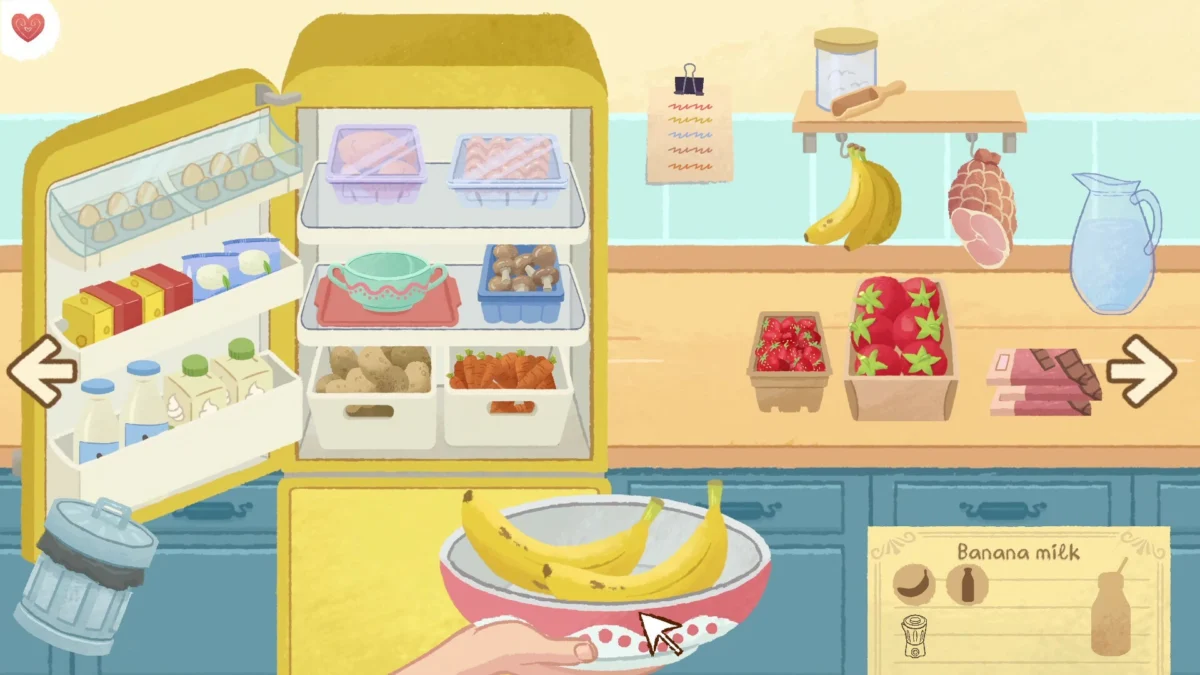
The landscape of digital gastronomy has seen a significant shift in recent years. While the genre was once dominated by high-stress, frantic simulations like Overcooked or the rapid-fire twitch mechanics of Cooking Mama, a new sub-genre has emerged: the "cozy" cooking simulator. Entering this serene arena is Cook for Love, a title that prioritizes atmosphere and methodical preparation over the chaotic rush of a commercial kitchen. Now available on the Nintendo Switch, Xbox Series X|S, and PC via Steam, the game offers a unique, albeit sometimes polarizing, take on the life of an aspiring chef.
Main Facts: The Premise of Clement’s Culinary Journey
Cook for Love centers on the narrative of Clement, a young Frenchman who finds himself thrust into the role of a restaurateur. The game is less about the business management of a dining establishment and more about the personal growth of its protagonist through the medium of food. As Clement, players are tasked with mastering a diverse array of recipes, ranging from simple starters to more complex main courses, all while navigating a hand-drawn world that emphasizes a "calming aesthetic."
The game is structured as a point-and-click adventure, where the primary interaction involves following illustrated recipe cards. Unlike its peers, Cook for Love eschews the traditional "customer order" system in favor of a linear progression. Players advance by successfully completing specific dishes, which in turn unlocks more sophisticated equipment and more challenging recipes.
Key Features at a Glance:
- Platform Availability: Nintendo eShop, Microsoft Store (Xbox), and Steam.
- Art Style: Hand-drawn, watercolor-inspired graphics with a soft color palette.
- Genre: Casual Point-and-Click Cooking Simulation.
- Core Loop: Recipe acquisition, ingredient preparation, multi-stage cooking, and plating.
- Inventory System: A restrictive carry-limit (one bowl and two plates) designed to challenge spatial management.
Chronology: From Home Cook to Professional Chef
The narrative arc of Cook for Love is divided into distinct phases that reflect Clement’s evolving skill set. Understanding the progression is vital for players looking to appreciate the game’s slow-burn pacing.
The Learning Phase: Neighborly Gestures
In the early stages of the game, Clement is not yet a professional. The story begins with him preparing meals for his neighbor. This serves as a tutorial, introducing players to the basic screens of the kitchen. During this period, the recipes are intentionally elementary—predominantly "cream of" soups. These initial levels establish the game’s logic: find the ingredient, process it (chop or blend), cook it, and plate it.
The Transition: Opening the Doors
As Clement gains confidence, the narrative shifts toward the formal opening of his restaurant. This is where the game introduces a wider variety of "blocks" or recipe groups. Players might spend a significant amount of time mastering variations of a single dish—such as three different types of fruit pancakes—before the game permits them to move on to more complex staples like pasta.
The Mastery Phase: Complexity and Equipment
As the game nears its mid-to-late stages, the kitchen expands. New screens become available, such as specialized blending stations or advanced refrigeration units. The recipes evolve from single-pot soups to multi-component dishes that require the player to manage different cooking times and preparation methods simultaneously.
Supporting Data: Mechanics and Technical Limitations
While Cook for Love excels in creating a relaxing environment, an analysis of its mechanics reveals a system that is both simplified and, at times, unnecessarily cumbersome.
The Multi-Screen Kitchen Layout
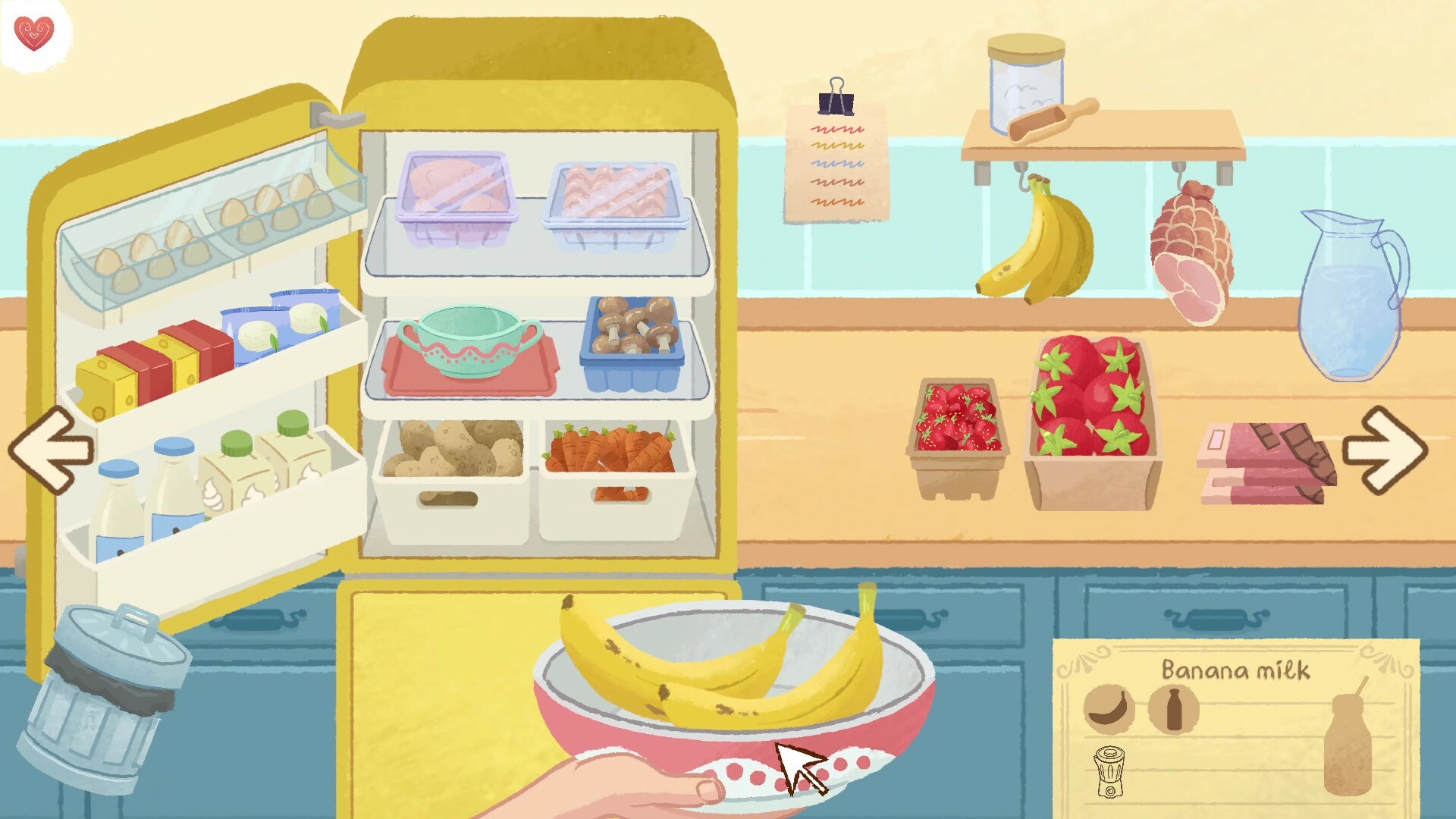
The kitchen is not a single static image but a collection of distinct "screens" or zones. Players must navigate between the pantry, the cutting board, the stove, and the plating station.
- Inventory Constraints: Clement can only carry one bowl and two plates at a time. This becomes a significant bottleneck during complex recipes. For example, in pasta dishes, the player may need to move cooked pasta to a plate, then return to the stove for the sauce, then move back to the plating station. This "back-and-forth" mechanic is a central pillar of the game’s difficulty, though it often feels more like administrative friction than a test of culinary skill.
- Visual Aids: The game provides a streamlined UI at the top of the screen showing the current step. For those who find the icons ambiguous, a detailed instruction card can be toggled, ensuring that players rarely find themselves "stuck" on what to do next.
Logic and Realism
The game employs a curious internal logic regarding food spoilage and cooking.
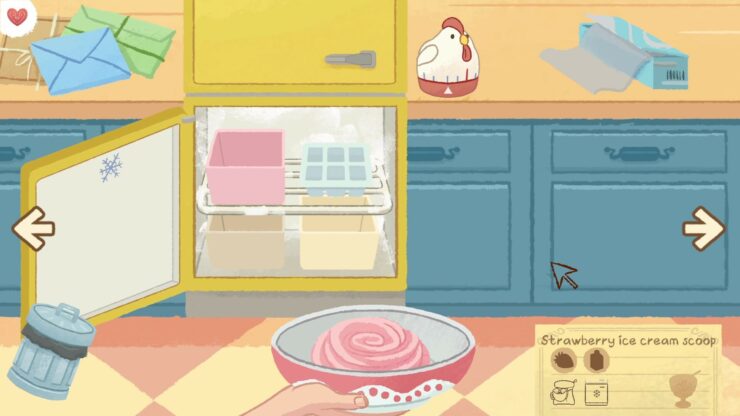
- The Freezer Paradox: In one of the game’s more eccentric mechanical choices, putting ice in the freezer for too long—exceeding a specific internal timer—causes it to "go bad" or become unusable.
- Burning Mechanics: Items left on the stove or in the oven for too long will burn, requiring the player to discard the ingredients and start over.
- Ingredient Disconnect: There is a noted discrepancy between the ingredients used and the final visual output. Players may chop a single vegetable and blend it with water, yet the final plated soup appears garnished with cream and herbs that were never part of the interactive preparation process.
Official Responses and Developer Intent
While formal press releases regarding specific gameplay critiques are rare for indie titles of this scale, the marketing materials provided by the developers and the publisher, Selecta Play, emphasize a "stress-free" experience.
The developer’s intent appears to be the creation of a "digital comfort food" experience. In promotional descriptions, the focus is placed on the "emotional journey" of Clement and the "satisfaction of a job well done." This suggests that the cumbersome inventory system and the repetitive nature of the recipes are not oversights, but intentional design choices meant to force the player to slow down and engage with each step of the process.
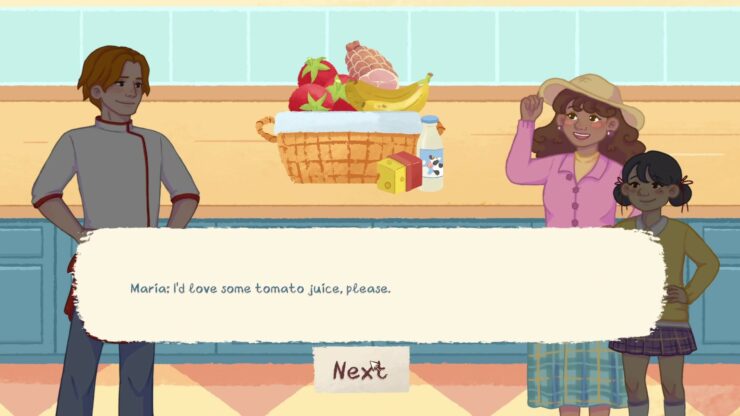
However, community feedback from early adopters on Steam and Xbox has highlighted a desire for more narrative depth. While the game features interludes where customers visit the restaurant, these interactions are often brief and disconnected from the quality of the food served. Players have noted that the "Love" in Cook for Love feels more like a thematic backdrop than a reactive gameplay mechanic.
Implications: The Future of the "Slow Gaming" Genre
The release of Cook for Love highlights a growing trend in the gaming industry: the rejection of high-pressure "gamification" in favor of meditative tasks.
The Rise of Meditative Simulation
Games like Unpacking and PowerWash Simulator proved that there is a massive market for titles that turn mundane tasks into relaxing loops. Cook for Love attempts to do this for the culinary world. By removing the "timer" (except for specific cooking processes) and the "angry customer" trope, it allows players to enjoy the aesthetics of cooking without the stress of failure.
The Friction of Realism vs. Fun
The game’s mixed reception regarding its inventory management serves as a case study for future developers. There is a fine line between "methodical" and "frustrating." When a game limits player movement to such a degree that it feels like a chore, it risks breaking the "cozy" immersion it worked so hard to build.
Conclusion for the Casual Gamer
For the player who enjoys a Saturday morning routine of coffee and a quiet game, Cook for Love offers a charming, low-stakes environment. Its watercolor visuals and soothing soundtrack are its strongest assets. However, those seeking a deep narrative or a realistic simulation of running a French bistro may find the mechanics a bit too shallow and the "back-and-forth" navigation a bit too taxing.
Ultimately, Cook for Love stands as a testament to the diversity of the cooking genre. It is a game that doesn’t want you to rush; it wants you to look at the recipe, appreciate the ingredients, and take your time—even if that means walking across the kitchen three times just to plate a bowl of pasta. It is a flawed but earnest love letter to the process of learning, reminding us that in the kitchen, as in life, sometimes the journey is more important than the meal itself.
Availability Information:
Cook for Love is currently available for purchase on the Nintendo eShop, the Microsoft Store for Xbox consoles, and Steam for PC. The game supports multiple languages and is optimized for both controller and mouse-and-keyboard play.


Leave a Comment