
The Erosion of the "Town Square": Analyzing the Decline of the Apple Store Experience
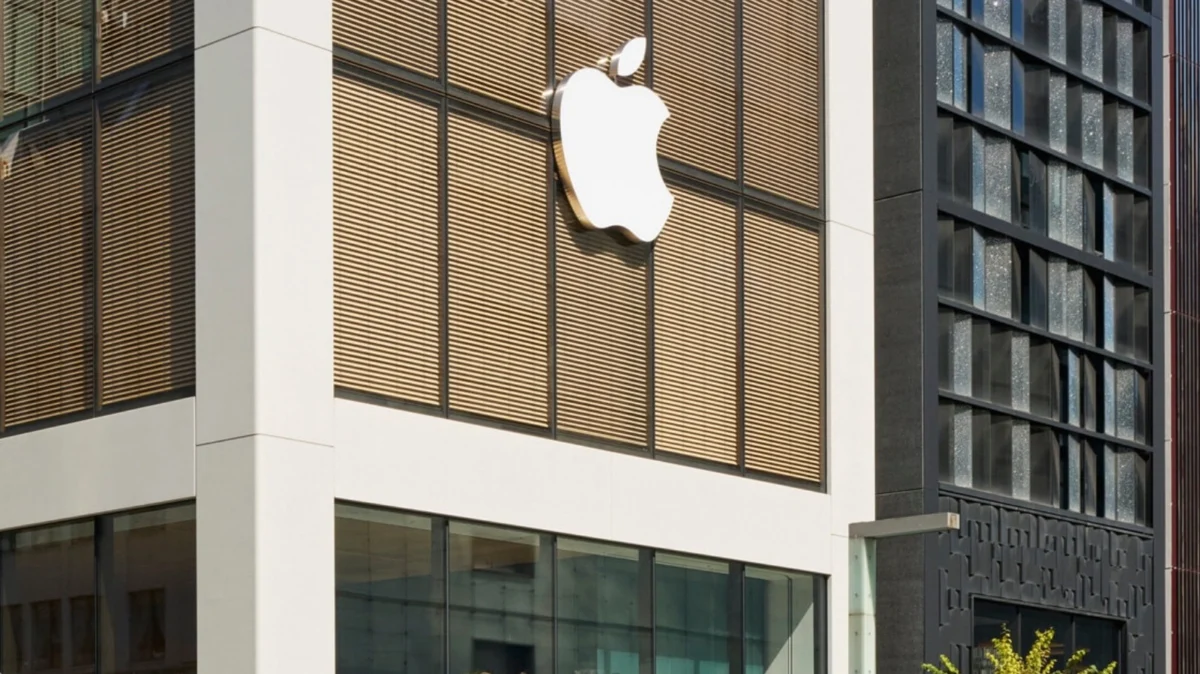
Main Facts: A Retail Icon in Transition
For over two decades, the Apple Store stood as the undisputed gold standard of global retail. When Steve Jobs and Ron Johnson launched the first locations in 2001, they defied the conventional wisdom of the era, which suggested that physical computer stores were a dying breed. Instead, Apple created a sanctuary of minimalism, high-touch customer service, and technical expertise. However, recent years have signaled a profound shift in this paradigm. What was once a boutique "experience" has increasingly morphed into a high-pressure logistical hub, leaving many loyal customers feeling alienated.
The core of the issue lies in a convergence of factors: a massive global scale that the original retail model was never designed to handle, leadership pivots that prioritized luxury aesthetics over functional service, and a strategic shift toward online-first fulfillment. Today’s Apple Store visitors frequently report overwhelming crowds, long wait times for simple transactions, and a noticeable shift in staff behavior from "consultative" to "sales-driven." As third-party retailers like Amazon and Best Buy offer more competitive pricing and greater convenience, the value proposition of the physical Apple Store is facing its most significant challenge since its inception.
Chronology: From Boutique to Bottleneck
The evolution of Apple’s retail strategy can be categorized into three distinct eras, each defined by the leadership at the helm and the company’s broader corporate objectives.
The Foundation: The Ron Johnson Era (2001–2011)
The original vision for the Apple Store was centered on the "Genius Bar" and the "Digital Hub" concept. During this period, stores were designed to be approachable. Staff were famously instructed not to sell, but rather to help customers solve problems. This era established the Apple Store as a "third place"—somewhere between work and home where users could learn about technology without the pressure of a commission-based environment.
The Luxury Pivot: The Angela Ahrendts Era (2014–2019)
In 2014, Tim Cook hired Angela Ahrendts, the former CEO of Burberry, to take over retail. Ahrendts sought to transform Apple Stores into "Town Squares." She introduced "Today at Apple" sessions, replaced traditional checkout counters with mobile payment systems, and focused on high-end aesthetics, including indoor trees and massive video walls. While visually stunning, this era began the transition toward a "pickup-first" model. Ahrendts famously encouraged customers to "get in line, online," which arguably began the erosion of the walk-in experience.
The Efficiency Push: The Deirdre O’Brien Era (2019–Present)
Following Ahrendts’ retirement, Deirdre O’Brien took the reins, managing both Retail and People (HR). This era has been defined by the challenges of the COVID-19 pandemic and a subsequent focus on logistical efficiency. While O’Brien has attempted to bring back some of the original "warmth" of the stores, the sheer volume of Apple’s customer base has made the "Town Square" concept difficult to maintain. The result has been a retail environment that prioritizes the "Express" pickup model and high-turnover service, often at the expense of the leisurely, informative atmosphere of the past.
Supporting Data: The Friction Points of Modern Apple Retail
To understand why the customer experience has soured, one must look at the specific logistical and economic friction points that have emerged in the modern Apple Store environment.
1. The "DMV" Comparison and Holiday Gridlock
The comparison of an Apple Store to the Department of Motor Vehicles (DMV) has become a common refrain among frustrated shoppers. During peak periods, such as the holiday season or new product launches, the "open" floor plan of the store becomes a liability. Without clear queues or designated areas for different types of service, customers often find themselves wandering for 30 to 45 minutes just to complete a pre-planned purchase.
A notable example occurred at the Regent Street store in London, where customers reported waiting nearly an hour just to purchase a $19 polishing cloth—a product that requires no technical consultation. This level of friction often drives customers to abandon their purchases in-store, opting instead for the efficiency of third-party retailers or home delivery.
2. The Online-Pickup Priority
Apple’s current inventory management system heavily prioritizes "Personal Pickup" for orders placed online. While this is efficient for the company’s logistics, it creates a "haves and have-nots" dynamic in the physical store. A customer walking in off the street to buy a specific MacBook configuration or the latest iPhone Pro may find "zero stock" available for walk-ins, even while they see boxes being handed to pickup customers. This shift has effectively turned the physical store into a glorified warehouse for the online shop, rather than a place of spontaneous discovery.
3. Geographic Scarcity
Despite Apple’s massive market cap, its physical footprint remains surprisingly thin in many regions. In the United States, large swaths of the population live hours away from the nearest official store. Internationally, the disparity is even more pronounced. In Brazil, a country of over 214 million people, there are only two physical Apple Stores (São Paulo and Rio de Janeiro). This scarcity means that the few existing stores are perpetually overcrowded, and the "experience" is marred by the stress of long-distance travel and the fear that a specific item won’t be in stock upon arrival.
4. The Price Gap
Apple’s refusal to discount products at its own retail locations has created a significant price disadvantage. Third-party marketplaces like Amazon, Target, and Best Buy frequently offer discounts of $50 to $200 on iPads, Macs, and Apple Watches. While Apple occasionally offers "Back to School" gift cards, the day-to-day value proposition of buying directly from the source has weakened. Customers are increasingly using Apple Stores as "showrooms" to touch the product before purchasing it for a lower price elsewhere.
Official Responses and Company Stance
Apple has historically defended its retail strategy by pointing to the success of its "Today at Apple" programming and its industry-leading "revenue per square foot" metrics. In various press releases and shareholder meetings, Apple executives have emphasized that the physical store is about "connection" rather than just transactions.
The company maintains that its appointment-based system (for both the Genius Bar and Shopping Sessions) is designed to respect the customer’s time. By encouraging appointments, Apple argues it can provide dedicated, one-on-one attention that would be impossible in a traditional "first-come, first-served" retail environment.
Furthermore, Apple views the "upselling" of services like AppleCare+ and Apple One not as a sales tactic, but as a way to ensure the customer is "fully supported" within the ecosystem. From the corporate perspective, an iPhone is not just a piece of hardware; it is an entry point into a suite of services, and a consultant’s job is to ensure the user understands the full value of that ecosystem.
Implications: The Future of the Apple Ecosystem
The decline of the Apple Store experience carries broader implications for the brand’s long-term health. Apple built its reputation on "it just works"—a philosophy that applied to its retail service as much as its software. If the retail experience continues to feel transactional, crowded, and pushy, Apple risks losing the emotional "halo effect" that justifies its premium pricing.
The Rise of the "Transactional" Relationship
When the Apple Store becomes a place of stress rather than inspiration, the relationship between the brand and the consumer becomes purely transactional. If the "experience" is removed, the customer’s loyalty is more likely to shift toward whoever offers the lowest price or the fastest shipping. This makes Apple more vulnerable to competitors who can undercut them on cost.
The Genius Bar Bottleneck
As Apple’s product lineup has grown more complex (with the addition of the Vision Pro, various Apple Watch tiers, and multiple silicon architectures for the Mac), the strain on the Genius Bar has reached a breaking point. Technical support is the backbone of Apple’s retention strategy. If getting a screen repaired or a battery replaced becomes a multi-hour ordeal, the "premium" nature of the brand is diminished.
A New Retail Paradigm?
Moving forward, Apple may need to consider a tiered retail model: high-volume "Pickup Stations" for those who want efficiency, and smaller, more exclusive "Boutiques" for those who want the classic, high-touch experience. Until then, the current "one-size-fits-all" approach appears to be struggling under the weight of its own success. For the modern consumer, the "best" Apple Store experience is increasingly the one that happens on their smartphone screen, delivered to their doorstep, bypassing the physical store entirely.



Leave a Comment