Brewing with the Beyond: An In-Depth Look at ‘My Little Cafe Nightmare’ and the Rise of Cozy Horror
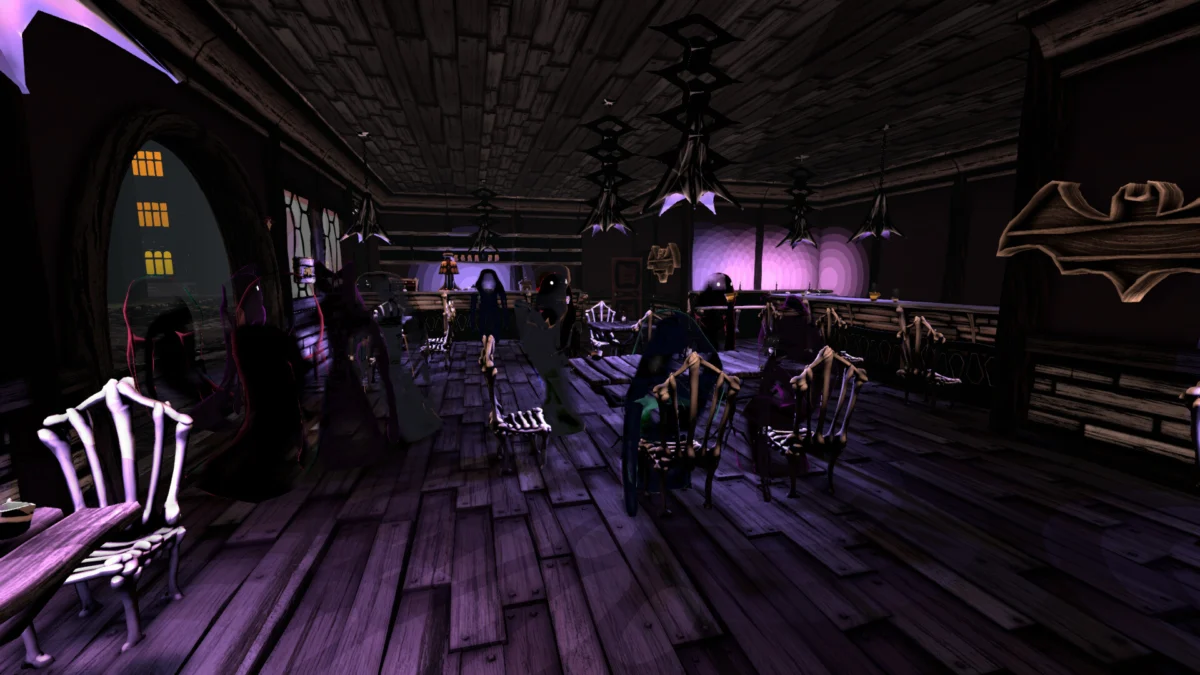
The landscape of independent gaming has witnessed a fascinating metamorphosis over the last decade. The "cozy" genre, once defined strictly by the pastoral serenity of farming simulators and life-management titles, has begun to embrace its darker side. This intersection of comfort and the macabre—often dubbed "cozy horror"—finds its latest and perhaps most charmingly eerie representative in My Little Cafe Nightmare. Recently launched into Steam Early Access, this first-person management simulator tasks players with a unique proposition: running a coffee shop where the patrons are deceased, the currency is skeletal, and the mentor is a shrunken head.
Main Facts: A Brew for the Afterlife
My Little Cafe Nightmare positions the player as the newest, and notably only, living employee of a dilapidated establishment catering to the spectral world. Unlike traditional cafe simulators that focus on high-volume customer turnover and corporate expansion, this title emphasizes atmospheric restoration and the nurturing of a ghostly community.
The core gameplay loop revolves around several key pillars:
- Specialized Service: Preparing beverages for a variety of "ghosts and ghouls" who possess unique tastes and temperaments.
- The Bone Economy: Collecting "bone tokens" as payment, which serve as the primary currency for upgrades and supplies.
- Renovation and Customization: Repairing the "rot" of a crumbling building and decorating the space with a mix of macabre and warm aesthetics.
- Logistical Management: Tracking equipment durability, ordering supplies through a supernatural delivery system, and maintaining a clean environment.
One of the game’s most distinctive features is its narrative guide: a shrunken head suspended from a chandelier. This character provides both mechanical tutorials and lore-based context, grounding the player in a world that is as surreal as it is inviting.
Chronology: From Concept to Early Access
The development of My Little Cafe Nightmare follows a trend of "living development" common in the indie scene. By launching in Early Access, the developers have signaled a commitment to iterative design based on player feedback—a necessity for a game that utilizes complex physics-based interaction.
- Phase 1: The Concept of "Spooky-Cozy": The project began with the intent to subvert the "stressful" horror trope. Instead of running away from ghosts, players would be invited to serve them. This sub-genre has seen success with titles like Dredge and Graveyard Keeper, proving there is a significant market for "Wholesome Goth" experiences.
- Phase 2: Alpha Testing and Physics Implementation: Early development focused on the first-person perspective. The decision to allow players to move almost any object in the environment was a bold design choice intended to offer unparalleled freedom, though it introduced significant technical hurdles.
- Phase 3: Steam Early Access Launch: The current release represents the "foundational" build. It includes the primary cafe loop, basic decorating tools, and the initial roster of ghostly customers. The developers have indicated that the Early Access period will be used to iron out physics glitches and expand the furniture catalog.
Supporting Data: The Mechanics of a Haunted Business
To understand the depth of My Little Cafe Nightmare, one must look at the granular data governing its management systems. The game is not merely a "walking simulator" with coffee; it is a rigorous management tool disguised in shadows.
The Physics of Decoration
The game’s customization engine is its most ambitious—and currently most controversial—feature. Unlike many simulators that utilize a "grid-based" snapping system for furniture, My Little Cafe Nightmare allows for free-form placement.
- Freedom vs. Frustration: Players can rotate and place items anywhere. However, data from early user reports suggests a steep learning curve. When a player grabs a countertop, the object’s collision box can interact violently with smaller items, such as kettles or grinders, occasionally "clipping" them through walls or floors.
- The "Glitch" Factor: Because the game allows for real-time redecoration while the cafe is open, the physics engine is constantly under load. A misplaced table can trap an NPC ghost, requiring a reset of the area.
Resource Management
Operating a cafe for the dead requires a surprising amount of "living" logistics.
- Inventory Tracking: Players must manually check milk, coffee beans, and sugar levels. These are not infinite resources; they must be ordered and physically moved from the delivery point to the storage area.
- The Cleaning Loop: Despite the cafe’s derelict aesthetic, cleanliness impacts customer satisfaction. However, the game leans into irony here; players must clear away cobwebs even though some ghostly patrons might find them "homey."
- Bone Token Valuation: Different ghosts offer varying amounts of tokens based on the complexity of their order and the speed of service. This creates a tiered progression system where players must decide whether to invest in better brewing equipment or aesthetic repairs.
Official Responses and Developer Vision
While the developer (listed under the moniker of the studio on Steam) has maintained a focused presence on community forums, their public stance emphasizes "atmosphere over perfection." In response to early criticisms regarding the finicky nature of the decorating system, the development team has acknowledged the "chaos of the physics."
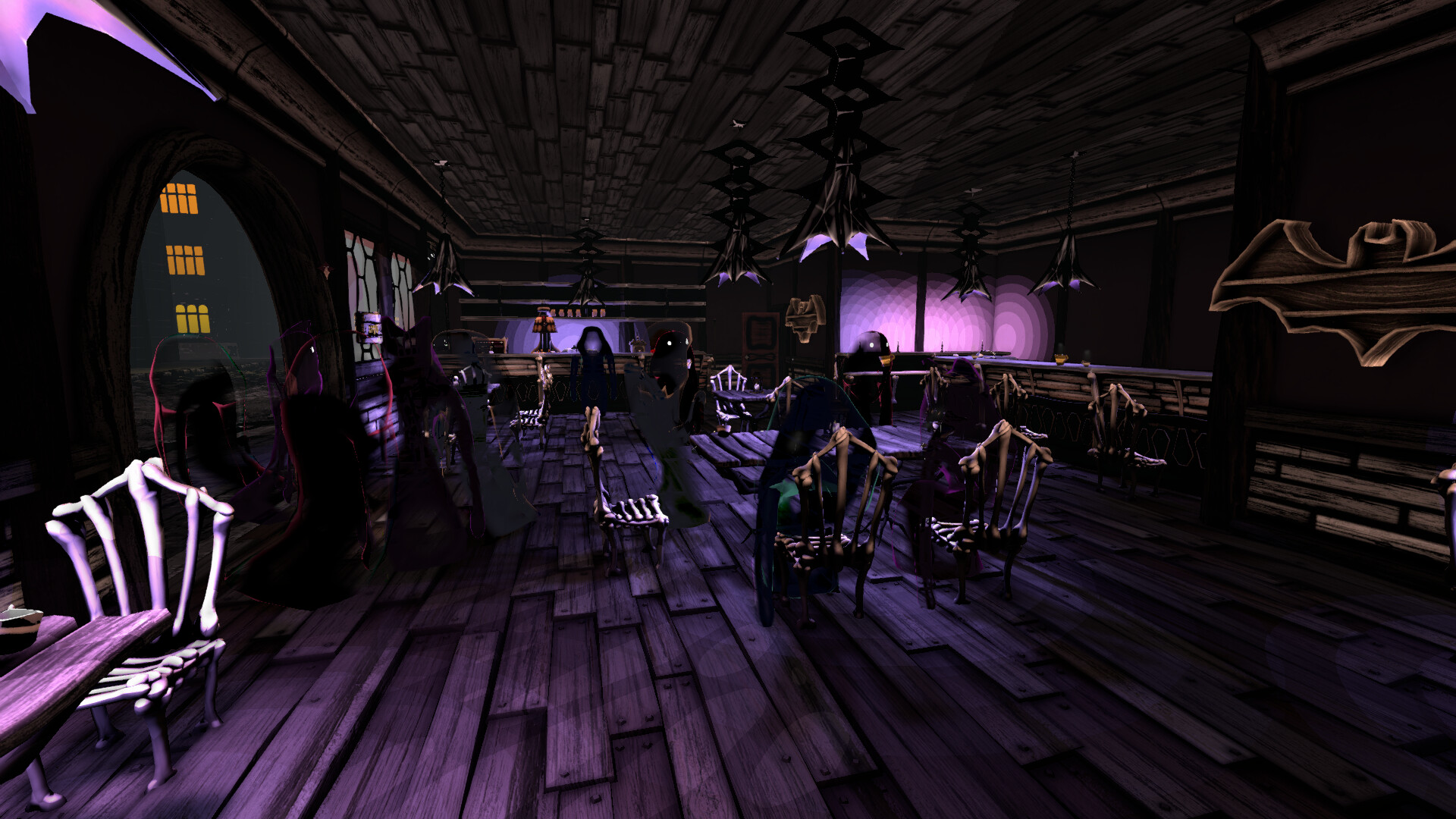
The developers have stated that the goal of My Little Cafe Nightmare is to provide a "sandbox of comfort." Their official roadmap suggests that while the physics-based movement is currently sensitive, it is a necessary component of the "manual feel" of the game. They want players to feel the weight of the objects—the clatter of a bone chair on a stone floor or the hiss of the espresso machine.
Furthermore, the team has addressed the "human element" of the game. The player character is explicitly described as "the only one with arms," a narrative justification for why the ghosts cannot serve themselves. This design choice reinforces the player’s importance in the world; you are not just a barista, but a bridge between the physical and spiritual realms.
Implications: The Evolution of the Management Genre
The release and reception of My Little Cafe Nightmare carry several broader implications for the gaming industry and the indie market.
1. The "Wholesome Goth" Market
The success of this title reinforces the viability of the "Wholesome Goth" aesthetic. There is a growing demographic of players who enjoy horror themes—skeletons, hauntings, and decay—but suffer from "horror fatigue" regarding jump scares and high-stress survival mechanics. By merging these visuals with the dopamine loop of a management sim, My Little Cafe Nightmare taps into a highly loyal niche.
2. The Risks of "Anytime" Customization
The game serves as a technical case study for future developers. The choice to allow players to move furniture at any time, rather than in a dedicated "Edit Mode," creates a more immersive experience but significantly increases the potential for game-breaking bugs. The industry may look to My Little Cafe Nightmare to see if players prefer this "clunky realism" over the sterile perfection of grid-based building.
3. Early Access as a Buffer
By launching in Early Access, the game utilizes its community as a QA team. For a physics-heavy title, this is a strategic move. The "nightmare" in the title might occasionally refer to the glitchy physics, but for the indie developer, these "nightmares" are solvable data points that lead to a more polished final product.
4. Narrative Through Environment
The game proves that narrative doesn’t always need heavy dialogue. Much of the story in My Little Cafe Nightmare is told through the "rot" that players clean away and the "warmth" they bring back. It suggests that the management genre is moving toward more emotional, environmental storytelling.
Conclusion
My Little Cafe Nightmare is more than a simple management simulator; it is an atmospheric experiment in "cozy macabre." While it currently grapples with the technical growing pains typical of an ambitious Early Access title—specifically regarding its volatile physics and decorating mechanics—its charm is undeniable.
By tasking players with serving the forgotten souls of the afterlife, it offers a unique perspective on the "service" genre. It asks the player to find beauty in the crumbling walls and value in a handful of bone tokens. As the game continues to evolve through its Early Access period, it stands as a testament to the creative diversity of the indie scene, proving that even in a nightmare, a good cup of coffee can make all the difference. For those who don’t mind a few glitches in the name of atmosphere, this haunted cafe is officially open for business.