
The German Triumvirate: Why BMW and Porsche Are the Only Luxury EVs Consumer Reports Recommends for 2026
The landscape of the luxury electric vehicle (EV) market is undergoing a seismic shift. For over a decade, the narrative was dominated by Silicon Valley disruption and the meteoric rise of Tesla. However, as the industry moves toward the 2026 model year, the conversation has pivoted from "who can build a computer on wheels" to "who can build a world-class automobile that happens to be electric."
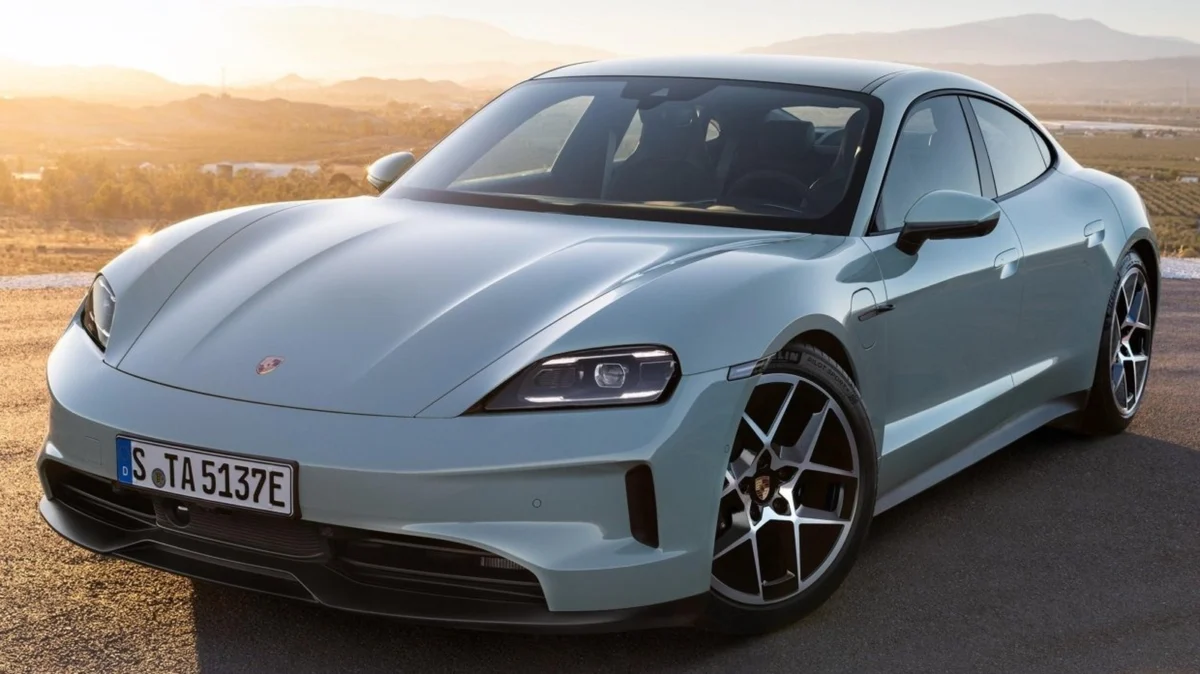
In a move that has sent shockwaves through the automotive industry, Consumer Reports (CR), the world’s most influential independent product-testing organization, has released its highly anticipated recommendations for 2026 luxury electric sedans. The results are strikingly exclusive: only three models—the BMW i4, the BMW i5, and the Porsche Taycan—have earned the coveted "Recommended" badge. Notably absent from this list are industry stalwarts like Tesla and traditional luxury powerhouses like Audi.
Main Facts: A New Hierarchy of Electric Luxury
The 2026 Consumer Reports rankings highlight a narrowing gap in technology but a widening gap in build quality, reliability, and driver ergonomics. The recommendation of the BMW i4, BMW i5, and Porsche Taycan is not merely a nod to their electric powertrains, but a comprehensive endorsement of their excellence as luxury vehicles.
To earn a recommendation from Consumer Reports, a vehicle must excel in a multifaceted evaluation process. Unlike many automotive publications that rely on manufacturer-provided press fleets, CR purchases every car it tests anonymously from dealerships. This ensures that the vehicle tested is identical to the one a consumer would buy. For the 2026 luxury EV segment, the criteria focused on four pillars:
- Road-Test Performance: Handling, braking, acceleration, and ride comfort.
- Predicted Reliability: Based on extensive owner surveys and historical data.
- Owner Satisfaction: Whether current owners would buy the car again.
- Safety: Standard safety features and crash-test performance.
The exclusion of the Tesla Model S and the Audi e-tron GT is particularly telling. While Tesla pioneered the long-range EV, issues with build consistency and the move toward minimalist, screen-heavy interfaces have impacted their usability scores. Audi, while praised for its aesthetics, has faced hurdles regarding software stability and real-world range efficiency compared to its German rivals.
Chronology: From Disruption to Refinement
The journey to the 2026 rankings began nearly five years ago when the traditional European luxury brands pivoted their engineering focus.
- 2019–2020: The Porsche Gambit. Porsche launched the Taycan, proving that an electric car could handle with the precision of a 911. It was the first serious challenge to the high-performance EV sector, introducing 800-volt architecture for ultra-fast charging.
- 2021–2022: BMW’s "Power of Choice" Strategy. Rather than building bespoke, often awkwardly styled EV platforms, BMW began integrating electric powertrains into its existing, highly successful chassis. The i4 was born from the 4 Series Gran Coupe, maintaining the brand’s "Ultimate Driving Machine" ethos.
- 2023–2024: The Mid-Size Revolution. BMW introduced the i5, an electric version of the legendary 5 Series. This model bridged the gap between the compact i4 and the flagship i7, offering a blend of executive comfort and sustainable performance that immediately resonated with critics.
- 2025: The Reliability Realization. As the first wave of mass-market luxury EVs aged, data began to emerge. Brands like BMW and Porsche showed significantly fewer "teething" issues with their electric motors and battery management systems compared to startups and even some established peers.
- 2026: The Consumer Reports Verdict. After 2,000 miles of rigorous driving and over 50 individual test protocols for each model, CR solidified the 2026 recommendations, crowning the German trio as the standard-bearers for the industry.
Supporting Data: By the Numbers
The high scores awarded to BMW and Porsche are backed by data that transcends subjective "feel."
Reliability and Performance Ratings
According to Consumer Reports and external European surveys like What Car?, BMW has ascended to the rank of the most reliable EV brand. In CR’s internal scoring, the BMW i4 and i5 achieved some of the highest predicted reliability ratings ever seen in the EV category.
- Porsche Taycan: Often receives a perfect 10/10 from Car and Driver and has been named "Performance EV of the Year" twice by Motor Trend. Its 800-volt system allows it to charge from 10% to 80% in just 18 minutes under optimal conditions.
- BMW i4: Earned a 9.5/10 overall rating from Car and Driver. In CR testing, it was noted for its exceptional "real-world" range, often exceeding its EPA-estimated mileage in highway conditions.
- BMW i5: Scored a 9/10, praised specifically for its "Silent Luxury" and the integration of the iDrive 8.5/9.0 system, which balances touchscreens with tactile feedback.
The Range Discrepancy
One of the most critical data points in CR’s testing is the "Range Over-Performance." While many EVs struggle to meet their advertised EPA range in cold weather or at highway speeds, the BMW i4 and i5 have consistently been flagged as "over-performers." In independent testing, these models often deliver 5–10% more mileage than the sticker suggests, a factor that heavily weights CR’s "Owner Satisfaction" score.
Official Responses and Strategic Philosophies
While manufacturers rarely comment directly on third-party rankings, their corporate strategies explain why they are currently leading the pack.
The BMW Approach: "Evolution, Not Revolution"
BMW’s leadership has been vocal about their "flexible" platform strategy. By utilizing the CLAR (Cluster Architecture) platform for both internal combustion and electric vehicles, BMW ensures that the i4 and i5 possess the same structural integrity and interior ergonomics as their world-renowned gasoline siblings. "We don’t want our customers to choose between a ‘car’ and an ‘electric car,’" a BMW spokesperson noted during the i5’s launch. "We want them to choose a BMW that happens to be electric."
The Porsche Approach: "The Electric Athlete"
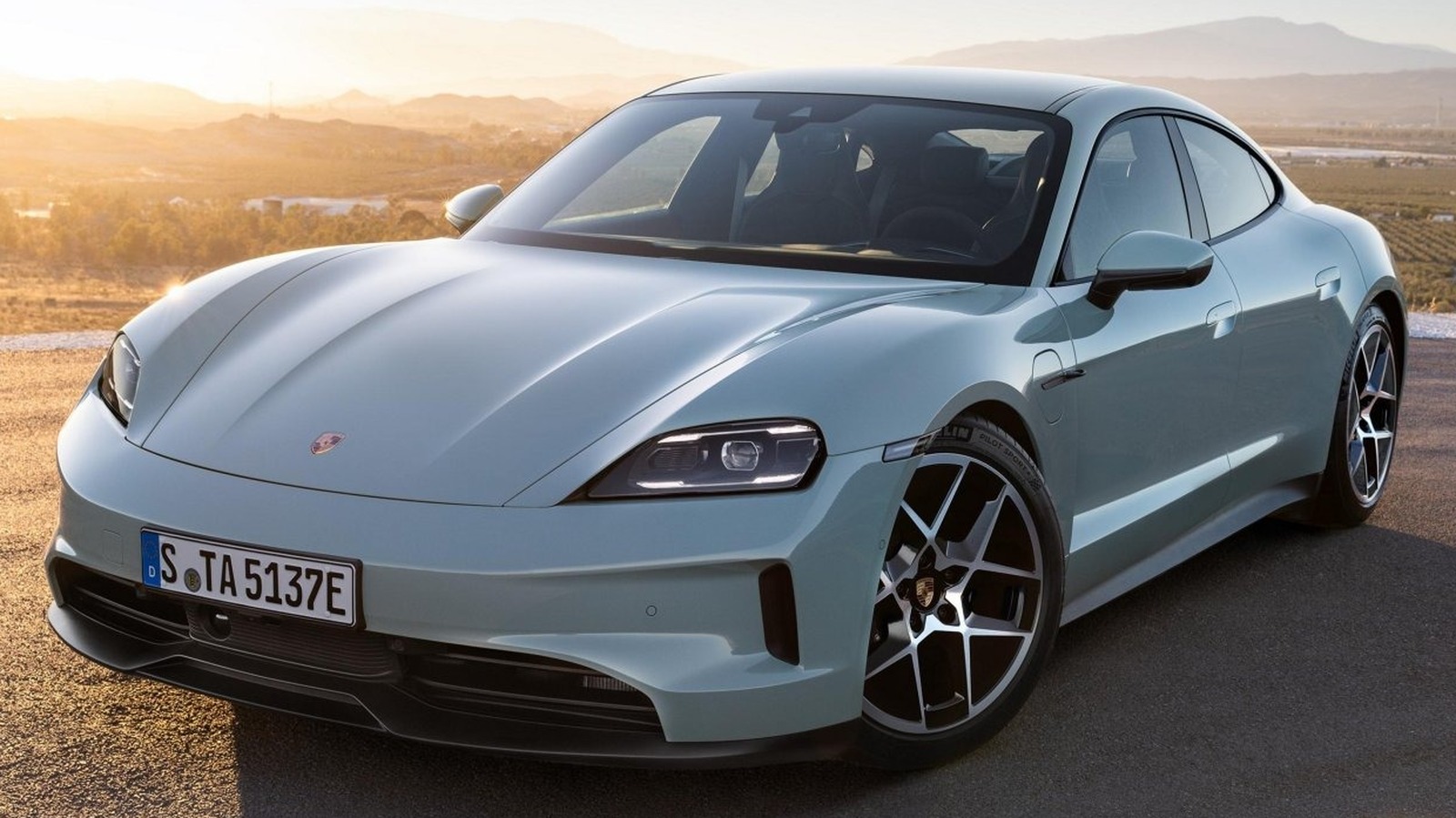
For Porsche, the Taycan was never about being a "green" alternative; it was about being a better Porsche. By focusing on thermal management—the ability for a battery to provide consistent power without overheating—Porsche won over enthusiasts who were previously skeptical of EVs. Their official stance emphasizes "sustainable performance," ensuring the Taycan can perform 0–60 mph launches repeatedly without performance degradation.
The Competitive Fallout
Tesla’s absence from the 2026 recommendation list is a significant blow. While the Model S remains a tech marvel, CR’s data suggests that the "Yoke" steering wheel and the removal of physical stalks for turn signals have negatively impacted "Ease of Use" scores. Audi, meanwhile, continues to iterate on its e-tron platform, but software glitches in earlier models have dragged down its "Predicted Reliability" score, a hurdle the brand is working to clear with its upcoming PPE (Premium Platform Electric) models.
Implications: What This Means for the 2026 Market
The Consumer Reports 2026 recommendations carry heavy implications for both consumers and the broader automotive market.
1. Resale Value Stability
The "Recommended" badge is a powerful tool in the secondary market. As EVs face concerns regarding battery longevity and depreciation, the high reliability scores of the i4, i5, and Taycan are likely to stabilize their resale values. Buyers are more willing to purchase a used EV if an independent body like CR has vetted its long-term durability.
2. The "User Experience" Correction
For years, the trend in EVs was "more screens, fewer buttons." The success of BMW in these rankings suggests a shift back toward driver-centric ergonomics. BMW’s retention of a physical rotary controller (the iDrive knob) in many models is frequently cited by CR as a safety and usability advantage over Tesla’s screen-only interface.
3. Pressure on Rivals
Audi, Mercedes-Benz, and Lucid will likely view these rankings as a roadmap for improvement. To crack the 2027 list, these brands will need to focus less on "party trick" features (like hyperscreens or falcon doors) and more on the fundamentals: consistent range, intuitive controls, and bulletproof build quality.
4. Consumer Confidence
For the average luxury buyer—someone transitioning from a BMW 5 Series or a Mercedes E-Class to their first EV—the CR recommendation provides a "safety net." It validates that the BMW i5 or Porsche Taycan will offer a familiar luxury experience without the "beta-tester" frustrations often associated with early-adoption electric vehicles.
Conclusion
As we look toward 2026, the "Golden Age" of the electric sedan is no longer defined by who got there first, but by who did it best. By focusing on the core tenets of automotive excellence—reliability, driver engagement, and honest performance metrics—BMW and Porsche have distanced themselves from the pack. For the discerning buyer seeking a luxury EV that refuses to compromise, the message from Consumer Reports is clear: the Germans have perfected the formula.




Leave a Comment