
The Lost Wild: A New Dawn for Dinosaur Horror, Where Survival Means Respect, Not Conquest
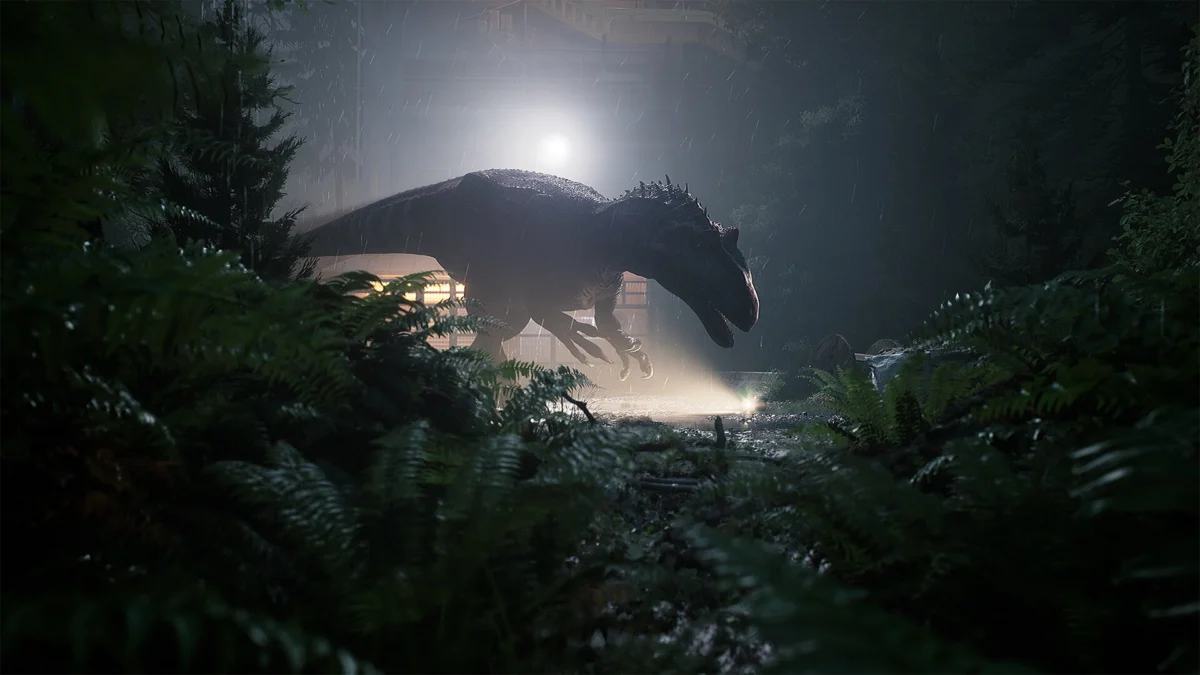
The chilling roars and thunderous footsteps of prehistoric giants are set to echo once more, but this time, the narrative of human dominance is being irrevocably rewritten. Annapurna Interactive has unveiled a compelling new trailer and a wealth of fresh details for "The Lost Wild," a survival horror game developed by Great Ape Games. Set against the backdrop of a forgotten island littered with the remnants of advanced scientific endeavors, this title presents a unique premise: dinosaurs, against all odds, have persisted into the modern era. This isn’t just another "Jurassic Park" scenario; it’s a profound exploration of vulnerability, ecological respect, and the primal fear of being utterly outmatched.
Unearthing a Primal Threat: The Genesis of The Lost Wild
First announced in 2022, "The Lost Wild" has steadily built anticipation, drawing upon the pedigree of its development team. Great Ape Games boasts a roster of seasoned UK developers with impressive credits at esteemed studios such as Rare, Hangar 13, The Chinese Room, and Supermassive. At the helm of this ambitious project is Creative Director Gary Napper, whose extensive experience in crafting tense and atmospheric horror is particularly noteworthy. His prior work on Creative Assembly’s critically acclaimed "Alien: Isolation" casts a significant shadow, and it’s no surprise that this legacy informs the core gameplay loop of "The Lost Wild."
The central tenet of "The Lost Wild" revolves around outwitting and evading formidable adversaries. Much like its predecessor in terror, players will find themselves largely disarmed, devoid of conventional weaponry. Success hinges on a keen understanding of the environment, the strategic deployment of distractions, and a deep respect for the intelligence and adaptability of the game’s prehistoric inhabitants. This emphasis on non-confrontational survival immediately sets "The Lost Wild" apart, promising an experience that prioritizes psychological dread over visceral combat.
A Philosophical Shift: Respecting the Primal
What truly distinguishes "The Lost Wild" from the typical dinosaur-centric narrative is its underlying philosophical message. Gary Napper has explicitly stated that the developers aim to foster a sense of empathy and respect for the dinosaurs, positioning them not as mere monsters to be vanquished, but as fellow beings struggling to survive in their restored natural habitat. This stands in stark contrast to the often-antagonistic portrayal of creatures in other horror titles, such as the Xenomorph in "Alien: Isolation," which Napper himself has described as metaphors for societal anxieties.
"The difference here is not just that you can’t fight back, it’s that you feel like you shouldn’t," Napper articulated in recent communications. This sentiment echoes ongoing debates within the gaming community, particularly concerning games like "Subnautica 2," where the ethical implications of player agency and the potential for harm towards in-game fauna are actively discussed. This ethos also seems to carry forward from Napper’s earlier, albeit cancelled, project at Rare, "Everwild." That game was envisioned as a unique blend of adventure and simulation, characterized by its peaceful exploration and a distinct absence of combat. While "The Lost Wild" delves into horror, this underlying principle of respecting the natural world and its inhabitants appears to be a consistent thread in Napper’s creative vision.
Navigating a World Beyond Human Dominion
In "The Lost Wild," players assume the role of Saskia, a lone survivor inexplicably stranded on an archipelago teeming with a diverse array of prehistoric life. The island, scarred by the remnants of failed scientific experiments, has become a vibrant, albeit terrifying, sanctuary for dinosaurs of all shapes and sizes. The game promises a veritable smorgasbord of reptilian encounters, from agile pack hunters and apex predators to stealthy stalkers and airborne behemoths. The scale of these creatures ranges from colossal entities that dwarf human structures to diminutive dinosaurs that could potentially seek refuge beneath the same cover as the player, adding a constant layer of claustrophobic dread.
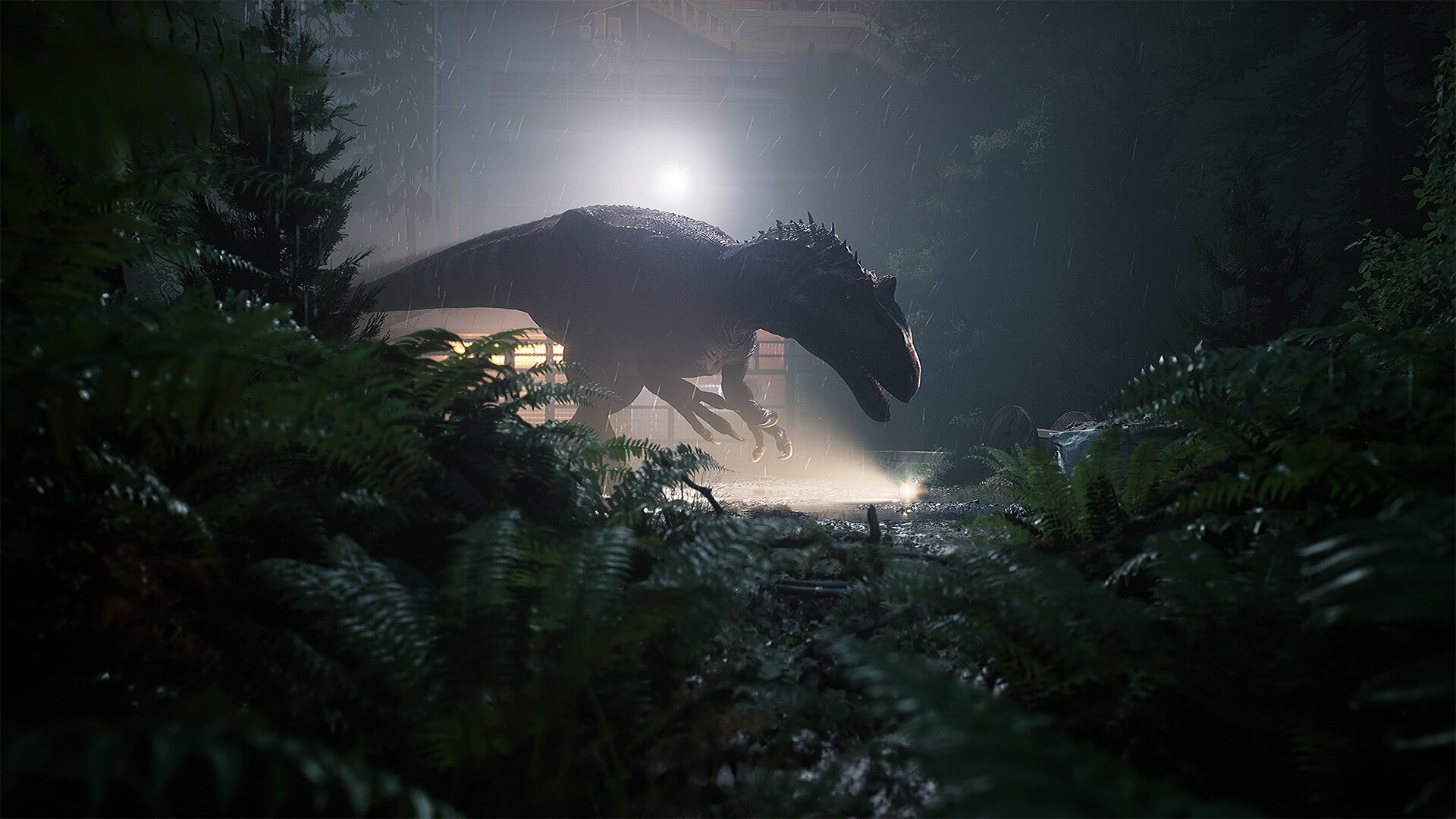
One particularly unsettling creature highlighted in the recent trailer is the Quetzalcoatlus. This majestic, yet terrifying, pterosaur patrols a misty woodland, its presence instilling a profound sense of unease. The disorienting behavior of this creature – hunting on all fours despite its aerial capabilities – serves as a potent example of the unpredictable and alien nature of the island’s inhabitants, forcing players to constantly re-evaluate their understanding of the threats they face.
The Dinosaurs as Believable Animals, Not Monsters
Napper’s vision for "The Lost Wild" extends beyond mere survival; it aims to reframe the player’s perception of these ancient creatures. "From the outset, our goal has been to create a world where dinosaurs are not framed as monsters, but as believable animals," he explained in a post on the PlayStation blog. "They exist within the world with their own instincts, behaviors, and drives. This shift in perspective fundamentally changes the player’s role. You are not the dominant force, the hero or the conqueror, you are the outsider, vulnerable and exposed, trying to navigate a food chain where you no longer sit at the top."
This philosophical underpinning is deeply rooted in Napper’s formative experiences in game development. His tenure working on "Alien: Isolation" profoundly shaped his approach to horror design. "Alien: Isolation ‘has inevitably shaped how I approach horror design and is definitely a lens I view this game’s design through,’" he stated. A key lesson learned from that project was the power of restraint – knowing when to reveal the threat and when to allow the player’s imagination to fill in the terrifying blanks. This principle of building anticipation and fear through the unknown is directly translated into "The Lost Wild."
The Art of Restraint: Crafting Primal Horror
"In Alien: Isolation, the creature was terrifying not just because of what it could do, but because of what players imagined it was going to do," Napper elaborated. "The sense of anticipation and fear built in the unknown. That same principle applies here in a lot of ways. By treating dinosaurs as systemic, unpredictable entities rather than scripted events, we create a more dynamic and personal form of horror."
The developers are committed to creating a dynamic and emergent horror experience. Instead of relying on pre-scripted encounters, the dinosaurs in "The Lost Wild" are designed as systemic entities, governed by their own AI and ecological behaviors. This means that each encounter will be unique, unpredictable, and deeply personal, amplifying the sense of dread and the thrill of survival. The absence of direct combat, coupled with the emphasis on respecting the dinosaurs as living beings, creates a unique tension. Players are not merely trying to survive; they are trying to coexist, albeit precariously, within a world where they are no longer at the apex of the food chain.
A Movement Away from Power Fantasies
Gary Napper observes a broader trend in the gaming landscape. "There’s a growing appetite for experiences that move away from the power fantasy," he remarked. This sentiment resonates strongly with the initial concepts of "Everwild," which aimed to cast players as caretakers of a vibrant wilderness, fostering connections with nature through magic and empathy. While "The Lost Wild" undeniably ventures into the realm of terror, the shared underlying philosophy of appreciating and respecting the natural world, rather than dominating it, suggests a significant evolution in interactive storytelling.
For those yearning for a more traditional "Jurassic Park" survival experience, the upcoming "Jurassic Park: Survival" is also on the horizon, promising a different, yet equally anticipated, take on the beloved franchise. However, "The Lost Wild" is poised to carve out its own unique niche, offering a deeply thoughtful and viscerally terrifying exploration of humanity’s place in a world reclaimed by its most ancient inhabitants. It’s a call to arms, not for battle, but for understanding, observation, and the primal instinct to simply endure in a world that no longer belongs solely to us. The age of the dinosaur is not just returning; it’s offering a stark, humbling lesson in survival.

Leave a Comment