O3DE Unleashes Version 26.05: A Leap Forward in Open-Source Game Development
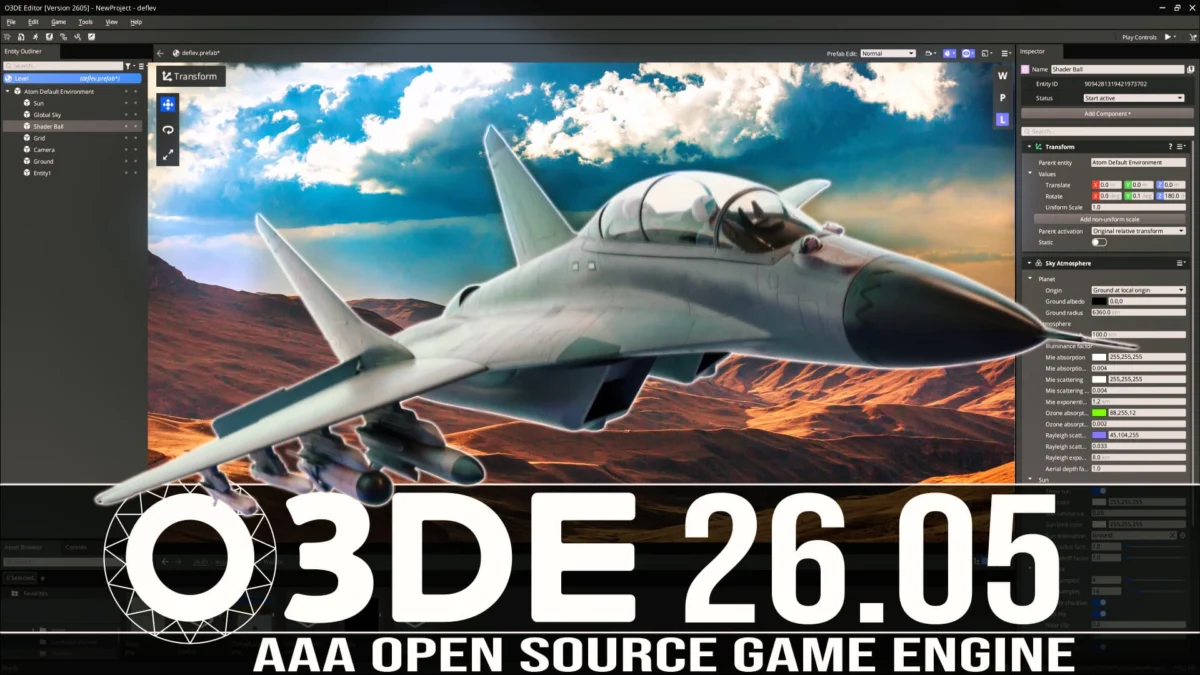
Seattle, WA – May 28, 2026 – The Open 3D Engine (O3DE), a burgeoning force in the realm of open-source game development, has officially launched its latest iteration, O3DE 26.05. This significant release underscores the project’s unwavering commitment to stability, community-driven enhancement, and the continuous refinement of its foundational architecture. O3DE 26.05 arrives as a testament to the project’s evolution from its origins as Amazon’s Lumberyard, a venture that, while ultimately unsuccessful in its initial form, paved the way for a robust and adaptable open-source engine.
Since its open-sourcing and subsequent rebranding as O3DE, the engine has undergone a substantial transformation. What began as a fork of CryEngine has been meticulously reshaped and rebuilt by a dedicated community of developers. This latest release, O3DE 26.05, embodies this ongoing dedication, focusing heavily on squashing bugs and integrating a multitude of community-contributed patches, promising a more stable and performant experience for developers.
The Genesis of O3DE: From Lumberyard’s Legacy to Open-Source Promise
To fully appreciate the significance of O3DE 26.05, it’s crucial to understand its lineage. O3DE’s story is inextricably linked to Amazon Game Studios’ foray into game development with Lumberyard. Launched in 2016, Lumberyard was Amazon’s ambitious attempt to provide a free, AAA-capable game engine that integrated deeply with Amazon Web Services (AWS). The engine, built upon the robust foundation of CryEngine, aimed to empower developers with powerful tools for creating immersive gaming experiences, particularly those leveraging cloud-based services.
However, Lumberyard faced significant hurdles. The complexities of its AWS integration, coupled with a challenging learning curve and a perceived lack of widespread adoption within the industry, contributed to Amazon’s eventual decision to pivot its game development strategy. In early 2021, Amazon announced its intention to open-source Lumberyard, a move that sent ripples of excitement through the independent development community. This decision marked a pivotal moment, transferring the reins of a powerful engine to the collaborative spirit of open-source development.
The result was the Open 3D Foundation, established under the Linux Foundation, and the birth of the Open 3D Engine (O3DE). This transition was not merely a rebranding; it signified a fundamental shift in philosophy and governance. The project was entrusted to a community-led organization, fostering transparency, inclusivity, and a shared vision for the future of game development tooling. Since then, O3DE has been on a relentless journey of improvement, shedding proprietary elements and embracing a modular, extensible architecture that caters to a diverse range of development needs.
O3DE 26.05: A Focus on Stability and Community-Driven Progress
The O3DE 26.05.0 release, at its core, is a testament to the power of collective effort. The release notes highlight a significant emphasis on engine stability, with hundreds of patches meticulously incorporated to address reported issues and enhance overall reliability. This focus on bug fixing and performance optimization is crucial for any engine seeking widespread adoption, especially in the demanding landscape of game development.
While specific feature breakdowns for this particular release might be sparse in the provided snippet, the overarching theme of "stability and community-driven improvements" speaks volumes. It indicates a mature development cycle where the community’s feedback and contributions are actively shaping the engine’s trajectory. This iterative approach, characterized by the integration of numerous patches, suggests a highly responsive development process.
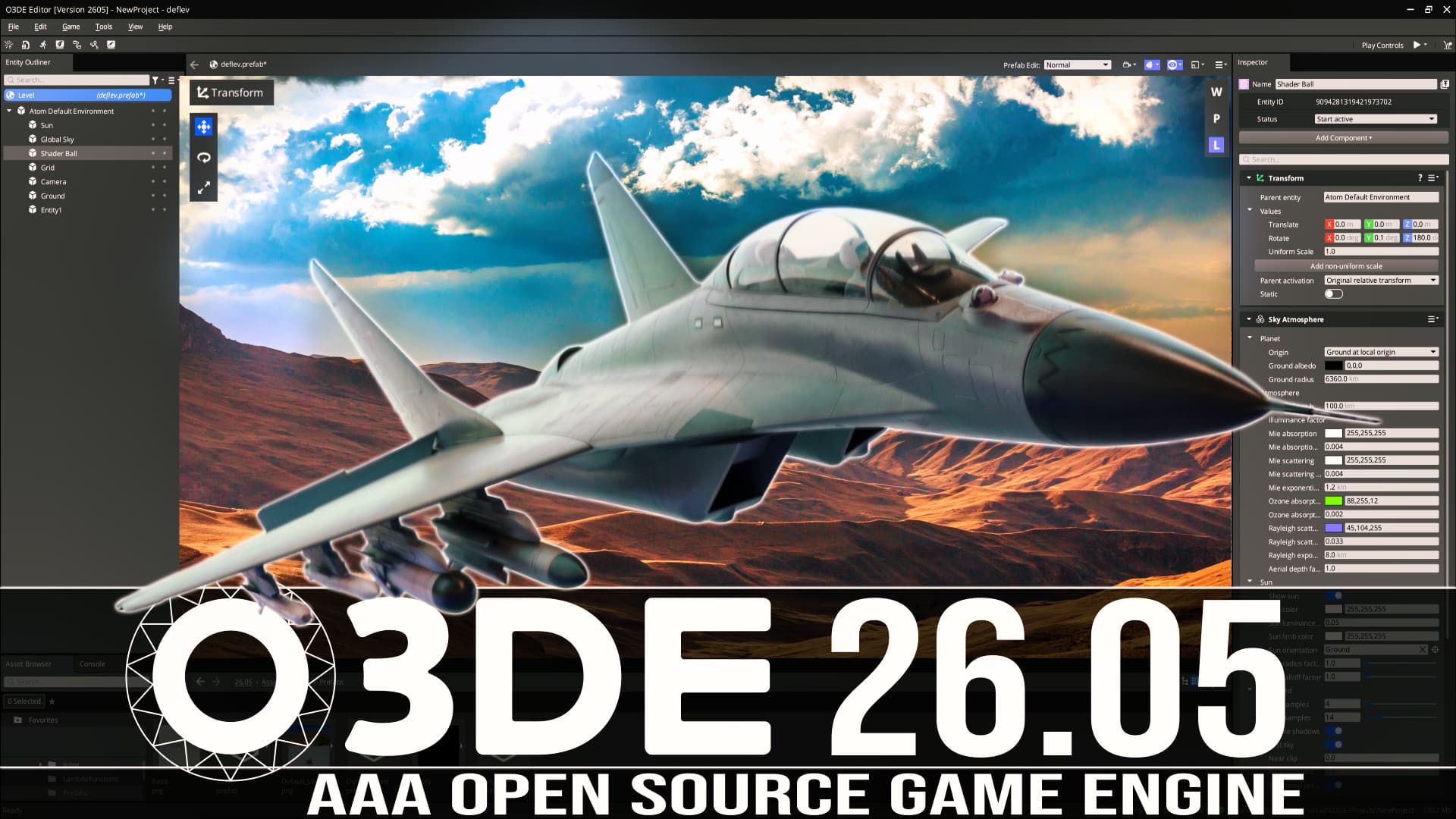
For developers, this translates to a more dependable and robust platform. By prioritizing the resolution of existing issues, O3DE 26.05 aims to reduce friction in the development workflow, allowing creators to focus more on innovation and less on overcoming engine-related obstacles. The "hundreds of patches" represent a significant collective investment from the O3DE community, showcasing their dedication to refining and strengthening the engine.
Key Features and Improvements in O3DE 26.05 (General Overview)
While the provided text doesn’t enumerate specific groundbreaking features for 26.05, the emphasis on stability and community patches implies a range of underlying improvements across various engine subsystems. Based on typical release patterns for mature engines, these improvements likely encompass:
- Rendering Enhancements: Optimizations to the rendering pipeline, potentially including improvements to lighting, shadows, post-processing effects, and shader performance. This could also involve better support for newer graphics APIs or hardware features.
- Performance Optimizations: A broad category that could include improvements to memory management, CPU utilization, asset loading times, and overall frame rate consistency across different hardware configurations.
- Bug Fixes and Stability: The most prominently mentioned aspect. This translates to a reduction in crashes, unexpected behavior, and visual glitches, leading to a smoother development and runtime experience.
- Tooling Improvements: Enhancements to the editor, asset pipeline, debugging tools, and build systems, making the overall development workflow more efficient and user-friendly.
- Scripting and Workflow Enhancements: Potential updates to scripting languages (like Lua or C++), animation tools, physics systems, or networking capabilities, making it easier for developers to implement game logic and features.
- Cross-Platform Support: Continued refinement of O3DE’s ability to target various platforms, ensuring consistent performance and functionality across PC, consoles, and potentially mobile devices.
The inclusion of a "Planet Survival Demo Game Repository" further suggests that O3DE is actively working on providing practical examples and showcases for its capabilities. Such demo projects are invaluable for new and existing users, illustrating how to leverage the engine’s features effectively and serving as a practical learning resource.
A Glimpse into the O3DE Ecosystem: Resources and Community Engagement
The O3DE project understands the importance of accessibility and community engagement. The provided links offer a clear roadmap for developers to dive into the engine:
- O3DE Home Page (o3de.org): The central hub for all things O3DE, providing an overview of the engine, its features, and community resources.
- O3DE 26.05 Release Notes (docs.o3de.org/docs/release-notes/2605-0-release-notes/): The definitive source for detailed information on what’s new, improved, and fixed in this specific release. This is an essential read for developers looking to upgrade or understand the changes.
- O3DE GitHub (github.com/o3de/o3de): The engine’s open-source repository, offering direct access to the codebase, development discussions, and the opportunity to contribute.
- Planet Survival Demo Game Repository (github.com/o3de/PlanetSurvivalGame): A practical example showcasing O3DE’s capabilities, serving as a valuable learning tool for developers.
- YouTube Video: The inclusion of a video link indicates a commitment to multimedia content, likely offering a visual overview or demonstration of the new release, making it more accessible to a wider audience.
This comprehensive set of resources empowers developers to explore, learn, and contribute to the O3DE ecosystem. The open-source nature of the project means that transparency is paramount, and these links facilitate that transparency, fostering trust and collaboration.
Implications for the Future of Game Development
The continuous development and release of O3DE, exemplified by version 26.05, carry significant implications for the broader game development landscape.
- Democratization of Game Development: By offering a powerful, free, and open-source engine, O3DE lowers the barrier to entry for aspiring game developers, indie studios, and even larger organizations looking for flexible and cost-effective solutions. This fosters a more diverse and innovative game development industry.
- Increased Competition and Innovation: A strong open-source contender like O3DE can push commercial engine providers to innovate and improve their offerings, ultimately benefiting the entire development community.
- Community-Driven Innovation: The emphasis on community contributions means that O3DE can evolve in ways that directly address the needs and desires of its users. This agile and collaborative approach can lead to unique features and solutions that might not emerge from more traditional, corporate-driven development models.
- Long-Term Viability: The support of the Linux Foundation and a growing community suggests a commitment to the long-term sustainability of O3DE, offering developers a reliable platform for their projects.
As O3DE 26.05 rolls out, it marks another important step in the engine’s journey. It signifies a maturing project that is steadily building a reputation for stability and community engagement. While its origins are rooted in a past endeavor, O3DE is forging its own distinct path, one that promises to empower a new generation of game creators and shape the future of interactive entertainment. Developers looking for a powerful, flexible, and community-backed engine would do well to explore what O3DE 26.05 has to offer.