The Tactile Uncanny: How SoHo’s Furry Puppet Studio and the Henson Lineage Redefine Modern Surrealism
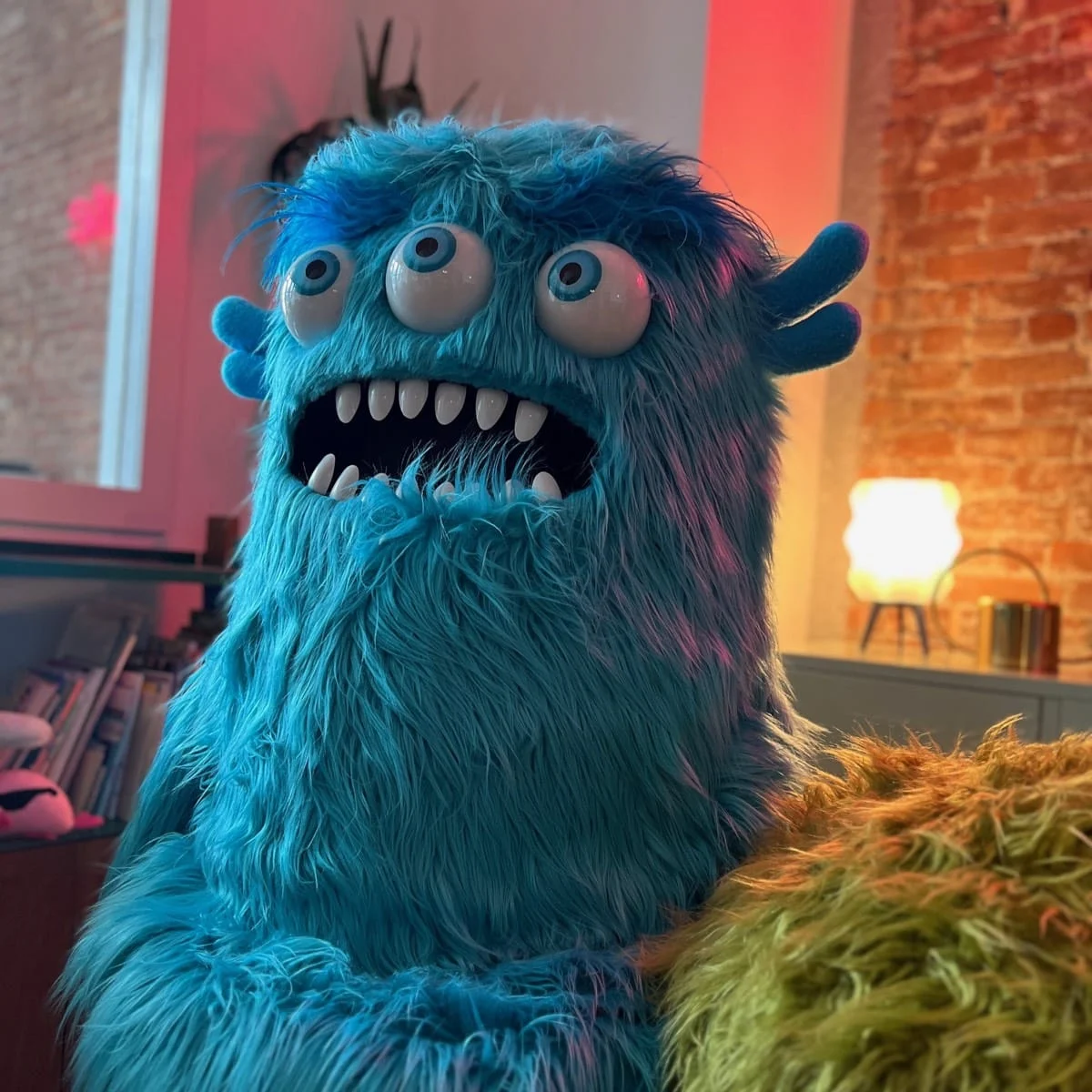
In an era dominated by pixels and generative algorithms, a quiet revolution of foam, fleece, and mechanical precision is taking place in a studio in SoHo. While the broader public often relegates puppetry to the realm of children’s entertainment, a deeper investigation reveals that modern creature design is the direct descendant of the 20th-century surrealist movement. From the experimental films of Jim Henson to the "creature dance parties" of Big Nazo, and culminating in the high-fashion, high-concept output of Furry Puppet Studio, the art of the puppet serves as a bridge between the physical world and the impossible.
Main Facts: The Intersection of Fabrication and the Subconscious
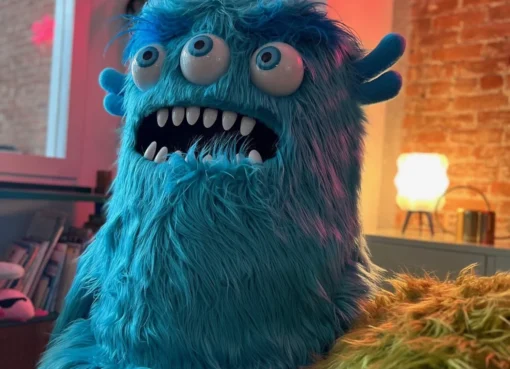
At the heart of this movement is Furry Puppet Studio, a design house located in New York’s SoHo district. Founded by Zack Buchman, the studio specializes in the creation of custom puppets and creatures that defy traditional categorization. Their work is characterized not by the "cuteness" typically associated with the medium, but by what critics call the "tactile uncanny"—the creation of objects that possess a physical weight and presence that forces the viewer to acknowledge them as living entities.
The studio’s portfolio serves as a contemporary catalog of surrealist motifs. Their projects range from hyper-realistic doubles of news anchors to mythical creatures placed in mundane settings. By utilizing a proprietary material known as "dream fleece" and employing master foam carvers, Furry Puppet Studio has moved the avant-garde from the gallery wall into the mainstream media, appearing in music videos, national broadcasts, and global advertising campaigns.

This work is not an isolated phenomenon. It exists within a lineage that includes the experimental "street surrealism" of Providence-based Big Nazo and the foundational avant-garde work of Jim Henson. Together, these entities represent a specific branch of art where the goal is to insert the "marvelous" into the ordinary, a core tenet of the Surrealist Manifesto.
Chronology: From Experimental Film to the SoHo Workshop
The evolution of puppetry as a serious surrealist medium can be traced through several pivotal stages:
The Henson Avant-Garde (1960s–1980s)
Before "Sesame Street" became a global phenomenon, Jim Henson was an experimental filmmaker. In 1965, he produced Time Piece, a dialogue-free short film that used associative logic and rhythmic editing to explore the passage of time. Nominated for an Academy Award and screened at the Museum of Modern Art, Time Piece featured motifs—such as a man in a hospital bed and a gorilla on a pogo stick—that were purely surrealist. This period established the puppet as an instrument of the avant-garde, a tool for exploring the subconscious rather than just a prop for vaudeville.
The Rise of Big Nazo (1986–Present)
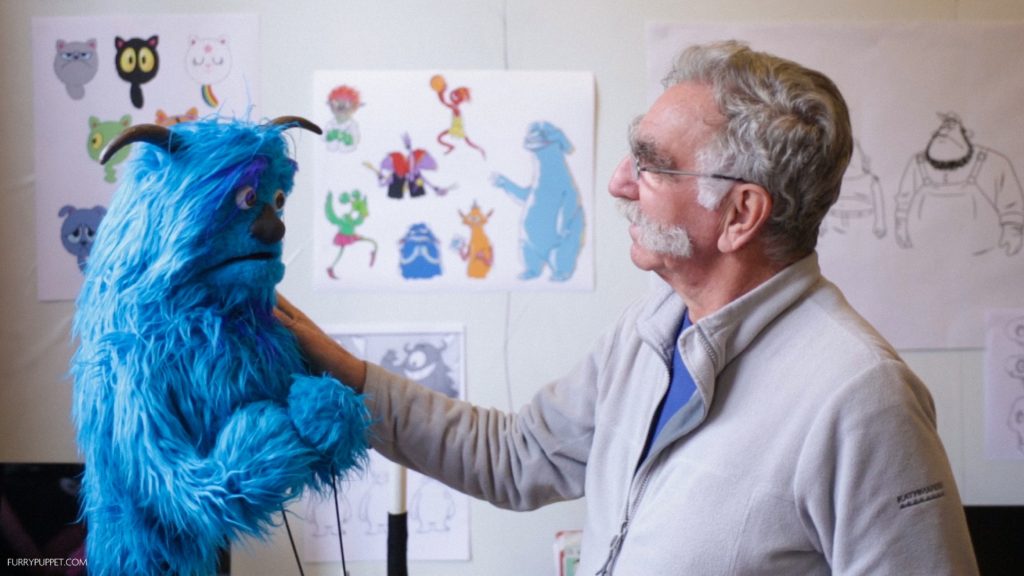
In the mid-1980s, Erminio Pinque, a RISD-trained illustrator, founded Big Nazo in Providence, Rhode Island. Pinque’s vision was "a puppet show without a stage." By creating massive, wearable foam creatures and sending them into public spaces, Big Nazo practiced a form of "public ambush" surrealism. This shifted the medium from the screen to the street, emphasizing the power of the accidental encounter—what the surrealists called le hasard objectif (objective chance).
The Modern Era: Furry Puppet Studio (2000s–Present)
Zack Buchman founded Furry Puppet Studio with an outsider’s perspective, having bypassed formal college education in favor of direct craftsmanship. Over the last two decades, the studio has refined the "Henson lineage" into a high-precision art form. By integrating mechanical engineering with traditional hand-carving, they have brought a new level of sophistication to the medium, catering to a diverse clientele that includes musicians like Missy Elliott and Pharrell Williams, and global brands like Apple.
Supporting Data: The Mechanics of the "Impossible"
The effectiveness of these creations relies on a blend of proprietary materials and rigorous technical processes. At Furry Puppet Studio, the manufacturing process is a study in permanent, high-stakes artistry.
The "No Undo" Philosophy
Unlike digital modeling, where a mistake can be erased with a keystroke, the creatures at Furry Puppet begin as solid blocks of foam. A master carver—whom Buchman likens to a real-life Edward Scissorhands—shapes the character using manual blades. Every cut is permanent. This physical limitation demands a level of confidence and premeditation that mirrors the "automatism" of early surrealist painters, where the hand must move with a certainty that bypasses the hesitant conscious mind.
Material Science: Dream Fleece and Animatronics
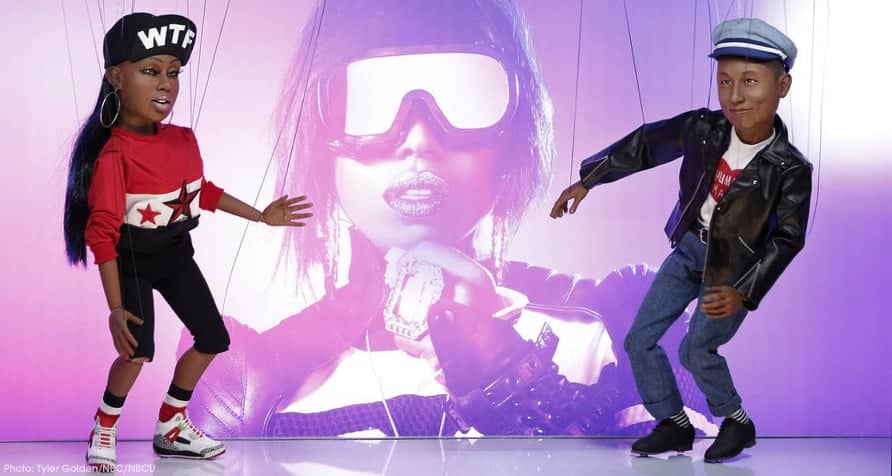
The studio does not use off-the-shelf fabrics. They manufacture "dream fleece," a custom textile designed to catch light in a way that mimics organic skin or fur without losing the "dreamlike" quality of a puppet. Beneath this skin, the team—which includes a mechanical engineer and legendary costume designer Polly Smith (the co-inventor of the sports bra)—installs complex skeletons. For the Missy Elliott and Pharrell marionettes in the "WTF (Where They From)" music video, the internal structures were re-engineered to allow professional street dancers to control the puppets’ movements, blending human athleticism with foam aesthetics.
The Psychology of the Eye
The "hinge" of the entire process is the placement of the eyes. Buchman notes that a fractional shift in the positioning of an eyeball can alter a creature’s entire temperament, moving it from "suspicious" to "approachable." This is where the studio confronts the "Uncanny Valley," a hypothesis in aesthetics that suggests human-like objects which are almost, but not quite, perfectly realistic provoke feelings of eeriness. By leaning into the "almost," the studio creates a form of belief that digital effects struggle to replicate.
Official Responses: Perspectives from the Creators
The philosophy behind these studios is as much about art theory as it is about fabrication.
Zack Buchman, Founder of Furry Puppet Studio, emphasizes the moment of cognitive dissonance:
"The goal is the instant disbelief clicks off. Your brain stops hunting for the rods and simply accepts that what it is seeing is alive. We do pretty unusual work because we aren’t just building a vendor product; we are building a being that has no right to exist, then convincing you that it is looking back at you."
Erminio Pinque of Big Nazo discusses the value of the "wonderful failure":
"Traveling far from what I knew left me free to fail wonderfully. The accidents, the things that go wrong on tour, are where the good juxtapositions come from." This sentiment echoes the surrealist faith that the "accident" reveals a deeper truth than the "plan."
The Legacy of Jim Henson continues to influence the field through the "Henson Alternative" and the preservation of his darker, more complex works like The Dark Crystal. Henson famously resisted "sanding the weirdness off" his projects, believing that the puppet was a vessel for the strange and the sublime.
Implications: The Future of the Physical in a Digital World
The continued success and relevance of studios like Furry Puppet have significant implications for the future of visual media and art.
The Rejection of Digital Perfection
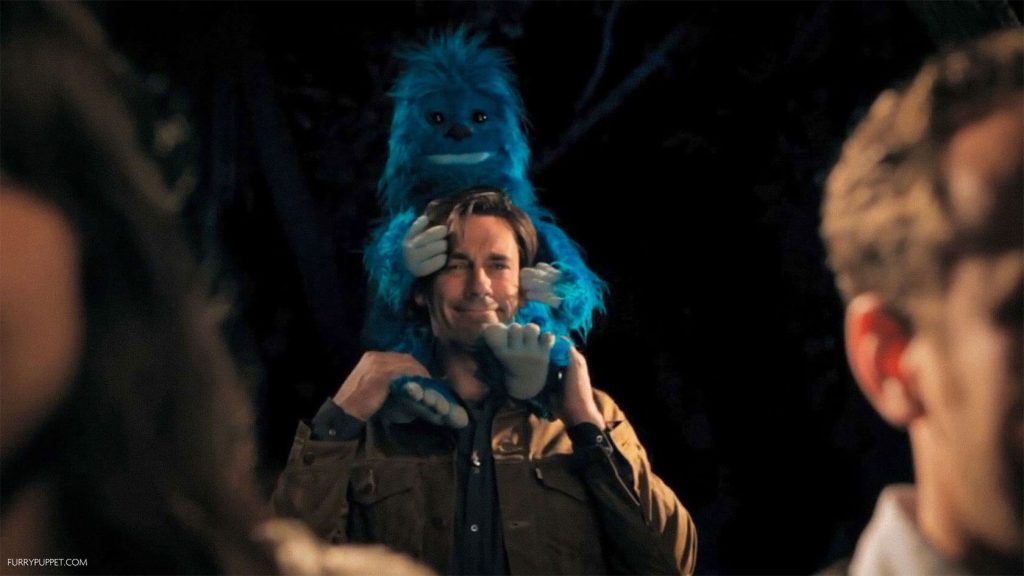
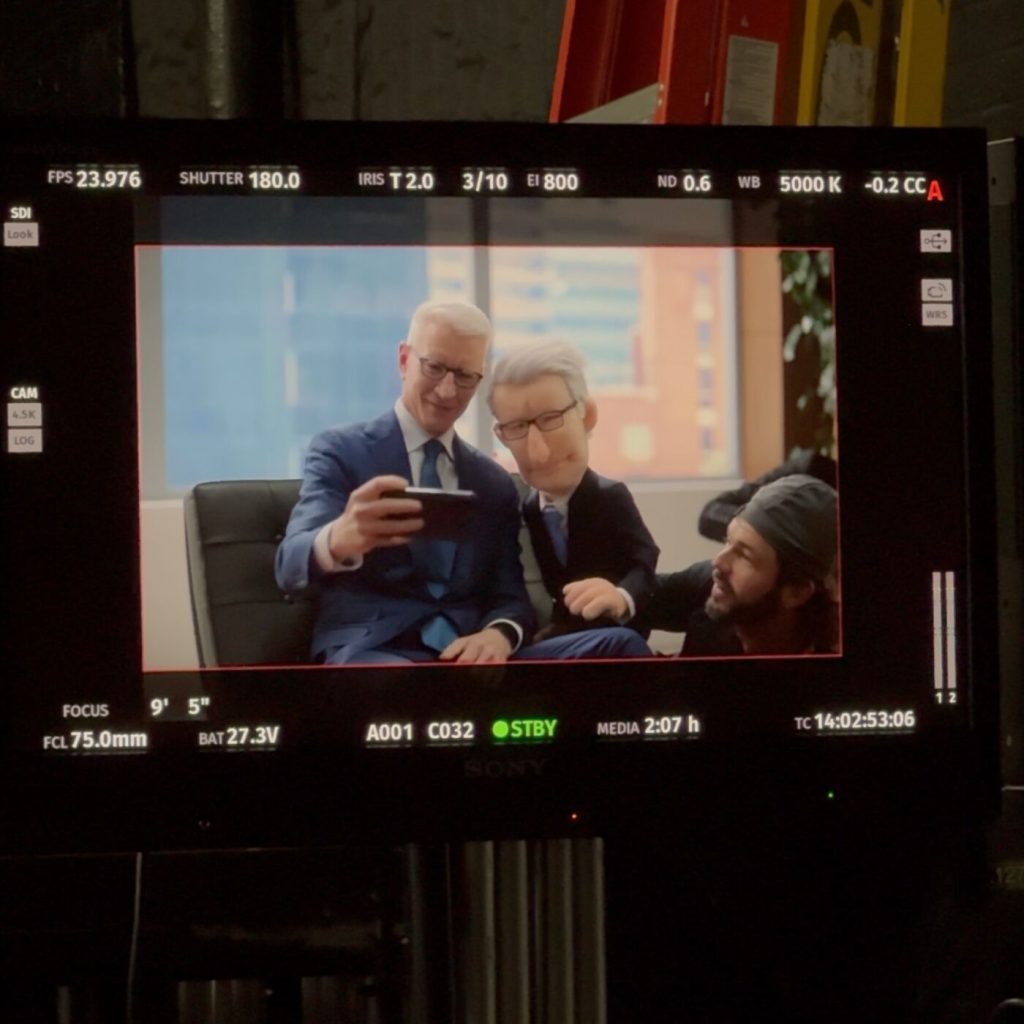
As CGI becomes indistinguishable from reality, it paradoxically loses its ability to surprise. The "weight" and "mass" of a physical puppet provide a sensory grounding that digital renders often lack. When Anderson Cooper sits next to a foam version of himself, or a blue yeti hitches a ride with Jon Hamm, the surrealism works because the light hitting the foam is real light. This "physical surrealism" provides a tangible alternative to the ephemeral nature of the screen.
The Evolution of the Doppelgänger
The use of puppet doubles (as seen in the CNN New Year’s Eve broadcasts) taps into the Freudian concept of the "uncanny" (Das Unheimliche). By creating a physical double of a well-known human, the studio explores the boundaries of identity. As AI-generated deepfakes become a societal concern, the puppet double serves as a more whimsical, yet equally profound, exploration of the "copy" versus the "original."
Cross-Disciplinary Influence
The presence of Polly Smith—a pioneer in functional garment design—on the Furry Puppet team suggests that the future of puppetry lies in the intersection of fashion, engineering, and fine art. The techniques used to make a puppet move naturally are being studied by roboticists and prosthetic designers, proving that the "avant-garde instrument" of the puppet has practical applications far beyond the stage.
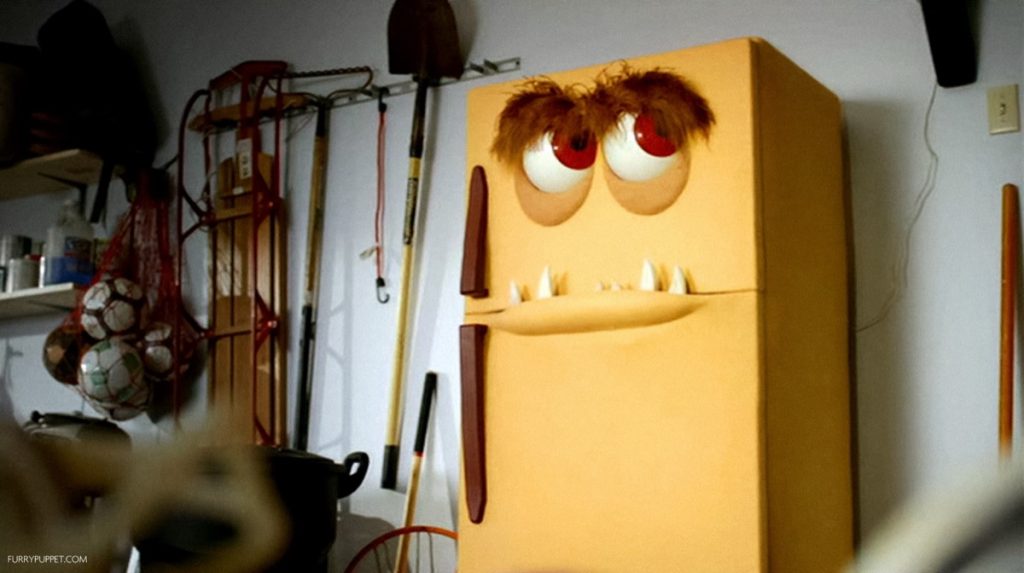
In conclusion, the SoHo workshop of Furry Puppet Studio is more than a fabrication shop; it is a laboratory for modern surrealism. By adhering to the traditions of the "animated object" and the "uncanny double," Buchman and his team ensure that the marvelous continues to erupt into our ordinary lives. Whether it is a refrigerator with eyelids or a marionette that can breakdance, these creations remind us that the most powerful art is often the kind you can walk up to and touch—provided you aren’t afraid when it looks back.