The Kinetic Evolution of the Stick Man: A Deep Dive into ‘Thumps & Blows’
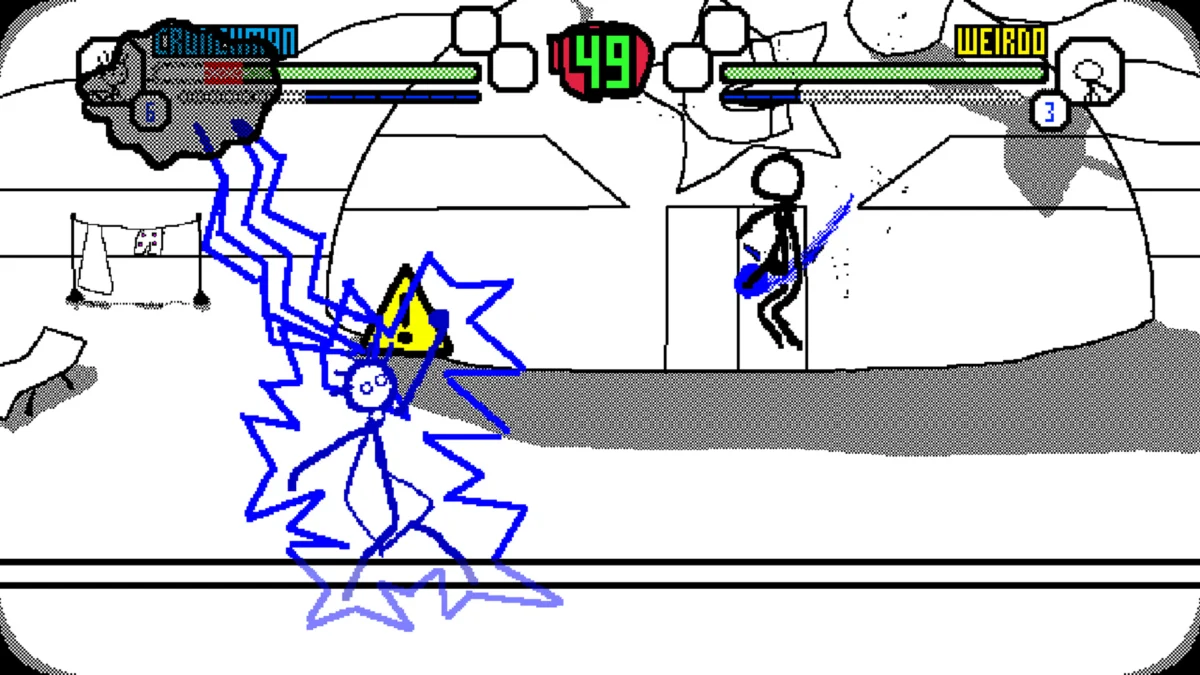
The landscape of independent gaming is often defined by its ability to look backward to find a path forward. In an era where photorealistic graphics and billion-dollar budgets dominate the mainstream discourse, a growing segment of the indie community is finding success by revisiting the minimalist, high-octane aesthetics of the early internet. At the recent Bilbao Games Conference (commonly known as Big Conference), one title stood out for its unapologetic embrace of this "Flash-era" nostalgia: Thumps & Blows.
Developed as a chaotic, physics-based fighting game, Thumps & Blows strips away the complexities of modern character modeling in favor of the iconic stick figure. However, beneath its simplified exterior lies a sophisticated engine of "goofy" combat, where traditional martial arts are discarded in favor of towels, monkeys, and sunscreen. This article explores the game’s mechanics, its historical inspirations, the narrative ambitions of its developers, and the implications of its design choices for the competitive indie scene.
Main Facts: Redefining the Stick Figure Brawler
At its core, Thumps & Blows is a 2D fighting game that prioritizes unpredictability and kinetic energy. While the genre is often associated with frame-perfect inputs and rigid combo strings—exemplified by giants like Street Fighter or Tekken—Thumps & Blows leans into the "slapstick" subgenre of fighters.
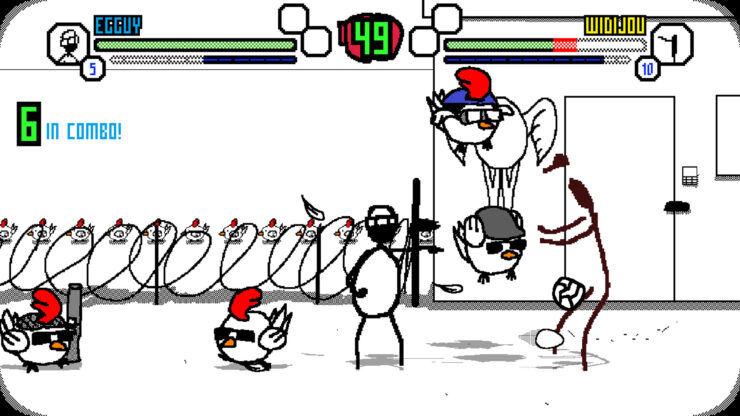
The game’s primary hook is its arsenal. Players do not merely punch and kick; they utilize an absurdist collection of items to gain the upper hand. During a standard match, a player might find themselves wielding a wet towel for mid-range whipping, summoning a monkey for chaotic interference, or utilizing a bottle of sunscreen as a projectile or environmental hazard. This commitment to "wackiness" is not just a visual gimmick; it fundamentally alters the rhythm of combat, forcing players to adapt to moves that are as visually jarring as they are mechanically effective.
Key Features Observed:
- Diverse Weaponry: From everyday household items (flyswatters) to mobile equipment (scooters).
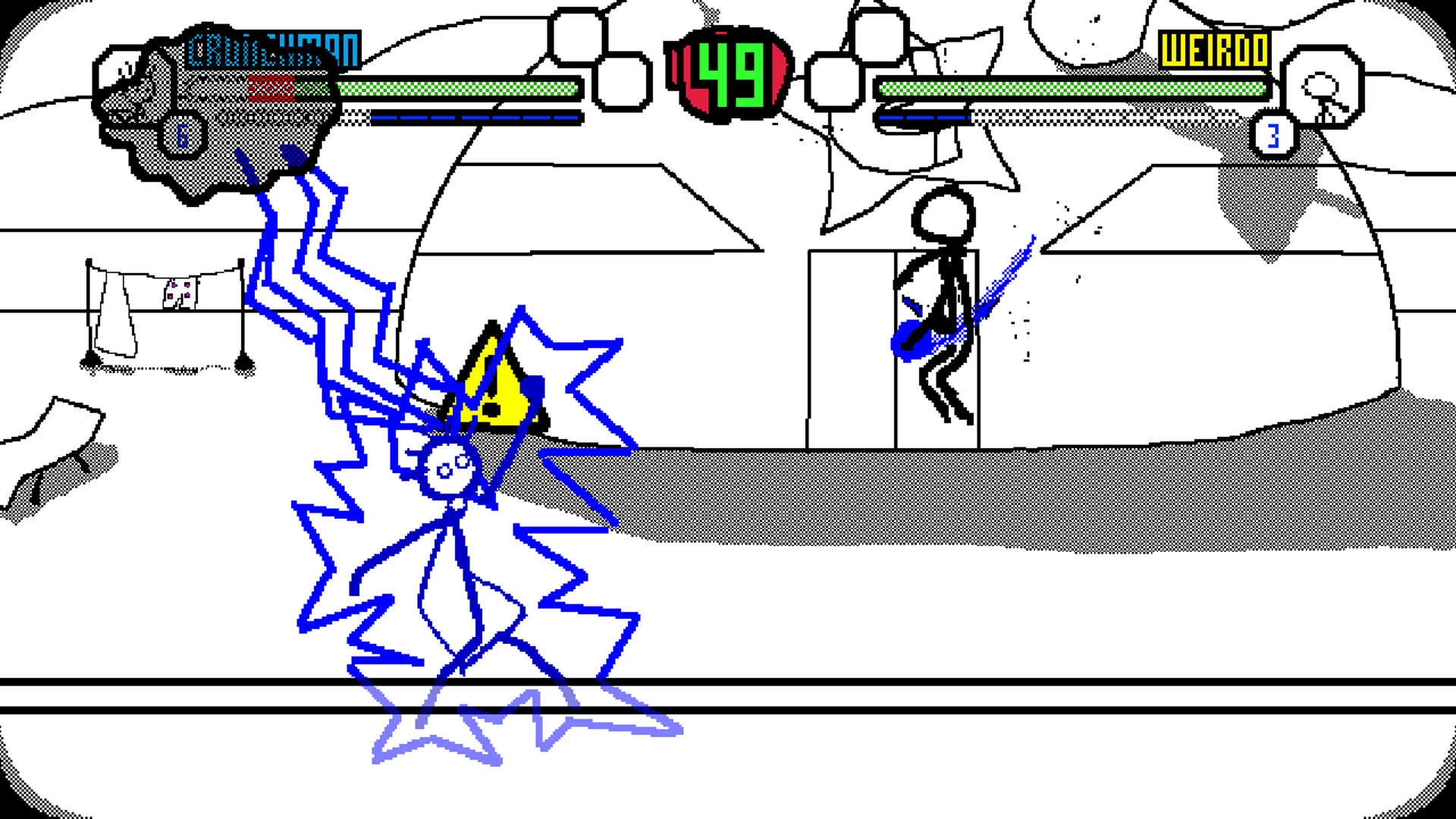
- Elemental Effects: The inclusion of status effects, such as electricity, which adds a layer of tactical depth to the otherwise chaotic brawling.
- Character Variety: A cast of distinct stick figures, each possessing unique animations and "signature" accessories that define their playstyle.
Chronology: From Newgrounds to the Bilbao Stage
To understand the appeal of Thumps & Blows, one must look at the chronology of the "stick man" as a digital protagonist. In the late 1990s and early 2000s, platforms like Newgrounds and Macromedia Flash became the breeding ground for amateur animators. The stick figure was the perfect medium: it required minimal artistic skill to draw but allowed for incredible fluidic motion and "impact" frames.
Series like Xiao Xiao and Stick Death paved the way for a specific brand of hyper-violent, high-speed choreography. As the internet moved away from Flash, this aesthetic lay dormant in the professional sphere, occasionally surfacing in viral hits like Stick Fight: The Game.
The development of Thumps & Blows represents a specific point in this timeline—the transition from "arcade-style distraction" to "full-featured fighting game." As noted by journalists at the Big Conference, the game moves away from the "massive open-world RPG" trends seen in some modern stick-based titles (like Stickman Legends) to focus purely on the 1v1 competitive experience. The demo showcased at the Bilbao event marks a critical milestone, moving the project from a conceptual homage to a tangible, playable product currently seeking community feedback via Steam.
Supporting Data: Mechanics, Physics, and the "Silly" Factor
The technical appeal of Thumps & Blows lies in its animation priority. In traditional fighters, animations are often "locked" to ensure balance. In Thumps & Blows, the animation appears to take inspiration from the "ragdoll" physics and "rubber-hose" stretching of the Flash era.
The Arsenal of Absurdity
The data gathered from the latest demo suggests a highly varied move set for each character. Unlike traditional archetypes (the "Zoner," the "Grappler"), characters in Thumps & Blows are defined by the items they manifest:
- The Scooter User: Relies on high-speed dashes and momentum-based strikes, using the vehicle as both a weapon and a mobility tool.
- The Flyswatter Specialist: Focuses on quick, low-damage "stings" that can interrupt larger, slower animations.
- The Electric Infuser: Utilizes area-of-effect (AoE) shocks to control the stage, forcing opponents to rethink their positioning.
Narrative Framework: The Stick City Council
While the demo focused on the mechanics, the developers have teased a surprisingly structured narrative. The game centers on a mayor who receives grants from the "Stick City Council." This council is seemingly comprised of colorful clones of the stick men, who serve as the primary antagonists or hurdles in the game’s campaign mode. This narrative layer suggests that the final product will offer more than just a local multiplayer experience, providing a "rogue-lite" or "arcade-ladder" progression system for solo players.
Official Responses and Critical Critique: The "Visibility" Hurdle
While the reception at the Big Conference was largely positive, particularly regarding the game’s humor and nostalgic value, critics and early testers have pointed out a significant design challenge: visual legibility.
In its current state, Thumps & Blows features a cast where the primary figures are black stick men. In the heat of a fast-paced battle—where characters are jumping, flipping, and overlapping—it can become exceptionally difficult to distinguish between the player character and the opponent.
Addressing the Clarity Issue
The developer’s response to this, as inferred from the game’s progression descriptions, involves the use of color. The "colorful clones" mentioned in the story mode may serve as the solution to this visibility problem. By introducing a "Player 1 (Black) vs. Player 2 (Color)" system, or by allowing extensive accessory customization (hats, capes, glowing eyes), the developers aim to mitigate the confusion. However, journalists who played the demo noted that the "flashes of color" currently in the game are insufficient for high-level play. The consensus is that for Thumps & Blows to succeed in a competitive environment, character silhouettes or color palettes must be more distinct.
Implications: The Future of Lo-Fi Fighters
The emergence of Thumps & Blows carries several implications for the broader gaming industry and the indie market specifically.
1. The "Lo-Fi" Aesthetic as a Competitive Edge
As development costs for high-fidelity games skyrocket, Thumps & Blows proves that "minimalist" does not mean "simple." By choosing a stick figure aesthetic, the developers can focus their resources on animation fluidness and creative mechanics rather than texture mapping and ray tracing. This allows for a level of "mechanical density"—the number of weird weapons and interactions—that would be prohibitively expensive to animate in a 3D realistic engine.
2. Nostalgia as a Marketing Tool
There is a massive, underserved demographic of gamers who grew up on the "Wild West" of the early 2000s internet. Thumps & Blows taps into this "digital childhood," offering a polished version of the games players once played in their high school computer labs. This emotional connection is a powerful tool for indie titles trying to break through the noise on platforms like Steam.
3. The Democratization of the Fighting Genre
By embracing "goofy" and "unpredictable" combat, Thumps & Blows lowers the barrier to entry for the fighting game genre. While the "FGC" (Fighting Game Community) is known for its high skill ceiling, Thumps & Blows invites casual players in with the promise of laughter and chaotic fun. If the developers can balance this "fun-first" approach with enough depth to satisfy veteran players, they may find a unique niche in the market.
Conclusion: A Work in Progress with High Potential
Thumps & Blows is a testament to the enduring power of the stick figure. It is a game that understands its roots while attempting to branch out into new, weirder territory. While the issues regarding visual clarity and character distinction are real, they are far from insurmountable for a game still in active development.
As the title moves toward its full release, the focus will likely shift to refining the "Stick City Council" story mode and expanding the roster of absurd weaponry. For those who miss the days of "stick man" animations and the sheer unpredictability of early web games, Thumps & Blows is a title to watch.
The game is currently available for wishlisting on Steam, with a demo available for those brave enough to enter the ring against a scooter-wielding stick man. In the world of Thumps & Blows, the only thing more dangerous than a seasoned fighter is a stick man with a wet towel and a dream.