The PS5 Logo Blunder: Xbox’s Marketing Misstep Sparks Fierce Debate and Lingering Questions
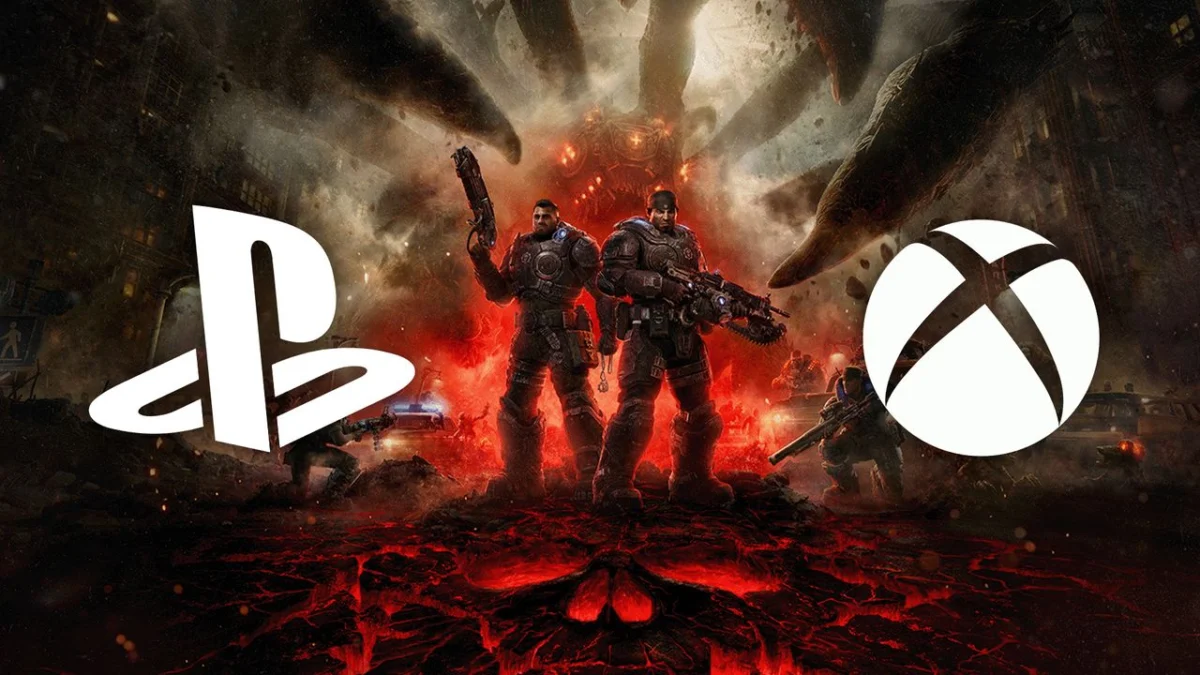
A recent marketing gaffe by Xbox, involving the prominent display of a PlayStation 5 logo in promotional material for an Xbox-exclusive title, has ignited a firestorm of controversy within the gaming community and raised significant questions about the console manufacturer’s internal strategies and transparency. The incident, which saw a video promoting the newly announced Gears of War: E-Day mysteriously featuring the rival Sony console’s branding, has led to a swift deletion of the offending content and a series of public statements attempting to quell the ensuing uproar. This article delves into the core of the controversy, tracing its origins, examining the responses from both sides of the aisle, and exploring the potential implications for Xbox’s brand perception and future marketing endeavors.
The Unfolding Controversy: A PS5 Logo on Xbox’s Turf
The digital landscape of the gaming world was recently abuzz with an unusual spectacle: the official Xbox YouTube channel inadvertently showcasing a PlayStation 5 logo alongside promotional material for Gears of War: E-Day. This highly anticipated title, announced as an Xbox exclusive during a recent showcase, was presented with its own title card, which, to the astonishment of many viewers, included the unmistakable emblem of Sony’s flagship console.
This visual anomaly was not a fleeting glitch but a persistent element within a promotional video, leading to immediate speculation and a flurry of online discussion. The presence of the PS5 logo on what was being billed as a flagship Xbox exclusive was seen by many as a jarring inconsistency, a digital faux pas of significant proportions. The swift deletion of the video from Xbox’s official YouTube channel only served to amplify the intrigue and fan speculation, suggesting that the company recognized the severity of the error.
The incident immediately tapped into a long-standing rivalry and perceived imbalance in how the two console giants treat each other’s platforms in their respective marketing. While Xbox, under its new leadership, had begun a more transparent approach by acknowledging cross-platform availability of certain titles, the reciprocal courtesy from Sony has been notably absent in its own keynotes and promotional materials. This disparity in public acknowledgment has fueled a sense of unfairness among Xbox fans, making the PS5 logo’s appearance all the more galling.
A Timeline of the Blunder and Its Aftermath
The chain of events leading to this peculiar marketing mishap can be traced back to Xbox’s recent annual showcase. During this event, a new installment in the beloved Gears of War franchise, titled Gears of War: E-Day, was revealed. The announcement was met with considerable excitement, particularly as it was positioned as an exclusive title for the Xbox ecosystem.
Following the showcase, promotional content began to roll out. It was within one of these official promotional videos, shared on Xbox’s YouTube channel, that the now-infamous PS5 logo was spotted. The logo appeared on a title card associated with Gears of War: E-Day, a clear contradiction to its advertised exclusivity.
The reaction from the gaming community was swift and widespread. Online forums, social media platforms, and gaming news outlets were quickly inundated with discussions, memes, and critical analyses of the blunder. Many Xbox fans expressed their frustration and disappointment, viewing the inclusion of the PS5 logo as a disrespectful oversight, especially given Sony’s perceived reluctance to acknowledge Xbox’s presence in cross-platform marketing.
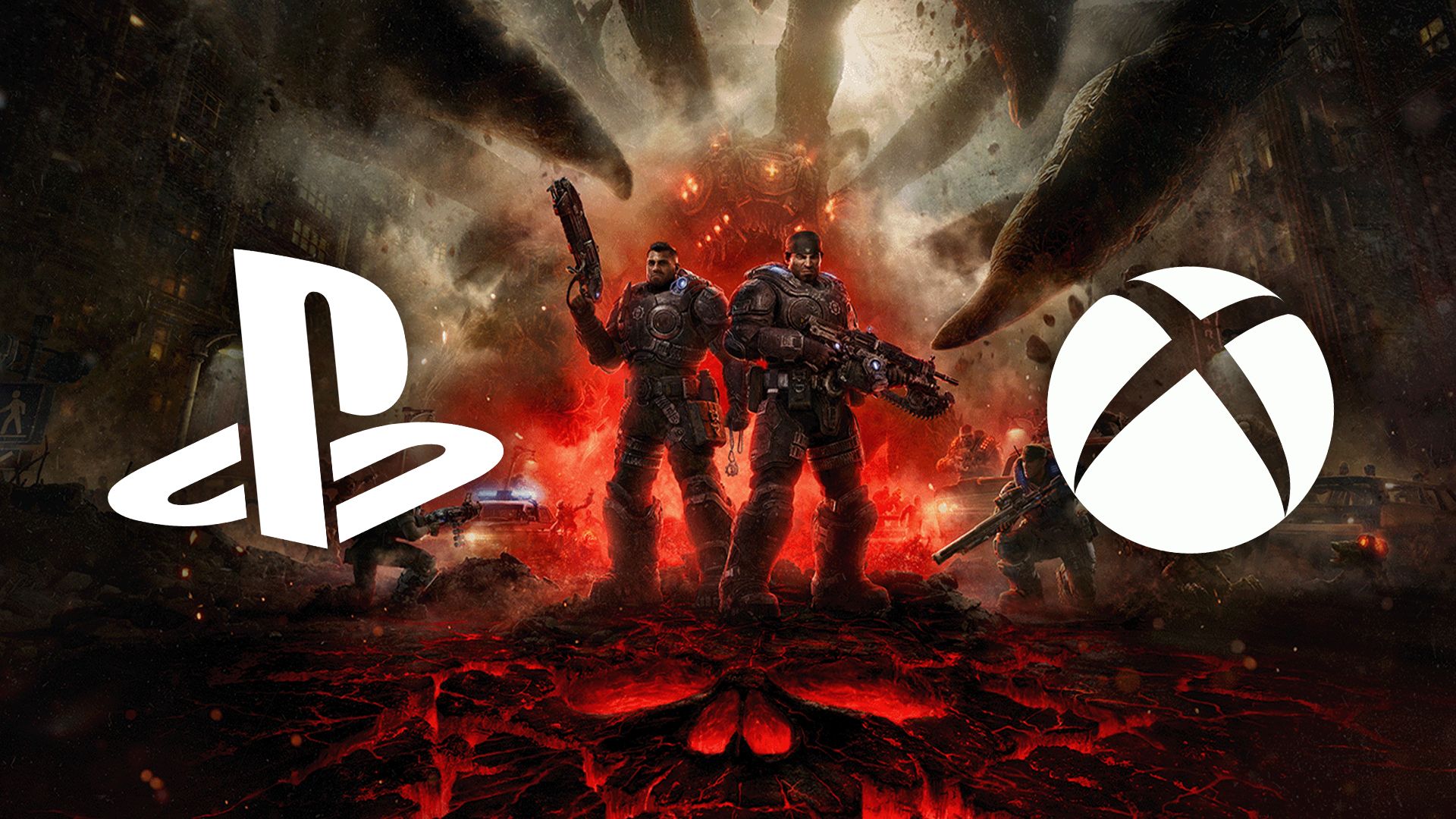
The controversy escalated when it was reported that the video in question was subsequently removed from the Xbox YouTube channel. This action, while understandable from a damage control perspective, further fueled the narrative that something significant had gone awry behind the scenes.
The Heart of the Controversy: Exclusivity and Transparency
At the crux of this marketing misstep lies the complex and often contentious issue of console exclusivity. For decades, the exclusivity of major game titles has been a key battleground in the console wars, serving as a significant draw for players to invest in a particular platform. The announcement of Gears of War: E-Day as an Xbox exclusive was, therefore, a strategic move to bolster the Xbox brand.
However, the appearance of the PS5 logo on its promotional material has led to a cascade of theories, the most prevalent being that the decision to make Gears of War: E-Day an Xbox exclusive was a last-minute one. This theory suggests that the game may have initially been planned for a multi-platform release, or at least considered for one, and the final decision to restrict it to Xbox was made so close to the showcase that the marketing assets were not fully updated to reflect this change.
This interpretation is further supported by a tweet from a user who claimed to have seen the PS5 logo on the art before its removal, providing photographic evidence. This user posited that the Xbox team had indeed decided to make Gears of War: E-Day an Xbox exclusive at the eleventh hour, and the oversight of leaving the PS5 logo on the artwork was a direct consequence of this rushed decision-making process. The subsequent deletion of the video was then seen as an attempt to cover up this perceived indecision.
Official Responses and Contradictory Narratives
The escalating controversy did not go unnoticed by Xbox executives. In an effort to address the public outcry and clarify the situation, Xbox’s marketing boss, Aaron Greenberg, issued a statement. He categorically denied the notion that the decision to make Gears of War: E-Day an Xbox exclusive was made at the last minute.
"I can confirm this is not true," Greenberg stated in a tweet, directly refuting the speculation. He further elaborated that the intention was to "share this news first with our players and everyone watching the showcase," implying that the exclusivity decision was finalized well in advance, and the knowledge of it was deliberately limited to a small internal group to maintain an element of surprise for the public announcement.
However, this official denial has been met with skepticism by a significant portion of the gaming community, particularly those who have observed the PS5 logo in the promotional material. The argument is that if the exclusivity was a long-standing decision, a more thorough review of marketing assets would have been conducted, preventing such a glaring error. The deleted video and the persistent visual evidence of the PS5 logo are seen by many as more compelling than the verbal denial.
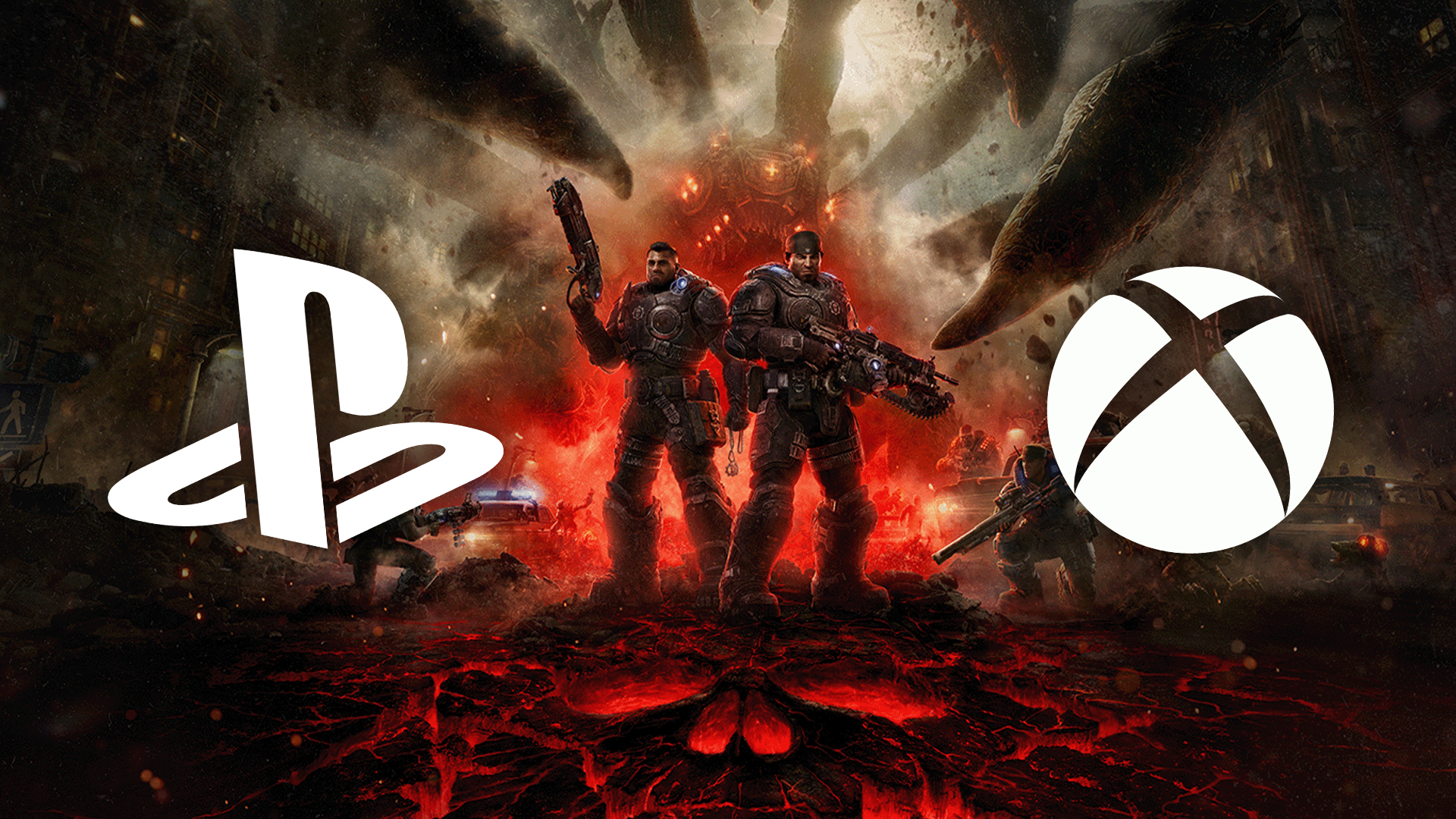
This discrepancy between the official narrative and the perceived reality has left many fans confused and further entrenched in their beliefs. The situation has been humorously, and perhaps somewhat cynically, framed by some as "Xbox fans getting cucked," a colloquialism that highlights the perceived lack of strategic clarity and consistent messaging from the Xbox brand.
The initial admission by Asha Sharma, identified as Xbox’s new boss, that "It was a miss, and I own it," in response to the general outcry over the PS5 logo appearing on title cards for cross-platform games, adds another layer of complexity. While this statement addressed a broader issue of acknowledging other platforms, it contrasts with Greenberg’s more specific denial regarding the Gears of War: E-Day exclusivity. This suggests a potential internal disconnect or different interpretations of the severity and scope of the marketing blunders.
Implications for Xbox’s Brand and Future Marketing
The PS5 logo blunder, while seemingly a minor technical error, carries significant implications for Xbox’s brand perception and its future marketing strategies. In an era where brand trust and consistent messaging are paramount, such high-profile mistakes can erode consumer confidence.
Firstly, the incident raises questions about Xbox’s internal quality control and marketing oversight. The fact that a PS5 logo could appear on an Xbox-exclusive title’s promotional material suggests a lapse in the review process, leading to doubts about the meticulousness of their campaign execution. This can be particularly damaging when competing against a rival like Sony, which is often perceived as having a more polished and tightly controlled marketing apparatus.
Secondly, the controversy exacerbates the ongoing narrative of Xbox’s struggle to establish a clear and consistent identity in the market. While the company has made strides in diversifying its game offerings and embracing a more open ecosystem with PC gaming, these marketing missteps can undermine those efforts. The perception of indecision regarding exclusives, even if officially denied, can lead to uncertainty among potential buyers and investors.
Thirdly, the incident highlights the delicate balance Xbox is trying to strike between embracing a more inclusive, cross-platform-friendly approach and maintaining the appeal of its console exclusives. While acknowledging other platforms can be a sign of maturity and a broader market understanding, it needs to be done in a way that doesn’t dilute the perceived value of its own hardware. The PS5 logo incident, ironically, seems to have swung too far in the direction of acknowledging a rival, to the detriment of its own brand identity.
Moving forward, Xbox will need to demonstrate a renewed commitment to rigorous marketing standards and clear, consistent communication. Rebuilding trust will involve not only rectifying errors but also proactively addressing the concerns and perceptions of its fanbase. The company’s ability to learn from this experience and adapt its marketing strategies will be crucial in navigating the fiercely competitive landscape of the video game industry and ensuring that its message resonates clearly with its target audience, without the confusing intervention of a rival’s logo. The "miss" acknowledged by Sharma needs to be thoroughly investigated and its root causes addressed to prevent future occurrences that could further tarnish the Xbox brand.