Unveiling Ancient Egypt’s First Intermediate Period: A Transformative Era, Not a ‘Dark Age’
Giza, Egypt – For centuries, the period spanning 2181 to 2040 BCE in ancient Egypt, known as the First Intermediate Period (FIP), was branded by historians as a "dark age." This era, nestled between the grandeur of the Old Kingdom and the resurgence of the Middle Kingdom, was long perceived as a time of political fragmentation, chaos, and cultural decline following the collapse of a once-mighty central government. However, a significant paradigm shift in recent Egyptological scholarship is challenging this traditional narrative, revealing the FIP not as an era of collapse, but as a dynamic crucible of social, political, and cultural transformation that fundamentally reshaped Egyptian society.
Far from a period of unmitigated anarchy, the FIP witnessed the decentralization of power, the rise of regional autonomy, and a remarkable democratization of access to resources and religious privileges previously reserved for the elite. This pivotal transition laid critical groundwork for the unified and prosperous Middle Kingdom that would follow, demonstrating Egypt’s profound capacity for adaptation and resilience.
Main Facts: Redefining an Era of Change
The First Intermediate Period, a term coined by 19th-century Egyptologists rather than the ancient Egyptians themselves, marks a distinct phase in the history of the Nile Valley. It commences around 2181 BCE, immediately after the close of the Old Kingdom (circa 2613-2181 BCE), and concludes in 2040 BCE with the advent of the Middle Kingdom (2040-1782 BCE). The nomenclature "intermediate period" typically denotes eras of political instability and decentralized governance, contrasting with the "kingdoms" characterized by strong central authority and unified rule.
For generations, this period was interpreted through a lens of decline. The prevailing view depicted a catastrophic breakdown of the Old Kingdom’s centralized administration, headquartered in Memphis, plunging the country into a chaotic state reminiscent of its Early Dynastic Period (circa 3150-2613 BCE) origins, but without the guiding hand of a unified monarchy. This perspective highlighted a perceived absence of monumental construction, a deterioration in artistic quality, and a general lack of coherent historical records as evidence of societal regression.
However, contemporary scholarship has meticulously re-examined archaeological and literary evidence, leading to a profound re-evaluation. The FIP is now understood as a complex, albeit turbulent, era defined by significant shifts in power dynamics and social structures. Authority once concentrated in the hands of the pharaoh and the Memphite elite disseminated throughout the country, empowering regional administrators, known as nomarchs, and fostering a burgeoning middle class. This period of transition, rather than being a mere interregnum of disorder, proved to be a fertile ground for innovation and the redefinition of what it meant to be Egyptian.
Chronology: The Unraveling and Reshaping of Power
The seeds of the Old Kingdom’s decline were sown long before its official end, primarily during the late 5th and 6th Dynasties.
-
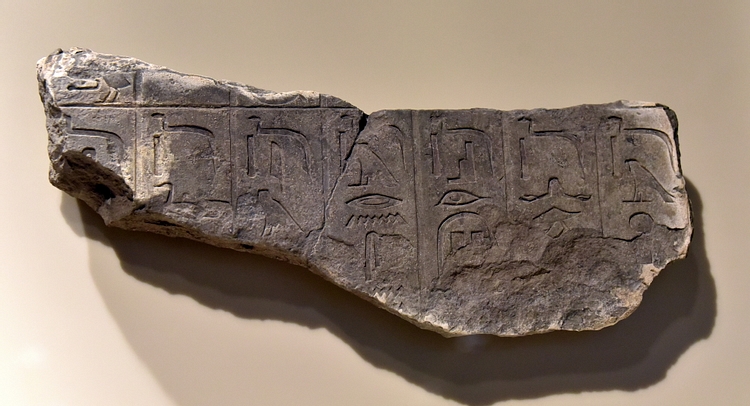
Decline of the Old Kingdom (Late 5th – 6th Dynasties):
- Decentralization under Djedkare Isesi: During the 5th Dynasty, King Djedkare Isesi (2414-2375 BCE) initiated policies that gradually decentralized the government, delegating more responsibility and resources to provincial nomarchs and local officials. This was a deliberate strategy to improve administrative efficiency but inadvertently siphoned power and wealth away from the royal treasury.
- Rise of the Priesthood: The vast mortuary complexes at Giza, Saqqara, and Abusir, requiring immense resources and manpower, became centers of significant economic and political influence. Priests, particularly those associated with the cult of the sun god Ra, amassed considerable wealth, often exceeding that of many nobles. This priestly power exerted increasing influence over local officials and nomarchs, further eroding the king’s central authority.
- Reign of Pepi II (c. 2278-2184 BCE): The exceptionally long reign of Pepi II Neferkare, potentially lasting over 90 years, is often cited as a contributing factor to the Old Kingdom’s instability. A lengthy reign could lead to succession crises, the weakening of royal authority through age, and the entrenchment of powerful regional families. The lack of a clear successor at the end of his long rule undoubtedly exacerbated the power vacuum.
- Environmental Factors: A severe drought, documented in the region, likely played a critical role in destabilizing the agricultural base of Egypt’s economy. Reduced Nile floods would have led to famine, social unrest, and further strained the central government’s ability to maintain order and provide for its populace.
-
The Early Intermediate Phase (7th and 8th Dynasties, c. 2181-2160 BCE):
- Following Pepi II’s death, the central government at Memphis rapidly weakened. The 7th and 8th Dynasties, though nominally ruling from Memphis, were largely ineffectual. Their kings’ names and regnal dates are so poorly preserved that they offer little historical resonance, underscoring their limited control beyond the immediate capital region. The various districts, or nomes, became de facto self-governing entities.
-
The Herakleopolitan Kingdom (9th and 10th Dynasties, c. 2160-2040 BCE):
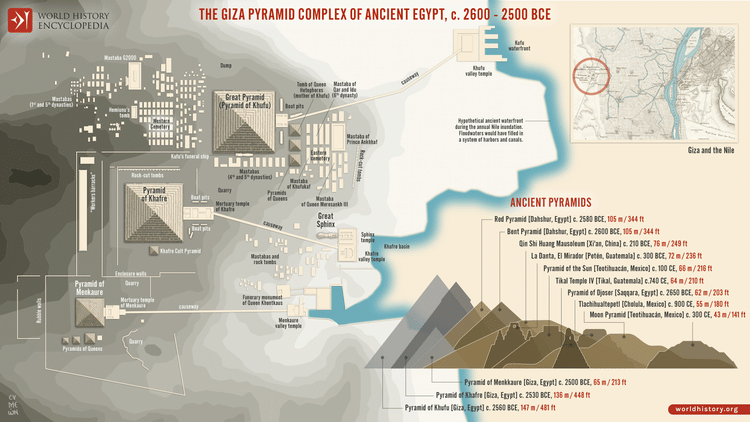
- At some point, the traditional capital of Memphis was abandoned by a new lineage of rulers who established their base in Herakleopolis Magna (present-day Ihnasya el-Medina) in Lower Egypt. These 9th and 10th Dynasty kings proclaimed themselves the legitimate successors to the Old Kingdom pharaohs, aiming to restore unified rule. However, their authority was largely confined to Middle and Lower Egypt, and even within these regions, the power of individual nomarchs remained formidable. Records for these dynasties are also scarce and fragmented, reflecting a continued struggle for stable, widespread control.
-
The Rise of Thebes and Reunification (11th Dynasty, c. 2125-2040 BCE):
- While Herakleopolis sought to consolidate its power in the north, a new force emerged in Upper Egypt. The city of Thebes, initially just another provincial nome, capitalized on the political vacuum.
- Intef I (c. 2125 BCE): The Theban nomarch Intef I, often referred to as "great overlord" and "overseer of priests," founded the 11th Dynasty. He began to assert Theban dominance over neighboring nomes, laying the groundwork for a southern challenge to Herakleopolitan rule. His enduring legacy is reflected in later Middle Kingdom references to "Intef the Great" and the monumental Saff el-Dawaba tomb at el-Tarif.
- Mentuhotep I (c. 2115 BCE): Intef I’s successor declared Thebes the true capital of Egypt, signaling a clear intent to unify the country under southern leadership. He initiated the process of military expansion, gradually bringing more nomes under Theban control.
- Wahankh Intef II (c. 2112-2063 BCE): This pivotal ruler boldly claimed the title "King of Upper and Lower Egypt." His first major strategic move was the conquest of Abydos, an ancient and sacred city, home to the tombs of early dynastic kings. By securing Abydos, Wahankh Intef II symbolically staked his claim as the legitimate heir to Egypt’s foundational rulers. Throughout his long reign, he engaged in periodic warfare with Herakleopolis, extending Theban influence northward. Importantly, Wahankh Intef II was not merely a warlord; he consciously emulated the best Old Kingdom pharaohs by commissioning monuments (including the first temple to Amun at Karnak), ensuring the welfare of his subjects, and maintaining ma’at (cosmic order). His governance relied on strong personal loyalty, a deliberate counter to the decentralized power of the nomarchs.
- Nakhtnebtepnefer Intef III (c. 2063 BCE): He continued the military campaigns, capturing Asyut from the Herakleopolitans, further consolidating Theban control over Upper and parts of Middle Egypt.
- Mentuhotep II (c. 2061-2010 BCE): The culmination of Theban efforts came with Mentuhotep II. Through decisive military campaigns, he finally defeated the Herakleopolitan kings, reuniting the entire country under his rule. His victory marked the official end of the First Intermediate Period and the dawn of the Middle Kingdom, earning him the revered title of "second Menes" in later inscriptions, acknowledging his achievement in restoring unity after a period of division.
Supporting Data: A Society in Flux
The reinterpretation of the FIP stems from a critical analysis of archaeological and textual evidence, which reveals a period of dynamic evolution rather than simple decline.
Decentralization and the Rise of Nomarchs:
The most striking feature of the FIP was the shift from a highly centralized monarchy to a system dominated by powerful provincial nomarchs. These regional governors, initially appointed by the king, gradually became hereditary rulers, consolidating local power and wealth. With the weakening of Memphis, nomarchs assumed responsibilities that had once been the king’s prerogative: maintaining irrigation systems, administering justice, collecting taxes, and even raising local armies. Scholar Marc van de Mieroop highlights that even in the Old Kingdom, "One man alone never held the all-encompassing powers of the center," and kings always rewarded officials with "gifts of burials and of mortuary cults." The FIP simply saw these provincial powers become autonomous.
Economic Democratization and Social Mobility:
Perhaps the most compelling evidence against the "dark age" label is the observable increase in social mobility and economic distribution. The original article draws a compelling analogy to modern retail capitalism: "Goods suitable for the millionaire at prices in reach of the millions." During the FIP, luxuries and privileges once exclusive to the pharaoh and the highest nobility became accessible to a wider segment of society.
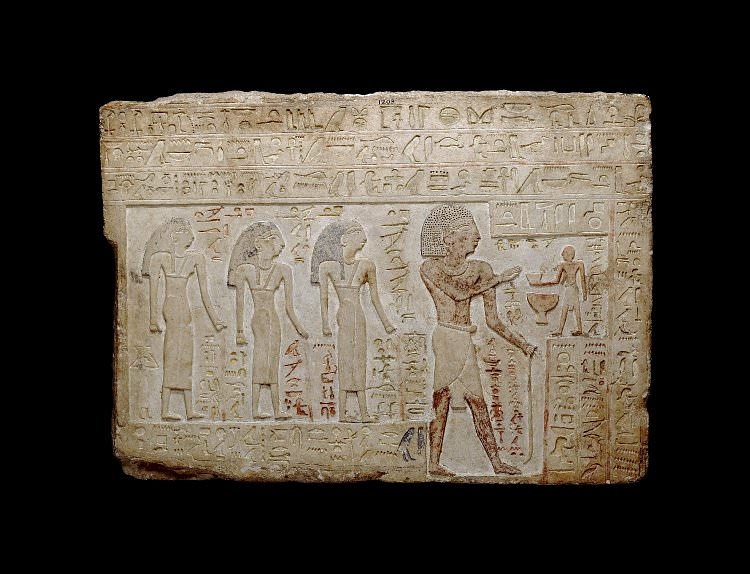
- Tombs and Afterlife: While Old Kingdom pharaohs invested colossal resources in pyramids and royal mortuary complexes, and were the sole recipients of the Pyramid Texts (magical spells to guide the king through the afterlife), the FIP saw a democratization of these practices. Ordinary individuals, particularly wealthier nomarchs and officials, could now afford elaborate tombs, gardens, and, crucially, their own funerary texts. The Coffin Texts, a development of the FIP, provided a "guidebook to the underworld" for a broader population, demonstrating a fundamental shift in religious belief and access to eternal life. This suggests not a collapse, but a reordering of societal priorities and a spread of wealth.
- Local Craftsmanship: The decline in the scale of monumental architecture (e.g., pyramids) and the quality of royal art during the FIP should not be misconstrued as a general cultural collapse. Instead, it reflects the shift from state-sponsored, centralized artistic production to regional patronage. Local craftsmen, though perhaps not working to the exacting standards or grand scale of Memphite royal workshops, thrived, producing goods and art for a broader clientele. Egyptologist Stephan Seidlmayer notes that archaeological data "indicate the existence of a thriving culture among the poorer levels of society as well as vigorous development in the provincial towns of Upper Egypt."
Cultural Dynamism:
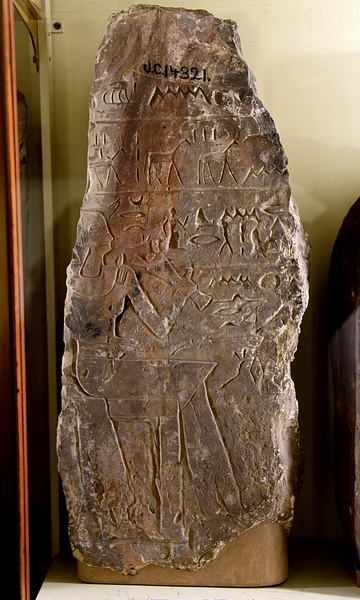
The FIP was characterized by a burst of regional artistic styles and a focus on local identities. Barbara Watterson observes that despite the loss of central authority, "Egyptian society remained hierarchical, with local governors taking over as leaders of society." Many tombs from this period, often made of less durable mud-brick, have vanished, but surviving funerary stelae bear biographies of individuals proud of their localities and loyal to their regional rulers, who "provided for their welfare while maintaining social order." This underscores the strength of local governance and community resilience. The focus shifted from the pharaoh’s divine accomplishments to the lives and merits of individuals within their regional contexts. As Seidlmayer concludes, the FIP was "characterized by an important, though temporary, shift in its centres of activity and dynamism."
Official Responses: Ancient Bias and Modern Re-evaluation
The enduring "dark age" reputation of the FIP is largely attributable to two primary factors: the scarcity of contemporary historical records and the biased "official responses" of later Egyptian scribes, particularly those from the Middle Kingdom.
The Middle Kingdom Narrative:
Scribes of the Middle Kingdom, looking back at the FIP from a unified and prosperous era, almost universally depicted it in negative terms. For ancient Egyptians, the concept of ma’at – cosmic order, justice, and harmony – was paramount. The pharaoh was seen as the divine intermediary who maintained ma’at on Earth. A period of decentralized rule, regional conflict, and social upheaval was, by definition, a violation of ma’at. Siedlmayer explains that Egyptians believed "people would be helpless without their rulers. Left on their own, they would simply not be able to face the hazards of life." This deeply ingrained belief colored their perception of the FIP.
The Ipuwer Papyrus: A Literary Lament:
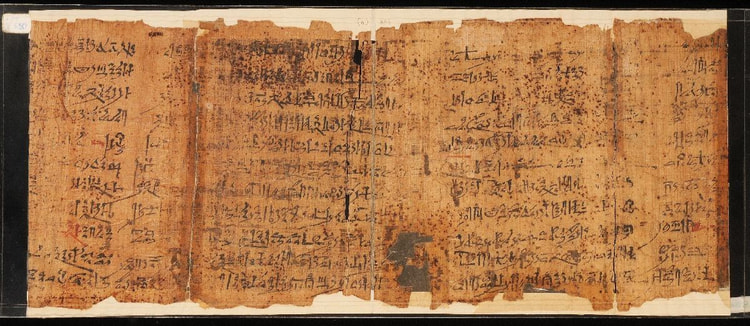
The most famous "official response" is the Ipuwer Papyrus, also known as The Lamentations of Ipuwer or The Admonitions of Ipuwer. This Middle Kingdom literary work purports to be an eyewitness account of the FIP, lamenting a time when "Poor men have become men of wealth. He who could not afford sandals owns riches. The robber owns riches, the noble is a thief." It mourns the social inversion, the loss of traditional class distinctions, and the perceived decline in craftsmanship ("materials for every kind of craft have come to an end").
For many years, the Ipuwer Papyrus was accepted as a literal historical document, heavily influencing modern scholars’ initial characterization of the FIP as a chaotic, lawless era. However, contemporary Egyptologists, following scholars like Miriam Lichtheim, now largely agree that the Ipuwer Papyrus is a piece of literature, not a historical chronicle. It belongs to a popular Egyptian literary genre that explored themes of "order vs. chaos" and societal upheaval, often expressing nostalgia for a idealized past. Its complaints about social inversion and the "poor quality" of goods likely reflect an aristocratic bias against the new social mobility and the rise of mass production for a broader market, rather than an objective report of universal collapse. As Mieroop states, such works "are not a source for the First Intermediate Period, which remains difficult to study," but rather express "anxieties of the Middle Kingdom people."
Modern Scholarly Response:
Modern Egyptology approaches these ancient narratives with critical distance. While acknowledging the turmoil and regional conflicts of the FIP, scholars no longer equate it with total chaos. The "lack of reliable records," particularly for the obscure 7th and 8th Dynasties, certainly contributes to its enigmatic reputation. However, this absence of state-centric records is now understood as a consequence of decentralization, where local records would have superseded royal ones, many of which have not survived or been found. The "inferior quality" of art and architecture is reinterpreted as a shift from monumental, state-controlled projects to more modest, regionally diverse expressions. The modern scholarly consensus thus responds to the ancient biases by recognizing the FIP as a complex, multifaceted period of adaptation and evolution, rather than a mere void between two golden ages.
Implications: A Legacy of Resilience and Rebirth
The First Intermediate Period, despite its traditional negative portrayal, left an indelible mark on Egyptian history, fundamentally shaping the trajectory of the subsequent Middle Kingdom and beyond. Its implications are far-reaching:
- A New Model of Governance: The FIP forced a reconsideration of the relationship between central authority and regional power. While Mentuhotep II re-established a unified monarchy, the lessons of decentralization were not lost. The Middle Kingdom, especially its 12th Dynasty, often adopted a more pragmatic approach, balancing strong royal leadership with a more integrated system of provincial administration. Nomarchs continued to hold significant influence, but within a more defined framework of loyalty to the crown. This era witnessed a more nuanced distribution of power than the highly centralized Old Kingdom, leading to greater stability.
- Democratization of Culture and Religion: The spread of religious privileges, epitomized by the Coffin Texts, profoundly impacted Egyptian beliefs about the afterlife. Salvation was no longer solely the king’s prerogative but became accessible to anyone who could afford the necessary funerary provisions and magical spells. This democratization spurred religious innovation and a more personal relationship with the divine, enduring throughout later periods. Similarly, the flourishing of regional artistic styles enriched Egyptian culture, laying the groundwork for the diverse artistic expressions of the Middle Kingdom.
- Social Evolution: The increased social mobility experienced during the FIP fundamentally altered Egyptian society. The rigid class structures of the Old Kingdom were challenged, and a more dynamic social landscape emerged. This rise of a provincial elite and a nascent middle class contributed to the economic vibrancy and cultural diversity that would characterize the Middle Kingdom.
- Resilience and Adaptation: The FIP stands as a testament to ancient Egypt’s remarkable resilience. Despite political fragmentation, environmental challenges, and social upheaval, Egyptian civilization did not collapse. Instead, it adapted, reinvented its political structures, and evolved its cultural expressions. This period demonstrated that the core values and institutions of Egypt could endure and transform even in the absence of a singular, all-powerful pharaoh.
- Foundations of the Middle Kingdom: Mentuhotep II’s triumph, born from the crucible of the FIP, ushered in one of Egypt’s most stable and artistically prolific eras. The Middle Kingdom’s rulers and nomarchs often collaborated, leveraging the strengths of both centralized and regional governance to create impressive works of art and architecture, and to administer a highly affluent state. The First Intermediate Period was not a chaotic void, but a necessary, dynamic interlude that reshaped Egypt, making it stronger and more adaptable for the millennia to come.