Netflix’s Theatrical Ambitions Bypass Acclaimed Animated Feature "Ray Gunn," Sparking Debate Over Streaming Giant’s Commitment to Cinema
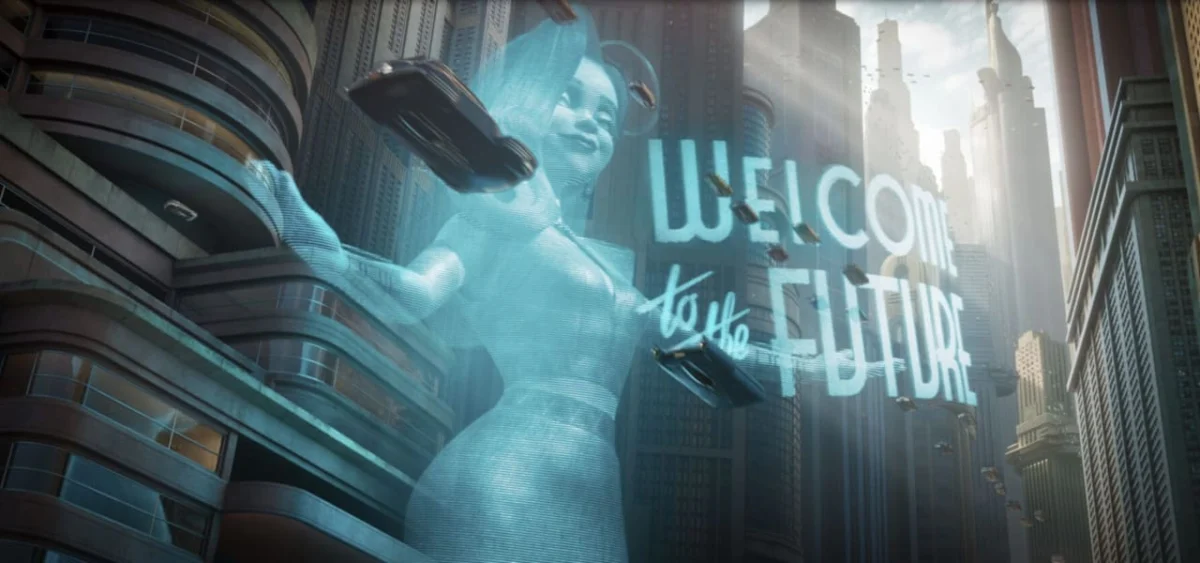
A significant strategic decision by Netflix to prioritize live-action blockbusters for its nascent theatrical exhibition strategy has led to the exclusion of Brad Bird’s highly anticipated animated film, "Ray Gunn," from coveted IMAX releases. This move has ignited a heated discussion within the animation industry and among film critics regarding Netflix’s true commitment to supporting animated features in cinemas, despite their demonstrable popularity and box office potential.
The streaming behemoth, which has recently expanded its footprint into traditional movie theaters, has opted to allocate prime IMAX screen time to David Fincher’s untitled sequel to "Once Upon a Time in Hollywood." This decision bypasses "Ray Gunn," a project helmed by the celebrated director of "The Iron Giant" and "The Incredibles," and a film widely considered one of Netflix’s most high-profile releases of the year. The move has left industry insiders and animation advocates questioning the streamer’s underlying philosophy towards animated storytelling on the big screen.
The Unfolding of a Cinematic Snub
The decision to sideline "Ray Gunn" for theatrical exhibition, particularly for premium formats like IMAX, comes as a disappointment to many who had hoped for a significant cinematic push. Reports, notably from TheWrap’s insightful analysis, reveal that the animation community and fans of Brad Bird had harbored aspirations for "Ray Gunn" to capitalize on an anticipated opening in the release schedule. This opening was potentially created by the shift in release dates for Greta Gerwig’s "Narnia" project. However, Netflix ultimately favored the live-action sequel, a move that underscores a perceived imbalance in the streamer’s theatrical distribution priorities.
This strategic choice not only impacts "Ray Gunn" but also amplifies a broader concern about Netflix’s approach to animated features. While animation consistently ranks among the most-watched content on the platform, and has produced significant original hits, the streamer has historically shown a limited appetite for granting its animated films substantial theatrical runs. This trend is exemplified by the continued success of titles like "KPop Demon Hunters," which has maintained a presence in the platform’s global top 10 for a full 52 weeks, and more recently, "Swapped." Despite such demonstrable audience engagement, these animated successes have not translated into a robust theatrical strategy from Netflix.
The disparity is further highlighted by statements from industry leaders. Film boss Dan Lin has reportedly articulated a stance that directors prioritizing theatrical releases may not align with Netflix’s future collaborations, stating that such filmmakers are "filmmakers that we’ve accepted we just won’t work with." This sentiment, when juxtaposed with the consistent appeal of animated content, creates a perplexing paradox in Netflix’s film strategy. Filmmakers who have partnered with the streamer continue to emphasize the intrinsic value of the theatrical experience, even for projects primarily designed for streaming.
A Complex Web of Corporate Dynamics
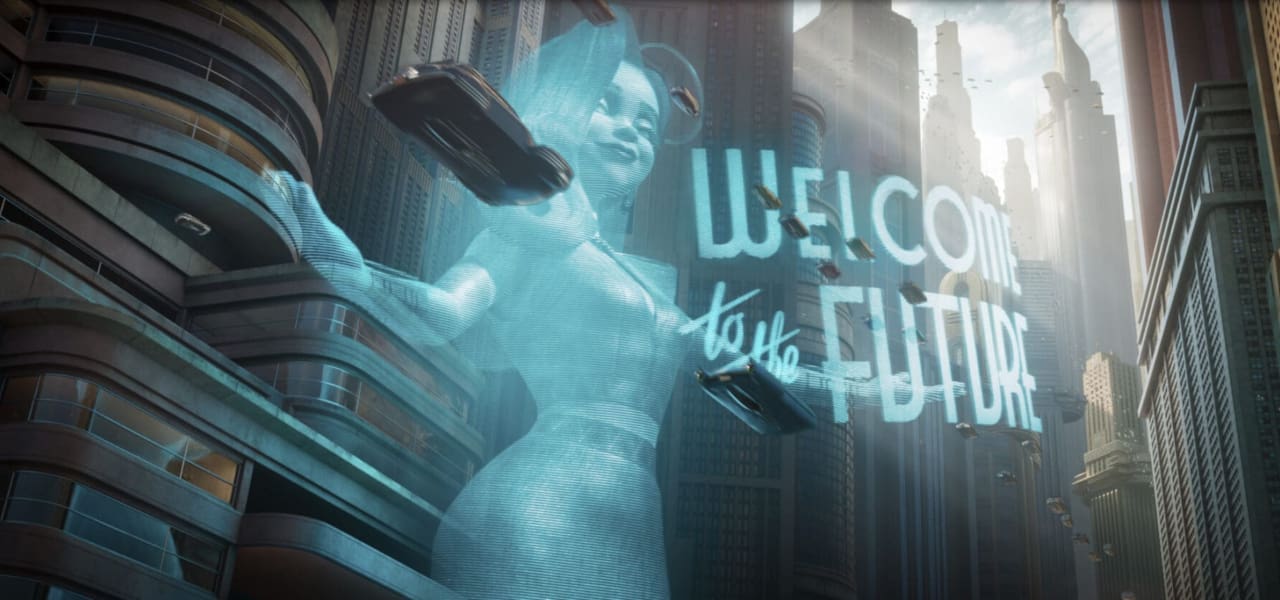
Adding another layer of complexity to "Ray Gunn’s" uncertain theatrical future is the intricate relationship between Netflix and Skydance Animation, the studio behind the film. Skydance Animation is now a part of Paramount Global, introducing a dynamic of inter-company negotiations and potential corporate politics that may be influencing distribution decisions. Sources cited in industry reports suggest that "Ray Gunn" has, in essence, become a bargaining chip in larger business dealings, rather than being positioned as a priority release based on its artistic merit and potential audience appeal.
This situation draws parallels to past challenges faced by celebrated animated features. The article notes the unfortunate echoes between "Ray Gunn’s" current predicament and the difficult release of "The Iron Giant" a quarter-century ago. That film, also directed by Brad Bird, struggled to garner institutional support during its initial theatrical run, only to achieve widespread acclaim and cult classic status retrospectively. The parallels raise a poignant question: is history repeating itself, and will "Ray Gunn" suffer a similar fate of underappreciation in its initial cinematic outing?
The Lingering Question: Animation’s Place in Netflix’s Cinema
The core issue at the heart of this controversy revolves around a fundamental question: will Netflix’s burgeoning interest in theatrical distribution ever genuinely encompass animated features, or will animation remain largely confined to the streaming realm, irrespective of its immense popularity? This is not a new debate, but with Netflix’s recent expansion into cinemas, the remarkable box office performance of animated films in general, and the high profile of both "Ray Gunn" and its acclaimed director, the question is being framed with a new and urgent resonance.
The success of animated films at the box office in recent years is undeniable. Titles such as "Spider-Man: Into the Spider-Verse" and its sequel, "Across the Spider-Verse," have demonstrated the immense commercial viability and critical acclaim that animated features can achieve when given proper theatrical backing. These films have not only drawn significant audiences but have also pushed the boundaries of visual storytelling, proving that animation can be a powerful and sophisticated medium for adult audiences as well as children.
Furthermore, the financial landscape of the film industry is evolving. While streaming has undoubtedly reshaped consumption habits, the theatrical experience continues to hold a unique cultural and economic significance. For major studios and distributors, theatrical releases serve as crucial launchpads for intellectual property, generating significant revenue and building buzz that can translate into long-term franchise success across various media. The exclusion of a film like "Ray Gunn" from this ecosystem represents a missed opportunity, not only for the film itself but for the broader animation industry and for Netflix’s own long-term strategic goals.
.png)
Supporting Data and Industry Trends
The argument for robust theatrical releases for animated films is bolstered by a growing body of evidence. In recent years, animated features have frequently outperformed live-action counterparts at the global box office. This trend is not limited to family-oriented films; adult-oriented animated features have also found significant audiences when given the opportunity. The consistent performance of animated content on streaming platforms, as highlighted by the longevity of "KPop Demon Hunters" in Netflix’s top 10, further underscores the inherent audience demand for this medium.
The financial implications of this strategy are also worth considering. A successful theatrical run can generate substantial upfront revenue, which can then be leveraged for marketing and further production. Moreover, the cultural impact of a major theatrical release can be far-reaching, building brand recognition and fostering a deeper connection with audiences that can extend well beyond the initial release window. For a company like Netflix, which is actively seeking to diversify its revenue streams and solidify its position as a global entertainment powerhouse, neglecting the theatrical potential of its animated content appears to be a shortsighted approach.
Official Responses and Future Outlook
As of the publication of this article, Netflix has not issued a formal statement specifically addressing the exclusion of "Ray Gunn" from IMAX releases. However, the reporting from TheWrap and other industry publications suggests a clear pattern of prioritization that favors live-action blockbusters for theatrical exhibition. The statements attributed to film boss Dan Lin indicate a strategic direction that may intentionally deprioritize directors who are strongly committed to theatrical releases, a stance that could inadvertently alienate talented filmmakers within the animation sphere.
The implications of Netflix’s current strategy are far-reaching. If the streamer continues to relegate its animated features to primarily streaming-only releases, it risks alienating a significant segment of filmmakers and audiences who value the cinematic experience. This could also lead to a perception that Netflix views animation as a secondary or less prestigious form of filmmaking, despite its proven ability to produce critically acclaimed and commercially successful content.
The success of films like "Spider-Verse" has demonstrated that there is a significant audience eager to experience high-quality animation on the big screen. For Netflix to truly become a dominant force in the global film industry, it must reconcile its streaming ambitions with a genuine commitment to theatrical exhibition, not just for live-action but for all genres, including the vibrant and ever-evolving world of animation. The fate of "Ray Gunn" serves as a critical test case, and its resolution will undoubtedly shape the future of animated cinema and Netflix’s role within it. The industry, and audiences alike, will be watching closely to see if Netflix can bridge the gap between its streaming success and its theatrical aspirations, ensuring that acclaimed animated features receive the cinematic platform they deserve.