
The Shadow of the Spider: Navigating the Dual-Format Release of Prime Video’s ‘Spider-Noir’
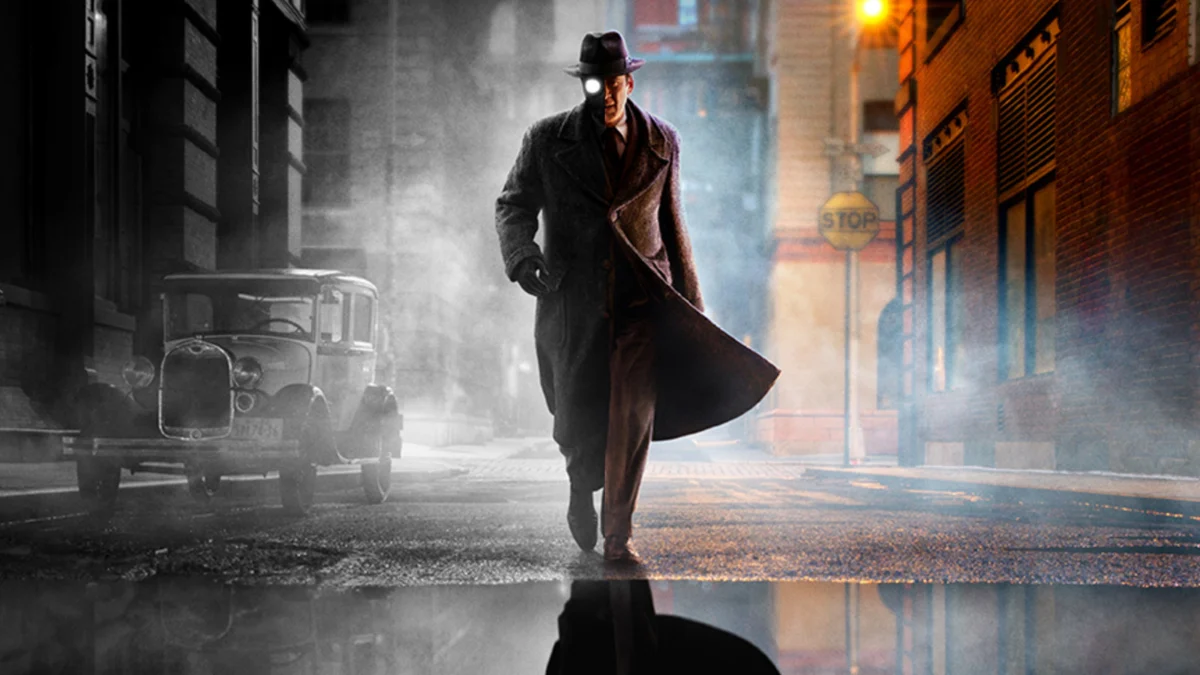
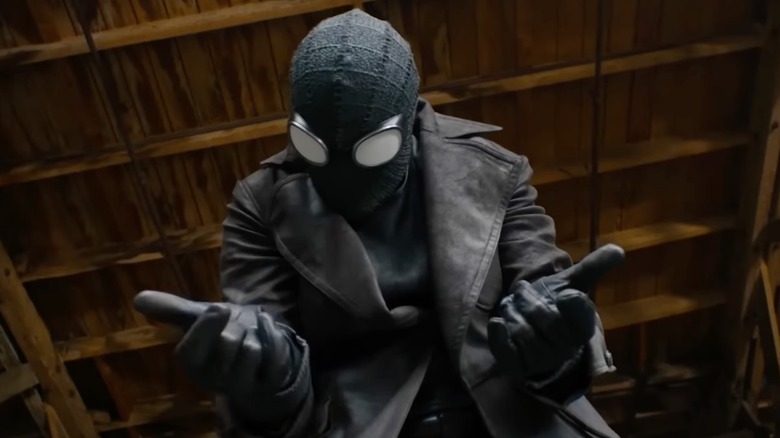
The silhouette is unmistakable: a wide-brimmed fedora, a heavy trench coat billowing in a perpetual gale, and the glowing circular lenses of a gas mask. For decades, film noir has been defined by its shadows—the deep, ink-black voids of 1940s Los Angeles or New York, where morality is gray and the rain never stops. When Marvel Comics first introduced "Spider-Man Noir" in 2009, it was a stylistic exercise in transporting a modern icon into the gritty, pulp-magazine era of the Great Depression.
Now, as Prime Video brings this character to life in the live-action series Spider-Noir, starring Academy Award winner Nicolas Cage, the production team has made a choice that is as controversial as it is ambitious. The series is being released in two distinct versions: "Authentic Black and White" and "True-Hue" color. This dual-release strategy has sparked a debate among cinephiles and superhero fans alike: Is this an artistic masterstroke, or a commercial compromise?
Main Facts: A Tale of Two Tones
Spider-Noir marks the first live-action outing for the hard-boiled version of Peter Parker (here named Ben Reilly, a nod to the "Clone Saga" of the comics). Set in 1930s New York, the series follows an aging, down-on-his-luck private investigator who must grapple with his past as the city’s only superhero.
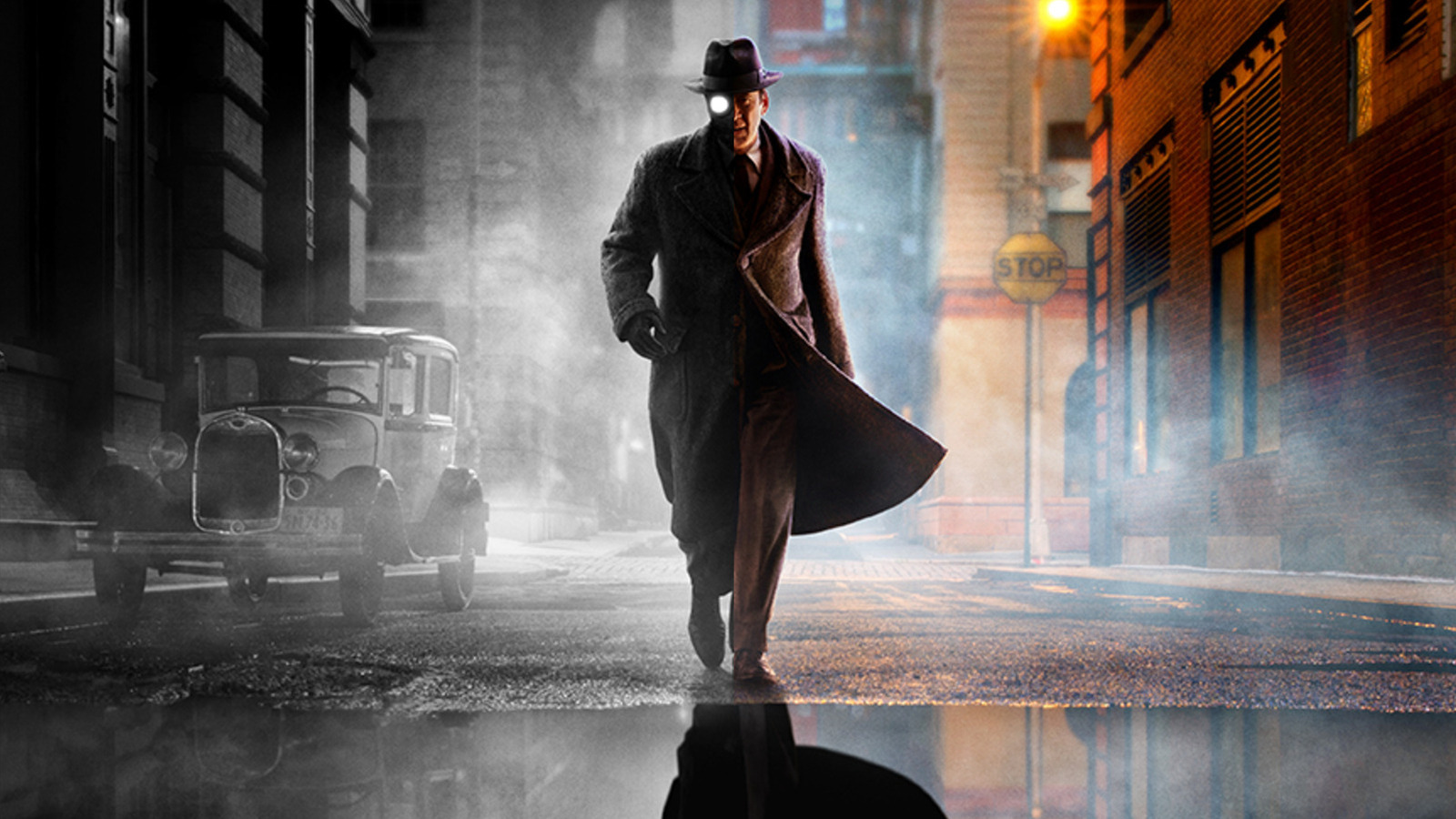
The series premiered on MGM+ before its wider release on Prime Video, scheduled for May 27th. The most striking aspect of the launch is the simultaneous availability of the two visual formats. The "Authentic Black and White" version is marketed as the intended aesthetic for a noir detective story, utilizing high-contrast lighting and shadows to evoke the classics of the genre. Conversely, the "True-Hue" version offers a saturated, vibrant palette that mimics the aesthetic of early 20th-century comic strips and Technicolor cinema.
This is not a simple "desaturation" filter applied in post-production. According to the production team, the series was filmed with both formats in mind, ensuring that the lighting, costume design, and set pieces remained visually compelling regardless of the viewer’s choice.
Chronology: From Pulp Panels to the Small Screen
The journey of Spider-Man Noir from a niche comic book character to a prestige television lead has been a decade-long evolution of style and tone.
- 2009: The Marvel Noir Era: Marvel Comics launched the "Noir" line, reimagining heroes like Spider-Man, Iron Man, and Daredevil in a 1930s setting. The Spider-Man run, written by David Hine and Fabrice Sapolsky, was heavily influenced by hard-boiled detective fiction and the political turmoil of the Depression.
- 2018: The Spider-Verse Breakthrough: While the comics had a cult following, the character reached global fame in Spider-Man: Into the Spider-Verse. Voiced by Nicolas Cage, the character was a monochromatic scene-stealer, obsessed with fighting Nazis and confused by the existence of "colors."
- 2023: Live-Action Development: Sony and Amazon announced a live-action series. The casting of Nicolas Cage was seen as a coup, bringing the voice actor into the physical role.
- 2024: The Production Decision: During the filming process, showrunner Oren Uziel and the creative team decided to bifurcate the release. Influenced by the success of "special editions" of films like Mad Max: Fury Road and Logan, they opted to provide two full versions of the series from day one.
Supporting Data: The Aesthetics of Noir vs. the "Dick Tracy" Influence
To understand why a viewer might choose one version over the other, one must look at the cinematic history Spider-Noir is referencing.
The Case for Black and White
The "Authentic Black and White" version draws directly from the "Golden Age" of noir. It leans into chiaroscuro—the treatment of light and shade in drawing and painting. In this version, the textures of the 1930s are heightened: the wool of a suit, the steam rising from a manhole cover, and the glint of a revolver. It pays homage to Orson Welles’ The Lady from Shanghai and John Huston’s The Maltese Falcon. For purists, this is the only way to experience a story about a "Noir" hero; it strips away the distractions of the modern world and focuses on the stark, brutal reality of Ben Reilly’s New York.
The Case for "True-Hue"
Interestingly, the color version is not a "naturalistic" depiction of the world. Instead, it serves as a tribute to Warren Beatty’s 1990 film Dick Tracy. Beatty and legendary cinematographer Vittorio Storaro limited the film’s palette to seven primary colors to mimic the look of Sunday newspaper comics.
In Spider-Noir’s "True-Hue" version, the colors are pushed to a garish, almost surreal limit. Skin tones are unnaturally peachy, and the reds and blues of the city’s neon signs pop with a neon-pulp intensity. This version highlights the "superhero" aspect of the story, reminding viewers that despite the trench coat, this is still a character born from the vibrant pages of Marvel Comics.
Official Responses: Artistry or Audience Appeasement?
The decision to offer two versions has raised eyebrows, with some critics suggesting it was a "cowardly" move by Amazon to ensure that viewers who "hate old movies" wouldn’t be alienated. However, the creative team has defended the choice as a dual artistic vision.
In an interview with Esquire, showrunner Oren Uziel and star Nicolas Cage provided a diplomatic look into the process. Uziel noted that the decision was made prior to shooting, allowing the digital footage to be processed into two distinct pipelines immediately. This prevented the "True-Hue" version from looking like a cheap afterthought and allowed the "Black and White" version to maintain its deep, cinematic blacks without losing detail.
Nicolas Cage, a noted film historian and fan of German Expressionism, expressed that both versions capture different facets of his performance. Cage’s acting style—often described as "Nouveau Shamanic"—thrives in the heightened reality of both formats. "In black and white, it’s a tragedy," Cage suggested in various press junkets. "In color, it’s a comic book. Both are true to the character."
Implications: A New Precedent for Streaming
The dual-format release of Spider-Noir represents a significant shift in how streaming services package "event" television. By providing both versions, Prime Video is acknowledging a growing trend of "boutique" home media experiences.
The "Special Edition" Trend
In recent years, several high-profile films have received "Noir" cuts after their initial theatrical runs:
- Mad Max: Fury Road (Black and Chrome Edition): George Miller stated this was his preferred version of the film.
- Logan (Logan Noir): James Mangold released a monochromatic version that emphasized the film’s Western influences.
- Parasite (Black and White Version): Bong Joon-ho created this version to see if the "class struggle" felt more visceral without the distraction of color.
However, Spider-Noir is unique because it is a television series—spanning multiple hours—offering both versions simultaneously upon debut. This suggests that streamers are becoming more comfortable with "experimental" viewing modes, perhaps moving away from the "one-size-fits-all" approach to cinematography.
The Technical Challenge
The implications for future productions are vast. Lighting a scene for both color and black and white is a technical tightrope. Colors that look good on screen often have similar "tonal values" when converted to grayscale, leading to a "muddy" image where the subject blends into the background. By committing to both, the Spider-Noir team had to ensure high contrast in every frame, likely leading to a more meticulously lit production than the average streaming drama.
Conclusion: Which Should You Watch?
For the first-time viewer, the choice remains a matter of personal priority. If you seek the atmospheric, moody experience of a classic 1940s detective thriller, the "Authentic Black and White" version is the definitive choice. It aligns with the character’s origins and the voice Nicolas Cage established in the Spider-Verse films.
However, if you are a fan of the "Pop Art" aesthetic and want to see a 1930s world through the lens of a vivid comic book, the "True-Hue" version offers a unique, stylized experience that avoids the blandness of modern digital color grading.
Regardless of the choice, Spider-Noir stands as a testament to the enduring power of the Noir aesthetic—and a bold experiment in the future of digital storytelling. As Ben Reilly might say while peering through the rain: the world isn’t just black and white, but sometimes, it’s better if you see it that way.



Leave a Comment