SPFBO 11: The Fifth Fall Sees Three More Contenders Exit the Race for Self-Published Fantasy Acclaim
The Self-Published Fantasy Blog-Off (SPFBO) 11 continues its rigorous culling process, with three more titles concluding their journey in what is being termed the "Fifth Fall." As the competition moves deeper into June, the field narrows significantly, leaving just nine books vying for the coveted semi-finalist spots. This latest round of eliminations highlights the diverse critical reception even well-crafted self-published fantasy can receive, underscoring the subjective nature of literary judgment.
The SPFBO, a cornerstone event in the self-published fantasy community, is known for its intensive evaluation of hundreds of books by a dedicated panel of judges. With the current phase reducing the initial formidable list of 300 entries, the pressure mounts on the remaining contenders. The organizers reiterate their commitment to a fair, though not pre-ordered, assessment, emphasizing that the absence of a "click" for the judging panel does not diminish the inherent value or potential appeal of any submitted work. Authors are encouraged to embrace the feedback, and readers are invited to explore any book that sparks their interest, regardless of its competition standing.
The Unfolding Chronology of SPFBO 11
The Self-Published Fantasy Blog-Off, founded by acclaimed author Mark Lawrence, began over a decade ago with the noble aim of shining a spotlight on the often-overlooked talent within the self-published fantasy sphere. Each year, hundreds of authors submit their works, hoping to capture the attention of a diverse panel of fantasy bloggers and enthusiasts.
The SPFBO 11 commenced with an overwhelming 300 entries, a testament to the thriving creativity within independent publishing. These books are distributed among various judging teams, each tasked with sifting through their allocation to identify promising contenders. The process is methodical, involving an initial read-through, internal discussions, and a series of "cuts" where books are eliminated from the running. This current stage, the "Fifth Fall," signifies a significant milestone, as the pool of active contenders has been dramatically reduced. From the initial hundreds, the competition now approaches its most critical juncture: the selection of the four semi-finalists. Each semi-finalist will receive a dedicated, in-depth review, a highly sought-after prize in itself, before the ultimate winner is decided.
The judging panels operate without a fixed reading order or a "worst-to-best" elimination strategy, allowing for a more organic and nuanced evaluation. This approach acknowledges the inherent variability in reader preference and the intricate factors that contribute to a book’s resonance. As the competition progresses, the focus intensifies on identifying books that not only demonstrate strong storytelling and world-building but also possess that elusive quality that truly captivates the judges.
Supporting Data: A Closer Look at the Eliminated Titles
This round saw the departure of three distinct fantasy narratives, each prompting a range of opinions from the judging panel. Their journeys, though concluded in the competition, offer valuable insights into the complexities of self-published fantasy and the diverse tastes of readers.
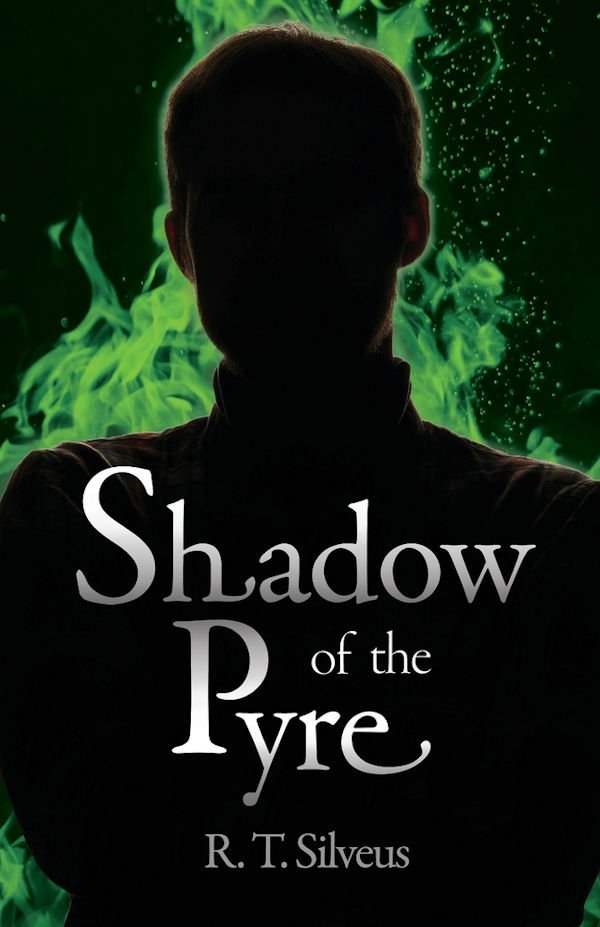
Shadow of the Pyre by R. T. Silveus: A Polarizing Grimdark Entry
Synopsis: Shadow of the Pyre plunges readers into a grim world where blind obedience is paramount for human survival under a tyrannical Gurvel cult. Ronan, a soldier, grapples with his conscience as he is forced to condemn innocents. Meanwhile, Eira, one of the last Speki assassins, seeks vengeance against the cult leader, even if it means shattering her brother’s dreams. Khartsaga, the cult leader’s son, struggles with guilt while seeking his father’s approval. The narrative poses a fundamental question: "Who will rise to quench the fires of tyranny?"
Judges’ Assessment: Shadow of the Pyre elicited a starkly divided response from the SPFBO team, largely leaning towards critical feedback. The prologue emerged as a primary point of contention, with several judges finding it overly dense with information. The rapid introduction of numerous names, places, and factions before the reader could establish a narrative foothold proved disorienting. Furthermore, the immediate and intense violence in the opening chapters was cited as a deterrent, preventing some judges from forging an early connection with the characters.

Those who persevered deeper into the narrative encountered further stylistic and structural issues. Concerns were raised regarding punctuation and sentence structure, which were significant enough to disrupt immersion for some readers. A sense of predictability also hampered engagement, with one judge reporting an early loss of interest due to the central plot unfolding exactly as anticipated. The grimdark tone, particularly the recurrent use of fire as a method of execution, was perceived by some as leaning into an increasingly overused trope, diminishing its impact.
However, Sara, one of the judges, stood as a notable exception, offering a more positive assessment. She praised the book as an "epic fantasy with a mix of races, descriptive worldbuilding, and adult characters with detailed backstories." Ronan’s backstory, detailing his accidental betrayal of his family, resonated strongly with her. She also appreciated the clever use of chapter headers as snippets from a "book of Legends" and found the "chroma snails" to be a delightful detail. While noting a lack of distinct voices across character POVs and expressing a personal preference for a hint of romance, Sara ultimately expressed interest in the author’s future works, highlighting the subjective nature of reader engagement.
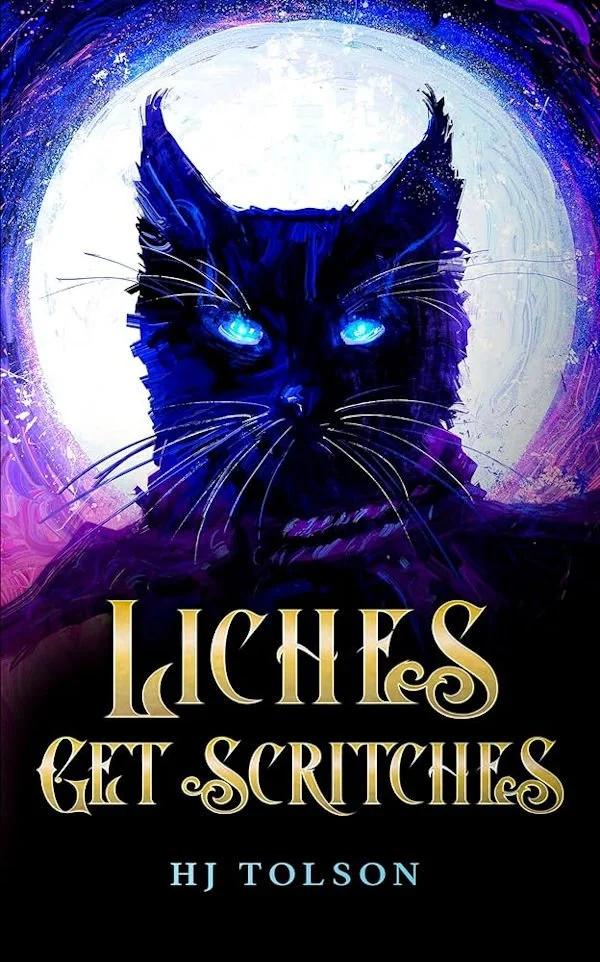
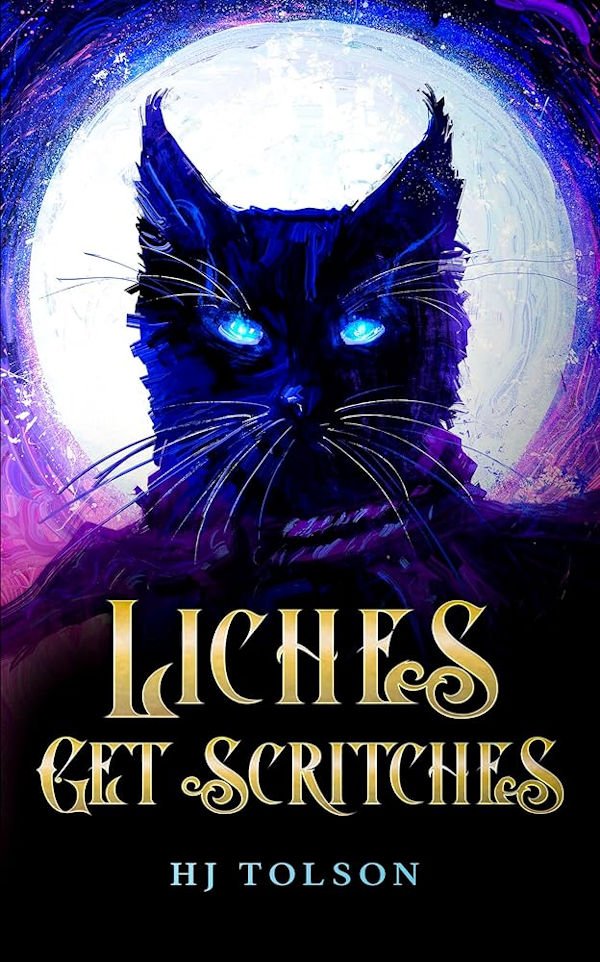
Liches Get Scritches by H. J. Tolson: A "Cozy Dark" Cultivation Tale
Synopsis: Jenkins Greenleaf, a magnificent black cat with nine lives, embarks on a journey to cultivate qi and achieve immortality. Deep within the dreaming woods, he discovers a secret forest sect where he learns ancient cultivation arts alongside other spirit beasts. Despite warnings from his mentor against the dangerous "death qi," Jenkins, driven by his desire for more than nine lives, pursues the path to lichdom. The story promises trials and heavenly tribulations, but with the feline adage that "a cat will always land on his feet."
Judges’ Assessment: Liches Get Scritches generated a split decision among the judges, primarily influenced by their tolerance for a slow-burning, slice-of-life narrative style in its early chapters. Several judges found the initial chapters charming, yet struggled to maintain engagement as the story settled into the rhythm of Jenkins’ daily life without sufficient plot momentum or world context. This led some to step away before the narrative truly gained traction. One judge, who had enjoyed the author’s previous work, felt this book suffered in comparison, though conceded that reading order might have influenced this perception.
However, those who pushed through to the latter half of the book reported a far more rewarding experience. Julia, for instance, acknowledged the slow opening, especially for readers familiar with cultivation fantasy, but affirmed that the second half "delivered." She found the battles and fights "engaging and fun to read" and noted that Jenkins’ nine lives were certainly put to the test. Julia aptly described the book’s tone as "cozy dark," a unique blend of necromancers, demon rats, and charming cat adventures, perfectly encapsulating Jenkins as "a cat calmly cleaning his paws while his enemies settle back into the soil."
EG emerged as the most enthusiastic proponent of the book, offering a glowing review. She approached the book with minimal expectations, knowing only that it involved a cat, and was "hooked" within the first few chapters. EG praised the unexpected genre mash-up of slice-of-life cozy fantasy, grisly epic fantasy, and cultivation fantasy. Her primary interest lay in the characters and narration, particularly the author’s masterful portrayal of Jenkins. She highlighted how Jenkins embodies the "arrogance and joie de vivre of cats everywhere," along with their characteristic desires. EG was impressed by the consistent feline perspective, noting that Jenkins never felt overly anthropomorphized. The writing itself was lauded for its smooth flow, intelligence, and readability. EG’s only minor complaint was the somewhat incomplete ending, suggesting a sequel or companion novel. Despite this, she found the book "very entertaining" and would likely explore the author’s other works.
The consensus for Liches Get Scritches is that it offers a unique and entertaining experience for readers who appreciate cultivation fantasy, cozy dark narratives, or charismatic animal narrators, provided they are willing to invest patience in its initial pacing.
Island of the Dying Goddess by Ronit J.: A Profound Exploration of Grief and Mercy
Synopsis: The protagonist, Anawar, an immortal explorer, finds himself stranded on Sawarrgh, an island steeped in mourning and twisted landscapes. The oppressive atmosphere resurrects suppressed memories, forcing Anawar to confront the island’s horrors. These include Ghaph, a mad, mutilating warmongering god; Ndraja, a goddess capable of enslaving kingdoms; and the nameless goddess who created Sawarrgh a millennium ago, trapping it in a time loop that forces it to relive the same year perpetually. Existence on Sawarrgh is a curse, and Anawar’s only escape, and the island’s liberation, lies in killing the goddess.
Judges’ Assessment: Island of the Dying Goddess evoked a complex and often conflicted response from the SPFBO panel. For those judges who managed to delve deeply into the narrative, its emotional core proved to be its most enduring strength. Kerry, for example, lauded the book’s poignant exploration of euthanasia and the profound weight of witnessing prolonged suffering. She also appreciated the incorporation of Southern Indian deities and their embodiment of cultural and familial complexities surrounding death. The judges collectively acknowledged the palpable sincerity stemming from the author’s personal experience, which clearly infused the narrative.
However, the book struggled in other areas. Several judges found it challenging to connect with the main characters, perceiving their motivations as unclear and their presence less compelling than the broader world and its mythos. One judge felt that the theme of grief, while powerful, was somewhat superimposed onto an action plot rather than seamlessly integrated. The ambitious body horror elements, though striking, did not universally land with the intended unsettling impact, occasionally veering into confusing territory.
A significant portion of the judging panel found the opening chapters difficult to navigate, citing a slow pace or a writing style that felt too casual for the gravity of the subject matter. This prevented some from reaching the book’s emotional depths.
Julia’s comprehensive review articulates the nuanced reception, highlighting the book’s strengths and weaknesses. She described it as a book that "left me conflicted," with some parts resonating deeply and others failing to connect. Julia emphasized the story’s powerful approach to grief, mercy, and the painful question of when letting go becomes an act of compassion, particularly the theme of euthanasia, which she felt was vital to discuss. The "raw, heavy, and sincere" emotional and mental health aspects, along with a pervasive "quiet exhaustion," were the primary drivers that carried her through the narrative.
Julia was especially drawn to the "madness of the gods and their slow mental decline," appreciating the clear distinction between different tiers of deities and their power struggles. She found the contrast between "utterly monstrous" gods and those who felt "strangely humane" to be highly effective. Conversely, she struggled to form a clear emotional connection with the two main characters, finding their pasts, motivations, and goals somewhat opaque, as if stepping into an ongoing story without all the necessary context. The horror elements, particularly the grotesque imagery like the grafting of body parts, did not resonate with Julia, feeling "more confusing than disturbing" rather than genuinely horrifying. Despite these reservations, individual moments, such as the "scorpion mix monster," left a strong impression.
Ultimately, Julia concluded that Island of the Dying Goddess is a book she respects for its thematic ambition and emotional core, even if it wasn’t a personal favorite. She characterized it as a "bleak, heavy read" that will not appeal to everyone but offers "something meaningful to say" for those willing to engage with its discomfort and emotional pain. The book’s profound questions about mercy, suffering, and the cost of holding on too long linger long after the final page, making it a noteworthy, albeit challenging, read.
Official Responses: The SPFBO Ethos
The SPFBO organizers and judges maintain a consistent message throughout the competition: reading is inherently subjective, and every entry represents a significant act of courage from its author. The process is designed to find books that resonate deeply with the judging panel, but this should not be interpreted as a definitive statement on a book’s quality or marketability.
"A sincere thank you to every author who entered," the organizers stated. "Putting your work forward for a competition takes real courage, and we appreciate each and every one of you for it." This sentiment underlines the supportive ethos of SPFBO, acknowledging the vulnerability inherent in submitting one’s creative work for critical review.
The competition also serves as a crucial platform for discovery. Even books that do not advance to the semi-final stage receive valuable exposure through these detailed critiques, potentially finding new readers who align with the specific tastes highlighted by individual judges. The SPFBO website and related resources (links provided for the official SPFBO website and an introduction to the contest) are continuously updated to provide transparency and information to authors and readers alike.
The diverse judging panel, comprising individuals like Adawia Asad, Eva Geraghty, Evelyn Grimald "E.G." Stone, Julia Kitvaria Sarene, Karen Lucia, Kerry Smith, Kit Caelsto, Maureen Neuman, Robert Max Freeman, Sara Rosevear, Sherry Cammer, Stacey Markle, Tianna Twyman, and Yaniv Rosenfeld Cohen, brings a wide array of preferences and critical perspectives. This collective expertise ensures a multi-faceted evaluation, reflecting the broad spectrum of tastes within the fantasy genre. Queries regarding the competition are directed to editor Jennie Ivins, ensuring clear lines of communication.
Implications for the SPFBO and Self-Published Fantasy
The "Fifth Fall" marks a critical juncture for SPFBO 11, moving the competition closer to its decisive stages. With only nine books remaining before the semi-finalists are announced, the intensity of the evaluation process will only increase. For the remaining authors, this means their works have demonstrated a compelling blend of storytelling, craft, and originality that resonated with the judging panel.
Beyond the immediate competition, the SPFBO continues to have profound implications for the self-published fantasy genre. It serves as a vital proving ground and a beacon of legitimacy, showcasing that high-quality, innovative fantasy is flourishing outside traditional publishing houses. The detailed feedback provided by the judges, even for eliminated titles, offers invaluable insights for authors seeking to refine their craft and understand reader expectations. It fosters a culture of continuous improvement and encourages self-published authors to strive for excellence.
For readers, SPFBO is an indispensable resource for discovering hidden gems. The comprehensive reviews, complete with summaries and judges’ candid opinions, provide a curated guide through the vast and often overwhelming landscape of self-published books. It empowers readers to make informed choices, aligning their preferences with the detailed assessments offered by the panel.
As the SPFBO 11 progresses, the anticipation builds for the announcement of the semi-finalists and, eventually, the grand winner. Regardless of who ultimately claims the title, the competition has once again affirmed the vibrant health and boundless creativity of the self-published fantasy community, ensuring that new voices continue to find their stage. Good luck to all the authors, and happy reading!