The Eternal Allure of the Jersey Shore: A Multi-Generational Chronicle of the American Coastline
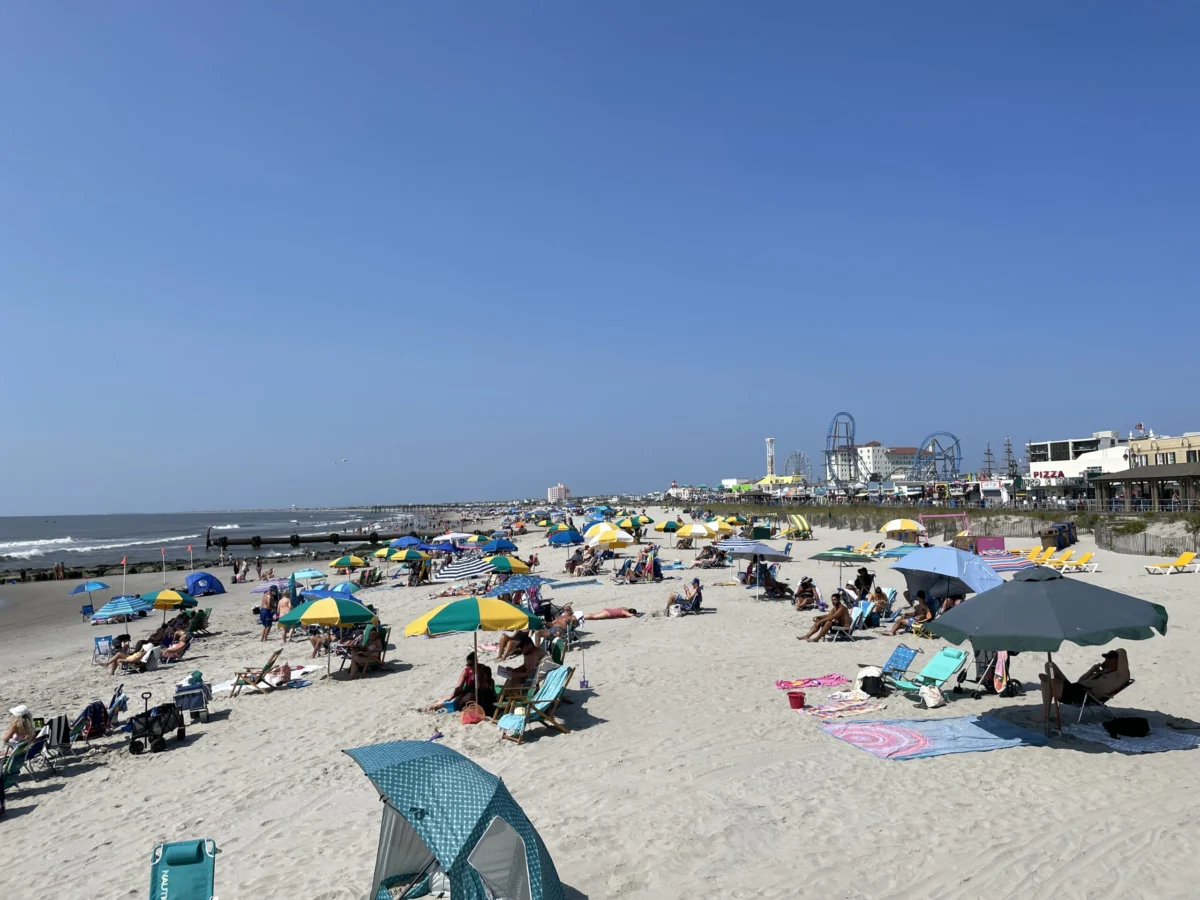
Main Facts: The Cultural and Personal Significance of the South Jersey Shore
For over half a century, the New Jersey coastline—specifically the string of barrier islands stretching from Atlantic City down to Cape May—has served as more than just a summer destination; it is a repository of American cultural history and a cornerstone of familial legacy. The narrative of Joe Bakovsky, a lifelong patron of these shores, provides a poignant lens through which to view the evolution of the "Jersey Shore" experience.
From the mid-century grandeur of Atlantic City’s boardwalks to the Victorian preservation of Cape May and the neon-lit "Doo Wop" nostalgia of Wildwood, the South Jersey shore represents a unique intersection of commerce, recreation, and memory. For Bakovsky and millions of others, the shore is defined by sensory landmarks: the smell of saltwater taffy, the mechanical roar of boardwalk rides, and the rhythmic percussion of the Atlantic surf. This report explores the chronological evolution of these coastal towns, the socio-economic data supporting their status as tourism powerhouses, and the implications of preserving this "nostalgia economy" in a changing environmental landscape.
Chronology: A Lifetime of Tides and Transitions
The 1950s and 60s: The Golden Age of the Atlantic City Boardwalk
The journey begins in the early 1950s, an era when Atlantic City was the undisputed "World’s Playground." Bakovsky’s first memory, aged three, encapsulates the sheer scale of the environment. Getting lost among the crowds while chasing pigeons was a common rite of passage for children on the massive wooden planks of the boardwalk. During this period, the boardwalk was a place of high social interaction and safety, where a lost child might be comforted by a stranger with a soft-serve ice cream—a testament to the community-centric tourism of the post-war era.
By the early 1960s, the entertainment landscape had shifted toward the spectacular. At age 12, Bakovsky witnessed the height of the Steel Pier’s fame. This was a time when Motown legends like The Supremes performed three-set shows to packed houses, and the "Diving Horse"—a controversial but iconic spectacle featuring a horse and rider leaping from a 40-foot platform—was a primary draw. This era represented the peak of the boardwalk as a premier entertainment hub before the rise of theme parks and international air travel began to diversify the tourism market.
The 1970s and 80s: The Rise of the Family-Centric "Dry" Resort
As Bakovsky reached young adulthood, his focus shifted south to Ocean City. Established as a Christian seaside resort in the late 19th century, Ocean City maintained a "dry" status (prohibiting the sale of alcohol), which cemented its reputation as "America’s Greatest Family Resort."

This period highlighted the physical relationship between the visitor and the ocean. For Bakovsky, the 1970s were defined by the mastery of body surfing—a primal engagement with the Atlantic’s power. The technique, requiring one to catch a wave at its crest and use the "force of nature" as propulsion, became a lifelong passion. This era saw the transition of the shore from a place of passive observation (watching shows) to active participation (surfing and boogie boarding).
The 1990s to Present: Legacy and the "Nostalgia Economy"
In the subsequent decades, the cycle of shore life continued through fatherhood. Bakovsky introduced his sons to the same rituals: the observation of saltwater taffy being pulled, the thrill of the log flume, and the panoramic views from the Ferris wheel. The introduction of the "boogie board"—a foam-and-plastic evolution of the surfboard—allowed a new generation to engage with the waves with greater ease and safety.
In recent years, the focus has expanded to include the historic preservation of Cape May and the sprawling beaches of Wildwood. Bakovsky’s contemporary experiences, such as staying at the historic Cape May Inn (dating back to 1894) and utilizing a century-old manual lift, illustrate the shore’s shift toward heritage tourism. Today, the experience is a blend of Victorian elegance, dolphin-watching cruises, and the classic "Wildwood Days" atmosphere of fireworks and outdoor concerts.
Supporting Data: The Economic Engine of the New Jersey Coast
The personal anecdotes of long-term visitors are backed by significant economic and cultural data. According to the New Jersey Division of Travel and Tourism, the state’s tourism industry generated over $45 billion in total economic impact in recent years, with the "Shore Region" (comprising Monmouth, Ocean, Atlantic, and Cape May counties) accounting for nearly half of that revenue.
- Ocean City’s Family Appeal: Ocean City consistently ranks as one of the top family beaches in the United States. Its boardwalk, spanning 2.5 miles, hosts over 400 properties and businesses, maintaining a 95% occupancy rate during the peak summer months.
- Cape May’s Historic Value: Cape May was designated a National Historic Landmark in 1976. It boasts one of the largest collections of 19th-century framed Victorian buildings in the country. This designation has turned the city into a year-round destination, moving away from the seasonal limitations of other shore towns.
- Wildwood’s "Doo Wop" Architecture: Wildwood is home to the highest concentration of mid-century "Doo Wop" architecture in the world. The "Wildwoods" (North Wildwood, Wildwood, and Wildwood Crest) feature over 100 motels built in the 1950s and 60s, characterized by neon signs, plastic palms, and geometric shapes, which have become a major draw for architectural historians and kitsch-lovers alike.
- The "Taffy" Tradition: Saltwater taffy, a staple mentioned by Bakovsky, originated in Atlantic City in the 1880s. Today, companies like Fralinger’s and James’ Candy continue to produce millions of pounds of taffy annually, serving as a culinary symbol of the Jersey Shore.
Official Responses: Preserving the Shore Experience
Tourism officials and local historians emphasize that the "Jersey Shore" is a brand built on consistency and evolution.
"The South Jersey shore thrives because it offers a sense of continuity in a rapidly changing world," says a representative from the Cape May County Department of Tourism. "When visitors like Mr. Bakovsky return decade after decade, they aren’t just buying a vacation; they are revisiting their own history. Our job is to ensure that the Victorian charm of Cape May and the neon energy of Wildwood remain intact for the next generation."

Regarding the environmental challenges, local coastal management officials note: "We are constantly balancing the ‘nostalgia economy’ with the realities of coastal erosion and climate change. Beach replenishment projects in Wildwood and Ocean City are vital to maintaining those ‘massive beaches’ that visitors expect. We have to engineer the coastline to preserve the memories people make here."
Historical societies also play a crucial role. A spokesperson for the Atlantic City Historical Museum noted, "While the Steel Pier has changed and the diving horses are a thing of the past, the core ‘boardwalk culture’—the soft-serve ice cream, the salt air, and the communal experience—remains the same as it was when Joe Bakovsky was a three-year-old boy in the 1950s."
Implications: The Future of Coastal Heritage
The enduring narrative of the Jersey Shore carries several implications for the future of American domestic tourism and coastal management.
The Resilience of the "Nostalgia Economy"
The shore’s ability to survive economic downturns and the COVID-19 pandemic—as evidenced by Bakovsky’s visit to Cape May during the height of the health crisis—suggests that "nostalgia-driven" travel is incredibly resilient. People prioritize returning to places that represent stability and happy memories during times of global upheaval.
Environmental Adaptation
The "massive beaches" of Wildwood and the breaking waves of Ocean City are under constant threat from rising sea levels. The future of these towns depends on aggressive coastal engineering. For the "body surfing" and "boogie boarding" culture to survive, municipalities must continue to invest billions in sand pumping and dune stabilization.
Intergenerational Transfer of Tradition
The most significant implication is the role of the patriarch or matriarch in passing down "shore culture." By teaching his son to body surf and introducing his family to the boardwalk’s simple pleasures, Bakovsky ensures the survival of the shore’s economic model. The "Jersey Shore" is not merely a geographic location; it is a learned behavior and a shared family language.
Conclusion: The Unending Cycle
As Joe Bakovsky notes, after a lifetime of exploring these towns, one might ask, "What more can one ask for?" The South Jersey shore offers a rare blend of the historic and the ephemeral. Whether it is the original lift in a 19th-century hotel or the "twist" of a modern soft-serve ice cream cone, the shore remains a place where time, much like the tide, seems to both move forward and stay perfectly still. For the millions who flock to these beaches every summer, the shore is not just a destination—it is home.