Dungeons & Dragons’ Ravenloft: The Horrors Within Revitalizes the Flawed College of Spirits Bard
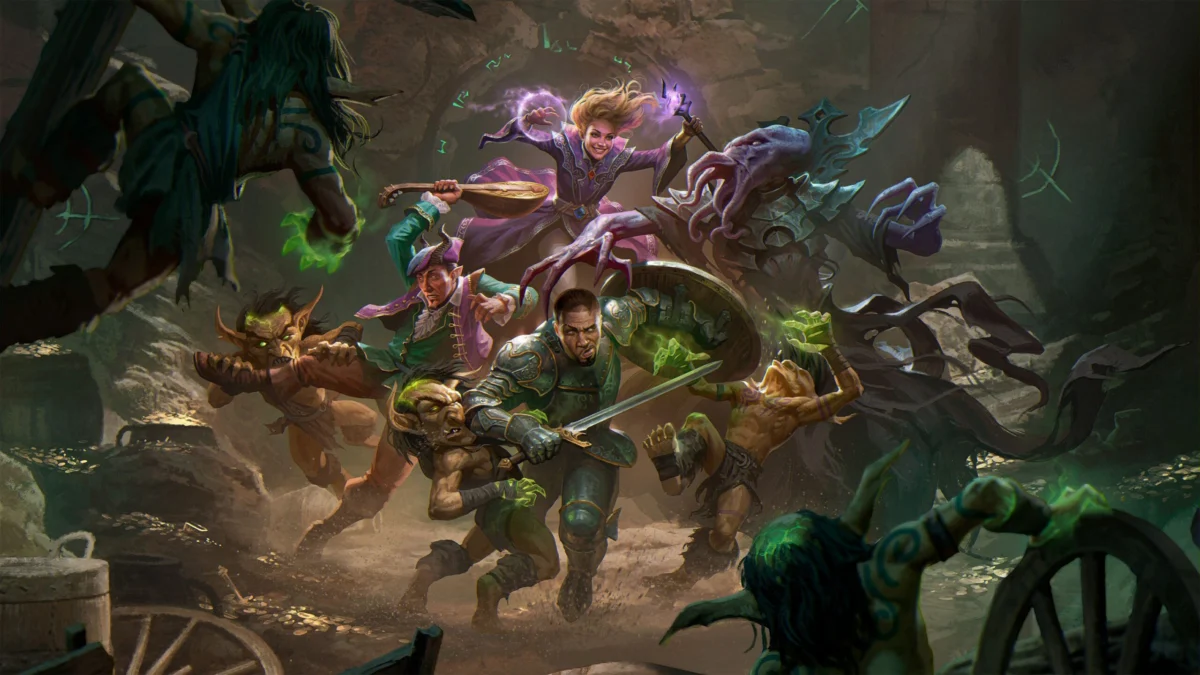
The eagerly anticipated release of Ravenloft: The Horrors Within brings a much-needed overhaul to a Dungeons & Dragons subclass that once threatened to derail an entire campaign, offering a more engaging and mechanically sound experience for players venturing into the Domains of Dread.
By Francesco Cacciatore
Published June 21, 2026, 8:01 AM EDT
The chilling embrace of Ravenloft, the iconic Gothic horror setting for Dungeons & Dragons, has once again captivated the imaginations of players and Dungeon Masters with the release of Ravenloft: The Horrors Within. This latest addition promises to immerse adventurers in a world of psychological terror, macabre creatures, and tormented Darklords. Beyond the atmospheric lore and new challenges, the book introduces a wealth of new and updated character options, including revamped subclasses and a fresh take on the shadowy Dark Gifts. Among these enhancements, one particular revision stands out: the College of Spirits bard, a subclass that, in its previous iteration, proved so frustratingly random that it nearly drove a player at my table to abandon their campaign.
The Specter of Frustration: A History of the College of Spirits
The College of Spirits bard, first introduced in Van Richten’s Guide to Ravenloft, was designed to tap into the mystical connection between storytellers and the ethereal plane. The subclass concept itself held immense promise, weaving tales that could literally manifest in the world. However, despite undergoing extensive playtesting, including a stint as an Unearthed Arcana offering in 2025, the 5e version of the College of Spirits bard was widely considered mechanically underwhelming. Its core feature, "Spirits from Beyond," was the primary culprit, its unpredictable nature leading to significant player dissatisfaction.
The thematic underpinnings of the College of Spirits are undeniably compelling. Bards of this college are depicted as conduits to the spiritual world, drawing power from the echoes of stories and the whispers of the departed. While the flavor text in Van Richten’s Guide was more evocative, describing bards who sought the power inherent in narratives and literally brought tales to life, the current description in Ravenloft: The Horrors Within is more direct: "Bards of the College of Spirits conjure legendary spirits to change the world." Both iterations, however, emphasize that the bard’s control over these summoned entities is, at best, partial, a crucial element that was intended to add an element of unpredictable horror but often translated to frustrating inefficiency in gameplay.
The Mechanics of Misfortune: When Randomness Fails
At the heart of the College of Spirits bard’s struggle lies its third-level class feature, "Spirits from Beyond." In its original form, this ability required a bonus action and a use of Bardic Inspiration to roll on a table, determining a random effect. These effects ranged from damage to allies and enemies to boons for the party. The critical flaw, however, was that these effects could not be immediately utilized. The player had to declare they were holding a "spirit tale" and then use a full action on a subsequent turn to manifest it. This convoluted process, coupled with the inherent randomness, often meant that the summoned spirit’s benefit was either irrelevant to the current situation or simply not worth the investment of Bardic Inspiration, a resource more effectively used for its immediate, tangible boosts.

This mechanical deficiency had a tangible impact on the gameplay experience. During a lengthy Rime of the Frostmaiden campaign, one of my players meticulously crafted a character who multiclassed as a warlock and a College of Spirits bard. The initial concept was brilliant: a warlock masquerading as a bard to conceal their pact with a malevolent patron, leading to moments of genuine comedic brilliance as the party remained unaware of the true source of their "Bardic Inspiration." As the character evolved, shedding their deceptive facade and embracing their role as a true bard, the player anticipated a significant power boost. Instead, they were met with the frustrating inconsistency of the College of Spirits subclass.
The disconnect between the character’s narrative progression and their in-game performance created a significant rift. The player found themselves increasingly exasperated during combat encounters, the once-promising subclass offering little in the way of reliable contribution. The frustration reached a boiling point where the player seriously considered retiring the character, seeking an end to their campaign woes through a character death. It was only through a concerted effort of DM persuasion, leveraging the skills of diplomacy and roleplay, that the player was convinced to persevere, a testament to the strength of the campaign’s narrative but also a stark indicator of the subclass’s mechanical shortcomings.
The Unearthed Arcana revision offered a glimmer of hope, allowing the "Spirit Tale" to immediately affect a target. While this was a step in the right direction, it still didn’t fully address the core issue of random outcomes. The fundamental problem remained: players were expending valuable resources on effects that were entirely out of their control and often ill-suited to the immediate tactical situation. The inherent appeal of random elements in tabletop roleplaying games—their ability to inject surprise, humor, and narrative twists—is undeniable. However, when those random elements directly impact a player’s core abilities and resource management, the line between exciting unpredictability and frustrating futility can easily be crossed. For a game like D&D, where players invest significant time and effort into optimizing their characters and contributing meaningfully to the party, relying on pure chance for a core class feature can feel like a design flaw.
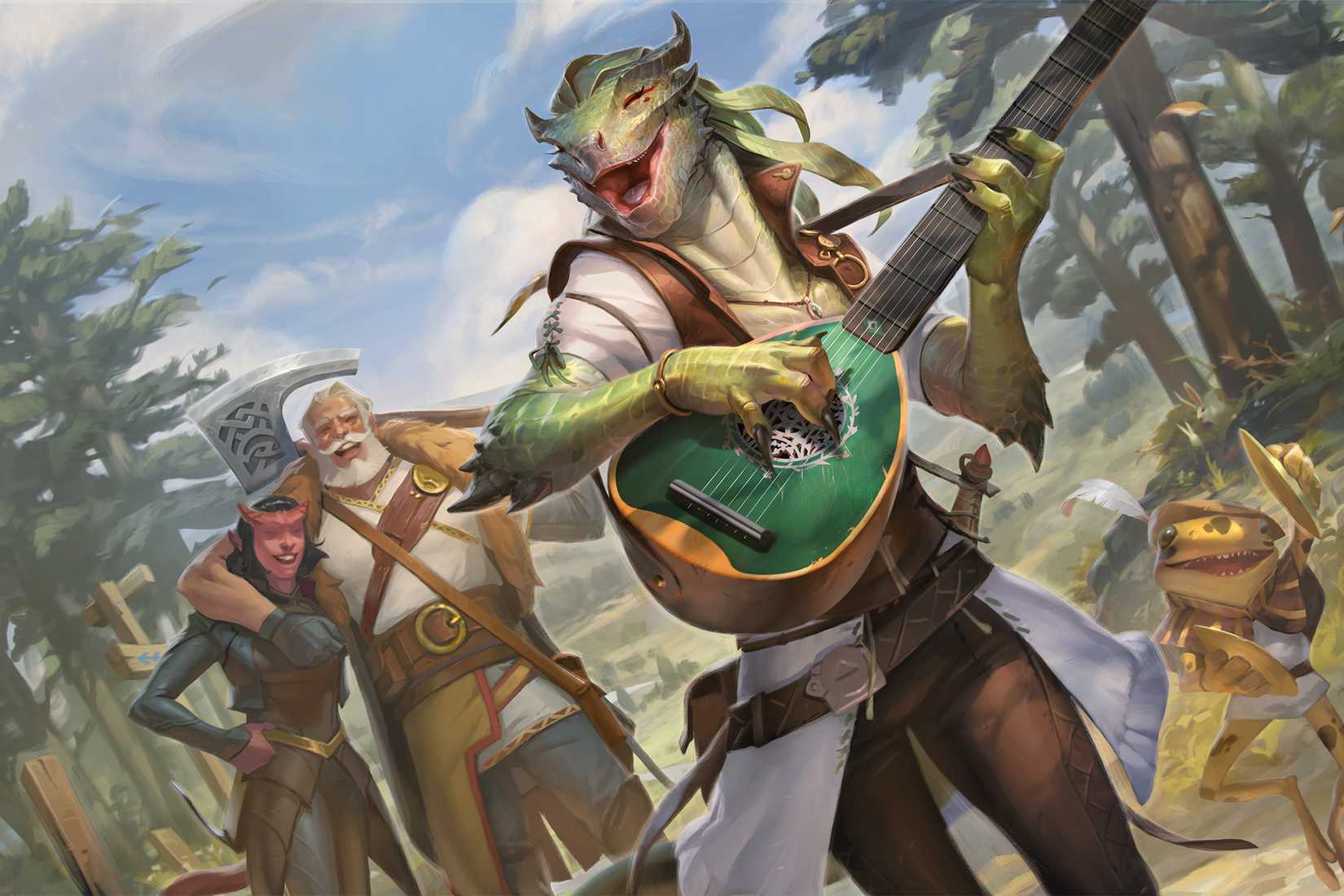
A New Dawn for Spiritual Bards: The Ravenloft Revision
Fortunately for fans of the ethereal and the arcane, Ravenloft: The Horrors Within has delivered a much-needed and remarkably effective overhaul of the College of Spirits bard. The updated "Spirits from Beyond" feature addresses the long-standing issues of randomness and resource expenditure with elegant solutions that empower the player without sacrificing the subclass’s thematic flavor.
The most significant change is that the "Spirits from Beyond" feature can now be activated for free every time a bard uses Bardic Inspiration. This immediately alleviates the pressure of feeling like a resource is being "wasted" on a potentially useless outcome. While players still roll on the table to determine a random effect, the player now has two distinct options for unleashing it.
The first option mirrors the original mechanic: the bard can use a magic action to manifest the spirit’s effect. Crucially, the Bardic Inspiration still provides its regular, tangible benefit, ensuring that no matter the random outcome of the Spirit Tale, the player has still received a valuable boost for their party. This alone makes the feature significantly more appealing, as it now offers a potential bonus on top of the standard Bardic Inspiration effect.
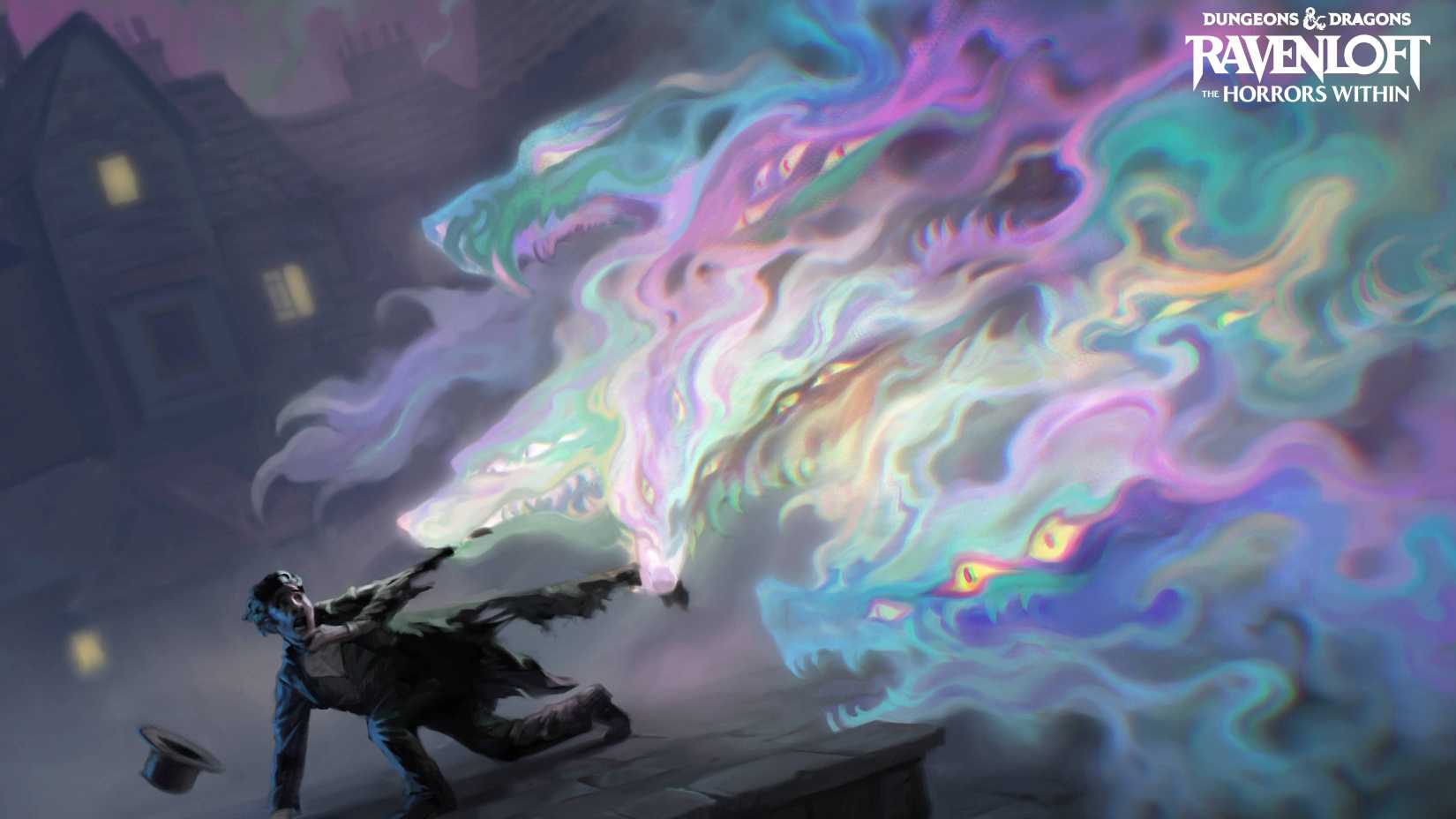
However, the true game-changer lies in the second option: "controlled channeling." As a bonus action, the bard can now spend a use of Bardic Inspiration to choose the desired effect from the table, rather than relying on a random roll. This fundamentally transforms the feature from a gamble into a strategic tool. Players can now select the most appropriate effect for the current situation, effectively adding a versatile array of situational spells to their bard’s repertoire. This "controlled channeling" ability is a masterstroke, granting players agency and allowing them to make meaningful contributions to the party’s success.
The addition of "controlled channeling" is particularly impactful when considering the bard’s resource economy. Bards gain Bardic Inspiration uses that scale with their Charisma modifier and, starting at fifth level, replenish after a short rest. This means players have a relatively consistent pool of this resource to draw upon, making the ability to choose the most impactful spirit effect an even more powerful and consistently available option. The previous design, which demanded a resource expenditure for a random outcome, felt like a significant design flaw. While randomness can add flavor, it needs to be implemented in a way that respects player agency and strategic decision-making.
The Ripple Effect of Improvement
The level six feature, "Empowered Channeling," also makes a welcome return from the Unearthed Arcana playtest, providing a welcome boost to healing and damage capabilities, alongside a special use of the Spirit Guardians spell. The level 14 feature, "Mystical Connection," remains consistent with the playtest material, further solidifying the bard’s connection to the spiritual realm.
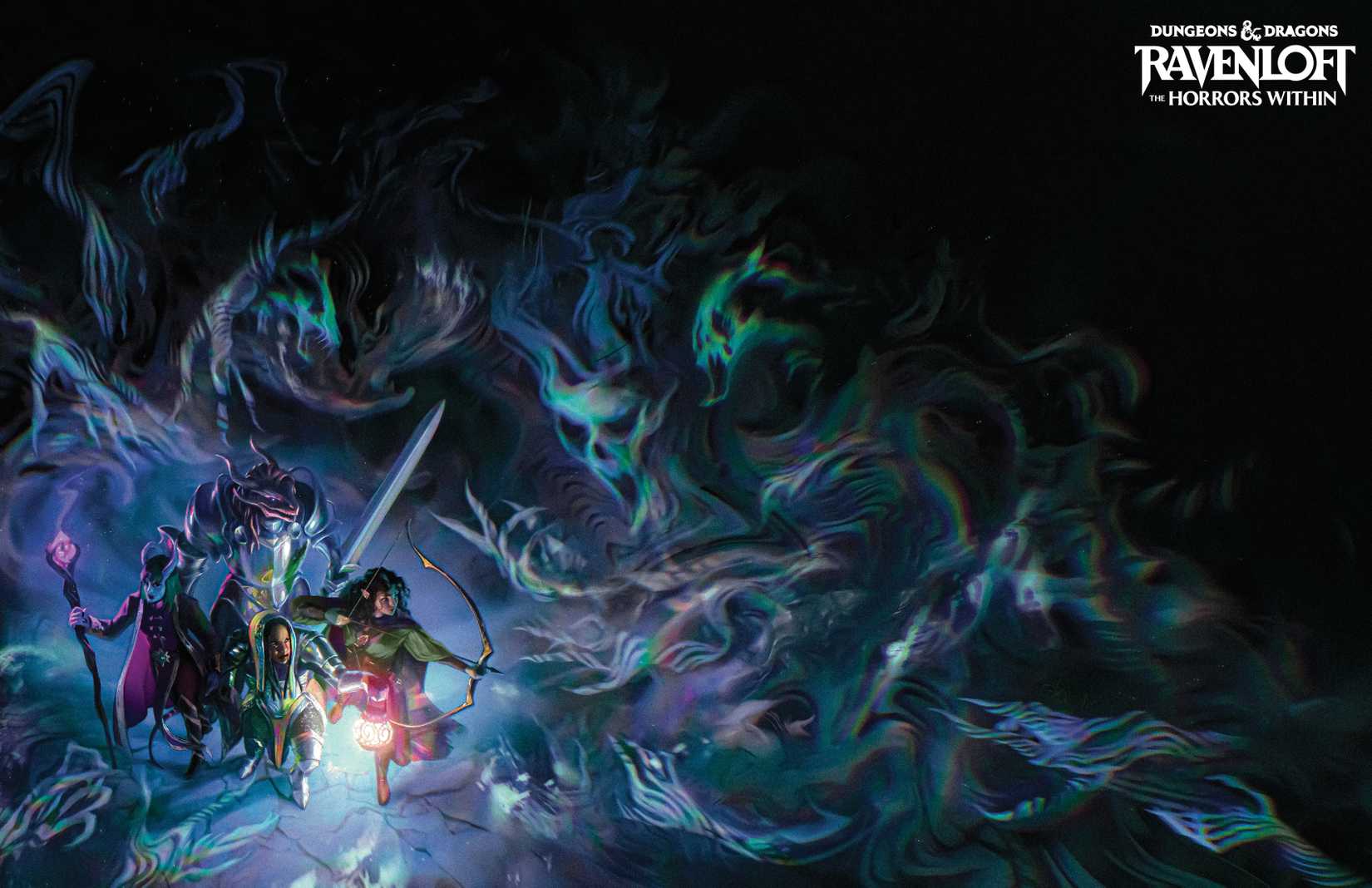
Collectively, these changes transform the College of Spirits bard from a niche, often frustrating subclass into a compelling and versatile choice. The ability to select the desired spirit effect feels akin to gaining access to an additional 8-10 spells, offering a level of utility that was previously unimaginable. The player in my campaign who once described the old College of Spirits as akin to playing a "gacha machine," praying for a five-star prize, would likely find this new iteration far more satisfying. While the unpredictable chaos of a gacha mechanic might be suited for games like Mörk Borg, where unbridled pandemonium is the norm, it felt incongruous with the established framework of Dungeons & Dragons.
Ravenloft: The Horrors Within may face some criticism for repurposing content from its predecessor, Van Richten’s Guide to Ravenloft. However, for the College of Spirits bard, this update is not merely a rehash; it is a triumph. It demonstrates a commitment to refining and improving existing mechanics, ensuring that thematic concepts translate into engaging and rewarding gameplay. The revitalized College of Spirits bard is a testament to the ongoing evolution of Dungeons & Dragons, offering a powerful and evocative option for players seeking to explore the darker, more spectral corners of the game. This much-needed fix not only makes the subclass playable but truly exciting, ensuring that the whispers of the spirits are now a boon, not a burden, to adventurers in the Domains of Dread.