The Evolution of Streaming Romance: How Netflix’s ‘Bridgerton’ Redefined a Genre and Sparked a Global Arms Race
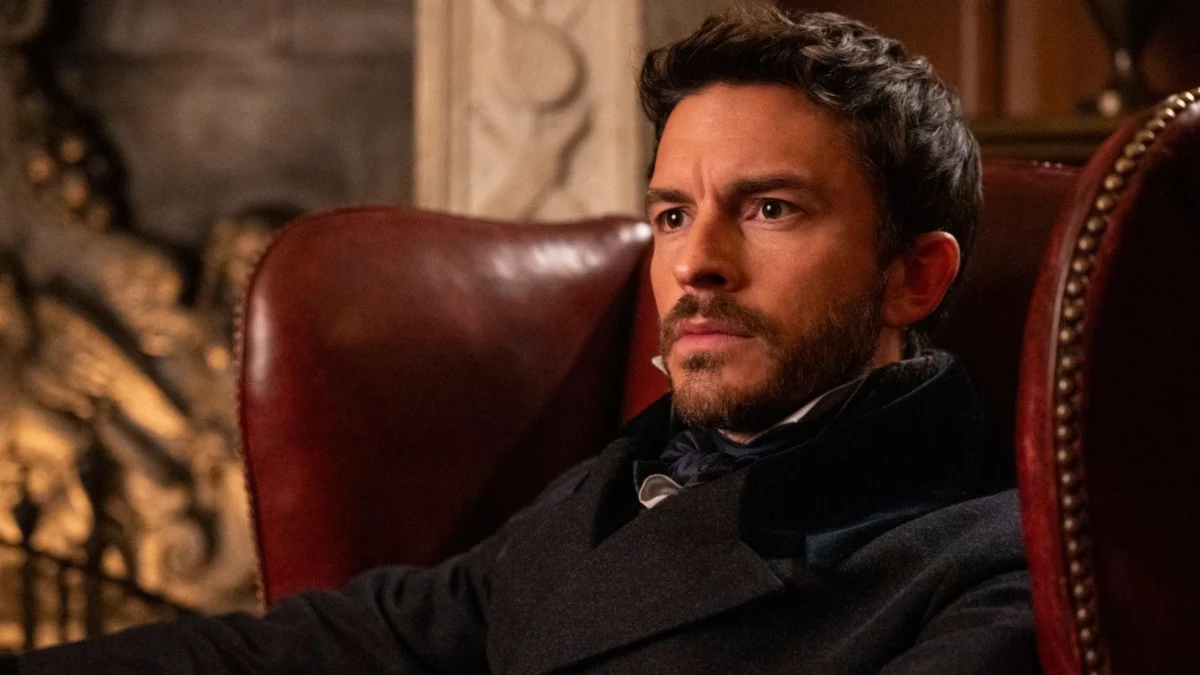
The streaming landscape of 2026 looks vastly different from the one that existed at the turn of the decade. In 2020, a single series—Bridgerton—shattered expectations and proved that the romance genre, long relegated to the "guilty pleasure" bin of network television, could be a primary driver of global subscriptions. However, as we move through the mid-2020s, the "Bridgerton Effect" has evolved. While the Shondaland juggernaut remains a cornerstone of Netflix’s programming, the monopoly it once held over the hearts and screens of romance enthusiasts has been challenged by a wave of diverse, modern, and high-budget adaptations from competing platforms.
The success of recent hits like Crave’s Heated Rivalry and Prime Video’s Off Campus signals a paradigm shift. The market is no longer content with just "Regency-core"; it demands a spectrum of romantic storytelling that spans from historical fantasy to contemporary sports drama.
Main Facts: The Shonda Rhimes Paradigm and the Birth of a Juggernaut
To understand the current state of the romance genre, one must look back at the strategic partnership between Netflix and Shonda Rhimes. Before Bridgerton, Rhimes was already a television deity. Her work on Grey’s Anatomy, Scandal, and How to Get Away with Murder for ABC defined the "appointment viewing" era of the 2000s and 2010s. When she signed a massive multi-year deal with Netflix in 2017, industry analysts were curious if her soapy, high-stakes storytelling would translate to a binge-watching format.
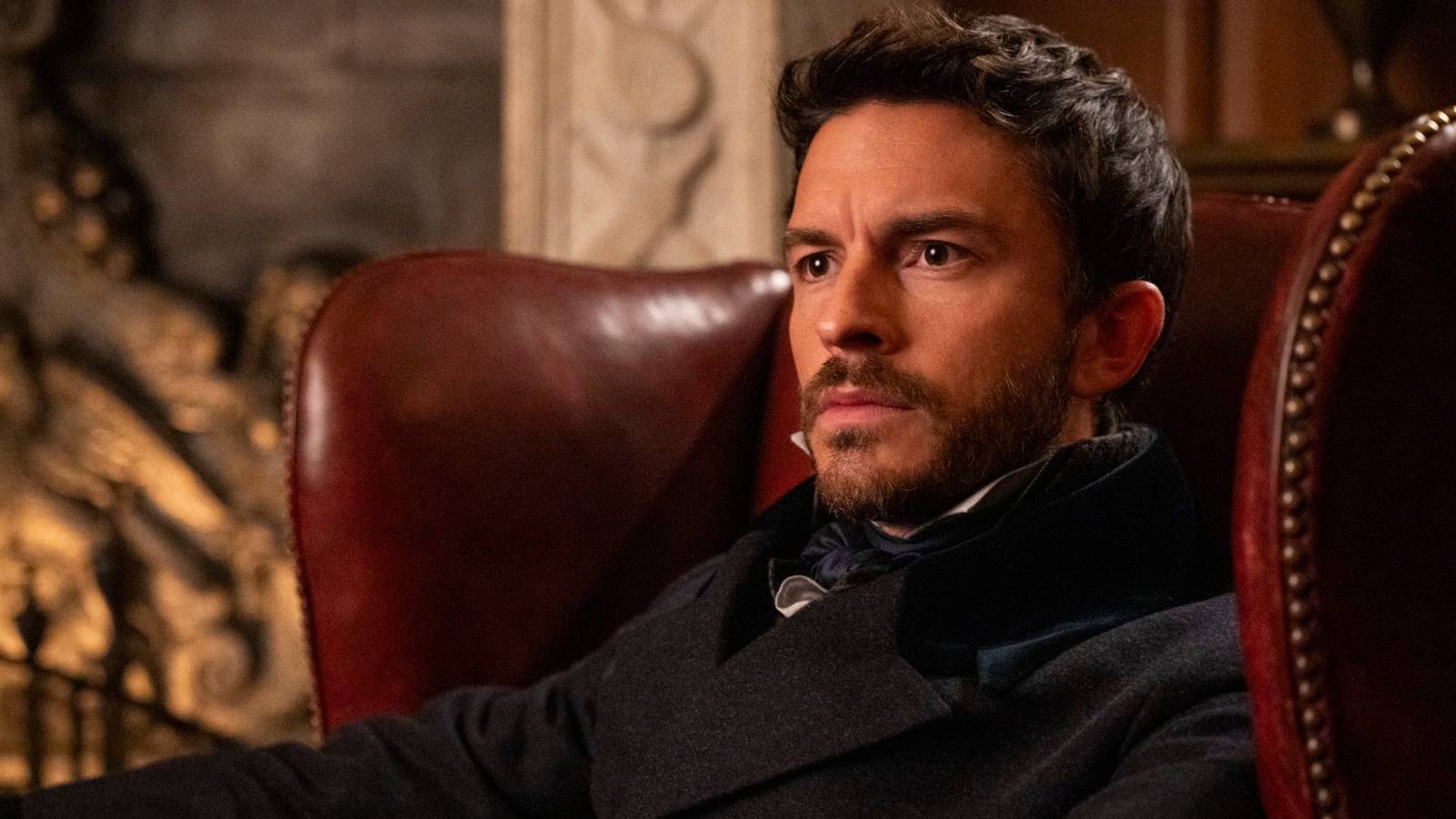
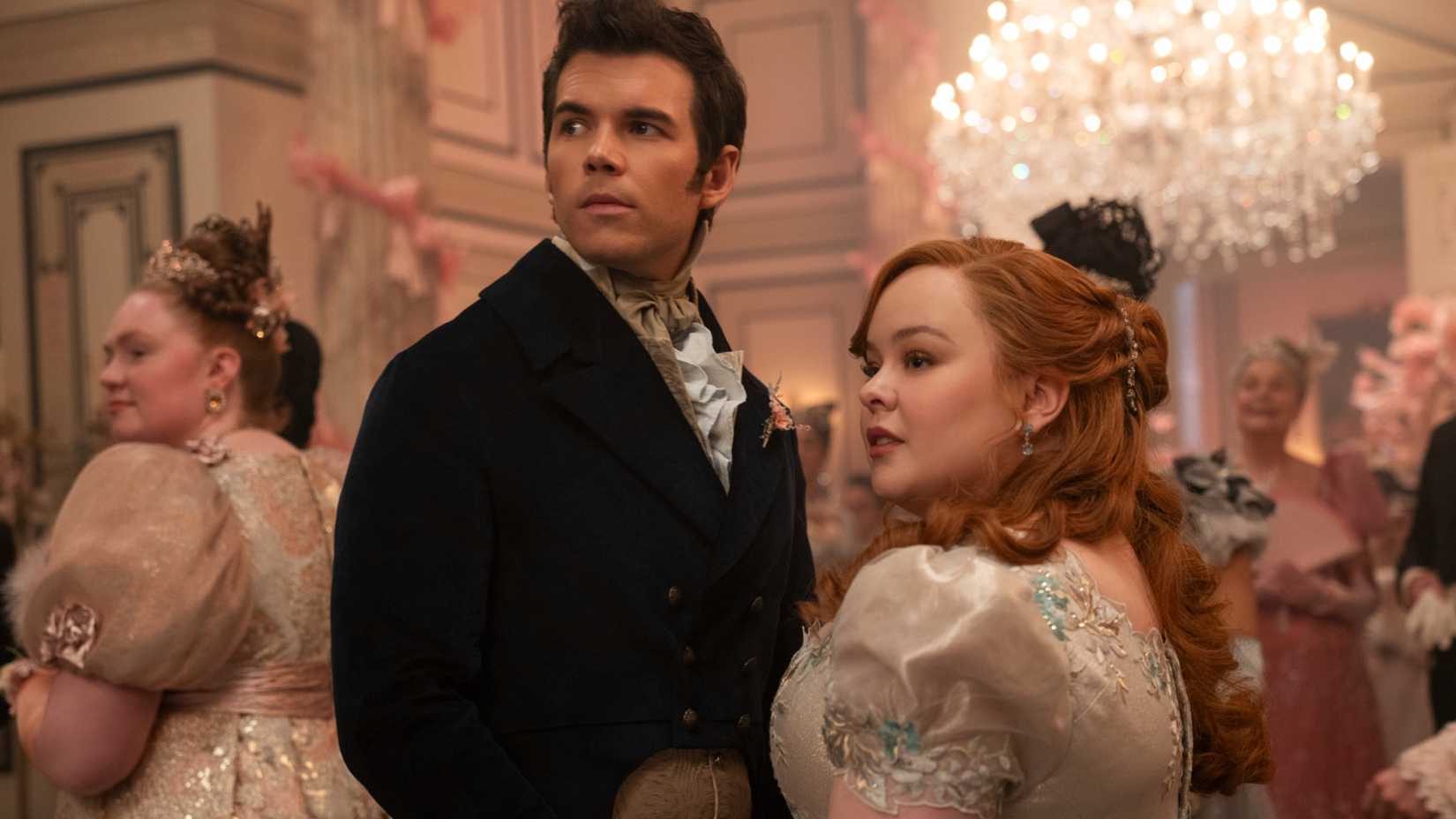
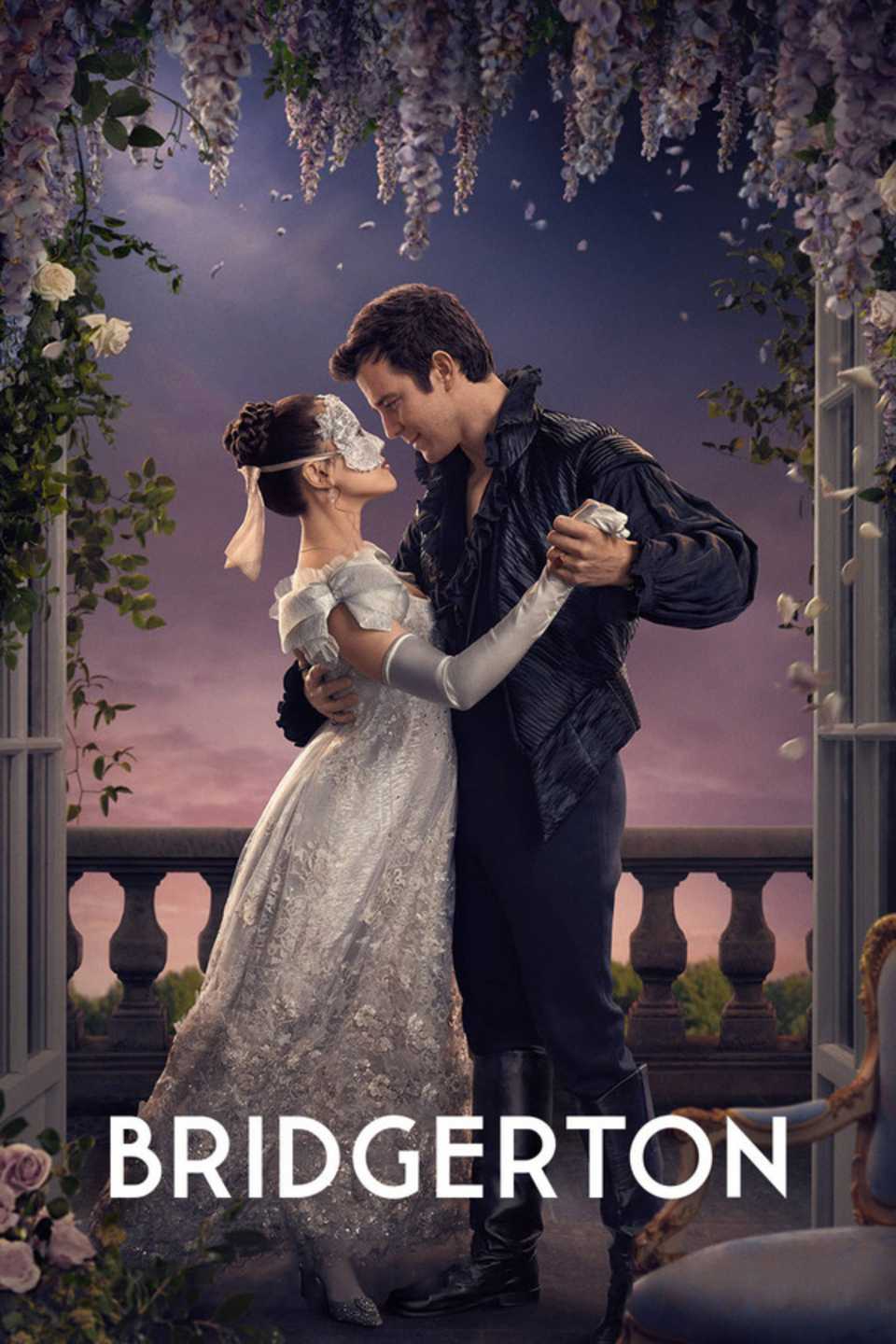
The answer arrived in late 2020 with the debut of Bridgerton. Based on the novels by Julia Quinn, the series did more than just adapt a book; it reinvented the period drama. By incorporating color-conscious casting, anachronistic pop covers (such as Vitamin String Quartet’s take on Ariana Grande), and an unabashedly R-rated approach to intimacy, Bridgerton became a cultural phenomenon. It wasn’t just a show; it was an aesthetic that birthed the "Regencycore" fashion trend and turned stars like Regé-Jean Page, Phoebe Dynevor, and Nicola Coughlan into household names.
The success was unprecedented. Within its first 28 days, the first season reached 82 million households. It proved that there was a massive, underserved audience for high-production-value romance—an audience that other streaming services were quick to chase.
Chronology: The Rise of the Romance Challengers (2021–2026)
The years following Bridgerton’s debut saw a flurry of activity as rival platforms attempted to replicate the formula.

2021–2023: The Historical Mimicry Phase
Immediately following the success of the first two seasons of Bridgerton, competitors looked to the literary archives for similar historical properties.
- Hulu leaned into the satirical with The Great, which, while successful, catered more to a dark comedy audience.
- Apple TV+ launched The Buccaneers, based on Edith Wharton’s unfinished novel, attempting to capture the same "modern-music-meets-corsets" energy.
- Prime Video experimented with My Lady Jane, an alternate-history romance that blended fantasy with the Tudor era.
While these shows found dedicated fanbases, they failed to achieve the "monoculture" status of Bridgerton. They were often viewed as "Bridgerton-lite," struggling to step out from the shadow of the Shondaland giant.
2024–2025: The Pivot to Contemporary and Sports Romance
By 2024, the industry realized that historical romance was only one slice of the pie. The "BookTok" phenomenon—a subcommunity on TikTok—had begun driving millions of sales for contemporary romance novels, particularly "sports romance" and "small-town romance."
In 2025, Crave broke the mold with Heated Rivalry. An adaptation of Rachel Reid’s beloved novel, the series followed the decade-long secret romance between two rival NHL players, Shane Hollander and Ilya Rozanov. The show was a critical and commercial smash, proving that male-male (M/M) romance had a massive mainstream appeal and that the "enemies-to-lovers" trope worked just as well on the ice as it did in a ballroom.
2026: The Diversified Landscape
As of mid-2026, the market has fully diversified. Prime Video has emerged as a major contender with its adaptation of Elle Kennedy’s Off Campus series. By focusing on college-age protagonists and the high-stakes world of competitive athletics, Prime Video successfully captured a younger demographic that found the Regency era too distant.
Supporting Data: The "Book-to-Screen" Pipeline
The shift in the romance genre is backed by staggering data from the publishing industry. According to 2025 market reports, romance remains the most profitable genre in fiction, generating over $1.5 billion in annual sales.

- The "BookTok" Influence: Titles featured prominently on social media platforms see an average sales increase of 400% within the first month of viral trending. This has created a "ready-made" audience for streamers.
- Retention Rates: Internal data from streaming services suggest that romance viewers have higher-than-average retention rates. Unlike sci-fi or action fans, who may subscribe for a single blockbuster and then cancel, romance fans often engage in "comfort rewatching," making them highly valuable to subscription-based models.
- Global Appeal: Bridgerton’s success in markets like Brazil, India, and South Africa showed that romantic tropes—specifically those involving social class and family duty—are universally understood, making these shows excellent candidates for international expansion.
Official Responses and Strategic Positioning
While Netflix does not typically release granular data on its internal strategies, the actions of its executives speak volumes. In a 2025 industry panel, Netflix’s Head of Global TV, Bela Bajaria, noted that the platform’s goal is to provide "something for every mood."
This philosophy is evident in how Netflix has hedged its bets. While Bridgerton remains their flagship, they have quietly dominated the "Comfort Romance" sector with Virgin River. Now in its eighth season, Virgin River serves a different demographic—those looking for low-stakes, emotional storytelling in a contemporary setting. By also hosting licensed content like the CW’s Sullivan’s Crossing, Netflix has ensured that even if a viewer tires of 19th-century London, they don’t have to leave the platform to find love.
Conversely, Prime Video has positioned itself as the home of the "Modern Bestseller." By securing the rights to Carley Fortune’s Every Year After and several Emily Henry novels (including People We Meet on Vacation), Amazon is betting on the "beach read" aesthetic—bright, contemporary, and emotionally resonant stories that feel grounded in the present day.
Implications: The Future of the Romance Genre on Screen
The "thawing" of Bridgerton’s monopoly has several major implications for the future of television:
1. Increased Diversity and Representation
The success of Heated Rivalry and the inclusive casting of Bridgerton have set a new standard. Audiences now expect—and demand—romance stories that reflect a wide array of identities, including LGBTQ+ romances and stories featuring protagonists of color. The "standard" heteronormative, Eurocentric romance is no longer the only path to a hit series.
2. The Death of the "Guilty Pleasure" Label
The high production values of these series—often costing upwards of $5 million to $10 million per episode—have effectively killed the idea that romance is "cheap" television. With A-list directors and award-winning costume designers attached to these projects, romance has earned its place at the "Prestige TV" table.

3. The Saturation Risk
As every streamer rushes to adapt the next viral TikTok book, the risk of "romance fatigue" grows. Just as the superhero genre faced "Marvel exhaustion," the romance genre must innovate to stay fresh. We are already seeing this with the blending of genres, such as romantic thrillers and supernatural romances, which aim to provide more than just a "happily ever after."
4. Netflix’s Resilience
Despite the rise of Prime Video and Crave, Netflix remains the leader in the clubhouse. Their ability to pivot from the historical grandiosity of Bridgerton to the cozy, small-town vibes of Virgin River demonstrates a sophisticated understanding of their audience’s psyche. They haven’t just built a show; they’ve built a romantic ecosystem.
As we look toward the late 2020s, the battle for the "hearts and minds" of viewers will only intensify. While Bridgerton may have been the spark that ignited the flame, the resulting fire has transformed the entire industry, proving that in the world of streaming, love is the most profitable business of all.