The Shadows Evolve: Inwigo Brings Cooperative Extraction Horror to Meta Quest
The landscape of virtual reality gaming has undergone a seismic shift in recent years, moving away from solitary, tech-demo-style experiences toward robust, socially driven ecosystems. One of the most significant emerging genres within this space is "extraction horror"—a high-stakes subgenre that blends the tension of survival horror with the "risk-versus-reward" mechanics of games like Escape from Tarkov.
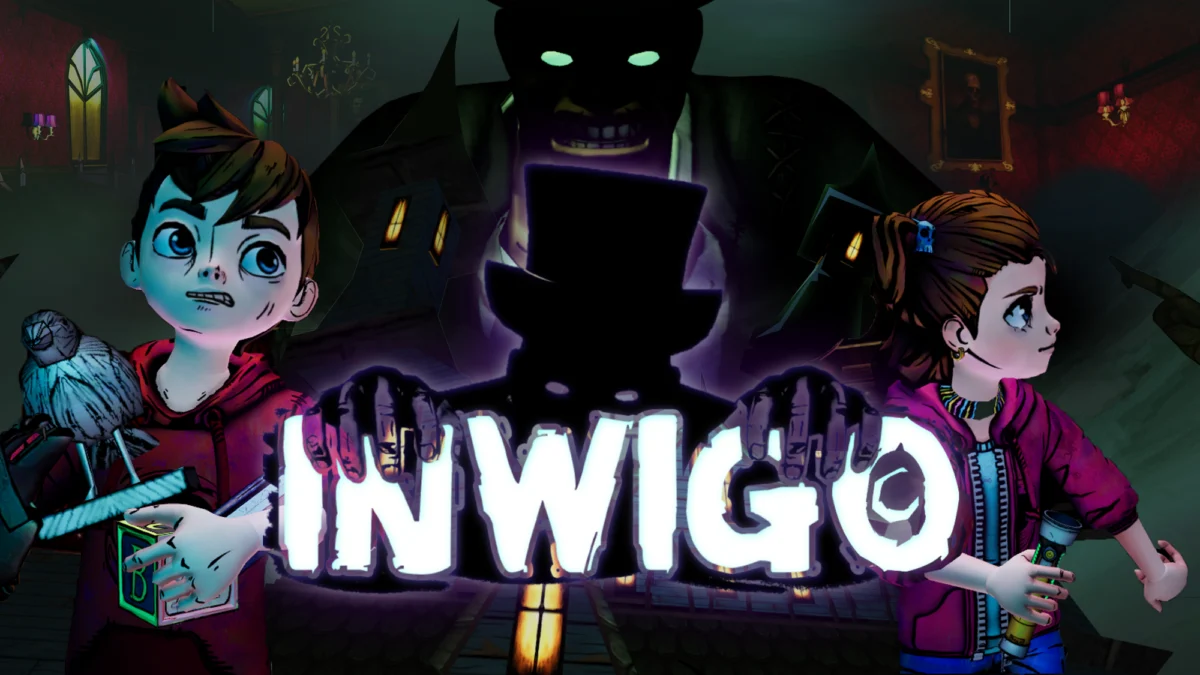
At the most recent VR Games Showcase, a new contender officially entered the fray. Inwigo, a free-to-play cooperative extraction horror title, has launched on the Meta Quest platform, promising to redefine how players interact with both the supernatural and each other in a standalone VR environment. Developed with a focus on replayability and atmospheric dread, Inwigo represents a bold step forward for the Meta Quest library, offering a sophisticated multiplayer experience at no initial cost to the consumer.
Main Facts: A New Era of Social Terror
Inwigo is designed as a multiplayer-first experience where players assume the roles of investigators or "extractors" tasked with infiltrating haunted mansions. The primary objective is twofold: uncover the secrets hidden within these shifting architectural nightmares and successfully escape with valuable treasures before the mansion’s supernatural inhabitants claim the team.
Core Gameplay Pillars
- Extraction Mechanics: In keeping with the genre’s tropes, the stakes are absolute. If a player fails to reach the extraction point, all loot, artifacts, and progress gathered during that specific run are lost. This creates a persistent sense of "gear fear" and tension that drives the decision-making process.
- Adaptive AI: The game features "adaptive monsters." Unlike traditional horror games that rely on scripted jump scares, Inwigo’s threats are designed to react to player behavior, movement, and noise, forcing teams to constantly evolve their strategies.
- Procedural Shuffling: To maintain longevity, the game shuffles the locations of treasures, secrets, and objective items within each mansion. No two runs are identical, ensuring that veteran players cannot simply memorize the layout to bypass the horror elements.
- Narrative-Driven Cooperation: While many extraction games focus purely on mechanics, Inwigo incorporates an interactive ghost story. Team choices and performance directly influence the unfolding narrative, making the cooperative element essential for both survival and story progression.
The game is currently available for the Meta Quest 2, Meta Quest 3, and Meta Quest Pro. While a SteamVR release is confirmed to be in development, the pricing structure for the PC version remains unannounced.
Chronology: From Playtests to Showcase Reveal
The journey of Inwigo from a niche indie project to a featured title at the VR Games Showcase is a testament to the power of community-driven development in the VR space.
The Alpha and Beta Phases
Before its official launch, Inwigo underwent a series of rigorous open playtests. These tests were crucial for the developers to calibrate the difficulty of the "adaptive monsters." Early feedback suggested that the balance between "stealth" and "action" needed fine-tuning to ensure that players felt vulnerable but not helpless. These playtests also allowed the team to stress-test the Meta Quest’s networking capabilities, ensuring that the four-player cooperative experience remained stable even during high-intensity encounters.
The VR Games Showcase Spotlight
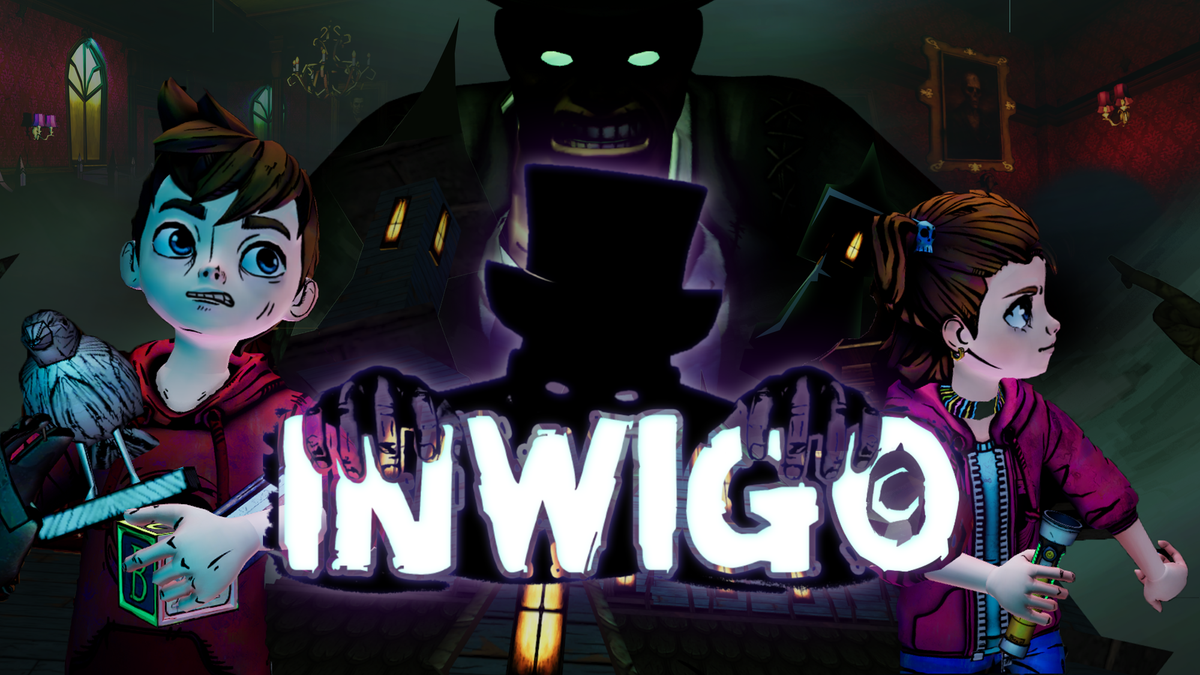
The official release coincided with the VR Games Showcase, an industry event dedicated to highlighting the most promising upcoming titles for virtual reality. The showcase featured a cinematic and gameplay trailer for Inwigo, highlighting the game’s distinct visual style—a blend of gothic atmosphere and modern investigative aesthetics. The trailer emphasized the "interactive ghost story" aspect, distinguishing it from more arcade-like VR horror titles.
Launch and Immediate Availability
Following the showcase presentation, Inwigo was immediately made available on the Meta Quest Store. This "shadow drop" strategy—releasing a game the same day it is featured in a major showcase—has become an effective way to capitalize on immediate hype, particularly for free-to-play titles where the barrier to entry is non-existent.
Supporting Data: The Rise of Standalone VR and Extraction Genres
To understand the potential impact of Inwigo, one must look at the broader trends within the gaming industry. The "Extraction" genre has seen a massive surge in popularity, spearheaded by titles like Hunt: Showdown and Lethal Company. The latter, in particular, proved that cooperative horror with a focus on "getting in and getting out" could become a viral sensation.
The Meta Quest Ecosystem
Meta has reported that social and multiplayer games are among the highest-retained titles on the Quest platform. By offering Inwigo as a free-to-play title, the developers are tapping into a massive install base of Meta Quest 2 and 3 users who are increasingly looking for "forever games"—titles they can play with friends repeatedly rather than one-off single-player experiences.
Technical Performance
Developing for standalone VR (where the processing happens on the headset rather than a PC) requires significant optimization. Inwigo utilizes foveated rendering and optimized lighting models to create the illusion of a high-fidelity "haunted mansion" without exceeding the thermal limits of the Quest’s mobile processor. The decision to use procedural shuffling rather than fully procedural architecture likely helped in maintaining a high level of visual detail while still providing the variety players crave.
Official Responses and Developer Philosophy
While specific quotes from the individual developers remain focused on the gameplay experience, the overarching philosophy behind Inwigo is clear: accessibility meets depth.
In promotional materials and developer logs associated with the VR Games Showcase, the team emphasized that "teamwork is the ultimate tool." They have noted that while the monsters are the primary antagonists, the real challenge lies in communication. VR provides a unique advantage here through spatial audio; players must whisper to avoid detection or shout to warn a teammate of an approaching threat, adding a layer of physical immersion that flat-screen games cannot replicate.
Regarding the "Free-to-Play" model, the developers have signaled a commitment to a fair ecosystem. While the game is free to download, it is expected that monetization will come through cosmetic enhancements or potentially "Mansion Packs" in the future, though the core "extraction" loop remains open to all players without a paywall.
Implications: What Inwigo Means for the Future of VR Horror
The release of Inwigo carries several implications for the VR industry and the horror genre at large.
1. The Validation of F2P in High-End VR
For a long time, the VR market was dominated by premium, paid experiences. Inwigo’s launch as a high-quality, free-to-play title suggests that the market has matured enough to support the "Games as a Service" (GaaS) model. If Inwigo succeeds in maintaining a large player base, it will likely pave the way for more "Extraction-style" games to adopt the F2P model on Meta Quest.
2. Social Presence as a Gameplay Mechanic
Inwigo leverages "social presence"—the feeling of actually being with others—to enhance horror. In a traditional horror game, you are alone. In Inwigo, you are with friends, but the game uses that connection against you. The threat of losing your loot combined with the responsibility of keeping your team alive creates a psychological weight that is unique to the extraction genre.
3. The Expansion of the "Horror-Lite" and "Hardcore Horror" Bridge
By offering a free entry point, Inwigo acts as a gateway. It is accessible enough for casual fans of "spooky" games but contains the "hardcore" extraction mechanics that satisfy competitive gamers. This "bridge" title could expand the demographic of VR users who engage with the horror genre.
4. Pressure on the SteamVR Release
The upcoming Steam release will be a critical litmus test. PCVR players typically demand higher graphical fidelity and more complex physics. The developers will need to ensure that the Steam version isn’t just a port of the Quest version but a genuine enhancement that utilizes the power of dedicated GPUs. Furthermore, the question of cross-play will be paramount; if Quest and PC players can haunt mansions together, Inwigo could become one of the most prominent cross-platform VR titles on the market.
Conclusion
Inwigo arrives at a pivotal moment for virtual reality. As hardware becomes more accessible and the software library moves toward deep, replayable multiplayer experiences, titles like this set the standard for what "free" should look like. By combining the high-stakes tension of extraction gameplay with the visceral immersion of VR horror, Inwigo is not just a game release; it is a signal that the next generation of social VR is here—and it’s terrifying.
As players begin to explore the mansions today, the ultimate question remains: will they prioritize the treasure, or will they prioritize each other? In the world of Inwigo, making the wrong choice means losing everything.