Starz Ventures into the Wilds of Romantasy with Lauren Palphreyman’s The Wolf King Adaptation
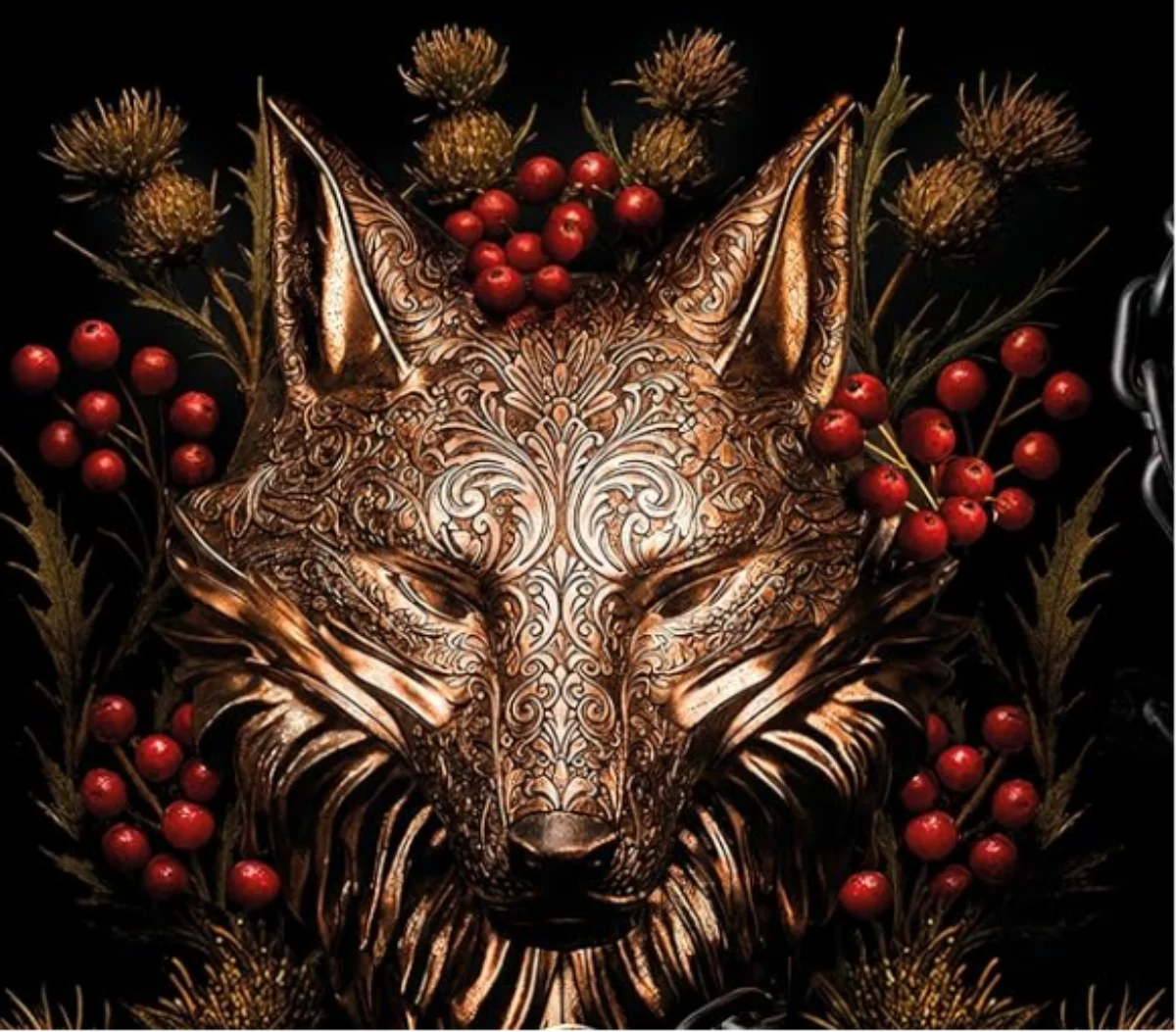
LOS ANGELES, CA – June 26, 2026 – Starz, known for its compelling and often genre-bending narratives, has officially announced the development of a television series based on Lauren Palphreyman’s wildly popular "The Wolf King" trilogy. The highly anticipated adaptation, which promises to bring the captivating world of forbidden attraction and supernatural conflict to the screen, will be helmed by acclaimed showrunner Tanya Saracho (Vida, How to Get Away With Murder), with author Lauren Palphreyman serving as an executive producer. This move signals Starz’s strategic embrace of the burgeoning "romantasy" genre, a category rapidly dominating publishing charts and now making significant inroads into television.
Main Facts: A Royal Captive and a Feral Heart
The core of Palphreyman’s The Wolf King trilogy, which includes two published novels and one forthcoming title, revolves around Princess Aurora, a young royal yearning to escape a predetermined future of an arranged marriage. Her life takes a dramatic turn when, on the eve of her wedding, she intervenes in a brutal dog fight featuring captive werewolves, inadvertently saving a young wolf and catching the attention of a formidable alpha. This alpha, upon his escape, kidnaps Aurora, transporting her to the untamed northern lands where warring werewolf clans are poised to unite.
The narrative quickly pivots from a tale of abduction to one of burgeoning, forbidden romance. As Aurora navigates the treacherous world of the werewolves, she discovers that not all wolves are the monsters she was taught to fear, and the alpha, in turn, finds that Aurora’s presence complicates not only his war against humans but also his relationships with allies and enemies within his own kind. The central conflict intensifies with a bloodthirsty war raging between humans and wolves, all while an undeniable passion blossoms between the princess and her captor. The series synopsis teases a profound question: "Will their story end in love? Or tragedy? And will Aurora ever get home? Does she even want to?"
This development positions The Wolf King as a key new addition to Starz’s programming slate, aiming to capture the hearts of viewers with its blend of high-stakes fantasy, political intrigue, and intense romantic drama. While no casting details or a production timeline have been released, the announcement has already ignited considerable excitement among the book’s dedicated fanbase and observers of the fantasy television landscape.
A Chronology of Success: From Indie Gem to Starz Series
Lauren Palphreyman’s journey with The Wolf King is a testament to the transformative power of independent publishing and the organic growth of a passionate readership. The series initially found its audience through Amazon’s self-publishing platform, a route that has increasingly become a launchpad for breakout literary talents in the digital age. Without the traditional gatekeepers of established publishing houses, Palphreyman cultivated a grassroots following drawn to her compelling storytelling and richly imagined world.
The independent success of The Wolf King did not go unnoticed. Its robust digital sales and fervent fan engagement eventually attracted the attention of traditional publishers. Bloom Books, a prominent U.S. publisher known for its success in the romance and fantasy genres, acquired the print rights for the series, bringing the books to a wider brick-and-mortar audience and further legitimizing Palphreyman’s work within the mainstream literary market. This transition from indie darling to traditionally published author marks a significant milestone, showcasing the evolving dynamics of the publishing industry where reader enthusiasm can directly influence commercial viability. International publishers also followed suit, expanding the book’s reach globally.
The culmination of this chronological ascent is the Starz adaptation. The network’s decision to greenlight The Wolf King for development underscores the increasing appetite for stories that have proven their mettle with readers first. Tanya Saracho’s enthusiastic endorsement further highlights the book’s intrinsic appeal. In a statement, Saracho revealed her deep connection to the source material: "This book has been my obsession since I first found it as an indie release over a year ago, and I’ve been lovingly championing it ever since." This personal connection from a seasoned showrunner suggests a commitment to preserving the essence of what made the books resonate so deeply with their original audience. The chronological progression of The Wolf King — from a self-published gem to a traditionally published series and now a major television adaptation — paints a vivid picture of a modern publishing success story.
The Narrative Core: Unpacking The Wolf King‘s Allure
At its heart, The Wolf King is a potent blend of classic fantasy tropes and contemporary romantic sensibilities, expertly crafted to captivate the "romantasy" audience. The narrative’s strength lies in its exploration of several compelling themes that resonate deeply with readers and promise rich material for a television adaptation.
Forbidden Attraction and Dynamic Character Arcs
The central pillar of the story is the "forbidden attraction" that blossoms between Princess Aurora and the alpha wolf who kidnaps her. This trope, a perennial favorite in romance and fantasy, is amplified by the inherent conflict between their species and their initial circumstances. Aurora’s journey is one of profound transformation; she is not merely a damsel in distress but a princess seeking agency, initially longing to escape an arranged marriage. Her abduction, while traumatic, ironically becomes a catalyst for her to discover her own strength and question her preconceived notions of "monsters."
The alpha wolf, too, is presented with a complex arc. He is not a one-dimensional villain but a leader embroiled in a war, driven by motives that extend beyond simple malice. His evolving relationship with Aurora challenges his own beliefs about humans and forces him to confront dangers from within his own ranks. This mutual evolution, where both protagonists are forced to reconsider their identities and allegiances in the face of an unexpected connection, is key to the series’ romantic appeal. The tension between their roles – captor and captive, human and wolf – and the growing emotional intimacy forms the engine of the narrative.
Political Intrigue and Societal Conflict
Beyond the romance, The Wolf King delves into a world fractured by deep-seated conflict between humans and werewolves. The synopsis hints at "warring werewolf clans beginning to unite" and a "bloodthirsty war between humans and wolves." This backdrop provides fertile ground for political intrigue, power struggles, and moral ambiguities. The alpha’s kidnapping of Aurora is driven by strategic objectives, seeing her as "the key to winning the war against the humans." This elevates the personal stakes of the romance, intertwining it with the fate of two warring species.
The phrase "monsters on both sides" is particularly poignant, suggesting a nuanced exploration of good and evil that transcends simple black-and-white morality. It implies that neither humans nor werewolves are entirely blameless or entirely monstrous, forcing characters and viewers alike to grapple with complex ethical dilemmas. This layered conflict, where external battles mirror internal struggles, is a hallmark of compelling fantasy.
Themes of Identity and Belonging
Aurora’s journey is also a quest for identity and belonging. Kidnapped and thrust into a new world, she must adapt, learn, and ultimately choose where her loyalties lie. The questions posed in the synopsis – "And will Aurora ever get home? Does she even want to?" – speak to a fundamental human desire for self-determination. Her potential decision to embrace a life with the wolves, despite her royal human lineage, would be a powerful statement on forging one’s own destiny rather than adhering to societal expectations.
These rich narrative elements — the intensity of forbidden love, the complexity of political warfare, and the personal odyssey of self-discovery — collectively form the bedrock of The Wolf King‘s allure, making it a prime candidate for a visually stunning and emotionally resonant television adaptation.
Supporting Data: The Romantasy Phenomenon and Starz’s Strategic Move
The decision by Starz to adapt The Wolf King is not an isolated event but a clear reflection of a major paradigm shift in entertainment: the undeniable rise of the "romantasy" genre. This hybrid category, blending the intricate world-building and magical elements of fantasy with the passionate emotional arcs of romance, has exploded in popularity in recent years, first dominating book sales and now capturing the attention of major studios and streaming platforms.
The Romantasy Tidal Wave
Books like Sarah J. Maas’s A Court of Thorns and Roses series, Rebecca Yarros’s Fourth Wing, and Jennifer L. Armentrout’s "From Blood and Ash" have become cultural phenomena, selling millions of copies and cultivating fiercely loyal fanbases. These readers, predominantly but not exclusively female, are eager for adaptations that honor the genre’s blend of epic adventure, intricate political landscapes, and high-stakes romance. While A Court of Thorns and Roses has been in development at Hulu, and other properties are being eyed, the market remains ripe for new contenders. The success of The Wolf King as an indie publication, prior to its traditional publishing deal, is further evidence of this deep and widespread demand, demonstrating that audiences are actively seeking out these narratives.
The appeal of romantasy lies in its ability to offer escapism coupled with relatable emotional journeys. It empowers female protagonists, explores complex power dynamics, and often features morally gray characters, all within a fantastical setting that allows for limitless creativity. For television networks, tapping into this pre-existing, highly engaged fanbase offers a significant advantage in a competitive streaming landscape.
Starz’s Proven Track Record
Starz is particularly well-positioned to capitalize on the romantasy trend due to its established reputation for delivering successful, female-skewing, and often period or fantasy-adjacent dramas with strong romantic elements. The network’s flagship series, Outlander, based on Diana Gabaldon’s hugely popular historical fantasy novels, is a prime example. Outlander masterfully blends time travel, historical drama, war, and an enduring, passionate romance, garnering a dedicated global following. Similarly, Starz has explored historical fiction with a focus on powerful women and intricate relationships in series like The White Queen, The White Princess, and The Spanish Princess.
By developing The Wolf King, Starz is not only diversifying its fantasy offerings but also strategically aligning with a proven market demand. The network understands how to build worlds, develop complex character relationships, and create emotionally resonant narratives that appeal to a demographic hungry for such stories. Tanya Saracho’s involvement further solidifies this strategy; her work on Vida, which explored complex family dynamics and identity within a specific cultural context, suggests an ability to imbue The Wolf King with depth and nuance beyond its fantastical premise. This adaptation, therefore, represents a calculated and promising move for Starz to expand its influence within the lucrative and rapidly growing romantasy genre.
Official Responses and Creative Vision
The announcement of The Wolf King adaptation has been met with significant enthusiasm, particularly concerning the involvement of both the acclaimed showrunner Tanya Saracho and author Lauren Palphreyman. Their combined creative vision is expected to bring authenticity and depth to the series.
Tanya Saracho: A Visionary Showrunner
Tanya Saracho’s attachment to The Wolf King is a strong indicator of the show’s potential for nuanced storytelling and compelling character development. Saracho is celebrated for her work as the creator and showrunner of the Starz series Vida, which garnered critical acclaim for its authentic portrayal of Latinx culture, complex family relationships, and exploration of identity and sexuality. Her writing on How to Get Away With Murder also showcased her ability to craft intricate plots and delve into morally ambiguous characters.
Saracho’s statement about her "obsession" with The Wolf King since its indie release speaks volumes about her personal investment in the material. This kind of passion from a showrunner is often a harbinger of a truly dedicated and faithful adaptation. Her background suggests that while the series will undoubtedly lean into its romantic and fantastical elements, it will likely also explore deeper themes of cultural clash, belonging, and the complexities of power dynamics, much like she did with the social and familial intricacies in Vida. Her expertise in crafting character-driven narratives means that Princess Aurora and the alpha wolf will likely be portrayed with multifaceted personalities, their motivations and internal conflicts given ample screen time.
Lauren Palphreyman: Guarding the Source Material
The inclusion of Lauren Palphreyman as an executive producer is a critical factor for the fanbase and the overall integrity of the adaptation. In an era where book-to-screen adaptations can often stray significantly from their source material, an author’s direct involvement typically signals a commitment to fidelity. As the creator of the world and characters, Palphreyman’s presence ensures that the spirit, tone, and crucial plot points of her beloved trilogy will be respected and translated authentically to the screen.
Her role as executive producer will likely involve advising on script development, casting choices, and overall creative direction, providing a crucial bridge between the literary vision and the cinematic execution. For fans who have cherished The Wolf King in its original form, Palphreyman’s direct participation offers reassurance that their beloved story is in capable and caring hands, aiming to deliver an adaptation that resonates with both existing readers and new viewers alike. The synergy between Saracho’s proven track record for complex storytelling and Palphreyman’s intimate knowledge of her creation bodes well for a television series that is both entertaining and deeply resonant.
Implications for the Genre and Future Production
The development of The Wolf King at Starz carries significant implications, not only for Lauren Palphreyman’s career and the future of her series but also for the broader landscape of the romantasy genre and television production.
Further Legitimacy for Romantasy and Indie Authors
This adaptation is a powerful validation of the romantasy genre’s commercial and artistic merit. With a major network like Starz investing in a property that originated as an indie release, it sends a clear message to the industry: these stories are not niche, but rather mainstream phenomena with immense potential. This legitimization will likely encourage more studios to actively seek out similar titles, leading to an even greater influx of romantasy adaptations in the coming years.
Furthermore, Palphreyman’s trajectory from self-published author to traditionally published sensation and now an executive producer on a network television series is an inspiring blueprint for independent authors. It highlights the power of direct audience engagement and organic growth in carving out a path to significant media deals, offering hope and a tangible example for aspiring writers in the digital age.
Production Challenges and Opportunities
While the potential is high, adapting a fantasy series with werewolves and a complex world carries inherent production challenges. Creating believable werewolf transformations and action sequences will require significant investment in visual effects (VFX) and practical effects. The success of the series will heavily depend on how effectively these fantastical elements are brought to life without sacrificing the emotional core of the story.
Casting will also be crucial. The chemistry between Princess Aurora and the alpha wolf will need to be palpable to carry the weight of the forbidden romance. Finding actors who can embody both the vulnerability and strength of their characters, while also conveying the deep emotional connection, will be paramount. The diverse world of warring human and werewolf clans also presents an opportunity for rich world-building, costume design, and production design that can visually immerse viewers in Palphreyman’s universe.
Anticipation and Future Outlook
For the existing fanbase of The Wolf King, the anticipation for this adaptation will be immense. They will be keen to see their beloved characters and world faithfully rendered, and any deviation from the source material will be met with close scrutiny. The challenge for Saracho and her team will be to satisfy these loyal readers while also crafting a narrative that stands on its own and appeals to a new, broader audience unfamiliar with the books.
Looking ahead, if The Wolf King proves to be a success, it could pave the way for adaptations of Palphreyman’s sequels, ensuring a multi-season run for the series. More broadly, it will reinforce Starz’s position as a destination for high-quality, female-centric fantasy and romance, potentially attracting other popular romantasy properties to its platform. As the lines between literary genres and screen adaptations continue to blur, The Wolf King‘s journey to television promises to be a captivating chapter in the evolving story of fantasy entertainment.