The Unlikely Kinship: Parker and Conan, Barbarians in Different Worlds
By [Your Name/Publication Name, if desired, or "Staff Writer"]
The literary landscape is vast, populated by heroes and villains, paragons of virtue, and figures of shadowy intent. Yet, sometimes, an unexpected parallel emerges, revealing a surprising kinship between characters seemingly worlds apart. Such is the case with Donald E. Westlake’s ruthless master criminal, Parker, writing under the pseudonym Richard Stark, and Robert E. Howard’s iconic Cimmerian warrior, Conan the Barbarian. While one navigates the labyrinthine underworld of mid-20th-century America and the other cleaves through the Hyborian Age with steel and brawn, a closer examination reveals a profound shared philosophy, a deep-seated disdain for civilization, and an unwavering, almost primal, competence that resonates across genres.
This article delves into the fascinating similarities that bridge the gap between hardboiled crime fiction and classic sword-and-sorcery, arguing that Parker is, in essence, a modern-day barbarian, a spiritual descendant of Conan, thriving in a world he fundamentally rejects.
The Uncivilized Soul: Rejection of Societal Norms
At the core of the shared identity of Parker and Conan lies their profound alienation from and active rejection of conventional civilization. Neither character seeks to integrate; rather, they exist on the fringes, exploiting societal structures when convenient but never submitting to their rules.
Conan’s Primal Disdain:
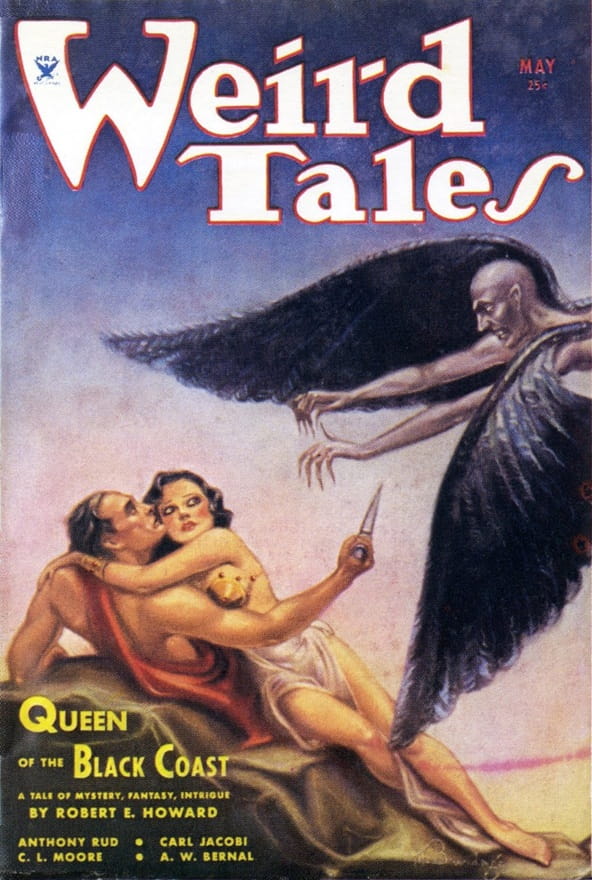
Robert E. Howard, the visionary creator of Conan, held strong, often cynical views on civilization, frequently portraying it as a decadent, corrupting force that stifled natural strength and honesty. He imbued these convictions into his Cimmerian hero, who famously declared in "Queen of the Black Coast," "By Crom, though I’ve spent considerable time among you civilized peoples, your ways are still beyond my comprehension." This isn’t merely a statement of cultural unfamiliarity; it’s a philosophical stance. For Conan, "civilized" often equates to weakness, deceit, and indirect aggression.
Howard’s barbarians, in contrast, are depicted as straightforward. A conflict between two "civilized" individuals might involve backstabbing, rumour-mongering, or subtle poisons. Between two barbarians, it’s a direct, face-to-face duel, a test of strength and skill. There is an honesty in their brutality that the duplicity of urban life lacks. This perspective positions Conan not merely as an outsider, but as a moral critic of the societies he encounters, even as he plunders them. He represents a primal purity, untainted by the complex hypocrisies of city-dwellers.
Parker’s Calculated Apathy:
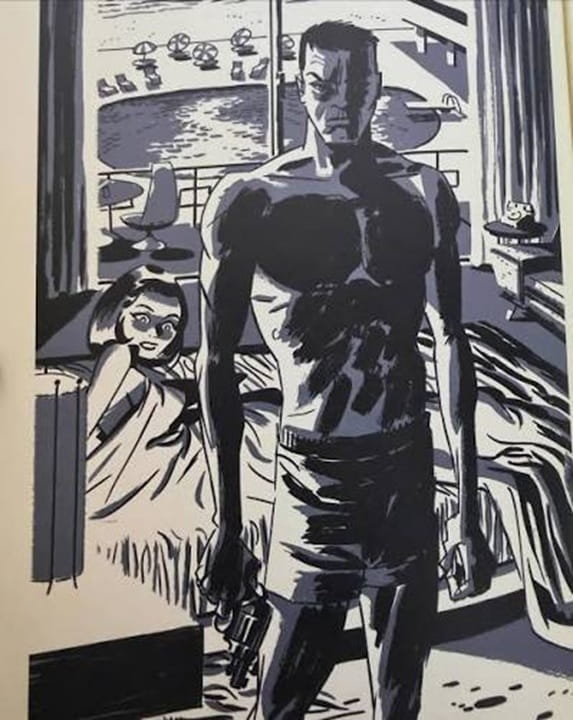
Parker, though operating in a world of concrete and chrome, exhibits an equally profound, albeit more chillingly pragmatic, detachment from civilization. He doesn’t rail against society with Conan’s boisterous pronouncements; instead, he simply operates outside of it, treating its laws and norms as mere obstacles to be circumvented. He is not a moral rebel, but an amoral professional.
As explored in the previous installment of this series, Parker is a master thief and heist planner, a man whose entire existence is predicated on breaking societal rules for personal gain. His indifference to human connection, beyond its utility, is stark. An illustrative moment recounted in Westlake’s novels describes Parker visiting an elderly acquaintance for information. While she chatters about old times, Parker meticulously tunes her out, offering only perfunctory sounds of agreement. This isn’t out of malice, but pure efficiency: keeping her happy makes it easier to extract the necessary information. Her feelings, her memories, her very humanity are irrelevant to his objective.
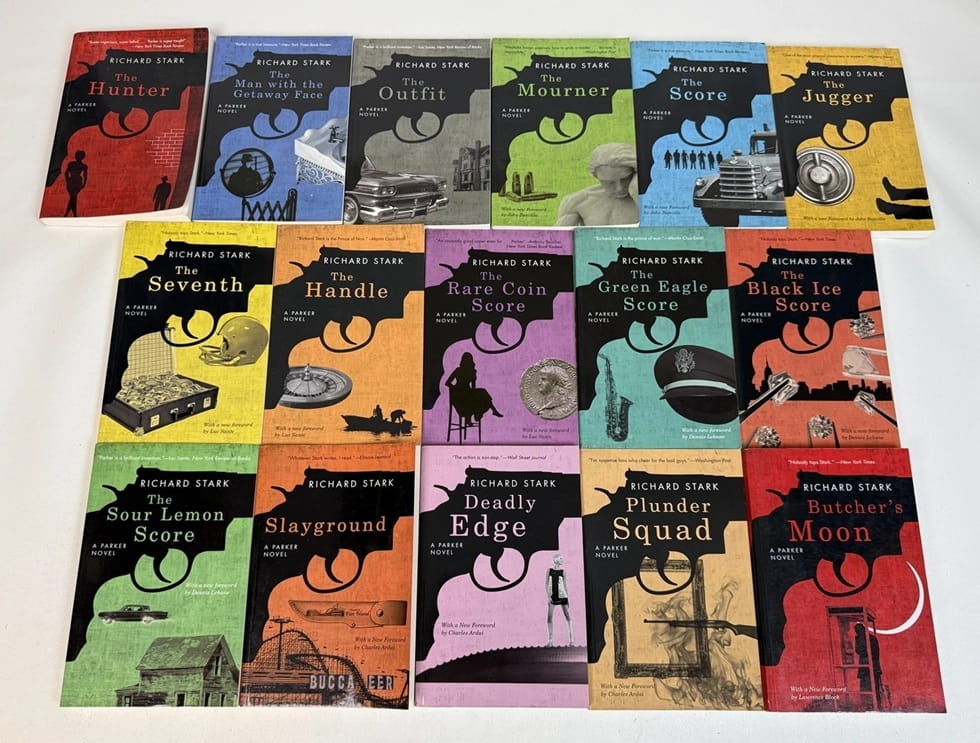
Both men, in their respective eras, radiate an uncomfortable intensity. People instinctively sense that these are not individuals to be trifled with, that they operate on a different wavelength. They are sharks in a pond designed for goldfish, their discomfort with the mundane rules of society palpable, a constant undercurrent of potential violence. They occasionally "pass" as ordinary citizens for a job, but the masquerade is always temporary, a thin veneer over an untamed core.
Masters of the Craft: The Allure of Competence
The enduring appeal of both Parker and Conan owes much to their supreme, almost mythical, competence. They are exemplars of what literary critics sometimes term "competence porn"—the sheer satisfaction derived from watching someone who is exceptionally skilled at their chosen craft execute their work flawlessly, regardless of the morality of their actions.
Conan’s Multitude of Skills:
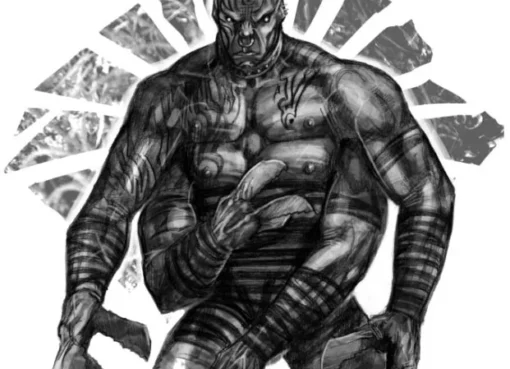
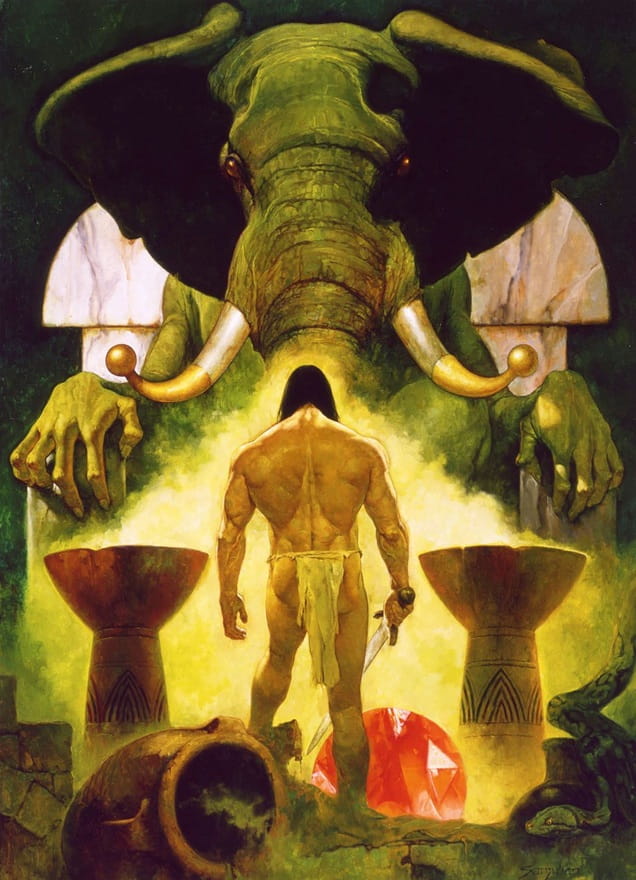
Conan’s competence manifests in a spectacular array of talents. He is, first and foremost, a peerless warrior, capable of felling multiple opponents with sword, axe, or bare hands. His physical prowess is legendary, but his cunning and strategic mind are equally formidable. Early in his career, as depicted in stories like "The Tower of the Elephant" and "The God in the Bowl," Conan is indeed a thief, newly arrived in civilized lands. He navigates complex traps, outsmarts guards, and executes daring infiltrations, often forming makeshift "heist strings" with other criminals. Even then, his leadership and sheer force of will make him the undisputed boss, or at least the one who cannot be bossed.
Conan’s later career sees him transition from thief to mercenary, pirate, general, and eventually king. In every role, he demonstrates an unparalleled ability to adapt, to learn, and to dominate. Whether commanding a legion or steering a pirate ship, his actions are decisive, effective, and often brutally efficient. He trusts his own judgment above all else, and his belief in his interpretation of the world is absolute.
Parker’s Criminal Genius:
Parker’s competence is more specialized, yet equally profound. He is the consummate professional criminal, a master of planning, execution, and improvisation. His heists are intricate ballets of precision, requiring meticulous foresight, careful selection of personnel, and an unflinching willingness to eliminate any variable that threatens the operation. Westlake’s narratives often detail the mechanics of Parker’s crimes with a workmanlike precision, showcasing the intelligence and practicality behind his ruthless methods.
As Westlake himself observed, "It’s true his job is a dramatic one, but it’s still a job. The only way somebody’s going to be interested in watching a guy take the hinges off a door is if there’s $100,000 on the other side." This encapsulates the essence of Parker’s appeal: we are drawn to his unwavering focus, his problem-solving acumen, and his unyielding resolve. Like Conan, Parker doesn’t seek violence, but it is an ever-present tool in his kit, deployed with ruthless professionalism when necessary. He moves with a predatory grace, often described in animalistic terms—a shark, a wolf, a panther—his hands alone capable of instilling terror in hardened criminals. His physical presence, though perhaps lacking Conan’s sheer bulk, is nonetheless formidable, projecting an aura of danger and capability.
Both characters operate on an intrinsic sense of how the world works, an internal logic that guides their every action. There is no moral equivocation, no hesitation. This clarity of purpose, combined with their extraordinary abilities, makes them incredibly compelling figures, whether they are plundering a temple or cracking a safe.
The Ties That Bind: Women and the Untamed Spirit
While both Parker and Conan are defined by their rugged individualism and resistance to societal norms, an interesting commonality emerges in their relationships with women: despite their untamed natures, both eventually find a measure of "taming" through a significant female partner.
Conan’s Romantic Entanglements and Zenobia:
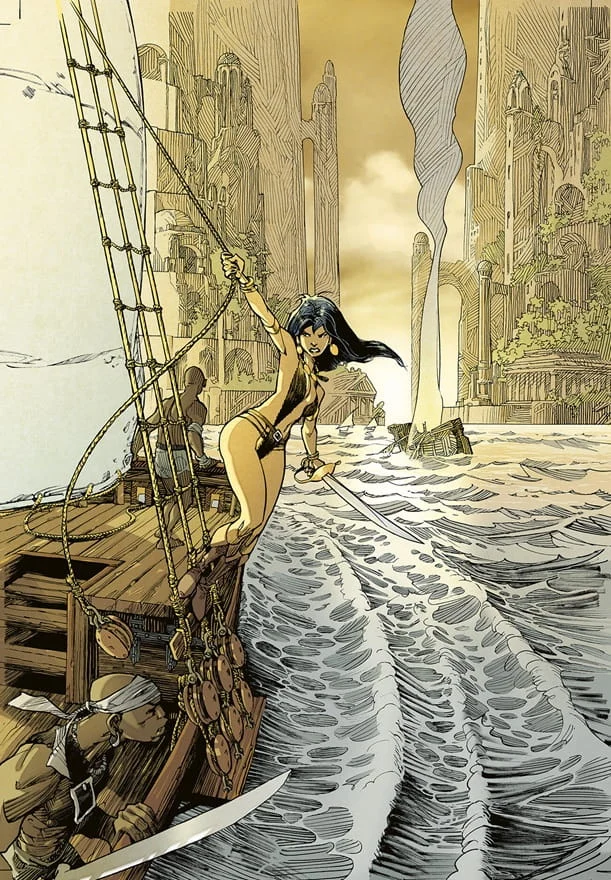
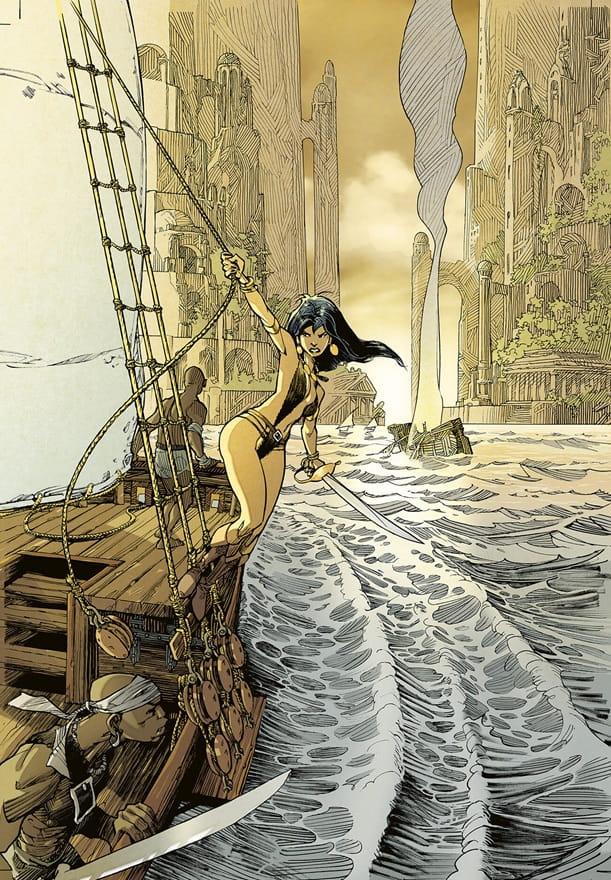
Conan’s life is replete with passionate, often fleeting, relationships. From pirate queens like Bêlit, with whom he shared a deep, almost spiritual bond, to countless tavern wenches and damsels in distress, Conan is undeniably a man of strong appetites. His interactions with women are typically direct, forceful, and often driven by immediate desire or circumstance. He is less discriminating than Parker, rarely turning down a beautiful woman.
However, the narrative arc of Conan’s life culminates in his kingship of Aquilonia and his marriage to Zenobia. This union represents a significant shift from his nomadic, chaotic existence. While he remains Conan, the Cimmerian king must embrace a level of responsibility and stability previously foreign to him. Zenobia, through her strength and devotion, provides an anchor, transforming the roving barbarian into a ruler with a kingdom and a family. It’s not a complete domestication, but a profound compromise for a man who once scorned all thrones and crowns.
Parker’s Progression to Claire:
Parker’s romantic life begins with a similar transactional quality. In his debut novel, The Hunter, he is briefly married, but this union is quickly revealed to be a mere convenience, dissolving with typical Parkerian ruthlessness when it no longer serves his purpose. For much of his career, Parker’s interactions with women are post-job releases, a subconscious celebration of a task accomplished, devoid of deep emotional attachment.
Yet, over the course of the Parker series, a gradual evolution occurs. He eventually settles into a long-term, almost monogamous, relationship with Claire. While the nature of their bond is never sentimentalized, Claire becomes a constant in Parker’s turbulent life. She understands him, accepts his profession, and provides a stable base from which he operates. By the end of the series, in Dirty Money, Parker and Claire are living together, a form of domesticity for the man who once shunned all emotional entanglement. This "taming" for Parker isn’t about becoming a "straight" citizen, but about finding a partner who fits into his unique, amoral world, providing a rare human connection without demanding a change in his core identity.
In both cases, these fiercely independent, anti-social figures find a measure of stability and connection that, while not entirely conventional, profoundly alters their trajectory. They remain true to their core barbarian/criminal identities but integrate a personal bond that subtly shapes their existence.
Beyond the Archetype: Distinctions and Enduring Legacies
While the parallels are striking, it is also important to acknowledge their distinctions. Conan visibly ages throughout his sagas, transitioning from a young thief to a seasoned warrior, and finally to an aging king. Parker, conversely, is largely ageless, a perpetual force of nature who exists in a timeless criminal underworld, much like a comic book superhero whose chronology is fluid. This difference highlights the genre conventions: sword-and-sorcery often allows for epic scope and character development over decades, while hardboiled crime often prefers a more static, archetypal protagonist.
Despite these differences, the creators of both characters, Robert E. Howard and Donald E. Westlake (as Richard Stark), shared a profound respect for competence and a skepticism towards the institutions of society. It is easy to imagine Howard admiring Parker’s brutal efficiency and Westlake appreciating Conan’s raw, unvarnished power. They both crafted protagonists who, as consummate outsiders, navigate alien societies through sheer force of will and unmatched capability.
The enduring appeal of Parker and Conan lies in their uncompromising nature and their unwavering self-reliance. They represent a fantasy of ultimate freedom, unbound by social contract or conventional morality, where personal ability dictates survival and success. Their stories are a testament to the power of the individual against the indifferent or corrupt forces of the world. They tap into a primal human fascination with mastery—the desire to see someone, anyone, be exceptionally good at what they do, even if that "what" involves heists or head-cleaving.
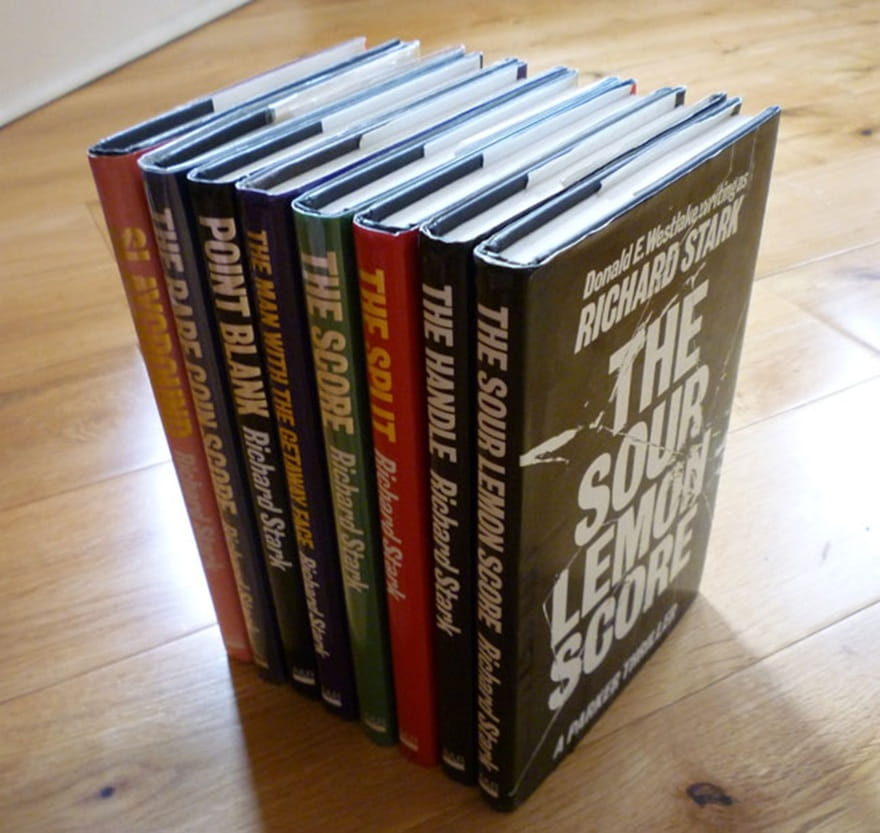
As Van Allen Plexico, a multi-award-winning author and Pulp Grandmaster, aptly notes, "Consummate outsiders, they both cruise along in societies that are alien to them, and only their supreme competence gets them safely through to the end." Plexico’s own Harper & Salsa crime series, set in the Sixties and echoing the flavor of the Parker books, demonstrates the continued resonance of this archetype in contemporary pulp fiction.
Conclusion
The comparison between Donald E. Westlake’s Parker and Robert E. Howard’s Conan the Barbarian might initially seem incongruous, spanning disparate genres and eras. Yet, beneath the surface, a compelling shared ethos emerges. Both are figures of immense competence, fundamentally at odds with the civilizations they inhabit, and ultimately, both find a form of grounding through relationships with women. They are the ultimate outsiders, navigating their worlds with an internal moral compass and an unwavering belief in their own capabilities.
Whether brandishing a sword in the Hyborian Age or meticulously planning a bank heist in the 20th century, Parker and Conan stand as powerful archetypes of the untamed spirit. Their stories continue to captivate readers precisely because they embody a fantasy of pure, unadulterated competence and a defiant independence that resonates deeply, reminding us that sometimes, the most compelling heroes (or anti-heroes) are those who refuse to play by anyone else’s rules.