
A Cryptic Conundrum Emerges: "City of Six Moons" Redefines Board Game Rules Through Alien Linguistics
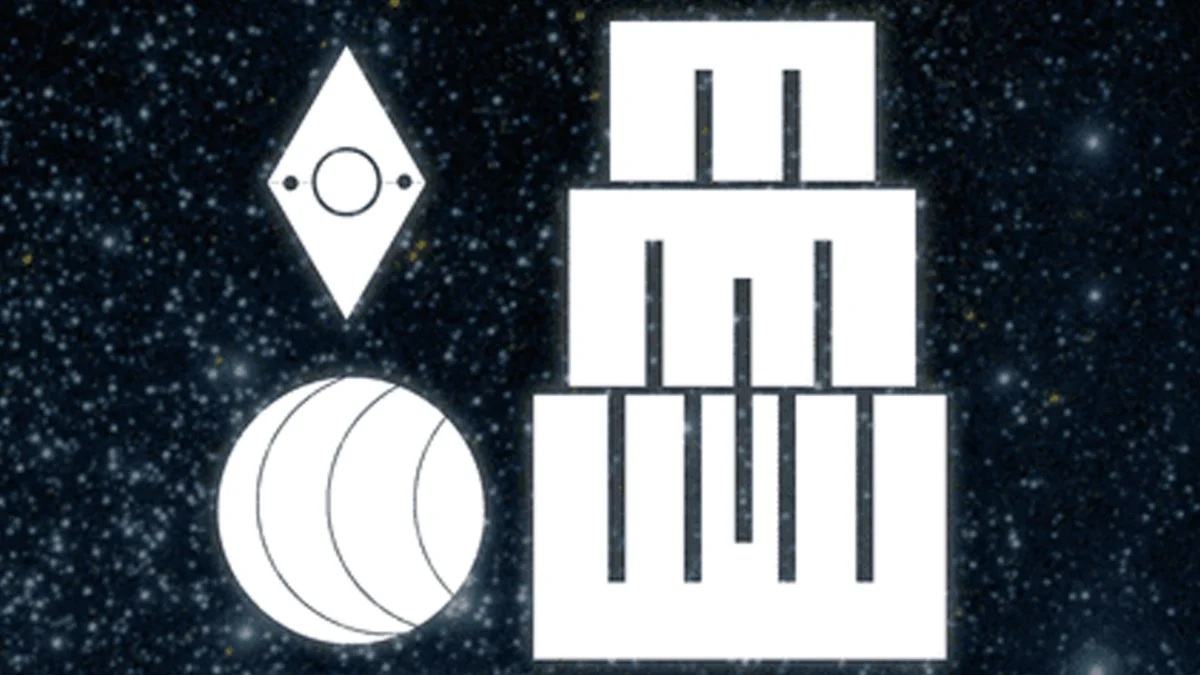
In an audacious move that promises to challenge the very definition of a board game, upcoming solo title "City of Six Moons" is poised to launch players into an unprecedented linguistic and strategic odyssey. Designed by Amabel Holland and published by Hollandspiele, this unique experience eschews traditional rulebooks entirely, presenting its instructions in an alien language composed solely of icons, glyphs, and symbols. The ultimate kicker? Players will never definitively know if their translation is perfectly correct, and the designer herself has explicitly stated she will offer no clarification. This bold experiment thrusts players into the dual role of cryptographer and strategist, transforming the act of learning the game into an integral, and perhaps the most profound, part of the gameplay itself.
The Unveiling of "City of Six Moons": A Game Beyond Language
The announcement of "City of Six Moons" has sent ripples of intrigue and anticipation through the board gaming community. At its core, the title is described as a single-player experience where players are tasked with guiding the fortunes of an alien civilization. However, what immediately sets it apart is designer Amabel Holland’s radical conceptualization: the game is not merely about an alien civilization, but is designed as if it were actually made by an alien civilization in real life. This philosophical stance underpins the game’s most distinguishing feature – a rulebook entirely devoid of human language.
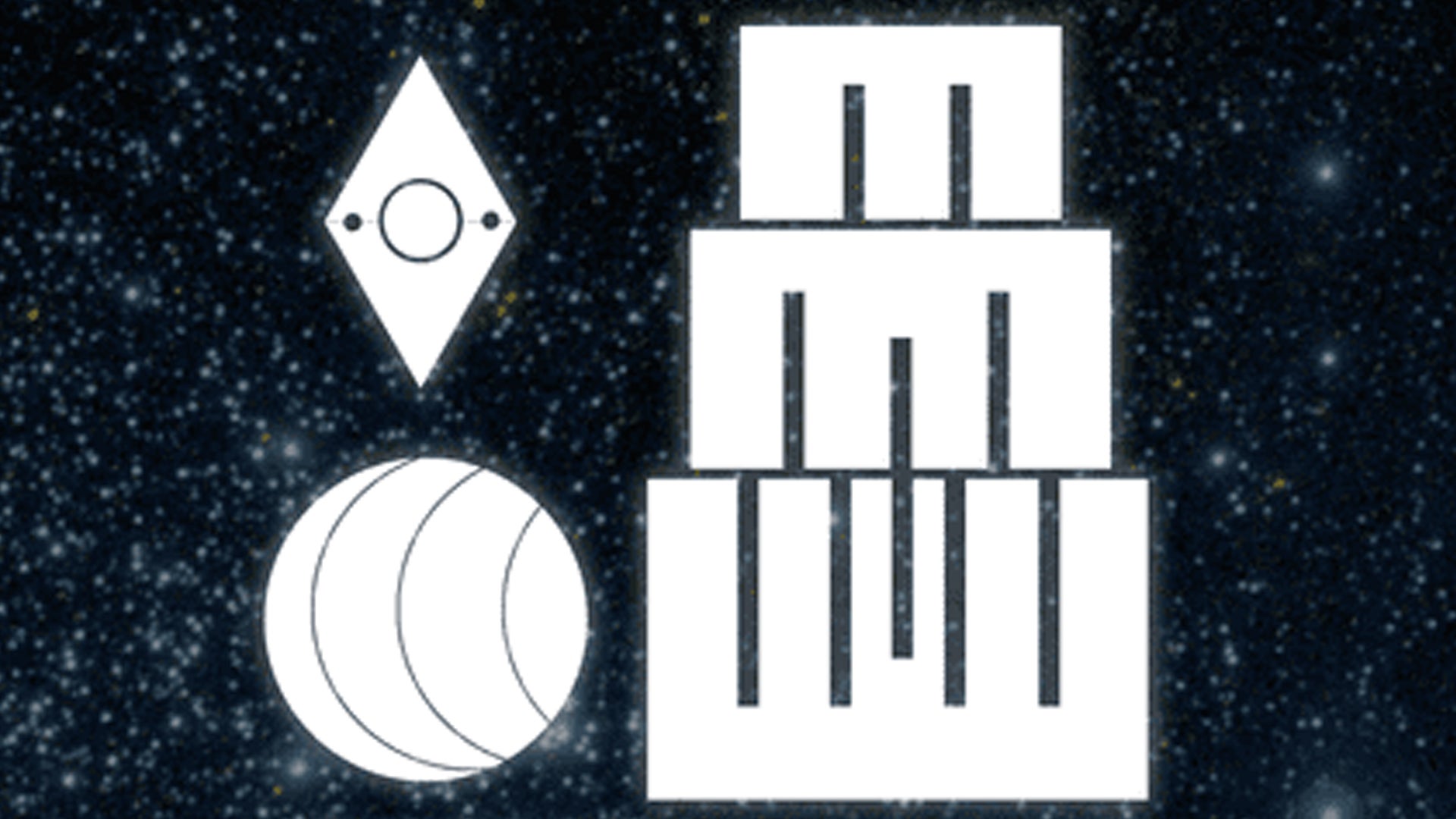
Instead of familiar text, players will confront a meticulously crafted lexicon of alien iconography. This isn’t merely a thematic flourish; it is the fundamental mechanism through which the game communicates its operational principles. To engage with "City of Six Moons," prospective players must first embark on a journey of decipherment, translating an entire alien language before they can even begin to understand the game’s objectives, actions, and victory conditions. This initial barrier to entry elevates the cognitive challenge to an entirely new level, pushing players beyond conventional strategic thinking into the realm of linguistic analysis and cultural interpretation.
The implication of this design choice is profound. Every session with "City of Six Moons" will, by necessity, begin long before the first game piece is moved. It starts with the meticulous study of symbols, the painstaking process of pattern recognition, and the iterative formation of hypotheses about their meanings and syntactical relationships. The game’s very essence is intertwined with this act of discovery, promising an experience unlike any other currently available on the market.
Designer’s Vision: An Alien Perspective on Play
Amabel Holland, known for her innovative and often thought-provoking designs, has articulated a clear vision for "City of Six Moons." Her intent to craft a game as if it were an artifact from an alien civilization suggests a deep dive into semiotics and cross-cultural communication. This isn’t just about creating a puzzle; it’s about simulating the intellectual humility and investigative rigor required when confronting truly alien logic. Players are explicitly encouraged to draw upon their existing cultural assumptions – both human and universal – while simultaneously accepting that the underlying cultural framework of the alien creators will be vastly different from humanity’s own. This dynamic tension between familiar pattern recognition and radical otherness forms the bedrock of the decipherment challenge.
Holland’s most provocative design decision, however, lies in her absolute refusal to answer any questions regarding the game’s rules. This stance, which she has made unequivocally clear, serves several critical functions. Firstly, it maintains the integrity of the alien artifact conceit. An ancient alien text would not come with a human-language FAQ. Secondly, and perhaps more importantly, it deliberately cultivates an atmosphere of inherent uncertainty. Players are denied the comfort of definitive answers, forcing them to rely entirely on their own interpretive faculties. The journey of decipherment is thus not merely about finding a solution, but about accepting that their solution, however robust, might always carry a faint echo of ambiguity. As noted by BoardGameGeek, this refusal is a central tenet of the game’s unique appeal.
This deliberate withholding of information transforms the traditional designer-player relationship. Instead of a benevolent guide, Holland assumes the role of an enigmatic architect, presenting a challenge and then stepping back, allowing the players to grapple with its complexities unaided. This approach demands a high degree of player agency and intellectual resilience, appealing to those who relish profound mental engagement and the satisfaction of self-directed discovery.
The Linguistic Labyrinth: Deciphering the Unknown
The core challenge of "City of Six Moons" rests squarely on its "language composed of icons, glyphs and symbols." This is not a simple code-breaking exercise where a substitution cipher might yield quick results. Instead, it invites players into the intricate world of semiotics, the study of signs and symbols and their interpretation. Imagine confronting an ancient script like Linear B or the Mayan glyphs before they were deciphered – a system of visual representations whose meanings are deeply embedded in an unknown culture, history, and worldview. Players must not only identify individual symbols but also deduce their grammatical structure, their relationships to one another, and how they convey actions, states, and conditions within the game’s context.
This process will likely involve several stages:
- Observation and Cataloging: Identifying unique symbols and variations.
- Contextual Analysis: Looking for recurring patterns, symbols appearing next to specific components, or within particular "sentences" or sequences. The game’s components themselves, while likely also devoid of human language, will become crucial contextual clues. For instance, a symbol appearing next to a numerical value might imply quantity; a symbol on a specific game piece might denote its function.
- Hypothesis Generation: Proposing potential meanings for symbols based on their context and visual characteristics. Is a jagged line indicative of movement? Does a circular symbol represent a resource?
- Testing and Refinement: Attempting to play the game based on a provisional understanding of the rules. Failures and inconsistencies will necessitate a return to the "rulebook" to refine interpretations, leading to an iterative process of learning and relearning.
- Cultural Inference: Beyond literal translation, players must consider the potential cultural logic of the alien civilization. Do they value efficiency? Harmony? Conflict? Their values might subtly influence how rules are structured and expressed.
The "City of Six Moons" asks players to become amateur linguists and cultural anthropologists. It’s a testament to the power of non-verbal communication and the human capacity for pattern recognition and abstract thought. The challenge is magnified by the explicit declaration that players "will never quite know if they’ve perfectly cracked the code." This persistent doubt is not a flaw; it is a feature, designed to enhance the alien experience and the feeling of genuine discovery in an unknown realm.
The Psychology of Uncertainty and Discovery
The psychological impact of "City of Six Moons" is poised to be as compelling as its mechanical novelty. For many gamers, the rulebook is a necessary evil – a hurdle to overcome before the "real" fun begins. Here, the rulebook is the initial game. This shifts the player’s mindset from passive instruction-taker to active investigator.
The appeal will undoubtedly be strong for those who relish intellectual puzzles, cryptography, and logic challenges. The moment of breakthrough, when a cluster of symbols suddenly yields a coherent meaning, promises a unique kind of exhilaration. This isn’t merely solving a puzzle within a game; it’s solving the puzzle of the game itself. The satisfaction derived from independently deciphering a complex system, without external validation, could be immense.
Conversely, the inherent uncertainty and the designer’s refusal to offer guidance will present a significant psychological barrier for some. Gamers accustomed to clear instructions and definitive answers may find the ambiguity frustrating. However, this frustration is arguably part of the intended experience – a reflection of the challenges faced by real-world explorers and scientists confronting the unknown. Holland’s statement on Bluesky about the "loss" felt after deciphering the rules is particularly insightful: "That loss is a thing I want you to feel; I want it to linger." This suggests a profound, almost melancholic aspect to the game’s journey. The initial mystery, the thrill of the unknown, the arduous process of discovery – these elements, once conquered, transform the game into something different. The sense of accomplishment remains, but the unique challenge of the initial decipherment fades, leaving behind a game that is now understood, but perhaps less mystifying. This transient nature of the discovery phase is a bold emotional design choice, highlighting the value of the journey over the destination.
Hollandspiele: A Home for Innovation
The choice of Hollandspiele as the publisher for "City of Six Moons" is fitting and speaks volumes about the game’s unique ethos. Co-owned by Amabel Holland and Mary Holland, Hollandspiele has carved out a distinct niche in the board gaming industry, particularly known for its publishing of unconventional, often historically-rooted, and intellectually demanding wargames and simulations. Their catalog frequently features titles that challenge traditional gameplay paradigms, delve into complex strategic considerations, and prioritize depth and historical fidelity over mass-market appeal.
Hollandspiele’s reputation is built on a willingness to embrace experimental design and to trust in the intelligence and dedication of its player base. Their games often come with a steeper learning curve, requiring players to invest time and effort to truly grasp their intricacies. In this context, "City of Six Moons," with its entirely alien rulebook, represents a natural, albeit extreme, extension of Hollandspiele’s established philosophy. It pushes the boundaries of player engagement to an unprecedented degree, aligning perfectly with a publisher that values innovation, intellectual rigor, and the exploration of new design spaces. The fact that Hollandspiele is publishing this title signals their belief in its artistic merit and its potential to captivate a dedicated segment of the gaming audience.
The Game Itself: Speculation on Mechanics and Components
While the core article explicitly states that the exact gameplay mechanics remain largely unknown due to the cryptic rulebook, we can engage in some informed speculation about how "City of Six Moons" might function once deciphered. Given its solo nature and the emphasis on guiding an alien civilization, potential mechanics could include:
- Resource Management: Players might manage alien resources, perhaps represented by unique tokens or symbols, to achieve certain objectives.
- Pattern Recognition and Logic Puzzles: Beyond the rulebook, the game itself might involve ongoing pattern recognition or logical deduction, where players must interpret alien data or predict outcomes based on discovered rules.
- Abstract Strategy: The game could be an abstract strategy experience, similar to games like "Go" or "Chess" but with rules that were initially hidden.
- Narrative Discovery: While not a traditional narrative game, the act of understanding the alien civilization’s rules and goals could unfold a unique, player-constructed narrative about their culture and fate.
- Tile Placement or Card Play: Components might involve unique tiles or cards adorned with the alien glyphs, which players arrange or play according to their deciphered rules to build out the "city" or influence its "moons."
The article mentions "a set of components needed to play the game in the box alongside the rulebook." It’s highly probable that these components will either be entirely devoid of human language or, more likely, marked with the same alien code as the rulebook. This consistency would further immerse the player in the alien experience, ensuring that every element of the game reinforces the central theme of decipherment. The cover artwork, which has been revealed, might also serve as an initial visual key, potentially offering subtle clues or thematic context that could aid in the decoding process. This level of integrated design suggests a holistic vision where every element contributes to the overarching puzzle.
A Chronology of Cryptic Anticipation
The journey of "City of Six Moons" from concept to anticipated release has been a relatively swift but impactful one within the specialized board game community. The initial revelation of this audacious project came via a blog post on BoardGameGeek, the preeminent online database for board games, which first highlighted the game’s extraordinary rulebook concept. This early exposure immediately generated buzz and curiosity among dedicated enthusiasts.
Following this initial discovery, designer Amabel Holland provided further confirmation and insight into her intentions via Bluesky, a nascent social media platform. Her posts served to solidify the core premise and reinforce the unique challenges awaiting players, particularly her firm stance on providing no rule clarifications. These official statements from the designer herself have been crucial in shaping the community’s understanding and anticipation.
With these foundational announcements now established, the next significant milestone is the game’s imminent release. "City of Six Moons" is officially slated to launch "next month" from Hollandspiele’s own publishing label. This short timeline from announcement to availability builds a sense of immediate excitement, allowing interested players little time to prepare for the intellectual rigor ahead. The chronological progression from cryptic tease to concrete release date positions the game as an upcoming event of significant interest for those eager to engage with its profound and unprecedented challenges.
Broader Implications for Board Gaming
The advent of "City of Six Moons" carries significant implications that extend far beyond its immediate release, potentially influencing future trends and perceptions within the broader board gaming industry.
Redefining the "Rulebook"
Perhaps the most immediate and impactful implication is the radical redefinition of the rulebook itself. Traditionally, rulebooks are functional documents – clear, concise, and unambiguous guides to gameplay. "City of Six Moons" shatters this convention, transforming the rulebook from a mere instruction manual into an integral, multi-layered puzzle and a core component of the game’s initial experience. This could inspire other designers to experiment with non-traditional rule delivery, whether through narrative integration, interactive tutorials, or other forms of hidden information. It challenges the assumption that rules must be immediately accessible and perfectly understood from the outset.
The Rise of Experimental and Solo Gaming
"City of Six Moons" is a testament to the ongoing evolution of experimental game design and the burgeoning popularity of solo board gaming. In recent years, the market for single-player experiences has exploded, driven by a desire for focused, personal challenges that can be enjoyed at one’s own pace. This game pushes the boundaries of solo play even further, creating an intimate, almost philosophical journey of individual discovery. It signals a growing appetite within the hobby for games that prioritize unique experiences and intellectual depth over conventional entertainment value, further validating the space for niche, avant-garde designs.
Community Engagement and Collaboration
The game’s inherent ambiguity and the designer’s refusal to provide answers raise fascinating questions about community engagement. Will players collaborate online to collectively decipher the alien language? Forums, subreddits, and Discord channels could become vibrant hubs for shared hypothesis testing, linguistic analysis, and the communal construction of meaning. However, this also introduces an ethical dilemma: for a game designed around personal discovery and the "loss" of mystery once understood, what is the impact of readily available community-generated solutions? Players will have to weigh the desire for collective understanding against the purity of an unassisted, individual journey. This tension between collaborative problem-solving and solitary exploration will be a unique aspect of the "City of Six Moons" phenomenon.
The Future of Design and Accessibility
This game challenges designers to think about what constitutes "accessibility." While it is undeniably inaccessible in a conventional sense (requiring translation), it offers a different kind of accessibility for players who value deep intellectual engagement and unique experiences. Could this spark a trend of "meta-games" where the process of learning or interpreting becomes a core mechanic? It certainly broadens the conversation about what kinds of challenges board games can present, moving beyond tactical decision-making to encompass linguistic, cultural, and even philosophical inquiry.
A Bold Step into the Unknown
"City of Six Moons" is not merely an upcoming board game; it is a profound statement about the potential of interactive entertainment. Amabel Holland’s vision offers a singular experience that blurs the lines between game, puzzle, and linguistic artifact. By forcing players to first become cryptographers and cultural anthropologists, it redefines the very act of engaging with a new game.
For those intrepid players willing to embrace the challenge of deciphering an alien language, to navigate the inherent uncertainty, and to accept the designer’s unwavering silence, "City of Six Moons" promises a truly unparalleled journey. It is a bold, experimental endeavor that underscores the dynamic and ever-evolving nature of board game design. As its release approaches, the board gaming world watches with bated breath, eager to witness the emergence of this cryptic puzzle and the unique stories of discovery it will undoubtedly inspire. Good luck to anyone preparing to tackle this enigmatic and groundbreaking title from Hollandspiele. The city of six moons awaits its first human interpreters.



Leave a Comment