The Sheldon Paradox: Why Jim Parsons is Closing the Door on a ‘Big Bang Theory’ Revival
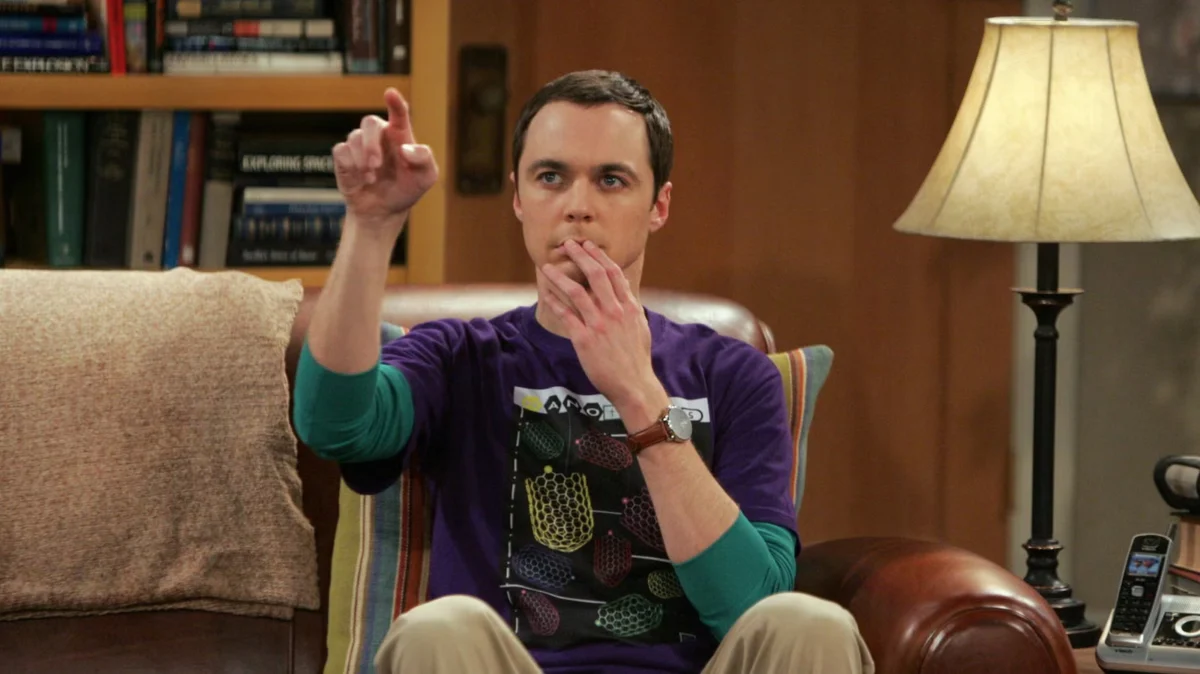
The television landscape of the 21st century has been defined by a handful of monolithic hits, but few have achieved the global ubiquity and enduring syndication power of CBS’s The Big Bang Theory. At the center of this cultural phenomenon was Sheldon Cooper, the socially challenged, idiosyncratic genius portrayed by Jim Parsons. For twelve seasons, Parsons’ performance earned him four Primetime Emmy Awards and a Golden Globe, cementing his place in the pantheon of great sitcom protagonists.
However, in a recent high-profile interview on The View, Parsons delivered a definitive blow to the hopes of millions of fans: he has no interest in a reboot. His comments have sparked a wider conversation about the nature of character legacy, the fatigue of long-running roles, and the evolving strategy of the "Big Bang" franchise as it moves into increasingly experimental territory.
Main Facts: The Definitive "No" to a Reboot
In April 2026, while promoting his latest theatrical endeavor—the campy, high-energy Broadway musical Titanique—Jim Parsons sat down with the hosts of The View. Amidst discussions of his transition back to the stage, the conversation inevitably turned toward the role that made him a household name. When asked directly by Whoopi Goldberg and Joy Behar if he would consider stepping back into the sensible loafers of Sheldon Cooper for a series reboot, Parsons’ response was unequivocal.
"I don’t believe I would do a reboot," Parsons stated, ending years of speculation regarding a potential 13th season or a limited-series revival.
His reasoning was not rooted in animosity toward the show or his former colleagues, but rather in a profound sense of completion. Parsons explained that after 12 years of having scripts tailored specifically to his voice and mannerisms, the line between the actor and the character had become blurred. "I can’t say I miss him, partly because… there’s a lot of me in that," he clarified. While he playfully distanced himself from Sheldon’s genius-level IQ, he acknowledged that he still carries the character’s qualities within him, making a return to the set feel redundant rather than nostalgic.
Chronology: From Sitcom Dominance to Artistic Departure
To understand Parsons’ reluctance, one must look at the timeline of The Big Bang Theory’s final years.
- 2007–2014: The series rises from a niche "nerd culture" sitcom to the #1 scripted show on television. Sheldon Cooper becomes a global icon, with "Bazinga!" entering the common lexicon.
- 2018: Reports surface that CBS and Warner Bros. TV offered the lead cast staggering salaries—upwards of $1 million per episode—to continue for two more seasons.
- August 2018: Jim Parsons shocks the industry by announcing his decision to leave the show at the end of Season 12. Despite the show’s record-breaking ratings, Parsons felt he had "chewed all the meat off the bone" of the character.
- May 2019: The Big Bang Theory concludes with an emotional finale that sees Sheldon and Amy Farrah Fowler winning the Nobel Prize.
- 2019–2024: Parsons continues as an executive producer and narrator for the prequel series Young Sheldon. This allows him to stay connected to the IP without the physical demands of a multi-cam sitcom.
- 2024–2026: Parsons pivots heavily toward Broadway and independent film, seeking to diversify his portfolio and distance himself from the sitcom "typecast."
- April 2026: Parsons makes his definitive "no reboot" statement on The View, signaling the end of the Sheldon Cooper era in live-action television.
Supporting Data: The "Big Bang" Economy and Reboot Fatigue
The push for a Big Bang Theory reboot is driven by staggering economic data. Even years after its finale, the show remains a juggernaut in syndication. It consistently ranks as one of the most-watched programs on cable networks like TBS and remains a top performer on streaming platforms like Max. For a network like CBS, a reboot represents a "sure thing" in an increasingly fragmented media market.
However, industry analysts point to a growing trend of "reboot fatigue." The SlashFilm report notes that while fans claim they want their favorite shows back, the reality often falls short of expectations. The article cites And Just Like That… (the Sex and the City revival) as a cautionary tale where the return of a beloved IP was met with critical derision and fan disappointment.
Furthermore, the physical and psychological toll of a 12-season run cannot be overstated. Parsons filmed 279 episodes of The Big Bang Theory. In the world of television production, that equates to over a decade of 60-hour work weeks focused on a single persona. Supporting data from actor interviews across the industry suggests that the "burnout" associated with long-term sitcom roles often leads to a decade-long hiatus from the character before any interest in a revival emerges—if it ever does.
Official Responses and Parsons’ Personal Perspective
During his appearance on The View, Parsons offered a rare glimpse into the emotional weight of his legacy. He admitted to being "more and more surprised" as time goes on that people still approach him with such fervor regarding Sheldon.
"The longer it goes on, I’m more and more surprised when people approach me about it," Parsons admitted. "Not because I’m stupid, but because I’m like, oh, it makes sense. But I’m just not thinking it."
Parsons’ perspective is one of gratitude tempered by a need for growth. He spoke movingly about fans who tell him the show helped them through chemotherapy, grief, or social isolation. He noted that when he took the job as a "younger actor," he never anticipated the "bigger effect" the show would have on the world.
While the show’s creator, Chuck Lorre, has not issued a formal rebuttal to Parsons’ comments, Lorre’s recent actions suggest he is in agreement. Rather than forcing a revival of the original cast, Lorre has focused on expanding the universe through different lenses, effectively moving the franchise forward without its original anchor.
Implications: A Universe in Transition
The refusal of Jim Parsons to return as Sheldon Cooper has forced the "Big Bang" franchise to evolve in ways few could have predicted. This transition is marked by three distinct phases:
1. The Prequel Success
Young Sheldon proved that the IP could survive without the original cast by shifting genres from a multi-cam sitcom with a laugh track to a single-cam family dramedy. By recasting the lead with Iain Armitage, the producers maintained the "Sheldon" brand while offering a fresh narrative perspective.
2. The Traditional Spin-off
The upcoming Georgie & Mandy’s First Marriage serves as a bridge back to the traditional sitcom format. By focusing on Sheldon’s brother (Montana Jordan) and his wife (Emily Osment), the studio is betting that the audience’s affection for the Cooper family extends beyond the boy genius himself.
3. The Experimental Future: "Stuart Fails to Save the Universe"
Perhaps the most significant implication of Parsons’ departure is the radical shift in the upcoming spin-off, Stuart Fails to Save the Universe. Centering on Kevin Sussman’s comic-book store owner, Stuart Bloom, the series is reportedly leaning into full-scale science fiction and multiverse theory.
The move toward a sci-fi epic suggests that the "Big Bang" universe is no longer tethered to the grounded, apartment-based comedy of the original series. This shift allows for "cheeky cameos" from the original cast—including Parsons—in alternate timelines or voice-overs, without requiring the commitment of a full reboot. It is a strategic pivot that respects the actors’ desire for new challenges while keeping the IP alive for a new generation.
Conclusion: The Right Call for a Lasting Legacy
Jim Parsons’ decision to decline a reboot is a rare example of an actor prioritizing artistic integrity over a guaranteed payday. By stepping away, he preserves the "perfect" ending of the original series and avoids the risk of "stale" storytelling that plagues many modern revivals.
As the "Big Bang" universe moves into the surrealist territory of Stuart Fails to Save the Universe and the theatrical camp of Parsons’ Titanique, it is clear that both the actor and the franchise are ready for their next acts. Sheldon Cooper may be a part of Jim Parsons’ DNA, but for the sake of the character’s legacy, it appears he is best left in the annals of television history, preserved in the amber of syndication and the hearts of fans who found comfort in his "Bazingas."