The Vanishing Act: Unpacking Why Beloved Board Games Go Out of Print
For enthusiasts of tabletop gaming, few experiences are as frustrating as discovering a new, captivating game, only to find it has vanished from shelves, relegated to the elusive realm of "out of print." This phenomenon, often leading to exorbitant prices on the secondary market or the legendary status of "Grail Games" — titles relentlessly sought but rarely found — is a complex interplay of economic realities, logistical challenges, and intricate legal frameworks. What drives a seemingly popular game into oblivion, and why do publishers, large and small, often hesitate to bring them back? The answers lie in a detailed examination of demand, production costs, and the often-thorny world of intellectual property.
Main Facts: The Core Reasons Games Disappear
The primary culprits behind a game’s disappearance are multifaceted, yet universally impactful across the industry spectrum. At its most fundamental level, a lack of consistent demand often dictates a publisher’s decision not to reprint. Each physical copy gathering dust in a warehouse represents "dead money," a direct drain on a publisher’s crucial cash flow, particularly for smaller operations with tight margins.
Beyond simple demand, the economics of scale play a critical role. Producing fewer units in a reprint typically incurs a significantly higher per-unit cost, making profitability challenging unless the game is an undeniable blockbuster. This financial tightrope is further complicated by the labyrinthine world of licensing and intellectual property (IP). Contractual disputes, the expiration of licenses for popular franchises, or disagreements with artists and designers can unilaterally halt a reprint, even for games with a fervent fanbase. The journey from a game’s initial success to its potential out-of-print status is fraught with commercial and legal hurdles, making the continued availability of beloved titles a precarious endeavor.
The Fleeting Shelf Life: A Game’s Journey to Obscurity
The life cycle of a board game, from its initial conception to its potential retirement, is a chronological narrative shaped by market forces and strategic decisions.
From Conception to Convention Buzz
Every game begins as an idea, painstakingly developed and playtested. Once a publisher commits, the focus shifts to production and marketing. Initial print runs are carefully calculated, hoping to capture the zeitgeist. Major conventions like Essen Spiel, UK Games Expo, and GenCon are pivotal launchpads. Publishers invest heavily in booth space, staff, and promotional materials, aiming to generate an immediate buzz. The "new" factor is paramount; fresh releases draw attention, reviews, and initial sales, which are often critical for recouping substantial upfront costs. A successful convention debut can propel a game to early success, but the flip side is equally stark: a lukewarm reception can doom a game before it even reaches a wider audience.
The Post-Launch Reality: Sales Cycles and Stock Management
Following the initial release, a game enters its retail life. Sales typically peak early, driven by initial hype and early adopters. Over time, sales naturally decelerate. This is where the challenge of stock management emerges. For small publishers, often operating from homes or modest offices, holding large inventories is a significant financial burden. Each pallet of unsold games ties up capital that could be used for developing new projects, paying staff, or covering operational expenses. The cost of warehousing, insurance, and the risk of damaged or unsellable stock further erode already thin margins. Publishers must constantly weigh the cost of holding inventory against the potential for future sales.

The Reprint Dilemma: When Does a Publisher Recommit?
As initial stock dwindles, publishers face a critical decision: reprint or let the game fade? This decision is rarely straightforward. It requires assessing current demand, projecting future sales, and re-evaluating production costs. If a game maintains a steady, albeit smaller, sales velocity, a publisher might consider a reprint. However, the threshold for justifying a reprint is often higher than for the initial run. A game might have been a moderate success initially, but if its sales trajectory indicates declining interest, committing to another print run, especially with potentially higher per-unit costs, becomes a significant risk. The "new" game mentality also plays a role here; publishers often prioritize resources towards launching fresh titles that can generate new buzz and revenue, rather than investing in older, slower-selling products.
The Decline and Out-of-Print Status
If a reprint isn’t pursued, the game’s remaining copies gradually disappear from retail channels. Once all stock is depleted and no new production is planned, the game officially enters "out of print" status. This doesn’t necessarily mean the game was bad; it simply means the commercial viability for continued production, based on the publisher’s assessment of demand, cost, and other factors, no longer exists. For many games, this is a quiet, almost unnoticed transition. For others, particularly those that garnered a passionate following but faced insurmountable reprint hurdles, it marks the beginning of their journey towards "Grail Game" status, where their legend grows even as their physical presence diminishes.
Economic Realities and Market Dynamics: Supporting Data
The commercial landscape of the board game industry is fiercely competitive, characterized by high volume and increasingly sophisticated consumer expectations. These factors provide crucial context for understanding reprint decisions.
Demand & Market Saturation: The "Cult of the New"
The modern board game market is awash with new releases. Industry estimates suggest thousands of new titles hit the market annually, creating an unprecedented level of choice for consumers. This phenomenon fosters a "cult of the new," where players and reviewers are constantly seeking out the next big thing. While exciting, this intense saturation means that even critically acclaimed games can struggle to maintain long-term visibility. A game might receive initial praise and sell well, but within months, it can be overshadowed by a fresh wave of innovative designs. This makes sustained demand, crucial for justifying reprints, increasingly difficult to achieve. Publishers, especially smaller ones, find themselves on a relentless treadmill, needing to produce new content to stay relevant and capture market share.
The Cost Conundrum: Manufacturing, Warehousing, and Logistics
The financial mechanics of board game production are intricate and unforgiving. Manufacturing costs are a significant variable. Components (cardboard, plastic, wood, metal), printing, die-cutting, assembly, and packaging all contribute. Tooling costs for unique components (e.g., custom miniatures) can be substantial for the first print run, though these might be amortized over subsequent runs. However, the biggest factor in per-unit cost is the print run size.
As a realistic example, consider these hypothetical figures:
- 1,000 units: £12 per unit
- 5,000 units: £9.50 per unit
- 10,000 units: £8 per unit
- 20,000 units: £7 per unit
These figures dramatically illustrate how economies of scale reduce the cost per unit. For a game that sold moderately well but isn’t a runaway hit, a publisher might only be able to justify a reprint of 1,000-3,000 units. At these lower quantities, the per-unit cost remains relatively high, squeezing profit margins.
Beyond manufacturing, warehousing and logistics add further expense. Renting warehouse space, managing inventory, and fulfilling orders require resources. International shipping, particularly in recent years, has become volatile and expensive, with container costs fluctuating wildly. These overheads are constant, regardless of a game’s sales volume, making efficient stock rotation critical.
Distribution & Retailer Influence
The journey from manufacturer to player often involves a complex chain of distributors and retailers. Distributors act as intermediaries, buying games in bulk from publishers and selling them to local game stores. They often have minimum order quantities and prefer to stock new, high-demand titles that move quickly. If a game is not generating sufficient buzz or sales velocity, distributors may be reluctant to reorder, effectively choking off a reprint’s reach to the market. Retailers, in turn, have limited shelf space and are incentivized to stock products with high turnover. An "old" game, even a good one, can struggle to compete for space against a constant influx of new releases, further dampening reprint prospects.
Kickstarter’s Double-Edged Sword
Kickstarter and other crowdfunding platforms have democratized publishing, allowing many small designers and publishers to bring their visions to life without traditional capital. However, this model also presents unique challenges for reprints. Many Kickstarter publishers operate on a project-by-project basis, with funds from one campaign directly financing the production and fulfillment of that specific game. Little to no capital is typically reserved for future reprints. While some successful Kickstarter publishers strategically integrate reprints into later campaigns (e.g., offering an older title as an add-on for a new project), this isn’t always feasible or sufficient. The pressure to continually innovate and launch new campaigns to maintain cash flow often leaves little room or budget for revisiting older titles, even beloved ones.
Navigating the Legal Labyrinth: Voices from the Industry
Beyond the financial calculus, a significant portion of "Grail Games" remain out of print due to complex legal and contractual issues, often dubbed "boring" by those not directly involved, but devastatingly effective at stalling production.
Licensing and Intellectual Property: A Minefield of Agreements
The modern entertainment landscape is rich with licensed properties, from blockbuster movies and TV shows to beloved book series and video games. Incorporating such IPs into board games, while potentially boosting initial sales, introduces a layer of legal complexity. Licensing agreements are typically time-bound, granting a publisher the right to produce and sell a game for a set period (e.g., 3-5 years). If these agreements expire and cannot be renegotiated or extended — perhaps due to changing terms, new IP owners, or the licensor’s decision to move in a different direction — the publisher loses the right to print more copies.

The decision then becomes: re-theme the game with original IP, or let it die? Re-theming can be a viable path, as demonstrated by Fantasy Flight Games’ transformation of the popular co-op/traitor game Battlestar Galactica: The Board Game into Unfathomable using their Arkham Horror license. The core mechanics remained, but the narrative and art were adapted, giving the game a deserved new lease of life (and a cheeky nod with the ship named SS Atlantica). However, this requires a publisher with a strong existing IP portfolio and the resources to undertake a significant creative overhaul. Most smaller publishers lack this luxury; stripping a game of its iconic Boba Fett or Gandalf branding might diminish its appeal too significantly to justify the cost of new art, graphic design, and marketing.
Publisher Bankruptcies and Rights Reversion: The Case of Pioneer Days
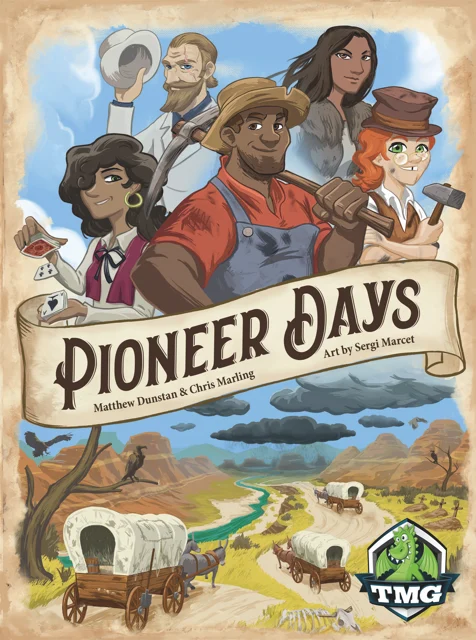
Sometimes, the issue isn’t a dispute but the complete collapse of a publisher. Chris Marling, co-author of this article, experienced this firsthand with his game, Pioneer Days. Its original publisher, Tasty Minstrel Games (TMG), faced significant financial difficulties and eventually went out of business.
Marling recounts, "Despite TMG amicably returning the publishing rights to us, the process of bringing Pioneer Days back has been incredibly involved. We had to find a new publisher willing to navigate a whole new set of considerations. Can we use the original manufacturer? Is the artist still available and willing to have their work reprinted? If not, how do we handle new art that needs to be compatible with existing components or expansions? This isn’t just a matter of hitting ‘print’ again; it’s almost like starting a new project, with all the associated costs of production layout, potentially new art, and component sourcing."
This highlights the hidden complexities: even when rights revert cleanly, the logistical and financial hurdles of a new publisher taking on an older game can be immense. An artist or previous contractor might refuse permission for their work to be reused, or their contact details might be lost, creating a legal impasse. Suddenly, what seemed like a straightforward reprint becomes a costly redesign, potentially eroding its profitability.
Designer Rights and Contracts: Protecting Creative Vision
Designers, like Reiner Knizia or Alan Moon, often license their game designs to multiple publishers, relying on robust contracts to protect their intellectual property and ensure fair compensation. These contracts specify royalties, print runs, territories, and terms for extensions or termination. If a publisher breaches a contract—perhaps by failing to pay royalties, not meeting agreed-upon production schedules, or misrepresenting sales—designers (or their estates) are well within their rights to withdraw the license.
This can be particularly problematic if different elements of a game (design, art, specific components) are under separate contracts with different parties. A designer might regain their game design rights, but if the original artist or component manufacturer refuses to allow their work to be reused, a new publisher faces the same dilemma: either recreate those elements at significant cost, or abandon the reprint. Legal fees associated with contract disputes or renegotiations can also be prohibitive for smaller entities, further complicating a game’s return to print.

Community-Driven Reprints: The P500 Model and Beyond
Recognizing the demand for out-of-print titles, some publishers have innovated models to gauge and secure reprint funding. GMT Games’ "P500" program is a prominent example. Players "pre-order" a desired back-catalogue game, providing their payment details. Once 500 orders are accumulated, GMT charges everyone and proceeds with a print run. This model effectively de-risks reprints by ensuring demand and pre-funding production.
However, the P500 model has limitations. As noted in the original article, GMT’s games often feature simpler components and smaller initial print runs, meaning the per-unit cost doesn’t fluctuate as wildly with print quantity as it would for a game with elaborate miniatures, custom dice, or high-quality boards. For a publisher with a "more flamboyant" game requiring complex tooling and high-quality components, a 500-unit run might still be financially unviable due to prohibitively high per-unit costs.
Other community efforts, such as fan petitions, "wish lists" on BoardGameGeek, or organized group buys, demonstrate the passion for reprints. While these show demand, they rarely provide the structured financial commitment necessary to overcome the economic and legal hurdles faced by publishers.
Beyond the Box: Implications for the Hobby and Future Outlook
The phenomenon of games going out of print has profound implications for players, collectors, and the industry itself, shaping market dynamics and future publishing strategies.
The Rise of the Secondary Market and "Grail Game" Culture
When a popular game goes out of print, a vacuum is created that the secondary market eagerly fills. Sites like eBay, BoardGameGeek’s marketplace, and specialized online retailers become the only avenues for acquiring these titles. Prices often skyrocket, far exceeding the original retail price, sometimes reaching hundreds or even thousands of dollars for truly rare "Grail Games." This creates a lucrative, albeit controversial, ecosystem for collectors and resellers. While it allows some players to eventually acquire their desired titles, it also makes many games inaccessible to the average enthusiast and fuels concerns about scalping and artificial scarcity.
This culture also fosters a sense of urgency around new releases, encouraging impulse purchases for fear that a game might soon become unavailable. This "fear of missing out" (FOMO) can contribute to the initial sales spikes that publishers crave, but also potentially leads to unplayed games accumulating on shelves.

Impact on Accessibility and Preservation
The disappearance of beloved games represents a loss for the broader hobby. New players entering the scene may find themselves unable to experience critically acclaimed classics, hindering their understanding of the hobby’s evolution and seminal designs. This raises questions about the "preservation" of game design. Unlike books or films, which can be easily re-printed or digitally re-released, physical board games are complex artifacts. If a game’s components are lost, its IP becomes entangled, or its original publisher vanishes, the design itself can become effectively unplayable for future generations. While digital adaptations can offer a partial solution, they rarely fully replicate the tactile and social experience of a physical board game.
Publisher Strategies for Longevity: Evergreen Titles and Expansions
To mitigate the risks of games going out of print, many larger publishers focus on cultivating "evergreen" titles – games with enduring appeal that sell consistently year after year. These core titles, like Catan, Ticket to Ride, or Carcassonne, receive continuous support through reprints, expansions, and localized versions. This strategy provides a stable revenue stream that can help offset the financial volatility of new releases.
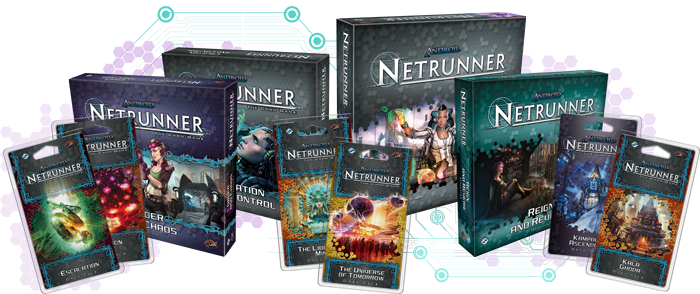
Another strategy is the modular expansion model, seen in games like Arkham Horror: The Card Game (a Living Card Game, or LCG) or Gloomhaven. By releasing content in smaller, regular installments, publishers can maintain player engagement and a steady revenue stream, reducing the pressure for massive, infrequent reprints of a single core box. This also allows them to gauge demand more accurately and adjust production cycles.
The Future of Reprints: Innovation and Community Power
The challenges of reprints are pushing the industry towards innovative solutions. Print-on-demand technology, while still limited for complex board games, is evolving and could offer a future where individual copies can be produced economically, eliminating warehousing costs. More sophisticated crowdfunding models, perhaps with tiered reprint pledges or subscription-like services for older titles, could also emerge.
Ultimately, the board game industry, for all its creative brilliance and passionate community, remains a business at its core. Behind every beautifully crafted game on your shelf lies a small business (or a division of a larger one) battling rising production costs, intense competition, and tightening margins. From waiting hours at conventions for delayed shipments to navigating complex legal contracts, the journey of a game is precarious. It’s a small wonder, then, that we get any games at all, let alone the "Grail Games" that captivate our imaginations and challenge us to scour the farthest reaches of the secondary market in pursuit of a forgotten masterpiece. The quest for these vanishing treasures is, in its own way, an enduring testament to the power and appeal of the tabletop hobby.
Written by Chris Marling (with additional reporting and enrichment)