The Devastating Fallout of "Suicide Squad: Kill the Justice League": A Cautionary Tale of Corporate Greed and Creative Burnout
Introduction: A Game’s Demise and its Developers’ Despair
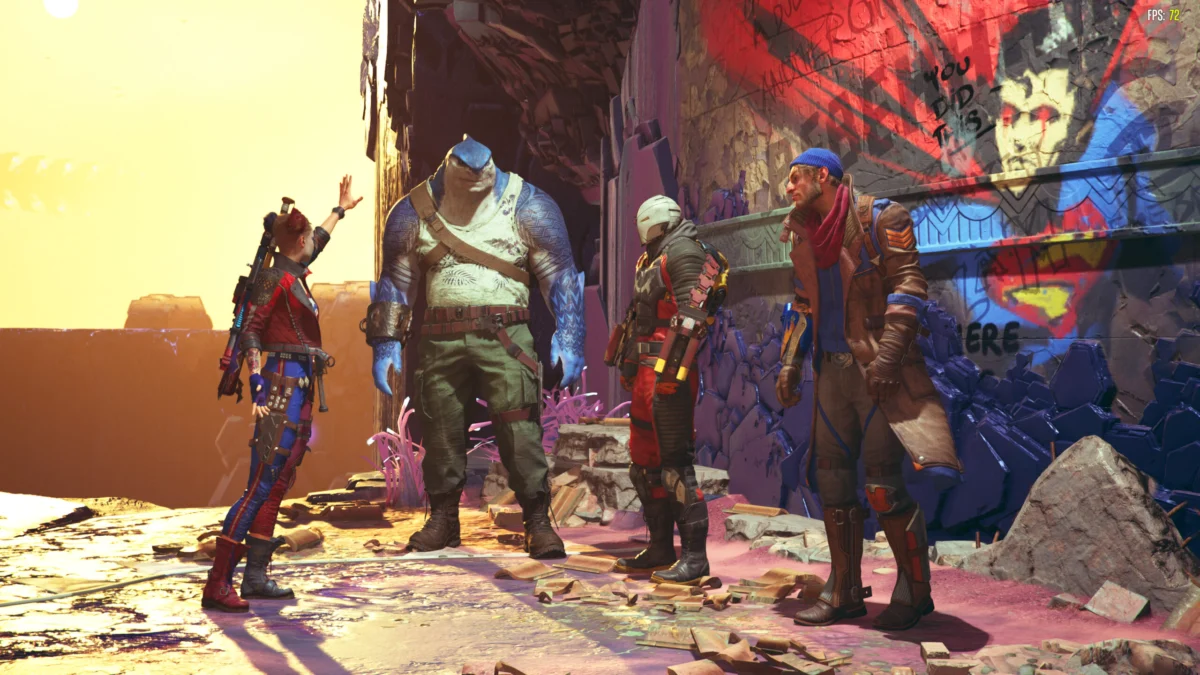
The gaming industry, a landscape often lauded for its innovation and artistic expression, has recently been cast in a somber light by the narrative surrounding Suicide Squad: Kill the Justice League. Initially poised as a high-profile release from the acclaimed Rocksteady Studios, the game’s launch was met with widespread disappointment and critical backlash. Beyond the surface-level criticisms of gameplay and narrative, a deeper, more troubling story has emerged: one of immense financial pressure, compromised creative vision, and the profound toll it has taken on the very individuals tasked with bringing these digital worlds to life. This article delves into the multifaceted downfall of Suicide Squad, examining the corporate machinations, the developer testimonies, and the broader implications for the future of game development.
The Unveiling of a Commercial Venture: Beyond Player Enjoyment
From its very inception, the development of Suicide Squad: Kill the Justice League was marred by an undeniable undercurrent of commercial imperative. The initial impressions of the game, as described by early players and now echoed by former developers, were of a product designed not for the pure enjoyment of players, but as a meticulously crafted engine for sustained revenue. This wasn’t a passion project born from a love of the characters or a desire to explore new gameplay frontiers; it was, by all accounts, a calculated attempt to capitalize on established intellectual property and the lucrative live-service model.
The "meh" sentiment that pervaded early gameplay experiences was not merely a subjective critique of mechanics or humor. It was, in retrospect, a symptom of a deeper design philosophy. The game’s relentless drive for "replayability" and its overtures towards monetization, even before its official release, were stark indicators of its commercial underpinnings. This was a game engineered to be played, and played repeatedly, not necessarily because it was intrinsically fun, but because its design was inextricably linked to its profitability. The hit-and-miss humor and the lack of genuine character connection, while contributing to the game’s critical reception, were arguably byproducts of a development process where the bottom line often superseded artistic integrity.
The financial implications of this approach became starkly apparent following the game’s release. Warner Bros. incurred a staggering loss of $200 million on the project. This figure, astronomical in any industry, represents not just a failed investment but a colossal miscalculation in understanding the market and the player base. The revelation of this financial fallout served as a grim confirmation of the initial suspicions: Suicide Squad was conceived and executed with the primary objective of generating substantial revenue, a goal it spectacularly failed to achieve.
A Chronology of Compromise: Delays, Development Hell, and Demoralization
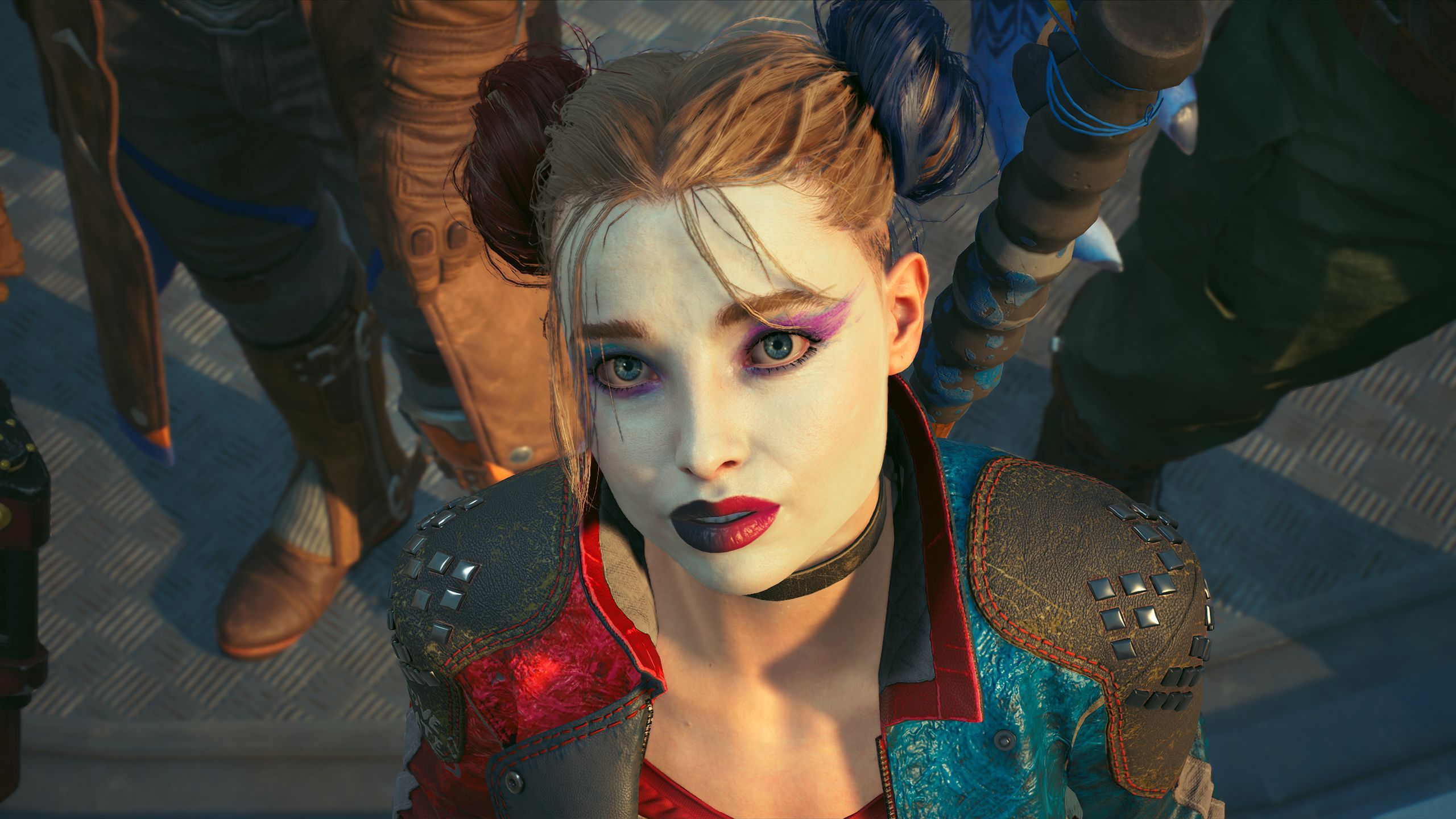
The journey from concept to catastrophic failure for Suicide Squad was a protracted and arduous one, marked by a series of delays that significantly inflated costs and intensified pressure on the development team. What began with a sense of confident ambition, fueled by Rocksteady’s previous successes, soon devolved into a demoralizing grind.
Axel Rydby and Johnny Armstrong, two former developers who were instrumental in the game’s creation, have since shared their harrowing experiences in a candid interview with Bloomberg. Their accounts paint a vivid picture of a development cycle that was less about creative iteration and more about navigating a minefield of corporate expectations and ever-shifting deadlines.
"There was definitely a sense when we first moved on to it—arrogance is the wrong word, but a confidence," Armstrong recalled. "We’re coming back off hit after hit. Of course we’ll be able to do this." This initial optimism, however, was a fragile shield against the mounting pressures.
The initial delays were not merely logistical hiccups; they were harbingers of deeper structural issues within the development pipeline. Each postponement added to the financial burden, increasing the imperative for the game to recoup its investment. This escalating pressure began to erode the creative core of the project.
"That’s when I started feeling like I wasn’t making games anymore," Rydby confessed. "I was following a spreadsheet, some elusive marketing-analysis spreadsheet that no one could present clearly. I kind of felt like this isn’t the gaming industry I wanted to work in." This statement encapsulates a critical shift: the transition from a craft driven by passion to a process dictated by data and abstract market projections. The joy and fulfillment derived from creating something engaging were supplanted by the sterile task of adhering to a plan that felt increasingly disconnected from the essence of game development.
The development environment, as described by Armstrong, became one of constant struggle and a feeling of futility. "It was a big culture shift," he added. "We put all these hours in, but it didn’t feel like it was tangibly getting better. Everyone felt like they were having to run to stand still." This sense of stagnation, coupled with the relentless demands, created a toxic atmosphere where progress felt elusive and burnout was an ever-present threat.
The unrealistic deadlines imposed on the team further exacerbated the situation. Rydby highlighted the futility of attempting fundamental changes within such constrained timelines. "Six months isn’t enough to do any fundamental changes," he stated. "That’s just enough to just fix as many bugs as you can and see if you can squeeze in a bit of feature tweaks here and there." Yet, despite these limitations, executives continued to pose questions that demanded sweeping overhauls and innovative solutions, such as "How many players can we reach with the feature?" and "How can we twist this design into something that can be more replayable?" This disconnect between the practical realities of development and the abstract demands of marketing and finance created an insurmountable chasm.
The cumulative effect of these pressures was profound. Armstrong described the emotional toll: "I felt everything drained from me. I said, ‘I can’t do this again. I don’t know if I’m done with the industry, but I’m done.’ I could feel myself coming apart at the seams." This personal crisis, shared by many in the industry facing similar circumstances, underscores the human cost of prioritizing profit over well-being and creative fulfillment.
Supporting Data and Developer Testimonies: The Erosion of Passion
The narrative of corporate overreach and creative compromise in Suicide Squad is not an isolated incident but a recurring theme within the modern gaming industry. The financial figures surrounding the game’s $200 million loss serve as stark quantitative evidence of a project that failed to resonate with its intended audience, likely due to its perceived commercial agenda. However, it is the qualitative data, in the form of developer testimonies, that truly illuminates the devastating impact of this approach.
Rydby and Armstrong’s accounts are particularly poignant because they articulate a shared sentiment that permeates the industry. The shift from a developer-driven passion for creation to a corporate-driven focus on market analysis and revenue generation is a source of deep disillusionment for many. Rydby’s observation, "It used to be passion projects that you loved and hoped other people loved too. When they did, it was such an amazing feeling. It became less and less of that. It became: ‘Let’s hope it sells. Let’s hope we get money from it,’" is a powerful indictment of the evolving priorities within game development.
This erosion of passion is a critical concern. When the primary motivation shifts from creating a compelling experience to simply ensuring financial viability, the very soul of a game is at risk. The "elusive marketing-analysis spreadsheet" that Rydby references represents a move away from intuitive game design, where developers craft experiences they themselves would enjoy, towards a data-driven, often sterile, approach that prioritizes quantifiable metrics over genuine player engagement.
The pressure to create "more replayable" games, a key directive in the Suicide Squad development, often leads to the implementation of live-service mechanics and endless progression systems that can feel tacked-on and ultimately detract from the core gameplay experience. Instead of focusing on delivering a tightly crafted, memorable narrative or innovative gameplay loop, developers are often tasked with designing systems that encourage long-term engagement, even if it means sacrificing the quality of the initial experience.
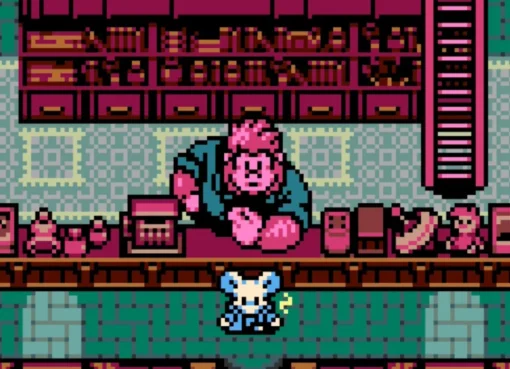
The fact that Armstrong and Rydby, after their experience on Suicide Squad, chose to leave Rocksteady and embark on a Kickstarter campaign for their new RPG deckbuilder, "Secret of Circadia," speaks volumes. Their pursuit of independent development, driven by a desire to create something they are passionate about, is a testament to the enduring spirit of game creation. The modest Kickstarter goal of $11,404, when contrasted with the $200 million spent on Suicide Squad, highlights the vast disparity in the scale of ambition and the underlying motivations. This is a deliberate choice to prioritize creative freedom and direct player connection over the immense financial risks and corporate pressures associated with AAA development.
Official Responses: Silence and the Lingering Shadow of Failure
In the aftermath of Suicide Squad’s commercial and critical failure, official responses from Warner Bros. and Rocksteady Studios have been notably muted. While the developers themselves have broken their silence through interviews, the corporate entities have largely remained in damage control mode, offering little in the way of detailed introspection or a clear path forward.
The $200 million loss reported by Warner Bros. is a significant enough event to warrant a more substantial public statement regarding their assessment of the situation and their future strategies. However, the silence from the top brass suggests a desire to move past this particular chapter as quickly as possible, perhaps without fully addressing the systemic issues that contributed to the failure.
Rocksteady Studios, a company with a storied history of critically acclaimed titles like the Batman Arkham series, has faced considerable scrutiny. The contrast between their previous successes and the reception of Suicide Squad is stark. While individual developers have spoken out, the studio itself has not issued a comprehensive statement detailing their internal reflections on the development process and the lessons learned. This lack of official discourse from the studio head or key figures leaves many questions unanswered regarding their internal accountability and their commitment to fostering a more creatively driven environment.
The absence of a robust official response can be interpreted in several ways. It could signify a reluctance to publicly acknowledge the extent of the missteps, or perhaps an internal restructuring and reassessment that has not yet been made public. However, in an industry that often learns through shared experiences and transparent dialogue, this reticence can be seen as a missed opportunity to provide valuable insights to other studios and developers grappling with similar challenges.
The silence also casts a longer shadow over the future of Rocksteady. Will they be tasked with another high-stakes project with potentially similar pressures, or will they be granted the creative autonomy to return to their roots? Without official confirmation or a clear statement of intent, speculation and uncertainty will continue to surround the studio’s trajectory.
Implications for the Industry: A Plea for Passion Over Profit
The downfall of Suicide Squad: Kill the Justice League serves as a potent and disheartening cautionary tale for the entire video game industry. Its implications extend far beyond the financial losses incurred by Warner Bros. and the personal toll on the developers; they touch upon the very ethos of game creation and the sustainability of the current AAA development model.
The core issue, as articulated by the developers themselves, is the increasing dominance of commercial interests over creative vision. The relentless pursuit of profit, often driven by the demands of shareholders and the allure of the live-service model, is actively eroding the passion and artistry that have historically defined the best games. When developers are forced to "follow a spreadsheet" rather than their creative instincts, the resulting products are often hollow shells, lacking the spark and soul that resonate with players.
The immense financial risk associated with AAA game development, exemplified by the $200 million investment in Suicide Squad, inevitably leads to increased corporate oversight and a greater emphasis on predictable, revenue-generating strategies. This creates a feedback loop where the pressure to recoup massive investments stifles the very innovation and experimentation that could lead to truly groundbreaking titles. Studios become hesitant to take risks, opting instead for established formulas and intellectual properties, which can lead to a homogenization of the gaming landscape.
The testimony of Axel Rydby and Johnny Armstrong underscores the critical need for a cultural shift within the industry. As Rydby eloquently put it, "I think as an industry we are severely losing our way." The return to Swen Vincke’s simple yet profound formula – "A studio makes a game because they want to make a game they want to play themselves" – is not a nostalgic yearning for a bygone era, but a fundamental principle for creating genuinely good games. This requires empowering talented developers, providing them with the necessary resources and creative freedom, and trusting their vision.
The success of independent studios and smaller, passion-driven projects, often funded through crowdfunding platforms like Kickstarter, demonstrates a clear demand for games made with love and authenticity. These developers are often driven by a desire to explore niche genres, tell unique stories, and connect directly with their audience, unburdened by the immense financial pressures of AAA development.
Ultimately, the story of Suicide Squad: Kill the Justice League is a stark reminder that games are more than just products; they are a form of art and a powerful medium for storytelling and connection. For the industry to thrive, it must strike a delicate balance between commercial viability and creative integrity. Prioritizing passion, fostering genuine creative expression, and allowing developers the space to craft experiences they themselves believe in, are not just ethical imperatives, but the surest path to creating games that will truly captivate and endure. The failure of Suicide Squad should serve as a wake-up call, urging the industry to re-evaluate its priorities and reaffirm its commitment to the art of game development.