The Minimalist Legacy: How Intentional End-of-Life Planning Eases the Burden of Grief
NORTHEAST OHIO — In the quiet suburbs of Northeast Ohio, a family recently gathered to perform a ritual as old as time: saying goodbye to a matriarch. However, the funeral of Elizabeth “Liz” Darago, the last of a generation, was marked by a rare sense of peace that extended beyond the spiritual. While the grieving process is inherently chaotic, the logistical aftermath of Liz’s passing was notably different, thanks to a series of intentional decisions she made in the final year of her life.
Joe Darago, Executive Director of the international non-profit The Hope Effect and a long-time advocate for family-centric values, recently shared the story of his aunt’s passing. His account serves as a profound case study in how the principles of minimalism—intentionality, clarity, and the removal of excess—can be applied to the end-of-life process to protect the emotional well-being of those left behind.
Main Facts: The Three Pillars of a "Good Goodbye"
The transition of a loved one often triggers a secondary crisis for families: the "administrative burden of death." This includes legal battles, financial confusion, and the overwhelming task of sorting through decades of physical possessions. According to Darago, his Aunt Liz successfully mitigated these stressors through three specific strategic actions:
- Legal and Financial Structuring: Liz established a comprehensive living trust, appointed an executor, and documented the distribution of assets, including niche items like a professional coin collection.
- Curated Simplification: In her final twelve months, Liz began the "Swedish Death Cleaning" process (döstädning), labeling family artifacts and thinning out non-essential household items.
- The "Hard" Conversations: Liz initiated transparent dialogues regarding her expectations for the future, assigning specific roles—such as family historian—to her survivors.
By shifting the focus from the accumulation of things to the stewardship of memories, Liz transformed her departure into a final gift for her family.
Chronology: From a Full House to a Final Farewell
The story of the Darago family begins in a modest home in Northeast Ohio, characterized by the boisterous energy of six children. While Joe’s father was an only son, his two sisters, Marilyn and Liz, became the "constants" of the extended family. Despite never having children of their own, they were present at every graduation, holiday, and milestone, offering a steady, quiet love that Darago describes as "minimal in flash, but immense in weight."
A Decade of Transition
Roughly ten years ago, the sisters began to face the inevitable challenges of aging. In a move of mutual support, Marilyn and Liz moved into a shared residence to pool resources and care for one another. However, while they consolidated their living space, they did not initially consolidate their belongings. The home became a repository for generations of family history, containing documents from their great-grandfather, furniture from their mother’s estate, and remnants from an old family-owned store.
The Turning Point
Approximately one year before her passing, Aunt Liz sensed her health was in a permanent decline. It was during this period that the "rhythm of connection" shifted into a "rhythm of preparation." Recognizing the burden her estate would place on Joe and his five sisters, she began a deliberate campaign to organize her life.
The Final Act
This past weekend, the timeline concluded in Ohio, where Joe Darago, acting as the family pastor, oversaw Liz’s funeral. The service was a testament to her character; attendees spoke of her presence and encouragement, yet not a single person mentioned her material wealth. The work she had done in the preceding year allowed the family to focus entirely on the emotional weight of the loss rather than the logistical weight of her estate.
Supporting Data: The High Cost of Unpreparedness
The Darago family’s experience stands in stark contrast to the national average. According to a 2023 study by Caring.com, only 34% of American adults have a will or living trust. This lack of preparation often leads to "probate," a legal process that can take six months to two years and consume 3% to 7% of the estate’s total value in legal fees.
Furthermore, the "clutter crisis" in estate management is a growing psychological concern. Research from the University of New Mexico suggests that physical clutter in a home can significantly increase cortisol levels (the stress hormone). When a family is already in a state of acute grief, the task of sorting through thousands of items—many of which have no clear history—can lead to "decision fatigue" and exacerbated trauma.

Aunt Liz’s decision to establish a trust was particularly significant. Financial experts note that money is one of the leading causes of familial estrangement following a death. By removing the ambiguity of "who gets what," Liz removed the fuel for potential conflict.
Official Responses: Perspectives on Legacy and Minimalism
In his capacity as the leader of The Hope Effect, Joe Darago has spent years focusing on the importance of family structures. His reflection on his aunt’s death bridges the gap between his professional mission and his personal loss.
"Minimalism isn’t just about letting go of stuff," Darago noted. "It’s about living with purpose and preparing with love." He emphasizes that the intentional steps his aunt took were not merely about logistics; they were an act of "fiduciary and emotional responsibility."
Professional estate planners and grief counselors echo Darago’s sentiments. Experts suggest that the "gift of clarity" is the most underrated inheritance. When a loved one documents their stories and the significance of certain heirlooms, they prevent the "erasure of history" that often happens when items are sold or donated without context.
Implications: A Blueprint for Future Generations
The narrative of Aunt Liz offers a scalable model for how families can approach the end-of-life transition. The implications of her actions suggest a three-step framework for others to follow:
1. The Necessity of the "Awkward" Conversation
The primary barrier to end-of-life planning is the social taboo surrounding death. Darago suggests that initiating these conversations is a "gift to everyone involved." By asking questions about wills, powers of attorney, and healthcare wishes before a crisis occurs, families can ensure that the individual’s dignity is maintained.
2. The Preservation of Narrative over Matter
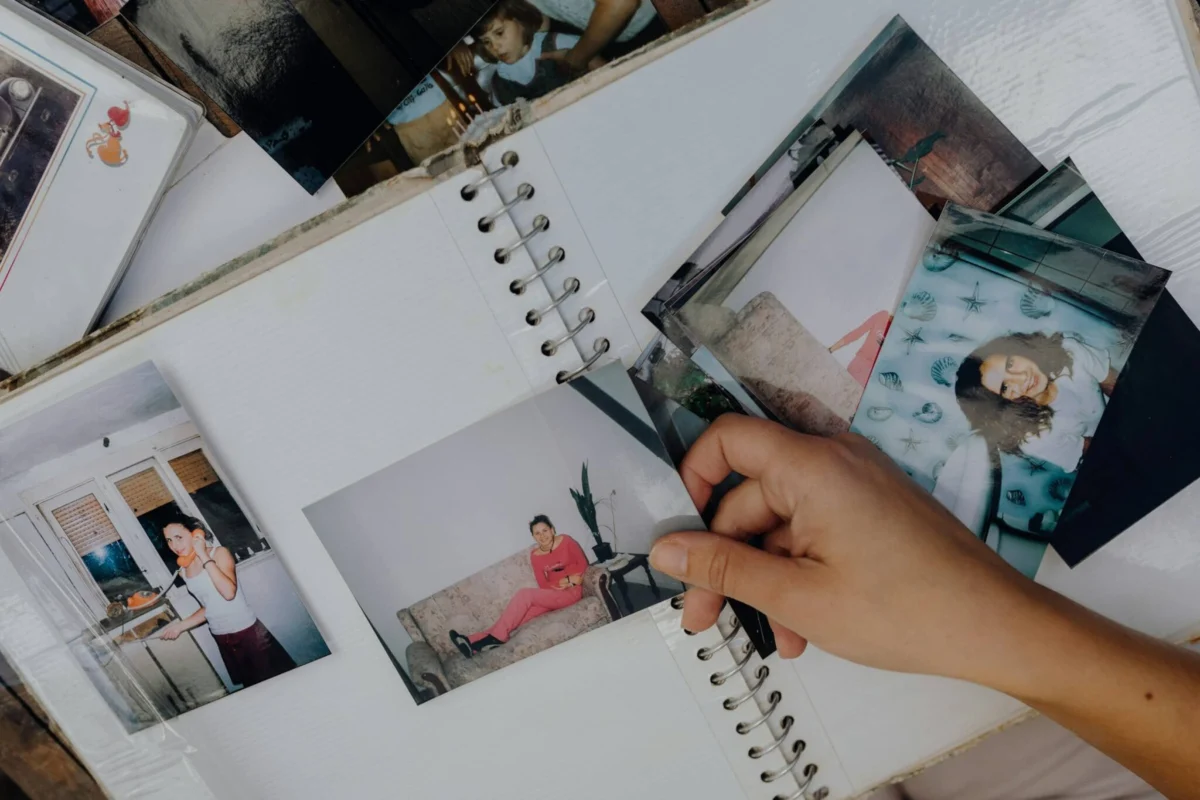
One of the most innovative aspects of Liz’s final year was her role as the "family cloud." She understood that the story of an object was often more valuable than the object itself. Darago’s role as the new family historian involves more than just owning old photos; it involves knowing the names and dates associated with them. This highlights a shift in modern legacy planning: moving from "transferring assets" to "transferring identity."
3. The Power of Presence
The most profound implication of Darago’s account is the realization that a person’s legacy is built on how they made people feel, not what they owned. This aligns with the core tenets of minimalism: by stripping away the distractions of material accumulation, one can focus on the "immense weight" of steady, consistent love.
Conclusion: A Call to Action
The Darago family’s story is a reminder that while death is inevitable, the chaos that follows it is often optional. Aunt Liz’s final year was a masterclass in "living with the end in mind." By setting up a trust, simplifying her environment, and speaking her truths while she was still alive to hear the responses, she ensured that her family’s final memories of her were defined by peace rather than paperwork.
As Joe Darago continues his work helping orphans find families, he carries with him the lessons learned in Northeast Ohio: that every child deserves a family, and every family deserves a legacy of love, unburdened by the weight of the "stuff" we leave behind. The challenge for the living is to be brave enough to start the conversation today, ensuring that when the time comes to say goodbye, the focus remains on the life lived, not the items left in the attic.