The Gothic Resurgence in VR: An In-Depth Look at ‘Bramblefort’ and the Evolution of Virtual Survival Horror
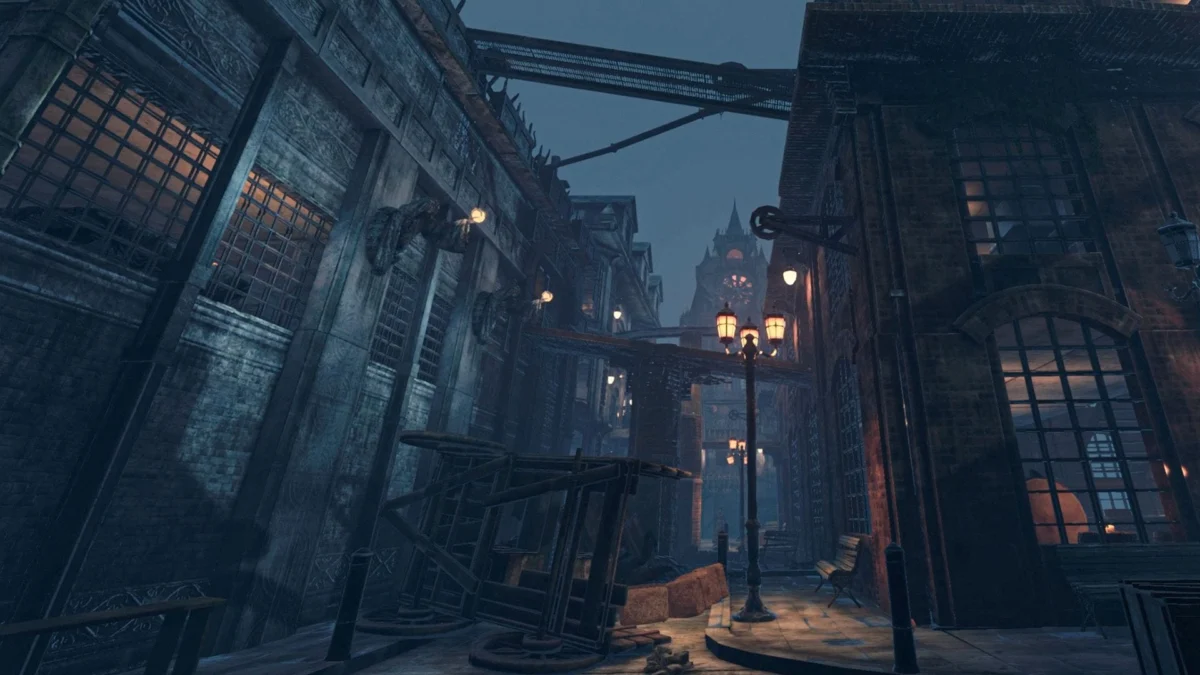
The landscape of virtual reality (VR) gaming is often criticized for its reliance on tech demos and short-form experiences. However, every few years, a title emerges that promises to bridge the gap between "VR gimmick" and "hardcore gaming masterpiece." Currently, that title is Bramblefort. Developed by the Helsinki-based independent studio False Member, Bramblefort has rapidly transitioned from an obscure indie project to one of the most anticipated survival horror titles on the SteamVR horizon.
Drawing heavy comparisons to legendary titles such as Resident Evil 4 and Bloodborne, Bramblefort seeks to do more than just replicate the aesthetic of its predecessors. It aims to integrate the complex, choice-driven mechanics of the "immersive sim" genre into the visceral, high-stakes environment of Victorian-era horror. Following a highly successful demo during Steam Next Fest, we take a deep dive into the development, philosophy, and future of this ambitious project.
Main Facts: A Convergence of Genres
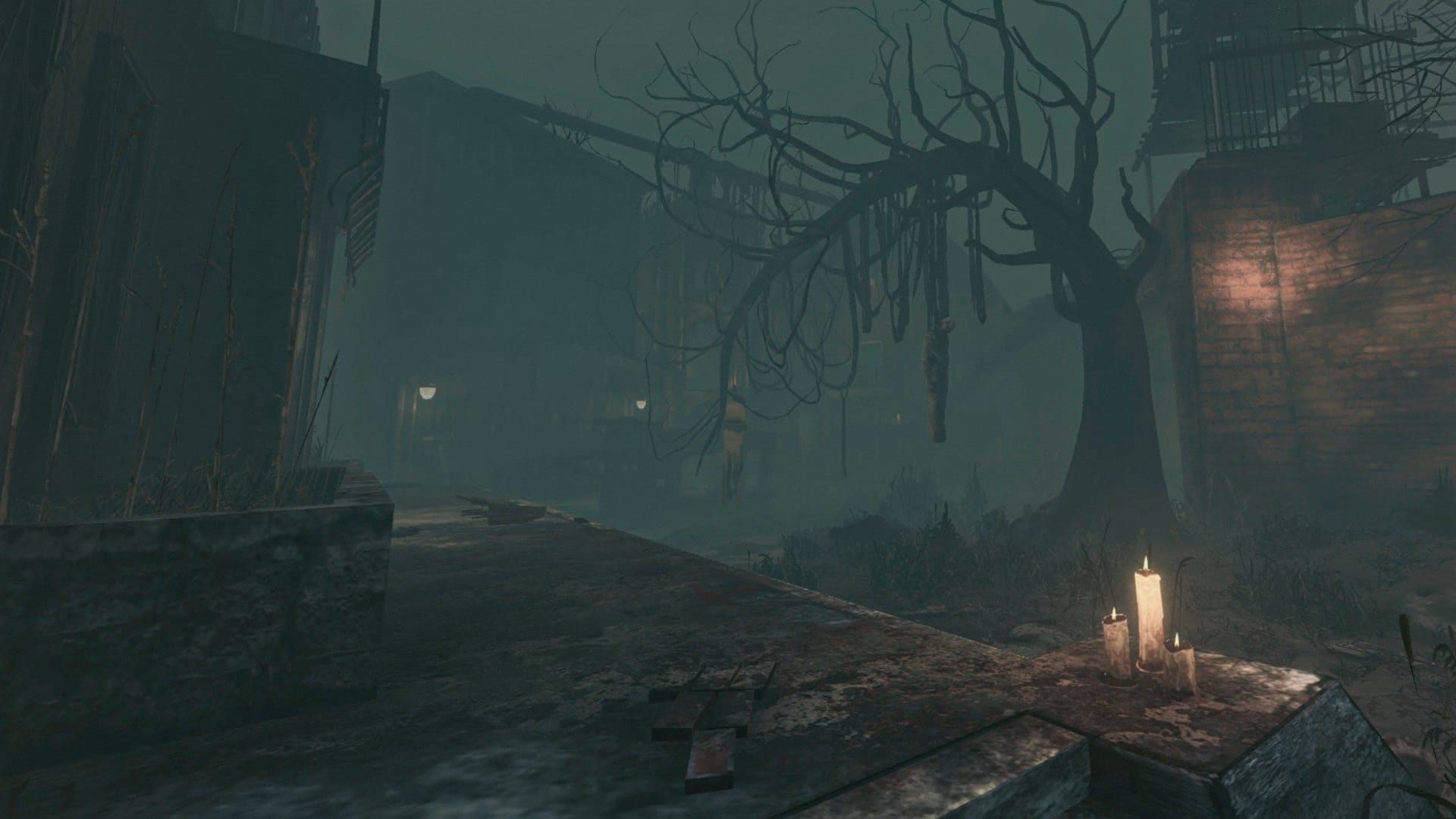
Bramblefort is not easily pigeonholed into a single category. At its core, it is a VR survival horror game, but its DNA is spliced with elements of "Soulslikes" and immersive simulators. Set in the late 19th century, the game transports players to a desolate, fog-shrouded island in the North Atlantic. This is not a historical recreation, but a nightmare landscape ravaged by a supernatural plague born from macabre, ancient rituals.
Players step into the boots of a field operative—a character tasked with infiltrating the island to uncover the source of the rot. The gameplay loop revolves around three primary pillars:
- Tactical Combat: Utilizing period-accurate firearms and melee weapons to fend off mutated horrors.
- Environmental Storytelling: Navigating a world where the architecture and item placement tell a story of a society in collapse.
- Player Agency: Utilizing immersive sim elements to solve problems. Whether it is finding a hidden key, shooting a lock through a distant window, or bypassing an entire encounter through stealth, the game prioritizes the player’s ingenuity over scripted sequences.
The game is currently being developed for PC VR, with a focus on high-fidelity interactions and a physics-based world where almost every object can be manipulated, thrown, or utilized.

Chronology: From Concept to Viral Sensation
The journey of Bramblefort is a testament to the power of modern social media and the "show, don’t tell" philosophy of game marketing.
Winter 2024: The Genesis
Development began in earnest during the winter of 2024. The team at False Member, led by manager Jesse Aalto, identified a significant void in the VR market. While there were plenty of shooters and several horror games, there was a distinct lack of "immersive sims"—games like Deus Ex or Dishonored—designed specifically for the medium of virtual reality. The team set out to build a framework that allowed for the high level of environmental interaction that VR demands.
June 2024: The Steam Next Fest Breakthrough
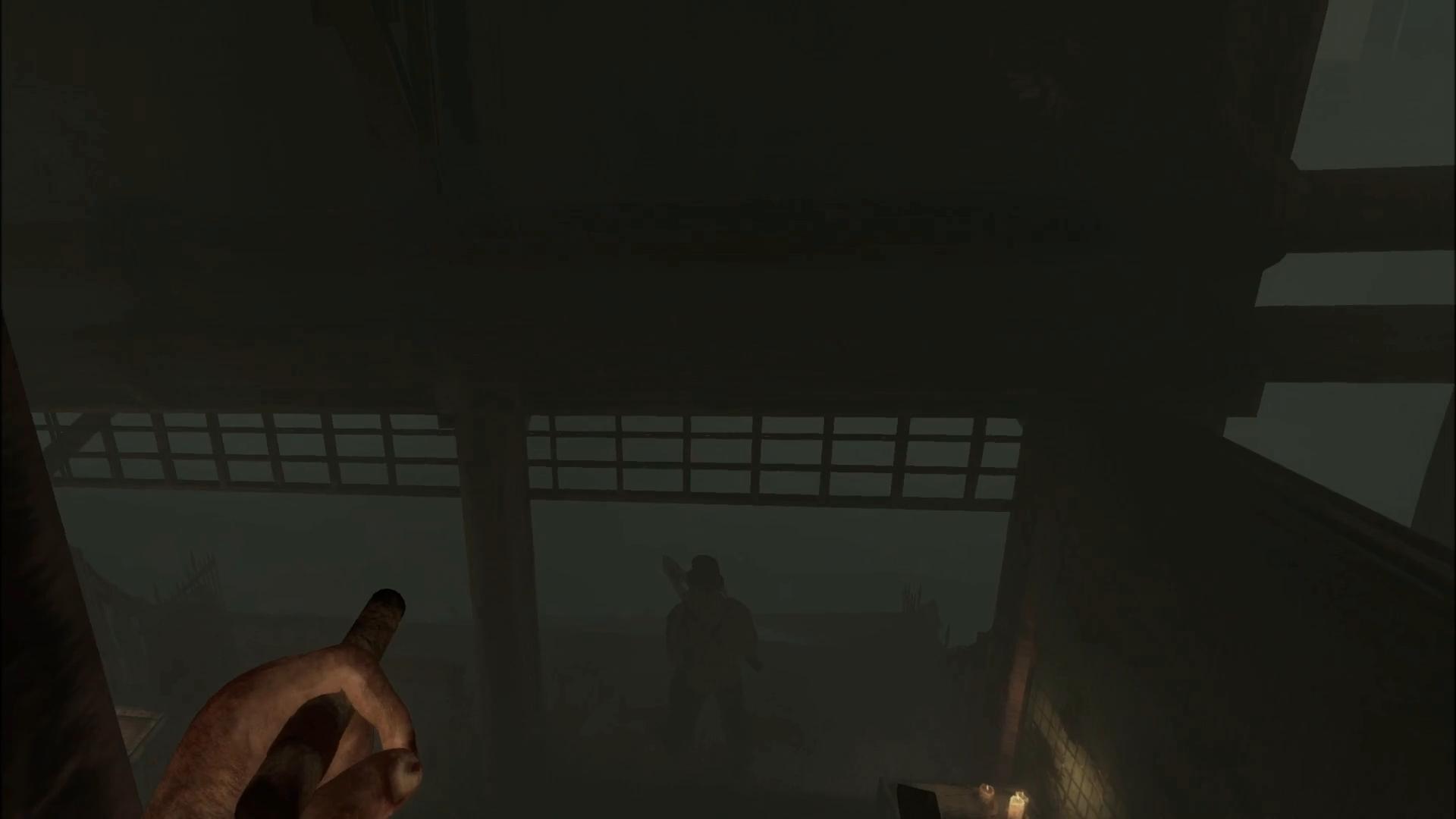
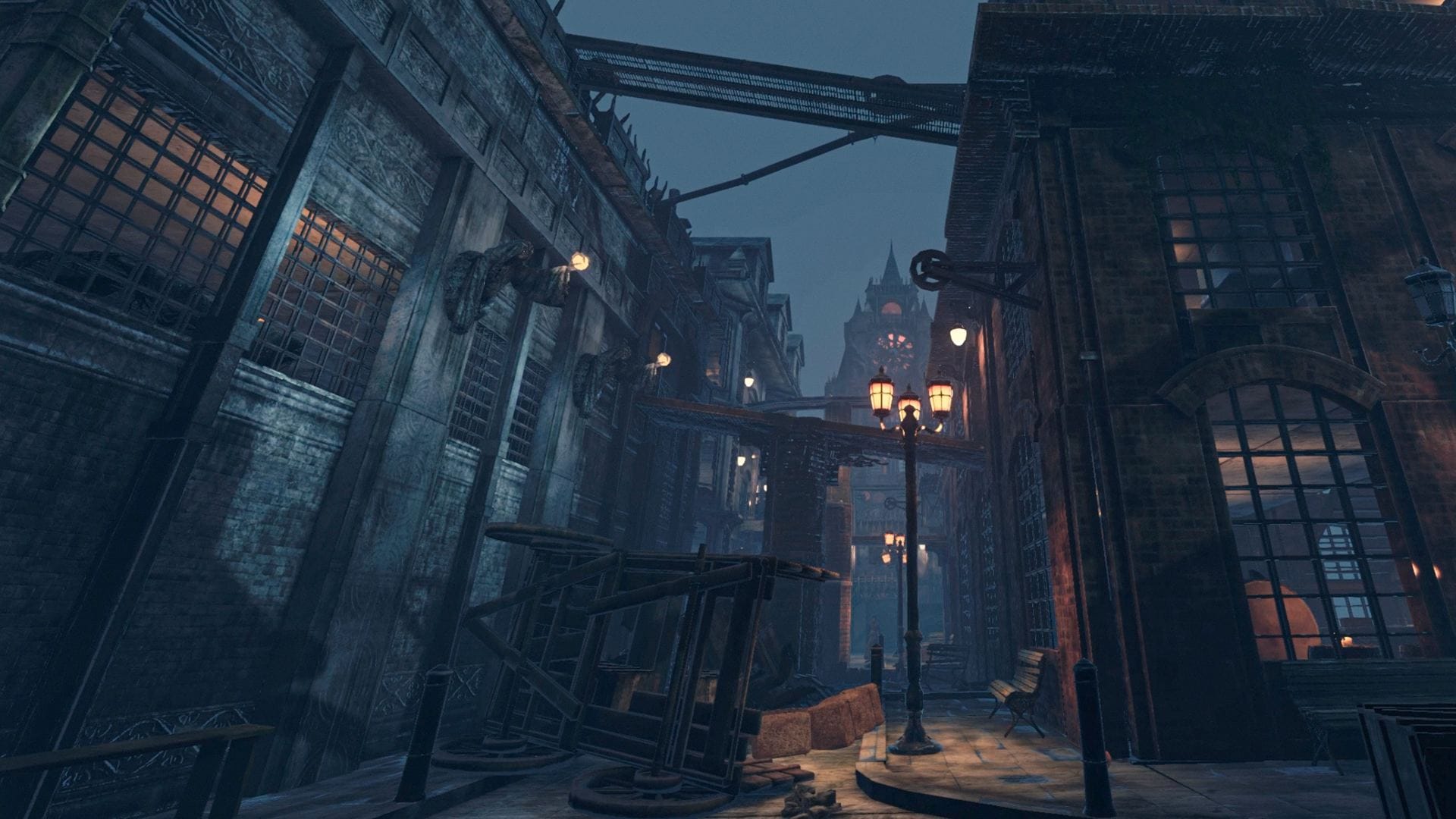
In mid-June, False Member released a playable demo as part of the Steam Next Fest. The demo served as a "proof of concept" for the game’s core mechanics. It was here that the game began to gain significant traction. Clips of the game’s combat—characterized by its weighty physics and grim atmosphere—began circulating on X (formerly Twitter) and Reddit. Fans of the Souls series and Resident Evil noted the striking similarities in art direction: the gothic spires, the tattered Victorian garb of the enemies, and the oppressive, damp atmosphere of the North Atlantic setting.
July 2024: Critical and Community Acclaim
Following the demo, Bramblefort earned a "Very Positive" rating on Steam. Players praised the game for its "physicality"—the feeling that the player is actually inhabiting a space rather than just floating through a digital environment. This feedback loop has become a cornerstone of the game’s ongoing development, with the small team at False Member using player data and bug reports to refine the experience.
Supporting Data: The Pillars of Interaction
To understand why Bramblefort has resonated so deeply with the VR community, one must look at the technical and design data that separates it from standard "wave shooters."
The "Static Cup" Problem
In traditional flatscreen gaming, background objects are often "static meshes"—visual decorations that cannot be interacted with. In VR, Jesse Aalto argues, this breaks the "presence" of the player.
- Physics-Based Interaction: In Bramblefort, if a player sees a cup, they can pick it up. They can throw it to distract an enemy, or they can try to catch liquid in it. This level of granularity requires a significantly more complex physics engine than a standard shooter.
- Spatial Perception: The team found that proportions in VR must be handled differently than on a monitor. A hallway that feels "tight" on a screen can feel claustrophobic and terrifying in a headset. Bramblefort utilizes 1:1 scale mapping to ensure that the Victorian architecture feels imposing and authentic.
Non-Linear Level Design
A key data point in the game’s success is its approach to level design. Influenced by Arkane Studios’ Dishonored, Bramblefort features "labyrinthine" levels.
- The Multi-Path Ratio: Internal testing and demo feedback showed that players appreciate having at least three distinct ways to handle any given obstacle: the "Front Door" (combat), the "Back Window" (stealth/exploration), and the "Creative Solution" (using physics or environmental hazards).
- Content "Missability": In a bold move for a small studio, False Member has designed the game so that players can—and likely will—miss significant portions of content on a single playthrough. This increases replayability and makes the world feel "indifferent" to the player, a hallmark of the survival horror genre.
Official Responses: Insights from False Member
In an exclusive exchange, Jesse Aalto, Team Manager at False Member, provided insight into the studio’s philosophy and the challenges of being a small team in a high-tech industry.
On Inspirations:
"Resident Evil 4 and Bloodborne are definitely on the list of inspirations," Aalto confirmed. However, he noted that the team looks beyond the horror genre for mechanical inspiration. "Some others are Dishonored, Dark Souls 3, and the movie The Wicker Man. There are a ton more, some very specific; for example, the way the shooting range target explodes when shot is inspired by the Jak 2 shooting range."
On the Challenges of VR Development:
Aalto emphasized that Bramblefort is a learning process. "Most of what we’ve learned about VR has come from developing Bramblefort itself," he admitted. The team operates with a "nimble" approach, iterating on ideas daily. "In VR, everything in the world has to be believable and responsive, or immersion is disturbed."
On the Success of the Demo:
"People seemed genuinely excited about the game, which meant a lot to us," Aalto said. He noted that the influx of players was a logistical boon. "Testing a game with a small team has its challenges, and suddenly having a large number of players helping us find bugs and issues has been amazing."
On Future Platforms:
While the community is clamoring for a Quest 3 or PSVR2 port, Aalto remains pragmatic. "We need to focus on one platform at a time, but we’re definitely interested in bringing the game to other platforms in the future."
Implications: The Future of the VR Ecosystem
The rise of Bramblefort carries several significant implications for the VR industry and the indie development scene at large.
1. The "AA" VR Market
For years, the VR market has been bifurcated between massive "AAA" titles like Half-Life: Alyx and small, experimental indie projects. Bramblefort represents the emergence of the "AA" VR title—games with high production values and deep mechanics that are developed by small, focused teams rather than massive corporations. If Bramblefort succeeds, it could provide a roadmap for other indie studios to tackle complex genres like the immersive sim.
2. The Return to PC VR
With the dominance of the Meta Quest, many developers have shifted toward mobile-processor-friendly graphics. Bramblefort, however, leans into the power of PC VR. This suggests there is still a hungry market for high-fidelity, atmospheric experiences that push hardware limits, potentially encouraging other developers to return to the PC platform.
3. Genre Hybridization as a Standard
The success of Bramblefort’s demo suggests that VR players are tired of "pure" genres. They want the depth of an RPG, the tension of a horror game, and the freedom of a sim. False Member’s plans to add "light RPG elements like character and weapon upgrades" and "smarter and more varied enemy types" indicate that the future of VR gaming lies in complexity, not simplicity.
Conclusion: A New Fog Rises
Bramblefort is currently in active development, and while a firm release date remains elusive, the foundation laid by the Steam Next Fest demo is remarkably solid. False Member has managed to capture the "lightning in a bottle" that made Bloodborne a cultural phenomenon, while simultaneously pushing the boundaries of what is possible in a virtual environment.
As the studio moves toward the full release, the focus remains on expansion: more levels, deeper story elements, and a more robust upgrade system. For fans of survival horror and immersive sims, Bramblefort is no longer just a "game to watch"—it is a testament to the maturing of VR as a legitimate medium for complex, adult-oriented storytelling and gameplay.
The demo remains available on Steam, offering a haunting, rain-slicked window into what may be one of the most important VR releases of the mid-2020s. For Jesse Aalto and the team at False Member, the North Atlantic is calling—and the world is finally listening.