The Foldable Frenzy: Apple Enters the Arena, But Rivals Dominate the Discounts

The smartphone landscape is undergoing a seismic shift, with the foldable form factor rapidly transitioning from a niche curiosity to a mainstream contender. While Apple’s long-anticipated "iPhone Duo" is finally poised to enter the fray, industry veterans like Samsung, Motorola, and Honor have been diligently cultivating this burgeoning market for years, often highlighting their pioneering efforts on social media. In a notable twist, Samsung, a key player in foldable technology, actually supplies the very displays that will power Apple’s new devices, underscoring the intricate web of innovation and competition within the sector.
As the dust settles on the iPhone Duo’s announcement, the conversation quickly turns to pricing and availability. Apple has set a formidable starting price of $1,999 for its foldable offering. This positions it slightly above the initial list price of Samsung’s flagship Galaxy Z Fold8 Ultra, which clocks in at $2,099. However, the market is already demonstrating its dynamic nature. Savvy consumers in the US can currently snag the Samsung Galaxy Z Fold8 Ultra for a significantly reduced price of $1,799 at Amazon, making it a full $200 cheaper than Apple’s impending release. This immediate price advantage for a more established foldable device presents a compelling argument for early adopters and value-conscious buyers.
Across the pond, the UK market is witnessing an even more aggressive price adjustment. The impressive Honor Magic V6, lauded for its sleek design and robust features, is available at a substantial discount. Consumers can now acquire this premium foldable for £1,499, a remarkable saving of £500 from its original price of £1,999, directly from the Honor website. These substantial price drops across key markets signal a strategic move by manufacturers to capture market share and attract a wider audience to the foldable experience, even as a major new player enters the game.
This influx of foldable devices and the accompanying price adjustments highlight a broader trend: the democratization of cutting-edge mobile technology. While the allure of a new Apple product is undeniable, the established players are leveraging their experience and manufacturing prowess to offer compelling alternatives at increasingly competitive price points. For those seeking a digital detox or a simpler mobile experience, the market also offers a growing selection of affordable "dumb phones" that provide a stark contrast to the feature-rich, often overwhelming, nature of modern smartphones.
US Foldable Phone Deals: A Snapshot of Value
The US market is currently a battleground for foldable phone enthusiasts, with significant savings available on some of the most innovative devices. As highlighted, the Samsung Galaxy Z Fold8 Ultra stands out with a substantial $300 price cut, bringing its cost down to a more accessible $1,799 at Amazon. This positions it as a direct and more affordable competitor to the upcoming iPhone Duo.
Beyond Samsung, other manufacturers are also vying for consumer attention with attractive offers. While specific deals fluctuate, it’s worth noting the general pricing landscape:
- Samsung Galaxy Z Fold8 Ultra: Currently available at a discounted $1,799 at Amazon, down from its list price of $2,099. This represents a significant saving and makes it one of the most compelling foldable options on the market for US consumers.
- Honor Magic V6: While the most aggressive discounts are currently seen in the UK, US pricing for the Honor Magic V6 typically hovers around the $1,749 mark. Keep an eye out for potential promotional offers that could bring this exceptionally thin and durable foldable within reach.
- Google Pixel 10 Pro Fold: This device, known for its strong software integration and AI capabilities, generally retails in the $1,600-$1,800 range. While not always subject to the same deep discounts as Samsung, it offers a unique proposition for those prioritizing Google’s ecosystem and advanced AI features.
The availability of these deals underscores the competitive nature of the foldable market. Manufacturers are clearly incentivized to move inventory and attract new customers, making now an opportune time for consumers to invest in this next-generation smartphone technology.
UK Foldable Phone Deals: Unprecedented Savings Emerge
The United Kingdom is currently experiencing a remarkable surge in foldable phone affordability, particularly with the Honor Magic V6 taking center stage. The original price of £1,999 has been slashed by an impressive £500, bringing the device down to a highly attractive £1,499 directly from Honor’s website. This represents a significant opportunity for UK consumers to experience one of the slimmest and most durable foldables on the market at a fraction of its initial cost.
Other foldable options in the UK also present compelling value:
- Samsung Galaxy Z Fold8 Ultra: While the $300 discount seen in the US isn’t directly replicated in the UK, the Galaxy Z Fold8 Ultra is often available for around £1,700-£1,800, making it a strong contender against the iPhone Duo’s projected £1,999 price tag.
- Motorola Razr Ultra: This clamshell foldable is frequently found with discounts, often ranging between £700 and £900, offering a more compact and affordable entry into the foldable space.
- Xiaomi Mix Fold 4 / OnePlus Open 2: These devices, known for their competitive pricing and impressive camera technology (Xiaomi’s collaboration with Leica is a notable feature), typically fall within the £1,300-£1,500 bracket, offering strong alternatives to the premium flagships.
The aggressive pricing in the UK, particularly for the Honor Magic V6, suggests a strategic push to establish market presence and appeal to a broader consumer base. This intense competition benefits consumers by driving down prices and increasing accessibility to advanced mobile technology.
The Evolving Foldable Landscape: Beyond the iPhone Duo
The foldable phone market in 2026 is no longer a nascent category; it’s a vibrant and increasingly sophisticated ecosystem. While Apple’s entry with the iPhone Duo has undoubtedly generated significant buzz, it arrives in a market already populated by seasoned innovators. The landscape is now defined by a diverse range of devices, each offering a unique blend of design, functionality, and price.
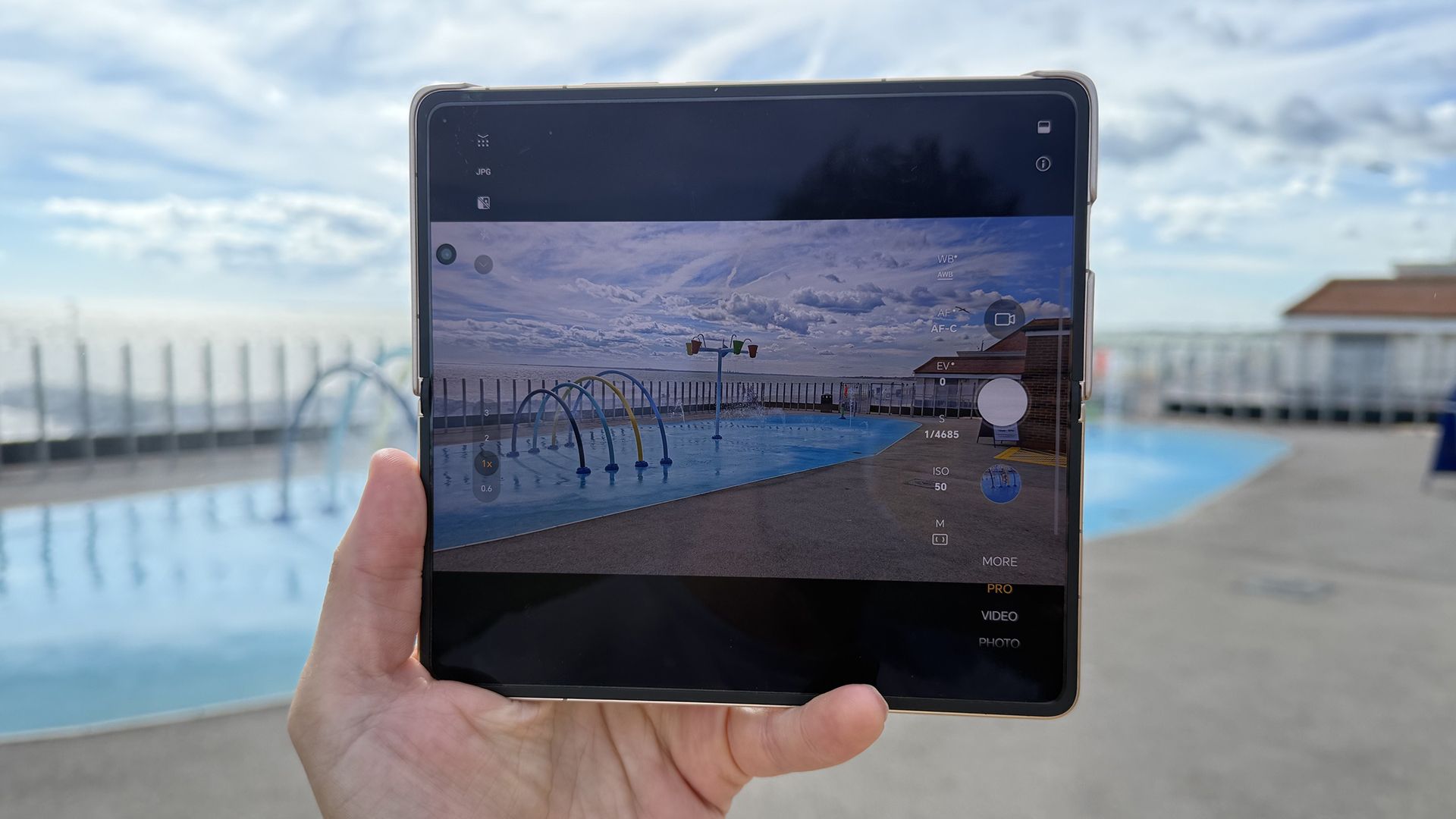
The Current Frontrunners and Their Unique Selling Propositions:
- Samsung Galaxy Z Fold8 Ultra: This device continues to be the benchmark for the "book-style" foldable. Its strengths lie in its highly refined hinge mechanism, extensive ecosystem support that seamlessly integrates with other Samsung devices, and robust multi-window multitasking capabilities, making it a productivity powerhouse. Its wide, tablet-like internal display offers an immersive experience for content consumption and productivity.
- Google Pixel 10 Pro Fold: Google’s offering carves out its niche by excelling in software and artificial intelligence. It often undercuts Samsung slightly on price while delivering the most advanced AI features and computational photography, leveraging Google’s deep expertise in these areas. While its hardware might feel marginally less premium than Samsung’s, its software integration and AI prowess are unparalleled for those invested in the Google ecosystem.
- Honor Magic V6: This foldable has distinguished itself by pushing the boundaries of design, specifically in its thinness and overall portability. It boasts impressive durability with IP68/IP69 water and dust resistance, a significant achievement for a foldable device. However, its higher starting price point of $1,749 / £1,999 and a comparatively smaller ecosystem can be limiting factors for some consumers.
- Huawei Mate XT Ultimate: This device represents a bold exploration of the foldable form factor, featuring a massive 10.2-inch internal screen when unfolded. While visually striking and offering an expansive canvas, its tri-fold design, while innovative, raises questions about practicality and everyday usability for the average consumer. It’s a statement piece more than a mass-market device.
The Clamshell Contenders:
For users who prefer a more compact, pocketable design, the clamshell foldable segment offers compelling options:
- Samsung Galaxy Z Flip8: Samsung’s clamshell foldable is celebrated for its refined hinge, which has undergone multiple iterations to ensure durability and a smooth user experience. It offers a premium feel and seamless integration within the Samsung ecosystem.
- Motorola Razr Ultra: This device is a strong contender in the clamshell space, particularly noted for its impressive battery life and fast-charging capabilities. It often strikes a balance between nostalgic design and modern functionality.
Emerging Challengers and Niche Offerings:
The foldable market is also characterized by fierce competition from other Chinese manufacturers, who are increasingly challenging the established giants with aggressive pricing and innovative features:
- Xiaomi Mix Fold 4: Xiaomi’s foldable offerings often impress with their camera technology, a testament to their partnership with the renowned camera manufacturer Leica. The Mix Fold 4 aims to deliver a top-tier camera experience within a foldable form factor.
- OnePlus Open 2: OnePlus, known for its performance-oriented smartphones, enters the foldable arena with devices that often compete directly on price and specifications. The Open 2 is expected to offer a compelling package for those seeking high performance and a refined user experience.
The continuous innovation from companies like Honor and Huawei, particularly with devices like the tri-fold Mate XT Ultimate, demonstrates a clear ambition to redefine what a foldable phone can be. While some of these designs might be considered experimental, they push the industry forward and pave the way for future advancements. The ultimate winners in this rapidly evolving market will be the consumers, who stand to benefit from a wider array of choices, increasingly competitive pricing, and a relentless drive for technological innovation.
The Implications of Apple’s Entry and the Price War
Apple’s decision to finally enter the foldable smartphone market with the iPhone Duo carries significant implications for the industry. Historically, Apple’s late entry into a new technology segment has often been followed by a period of intense market consolidation and innovation, driven by Apple’s immense influence and ecosystem.
For Consumers:
- Increased Choice and Competition: The presence of a major player like Apple intensifies competition, forcing all manufacturers to innovate faster and offer more compelling value propositions. This is particularly evident in the current price war, where discounts on established foldables are making this technology more accessible than ever before.
- Potential for Ecosystem Integration: Apple’s foldable will undoubtedly leverage its robust ecosystem of apps and services. This could set a new standard for how foldable devices integrate with other Apple products, potentially influencing how competitors approach their own ecosystem strategies.
- Maturity of the Form Factor: Apple’s entry signals a growing maturity in the foldable market. It suggests that the form factor is no longer a niche experiment but a viable and desirable segment for mainstream consumers.
For Manufacturers:
- Pressure to Innovate: Established players like Samsung and Honor will face increased pressure to differentiate their offerings and maintain their competitive edge. This might lead to accelerated development cycles for new features and improved designs.
- Supply Chain Dynamics: Samsung’s role as a display supplier for Apple highlights the intricate and often collaborative nature of the tech industry. This could lead to new partnerships and shifts in the supply chain as demand for foldable components grows.
- Pricing Strategies: The current price war is likely to continue, especially in the lead-up to and following Apple’s launch. Manufacturers will need to carefully balance their pricing strategies to remain competitive while also recouping R&D investments.
The Future of Foldables:
The foldable phone is no longer a question of "if" but "when" for mainstream adoption. As the technology matures, hinges become more durable, screens more resilient, and software more optimized for the unique form factor, the appeal of these devices will only grow. The current price reductions are a clear indicator that the market is eager to embrace this evolution. While Apple’s iPhone Duo will undoubtedly capture significant attention, the real winners are consumers who are now presented with an unprecedented array of choices and compelling deals in the exciting world of foldable technology. The future of smartphones is undeniably folding, and the competition is only just heating up.