A New Frontier: Netflix’s ‘Little House on the Prairie’ and the Resurgence of Earnest Storytelling
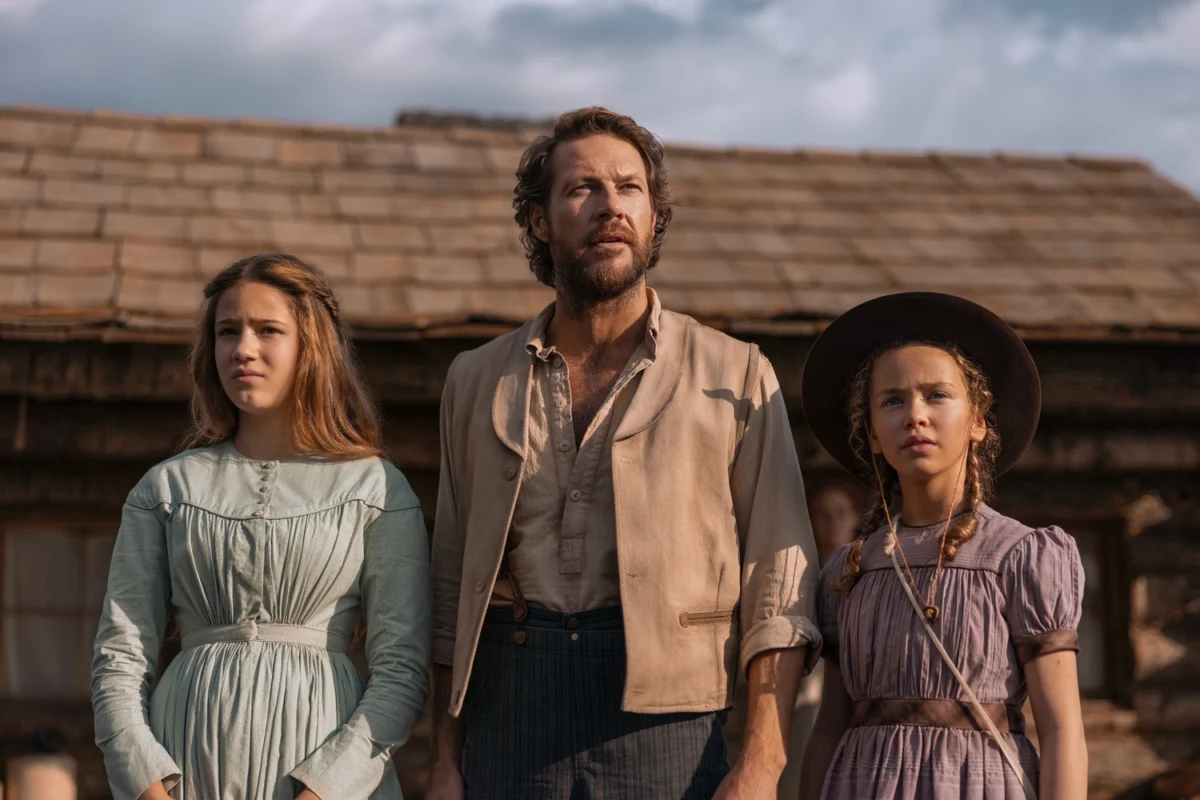
In an era of television often defined by cynical anti-heroes, high-concept science fiction, and gritty reboots, Netflix’s latest venture takes a decidedly different path. The streaming giant’s new adaptation of Little House on the Prairie, helmed by creator Rebecca Sonnenshine, marks a significant departure from the trend of "prestige" nihilism. Instead, the series offers a heart-filled, honorable, and meticulously crafted interpretation of Laura Ingalls Wilder’s timeless literary works.
While critics and audiences often gravitate toward the dark complexities of BoJack Horseman, the twisty narratives of Dark, or the visceral thrills of Squid Game, there remains a vital, if sometimes overlooked, niche for wholesome, earnest programming. Following in the footsteps of the critically acclaimed but prematurely canceled The Baby-Sitters Club, Sonnenshine’s Little House on the Prairie seeks to reclaim the "family drama" label, proving that quality and sincerity are not mutually exclusive.
Main Facts: A Modern Revival of a Classic Legacy
The first season of Little House on the Prairie, consisting of eight episodes, is set to premiere on Thursday, July 9. The production is a sophisticated reimagining that stays true to the spirit of Wilder’s semi-autobiographical novels while expanding the narrative lens to include a more diverse and historically accurate portrayal of the 19th-century American frontier.
Key Production Details
- Showrunner/Creator: Rebecca Sonnenshine (The Boys, Archive 81).
- Lead Cast: Alice Halsey as Laura Ingalls, Luke Bracey as Charles "Pa" Ingalls, Crosby Fitzgerald as Caroline "Ma" Ingalls, and Skywalker Hughes as Mary Ingalls.
- Supporting Cast: Jocko Sims (Dr. George Tann), Warren Christie (Mr. Edwards), Barrett Doss (Emily Henderson), and Wren Zhawenim Gotts (Good Eagle).
- Directorial Team: An all-female lineup including Sarah Adina Smith and Reservation Dogs veteran Sydney Freeland.
- Visuals and Score: Cinematography focused on the natural beauty of the Canadian prairies (filmed in Winnipeg) and an evocative score by Dan Romer (Station Eleven, Beasts of the Southern Wild).
The series arrives with a rare vote of confidence from Netflix: it has already been renewed for a second season prior to its debut, signaling the streamer’s commitment to building a long-term family franchise.
Chronology: From the Big Woods to the Open Plains
The narrative arc of the first season meticulously tracks the Ingalls family’s migration and their attempts to build a life in a volatile landscape.
The Journey Begins
The season opens with the Ingalls family departing the "Big Woods" of Wisconsin. Charles "Pa" Ingalls, driven by a desire for independence and land ownership, leads his wife Caroline and daughters Mary and Laura toward the Kansas territory. This initial phase of the story establishes the family dynamics: Laura is the spirited, slingshot-wielding storyteller; Mary is the refined, studious older sister; and Ma is the resilient emotional anchor, secretly carrying a pregnancy while navigating the perils of the trail.
Settling in Independence
Upon arriving in the town of Independence, Kansas, the family encounters a community in its infancy. The town lacks a post office and a church, but it is bustling with the ambitions of its settlers. The middle chapters of the season focus on the grueling labor of homesteading—building a log cabin from scratch, digging a well, and preparing for the harsh unpredictability of frontier winters.
The Conflict of Manifest Destiny
As the season progresses, the narrative expands beyond the domestic sphere. The Ingalls family eventually discovers that the land they have settled on—promised to them by the government—is actually part of the Osage Diminished Reserve. The final episodes of the season deal with the rising tensions between the settlers and the local Osage tribes, culminating in a poignant realization of the human cost of westward expansion. The season concludes with a mixture of personal triumph and the looming shadow of displacement, setting the stage for the already-confirmed second season.
Supporting Data: Casting and Visual Craftsmanship
The success of a "wholesome" series often hinges on the likability and authenticity of its cast. In this regard, Little House on the Prairie excels through a combination of fresh faces and seasoned veterans.
A Breakout Performance
Alice Halsey, as Laura Ingalls, is the undisputed heart of the series. Tasked with stepping into a role famously occupied by Melissa Gilbert in the 1970s, Halsey brings a "plucky yet vulnerable" energy to the character. Her performance captures the "endearingly imperfect" nature of a young girl caught between childhood wonder and the harsh realities of survival.
Redefining the Patriarch
Luke Bracey, previously known for action-oriented roles, offers a grounded and "earthy nobility" to Charles Ingalls. While he avoids imitating Michael Landon’s iconic portrayal, Bracey manages to embody the "girl dad" spirit (a modern term for a timeless paternal bond) that makes the character relatable to contemporary audiences. His chemistry with Crosby Fitzgerald (Ma) provides the necessary romantic and partnership foundation for the series.
Aesthetic Excellence
Production-wise, the series leverages its Winnipeg filming locations to create a visual language of "impeccably photographed sunsets and sunrises." The use of natural light and "amber waves of grain" creates a nostalgic yet high-definition look. Dan Romer’s score further elevates the emotional stakes, avoiding mawkishness in favor of a sweeping, folkloric sound that mirrors the vastness of the prairie.
Official Responses and Critical Context: Addressing the "Woke" Discourse
In the lead-up to its release, the series has faced preemptive scrutiny regarding its modernized approach to historical representation. Creator Rebecca Sonnenshine and her team have been intentional about "dimensionalizing" characters who were mere footnotes in previous adaptations.
Expanding the Frontier
The inclusion of a Black doctor, George Tann (played by Jocko Sims), and a Black store owner, Emily Henderson (Barrett Doss), has drawn comments from some corners of the internet regarding "wokeness." However, historical records confirm the presence of Black pioneers and professionals in the post-Civil War West. The show treats these characters not as political statements, but as integral members of the Independence community with their own backstories and agency.
Indigenous Perspectives
Perhaps the most significant shift is the portrayal of the Osage people. Rather than being depicted as "faceless threats," the Osage are represented by characters like Good Eagle (Wren Zhawenim Gotts) and her parents. Through Laura’s friendship with Good Eagle, the series articulates the discomfort and injustice of Manifest Destiny. Critics have noted that this doesn’t diminish the heroism of the Ingalls family but rather "expands the world and brings it to life in a way that doesn’t deny its basic truths."
Implications: The Future of Family Television at Netflix
The launch of Little House on the Prairie carries significant implications for Netflix’s broader content strategy. In recent years, the streamer has struggled to find a consistent "all-ages" hit that commands the same cultural respect as its adult-oriented dramas.
Moving Past the "Baby-Sitters Club" Setback
The shadow of The Baby-Sitters Club looms large over this release. That series was a critical darling but was canceled after two seasons, largely due to a perceived "stigma" that it was only for young women. By investing in Little House on the Prairie—a brand with multi-generational recognition—Netflix is attempting to bridge the gap between "youth programming" and "prestige drama."
The "Sincerity" Pivot
There is a growing audience demand for "comfort TV"—shows that provide emotional catharsis without the need for extreme violence or cynicism. If Little House on the Prairie succeeds, it could pave the way for a resurgence of earnest, high-budget adaptations of classic literature. The early Season 2 renewal suggests that Netflix is banking on the "warm-fuzzies" to drive long-term subscriber retention.
Conclusion: An Honorable Interpretation
Ultimately, Rebecca Sonnenshine’s Little House on the Prairie is an honorable interpretation that respects the source material while acknowledging the complexities of history. It is a series that aims at a specific target—the heart—and hits it with precision. Whether it can overcome the modern penchant for irony remains to be seen, but for those willing to embrace its sincere purpose, the prairie has never looked more inviting.