The Week in Speculative Fiction: Awards, Legacies, and Digital Futures
This week in the world of speculative fiction brings a blend of upcoming events, reflective tributes, and significant industry shifts. From fan-voted awards to the re-evaluation of classic political sci-fi, and from the celebration of literary giants to the contentious move towards digital-only gaming, the landscape of science fiction and fantasy continues to evolve, challenge, and inspire.
Key Announcements and Deadlines
The speculative fiction community is abuzz with opportunities for participation and anticipation for major releases and events.
Dragon Awards 2026: Nominations Closing Soon
The window for nominations for the 2026 Dragon Awards is rapidly closing, with the final deadline set for July 12. These prestigious fan-voted awards, presented annually at Dragon Con, celebrate excellence across various categories in science fiction, fantasy, and horror.
Main Facts:
Nominations for the 2026 Dragon Awards are open until July 12. The awards honor outstanding works in speculative fiction, recognizing achievements across a wide spectrum of media, including novels, comics, films, and games.
Supporting Data:
The Dragon Awards were established in 2016 by Dragon Con, one of the largest multi-genre pop culture conventions in the world, held annually in Atlanta, Georgia. Unlike many other genre awards, the Dragon Awards are entirely fan-driven. Nominations are typically open to all registered Dragon Con members and attendees, fostering a direct connection between the audience and the recognition of their favorite works. Categories generally span a diverse range, often including Best Science Fiction Novel, Best Fantasy Novel, Best Young Adult Novel, Best Comic Book, Best Graphic Novel, Best Media Tie-In Novel, Best Game, Best Film, and Best TV Series. The 2026 awards will honor works released during the 2025 calendar year, making the current nomination period crucial for ensuring a comprehensive and representative ballot. The process emphasizes broad fan participation, aiming to reflect popular appeal and engagement within the genre community.
Implications:
The Dragon Awards have carved out a unique niche by prioritizing direct fan input, often leading to a different set of winners compared to juried or professional-body awards. This democratic approach encourages broader engagement from the speculative fiction readership and viewership, allowing for diverse tastes to be represented. The rapid approach of the nomination deadline underscores the importance for fans to actively participate and submit their favored works from the past year, ensuring that a wide array of deserving titles and creators are considered for this significant fan accolade. The awards not only celebrate current achievements but also highlight emerging trends and popular narratives within the vibrant and expansive speculative fiction landscape.
PKDFEST2026: Registration Open for Philip K. Dick Festival
Enthusiasts of visionary science fiction are invited to register for PKDFEST2026, the 4th International Philip K. Dick Festival. The event, scheduled for August 20–23, 2026, at the Fullerton Marriott at California State University, offers a comprehensive program and free registration.
Main Facts:
The 4th International Philip K. Dick Festival, PKDFEST2026, is open for free registration. The event will take place from August 20-23, 2026, at the Fullerton Marriott at California State University, featuring panels, readings, world premieres, and the inaugural Pink Beam Awards.

Supporting Data:
Philip K. Dick (1928-1982) remains one of the most influential and prescient authors in science fiction history, renowned for his explorations of reality, identity, paranoia, and the nature of humanity in a technologically advanced world. His works, including Do Androids Dream of Electric Sheep? (the basis for Blade Runner), Ubik, Minority Report, and A Scanner Darkly, have profoundly impacted literature, film, and philosophy. PKDFEST aims to celebrate and critically engage with Dick’s enduring legacy. The festival’s agenda is packed with academic panels dissecting his themes, readings from contemporary authors influenced by his style, and potentially world premieres of adaptations or new works inspired by his universe. A highlight will be the introduction of the Pink Beam Awards, an intriguing new addition likely referencing Dick’s own enigmatic experiences with a "pink beam" of light, which he described as a mystical or revelatory encounter in 1974. These awards could honor works that embody Dickian themes or contribute to his philosophical inquiries. The choice of Fullerton, California, is significant as Dick lived in the area during his later, highly productive years, providing a geographical connection to his creative period.
Implications:
PKDFEST2026 offers a unique convergence point for scholars, writers, and fans to delve into the complex and often prophetic narratives of Philip K. Dick. The free registration democratizes access, ensuring a wide audience can participate in discussions about his work’s continued relevance to contemporary issues like artificial intelligence, virtual reality, surveillance, and political manipulation. The festival not only serves as a platform for intellectual discourse but also helps to preserve and expand Dick’s cultural footprint, fostering new interpretations and creative responses to his challenging ideas. The Pink Beam Awards, in particular, could establish a new benchmark for recognizing works that push the boundaries of reality and perception, much like Dick himself did.
Creative Arts Emmy Awards 2026: Animation and VFX Nominees Revealed
Animation Magazine has released the comprehensive list of nominees for the 2026 Emmy Awards, with a particular focus on the categories dedicated to animation and visual effects. These awards recognize outstanding achievements behind the scenes in television.
Main Facts:
Animation Magazine has published the list of nominees for the 2026 Emmy Awards, specifically highlighting those in animation and visual effects categories. The 78th Emmy Awards, hosted by Mariska Hargitay, will air live on September 14 on NBC and Peacock. The Creative Arts Emmy Awards, which include the animation and VFX categories, are scheduled for September 5 and 6.
Supporting Data:
The Emmy Awards distinguish between the main Primetime Emmy Awards, which honor major acting, directing, and writing categories, and the Creative Arts Emmy Awards, which celebrate technical and artistic achievements such as cinematography, editing, costume design, sound, and, critically for genre fans, animation and visual effects. These Creative Arts categories, including "Outstanding Animated Program," "Outstanding Character Voice-Over Performance," "Outstanding Special Visual Effects in a Season or a Movie," and "Outstanding Special Visual Effects in a Single Episode," are vital for recognizing the intricate craftsmanship and groundbreaking innovation within the animation and VFX industries. Animation Magazine serves as a key industry publication, making its coverage of these specific nominations particularly authoritative. The 78th Emmy Awards ceremony, hosted by acclaimed actress Mariska Hargitay, promises to be a significant event for the television industry, celebrating a year of diverse and high-quality programming. The separate Creative Arts ceremonies allow for a more focused appreciation of the specialized talents that bring fantastical worlds and characters to life on screen.
Implications:
The recognition bestowed by the Creative Arts Emmys is crucial for validating the artistic and technical merit of animated and visually effects-driven productions. In an era where streaming platforms are heavily investing in genre content, often relying on sophisticated animation and VFX, these awards highlight the cutting edge of digital artistry and storytelling. The nominations not only boost the profiles of individual artists and studios but also underscore the increasing importance of these crafts in shaping the overall television landscape. For fans of speculative fiction, these categories often feature their favorite genre shows, offering a glimpse into the creative teams responsible for their most cherished visual experiences.
In Memoriam: Celebrating Lives and Legacies
The speculative fiction community bids farewell to two influential figures whose contributions spanned the realms of fandom and comic book creation.
Ian Maule (1952-2026): A Pillar of British Fandom
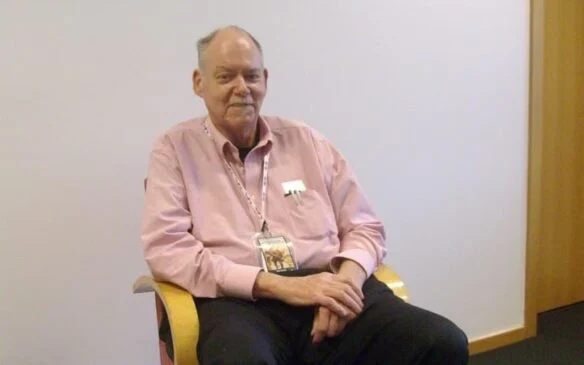
British fan Ian Maule, a significant figure in UK science fiction fandom, passed away on July 8. His dedication to fanzine culture and community building left a lasting impact.

Main Facts:
Ian Maule, a prominent British science fiction fan, passed away on July 8 at the age of 74. Known for his active involvement in fanzine publishing and fan groups, Maule contributed significantly to the UK fandom scene.
Supporting Data:
Ian Maule’s journey in fandom began with the "Gannets" from Newcastle upon Tyne, a local fan group that fostered early engagement in science fiction. In the mid-1970s, he relocated to London, a major hub for British fandom, before eventually settling in Surrey, where he became a leading member of the "Surrey Limpwrists." These fan groups were integral to the vibrant, grassroots culture of science fiction fandom, providing spaces for discussion, networking, and the creation of fanzines – amateur publications that served as vital communication channels before the internet. Maule’s most notable contribution as an editor was his stewardship of the newzine Checkpoint, overseeing issues #63 through #73. Checkpoint was a respected publication within British fandom, known for its news, reviews, and commentary. Furthermore, he co-published By British: A Fanthology of the Seventies with Joseph Nicholas, a valuable historical document that captured the essence of UK fandom during that pivotal decade. His work helped to chronicle and shape the evolving landscape of science fiction appreciation.
Implications:
Ian Maule’s passing marks the loss of a dedicated fan whose efforts were foundational to the communal spirit of science fiction fandom. His work with fanzines like Checkpoint and his involvement in fan groups exemplify the volunteer spirit that has sustained the genre’s cultural infrastructure for decades. Such figures are crucial for preserving fan history, fostering new talent, and maintaining the social fabric of the community. His legacy reminds us of the power of amateur publishing and collective passion in building and nurturing a vibrant cultural movement.
Gerry Conway (1952-2026): A Comic Book Visionary
The comic book world mourns the loss of Gerry Conway, a prolific and influential writer whose career spanned decades and left an indelible mark on some of Marvel Comics’ most iconic characters. The Comics Journal provided a comprehensive profile of his life and work following his passing on April 26.
Main Facts:
Gerry Conway, a legendary comic book writer, passed away on April 26, at the age of 74. The Comics Journal published an in-depth tribute, detailing his significant contributions to the industry, including his groundbreaking work on The Amazing Spider-Man and the co-creation of The Punisher.
Chronology & Supporting Data:
Conway’s career began remarkably early, and he quickly established himself as a prodigy in the comic book industry. By September 1972, at just 20 years old, he was confidently delivering a guest lecture at Indiana University’s pioneering "The Comic In Society" course, an initiative instigated by future Swamp Thing and Batman film producer Michael Uslan. Just four months prior, Conway had taken the reins as scripter for Marvel’s flagship title, Amazing Spider-Man, a monumental task as he was the first writer to be permanently assigned to the series other than Stan Lee himself. Despite a local newspaper’s overzealous claim that he "created Spiderman [sic], Daredevil, Thor and the Hulk," Conway himself was more measured, asserting the professional dignity of comic creators: "We are not hacks. We are professional writers and artists who have chosen, for a variety of reasons, to work in the comics."
One of Conway’s most enduring creations, alongside artist John Romita, was The Punisher, introduced in 1974 as a vigilante antihero. Initially conceived as a foil for Spider-Man, a one-off villain inspired by Don Pendleton’s Executioner novels, the character resonated deeply with readers. Conway himself would later downplay the Punisher’s heroic potential, but the character’s success soon led to spin-off stories in Marvel’s black-and-white magazines, where Conway developed him with a "hard-bitten grittiness" reminiscent of "Dirty Harry."
Implications & Official Responses:
The Punisher, however, took on a controversial second life in the early 2000s, becoming a mascot for elements of the American far right. Figures like "American Sniper" Chris Kyle proudly displayed the Punisher’s skull logo during the Iraq War, and by 2025, the symbol had permeated military and police-centric memorabilia, even appearing on challenge coins handed out to FBI agents by Kash Patel. Conway, whose own political views had evolved significantly towards the left by this time, vehemently rejected this appropriation. He publicly stated, "It’s as offensive as putting a Confederate flag on a government building." In a powerful act of protest following the murder of George Floyd in 2020, Conway took matters into his own hands, selling a line of shirts featuring the Punisher logo with all proceeds donated to Black Lives Matter. This move highlighted his graceful evolution, a rarity in an industry where creators often struggle to adapt their views over time. While former Marvel editor Roy Thomas recalled Conway as a "definite Reaganite" in the early ’80s, Conway’s later actions underscored his capacity for growth and his commitment to social justice, ensuring his legacy is remembered not just for his groundbreaking creations but also for his principled stance against their misuse.

Critical Perspectives and Cultural Impact
The influence of speculative fiction extends beyond entertainment, prompting critical re-evaluations of historical narratives and current industry practices.
Revisiting Jerry Pournelle’s CoDominium: A Warning, Not a Forecast
Mark Atwood’s recent essay, "The CoDominium Was a Warning, Not a Forecast," offers a compelling re-evaluation of Jerry Pournelle’s influential CoDominium stories. Atwood argues that Pournelle’s dystopian vision, initially published in the early 1970s, has become eerily more "legible" in retrospect, diagnosing geopolitical ailments long before their full symptoms were widely acknowledged.
Main Facts:
Mark Atwood, in his essay "The CoDominium Was a Warning, Not a Forecast," re-examines Jerry Pournelle’s CoDominium stories, arguing that their depiction of a dystopian future, while initially seeming like a forecast, was actually a critical warning about geopolitical trends.
Chronology & Supporting Data:
Jerry Pournelle, a prolific science fiction author with a Ph.D. in political science and a protégé of Stefan Possony at the Hoover Institution, published his CoDominium stories in Analog between 1971 and 1973. This period coincided with significant Cold War developments, specifically the signing of the SALT I and ABM treaties by President Nixon and Soviet leader Brezhnev, signaling an era of détente. The CoDominium setting portrays a near-future where the United States and the Soviet Union have merged their militaries, carved up global spheres of influence, and actively colluded to suppress any technology that might destabilize their arrangement.
Atwood meticulously unpacks Pournelle’s intent, asserting that the stories were not an endorsement of "convergence optimism"—the mid-century idea, popularized by figures like John Kenneth Galbraith, that superpowers were converging on a similar "