The Living Sanctuary: Preserving the Artistic and Spiritual Legacy of the Ọṣun-Osogbo Sacred Grove
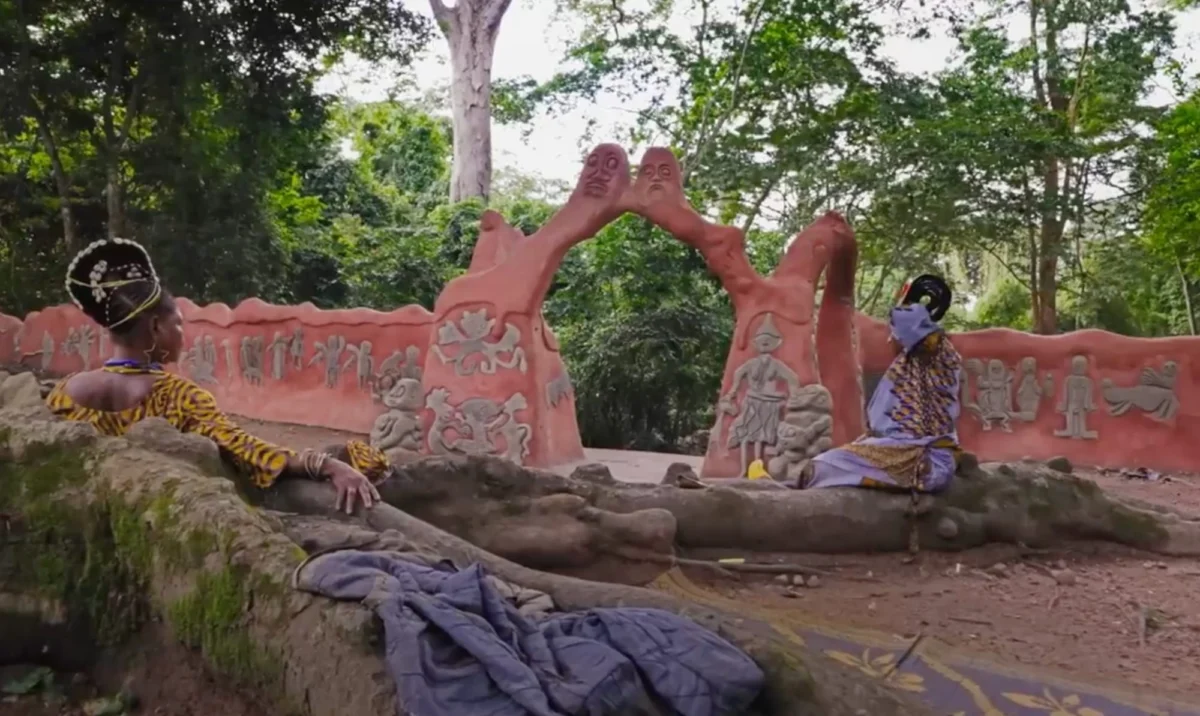
The Ọṣun-Osogbo Sacred Grove, a sprawling 190-acre sanctuary of dense forest and winding river in southwestern Nigeria, stands as one of the last remaining vestiges of Yoruba sacred landscapes. Recently brought into the global spotlight by a short documentary released by The Metropolitan Museum of Art (The Met) in collaboration with the World Monuments Fund, the grove is much more than a historical relic. It is a vibrant, "living" testament to a 600-year-old pact between humanity and the divine.
Directed by Sosena Solomon, the film—part of a larger series titled Africa’s Cultural Landmarks—explores the intersection of ancient spirituality and mid-20th-century artistic revival. Through the lens of the New Sacred Art Movement, the documentary highlights how a group of dedicated artists transformed the grove into a monumental gallery of totems and sculptures, ensuring its survival against the encroaching pressures of modernization and neglect.
Main Facts: A Nexus of Divinity, Nature, and Art
The Ọṣun-Osogbo Sacred Grove is situated on the outskirts of the city of Osogbo, the capital of Osun State, Nigeria. Recognized as a UNESCO World Heritage site in 2005, it is considered the home of Ọṣun, the Yoruba goddess of fertility, water, and love. Unlike many other sacred groves that were destroyed or diminished during the colonial era and the subsequent rise of urbanization, Ọṣun-Osogbo has remained intact, largely due to the unique intervention of the New Sacred Art Movement.
The site is characterized by its "living" heritage—a term used by UNESCO to describe places where traditional practices, rituals, and artistic creation continue to evolve. The grove contains 40 shrines, two palaces, and many sculptures and works of art erected in honor of Ọṣun and other deities of the Yoruba pantheon.
The recent documentary by The Met emphasizes that the grove is not a static monument. It is a site of constant renewal. Artists like Kasali Akangbe Ogun, a central figure in the New Sacred Art Movement, continue to carve totemic shrines and repair older works, passing these specialized skills down to a new generation. This continuous cycle of creation and restoration is what distinguishes Ọṣun-Osogbo from traditional archaeological sites.
Chronology: From Ancient Origins to Modern Revival
The history of the Ọṣun-Osogbo Sacred Grove is a narrative of resilience, spanning six centuries of cultural evolution.
The Foundation (c. 14th Century)
Yoruba oral tradition recounts that over 600 years ago, a great hunter named Olutimehin discovered the grove during a period of severe drought. Upon reaching the banks of the Osun River, he and his community encountered the goddess Ọṣun. A divine contract was established: the people promised to protect the grove and honor the goddess through annual worship, and in return, Ọṣun promised them prosperity, protection, and the "living water" of the river. This event led to the founding of the kingdom of Osogbo.
The Colonial Era and Decline (Early 20th Century)
As British colonial influence expanded in Nigeria, traditional religious practices faced significant pressure. The spread of Christianity and Islam, combined with Western-style education and urban expansion, led to the abandonment of many sacred groves across Yorubaland. By the mid-20th century, the Ọṣun-Osogbo Sacred Grove had fallen into a state of neglect. Shrines were crumbling, and the sacred forest was being encroached upon by farmers and developers.
The New Sacred Art Movement (1950s–1960s)
The turning point for the grove came in the late 1950s with the arrival of Susanne Wenger, an Austrian artist who became deeply immersed in Yoruba spirituality. Known locally as "Adunni Olorisha," Wenger collaborated with local artists, including Chief Adebisi Akanji and Kasali Akangbe Ogun, to form the New Sacred Art Movement.

This movement sought to protect the grove by "reinforcing" its spiritual boundaries with physical art. They replaced the decaying mud-brick shrines with massive, expressionistic sculptures made of cement, stone, and iron. These works did not merely depict the gods; they were intended to be dwellings for them. This fusion of traditional Yoruba cosmology and modern sculptural techniques created a unique aesthetic that saved the grove from physical destruction.
Global Recognition and the Digital Age (2005–Present)
In 2005, UNESCO officially inscribed the grove as a World Heritage site, citing its importance as a symbol of Yoruba identity. In 2024, the collaboration between The Met and the World Monuments Fund represents the latest chapter in the grove’s history, utilizing digital media to bring its story to a global audience and emphasizing the need for ongoing conservation.
Supporting Data: The Ecological and Cultural Dimensions
The Ọṣun-Osogbo Sacred Grove is an anomaly in the modern Nigerian landscape, providing a rare glimpse into the primary high forests that once covered much of the region.
Biodiversity and Ecology
The grove’s 75 hectares (190 acres) act as a critical "green lung" for the city of Osogbo. It houses over 400 species of plants, of which more than 200 are known for their medicinal properties. The mature forest canopy provides a habitat for various fauna, including the endangered white-throated monkey. The preservation of this ecosystem is inextricably linked to the spiritual prohibition against hunting, fishing, or felling trees within the sacred boundaries.
The Osun-Osogbo Festival
The spiritual heart of the grove is the annual Osun-Osogbo Festival, held every August. This 12-day event attracts tens of thousands of pilgrims and tourists from across the globe, particularly from the African Diaspora in the Americas and the Caribbean. The festival culminates in a procession to the river, led by the Arugba (a virgin maiden who carries the sacred calabash), symbolizing the renewal of the ancient pact between the town and the goddess.
The Art Movement’s Impact
The New Sacred Art Movement produced dozens of major installations. The sculptures are noted for their fluid, organic shapes that seem to emerge directly from the earth. Unlike traditional Western art, which often prioritizes the individual artist, the works in the grove are communal efforts. The documentary highlights that the materials—clay, mud, and later cement—require constant maintenance due to the tropical climate, making the art a "living" entity that requires human interaction to survive.
Official Responses: Institutional Commitment to Heritage
The release of the documentary has prompted reflections from major cultural institutions regarding the preservation of African heritage.
The Metropolitan Museum of Art: In a statement accompanying the film, The Met emphasized its commitment to highlighting "Africa’s Cultural Landmarks." By featuring Ọṣun-Osogbo, the museum aims to broaden the narrative of art history, moving beyond objects in glass cases to showcase art as it exists in its original, sacred context.
The World Monuments Fund (WMF): The WMF has played a pivotal role in the physical conservation of the site. Their representatives have noted that Ọṣun-Osogbo is a model for "community-based conservation." Rather than fencing off the site, the strategy involves empowering local practitioners and artists to remain the primary custodians of their own heritage.

Chief Nike Davies-Okundaye: A world-renowned textile designer and a prominent figure in the documentary, Chief Nike underscored the spiritual vitality of the site. "What makes Ọṣun-Osogbo such a special place is this is a living story," she stated. Her commentary reinforces the idea that the grove is not a museum of the past, but a functioning spiritual center for the present.
Nigerian National Commission for Museums and Monuments (NCMM): The NCMM has reiterated its duty to protect the grove from modern threats, including water pollution in the Osun River caused by illegal mining upstream—a challenge that requires both local vigilance and international advocacy.
Implications: The Future of "Living Heritage"
The story of the Ọṣun-Osogbo Sacred Grove carries significant implications for the global heritage sector, particularly in how the world perceives and protects non-Western cultural sites.
Balancing Tourism and Sanctity
As the grove gains more international fame through documentaries and UNESCO status, the pressure of tourism increases. The challenge for the future lies in managing the influx of visitors without desecrating the sanctuary or disrupting the rituals. The "living" nature of the site depends on its continued use as a place of worship, not just a destination for sightseers.
The Sustainability of Traditional Knowledge
The survival of the New Sacred Art Movement depends on the transfer of knowledge. As the original members of the movement age, the apprenticeship of younger artists like the children of Kasali Akangbe Ogun becomes crucial. This highlights a shift in conservation philosophy: preserving the people and their skills is just as important as preserving the physical structures.
Environmental Stewardship
The grove serves as a powerful case study for the link between religion and environmentalism. The "sacredness" of the forest has protected it far more effectively than secular laws might have. In an era of climate change and deforestation, Ọṣun-Osogbo offers a blueprint for how indigenous belief systems can be leveraged to protect biodiversity.
A New Narrative for African Art
For too long, African art in Western consciousness was limited to "primitive" masks or artifacts looted during the colonial era. The Met’s documentary helps shift this perspective, presenting African art as a sophisticated, monumental, and evolving tradition. By showcasing the New Sacred Art Movement, the film acknowledges that African artists are not just keepers of ancient traditions but are also innovators who can blend modern materials with ancestral themes.
In conclusion, the Ọṣun-Osogbo Sacred Grove remains a rare sanctuary where the veil between the past and the present is thin. Through the continued efforts of local artists and the support of global institutions, the "living story" of the goddess Ọṣun and her sacred forest continues to thrive, offering a message of resilience, creativity, and the enduring power of the human spirit.